Alright, fellow tape travellers, dim the lights and adjust the tracking. Remember that feeling, maybe around the turn of the millennium, when the local video store still had that glorious ‘New Releases’ wall, but the sci-fi/monster section felt… well, a bit familiar? Then you spot it: a Godzilla flick you haven't seen, promising a brand-new foe. Godzilla vs. Megaguirus (2000) landed right in that sweet spot, a blast from the (very recent) past trying to reignite the Big G for a new era, even if it felt like it belonged on a well-loved VHS tape from day one. This wasn't your dad's Heisei-era hero; this was something else entirely.
Wiping the Slate Clean (Again)
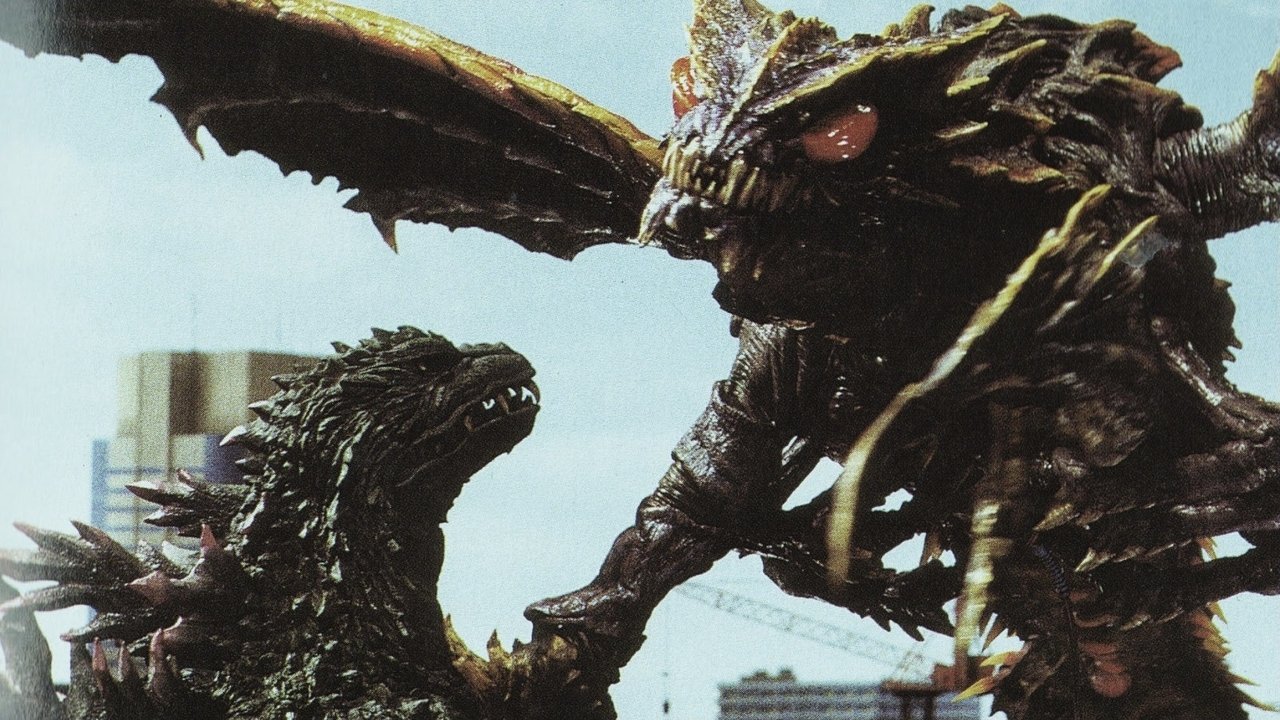
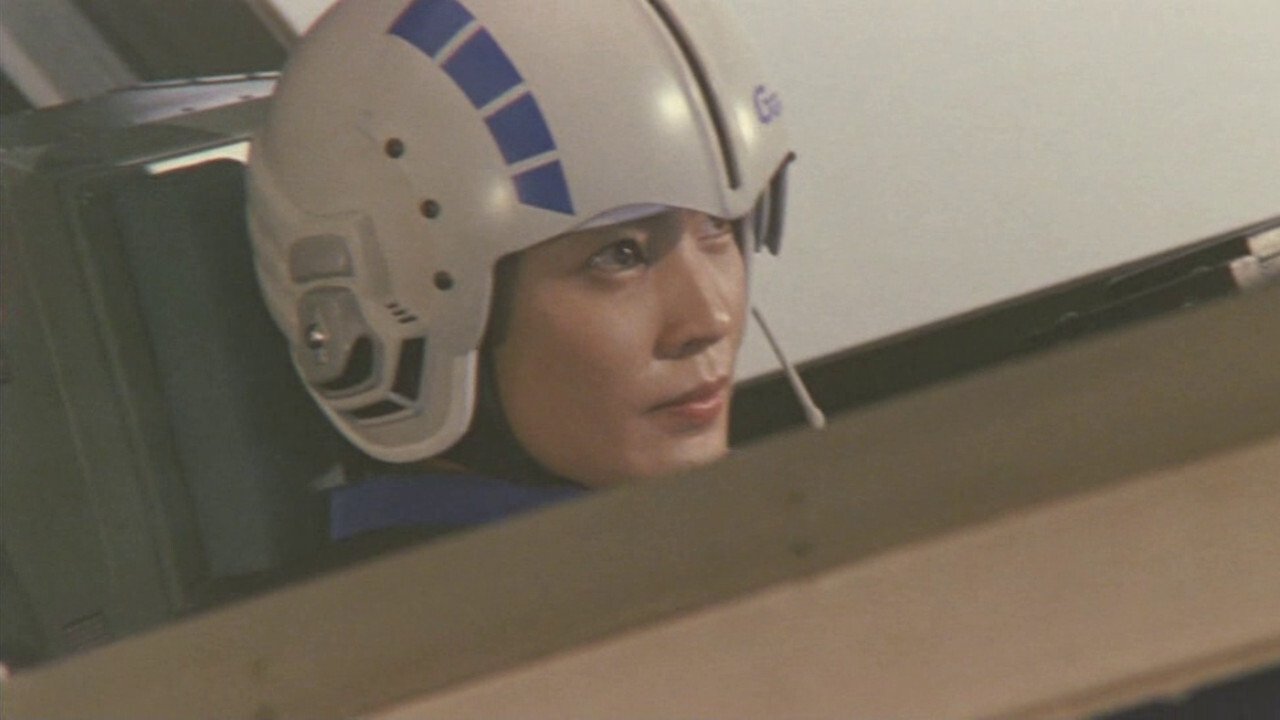
First thing to know: Godzilla vs. Megaguirus, or Gojira tai Megagirasu: Jī Shōmetsu Sakusen as it's known in Japan, pulls a move familiar to G-fans – it hits the timeline reset button. Forget everything after the original, haunting 1954 Godzilla. In this world, Godzilla survived his supposed demise and remains Japan's recurring radioactive nightmare. This clever conceit allowed director Masaaki Tezuka, making his Godzilla debut here (he'd return for two more!), to craft a standalone adventure without the baggage of Mothra's prophecies or SpaceGodzilla's crystals. It felt fresh, even if rebooting was becoming Toho's favourite party trick. The setup involves a dedicated anti-Godzilla force, the 'G-Graspers', led by the determined Major Kiriko Tsujimori (Misato Tanaka), who carries a personal vendetta against the King of the Monsters.
Old Bugs, New Tricks
The plot hinges on a newfangled weapon: the Dimension Tide, a satellite gizmo designed to zap Godzilla into another dimension using a miniature black hole. Seriously, the techno-babble alone is pure early 2000s gold. But, as these things inevitably do, the test goes awry. It doesn't just miss Godzilla; it punches a hole through spacetime, allowing a prehistoric dragonfly nymph – a Meganulon – to pop into present-day Tokyo. If that name tickles your memory banks, you're not wrong! Astute fans will recognize the Meganulon as the creepy crawlies from Ishirō Honda's 1956 classic, Rodan. It’s a neat callback, a retro fun fact baked right into the monster’s origin story. This single bug lays an egg, which hatches more bugs (Meganula), which then flood parts of Shibuya (in scenes mixing practical water effects with early CGI swarms) and eventually siphon off Godzilla's energy to empower their queen: the titular Megaguirus.
Kaiju Combat: A Mix of Old and New
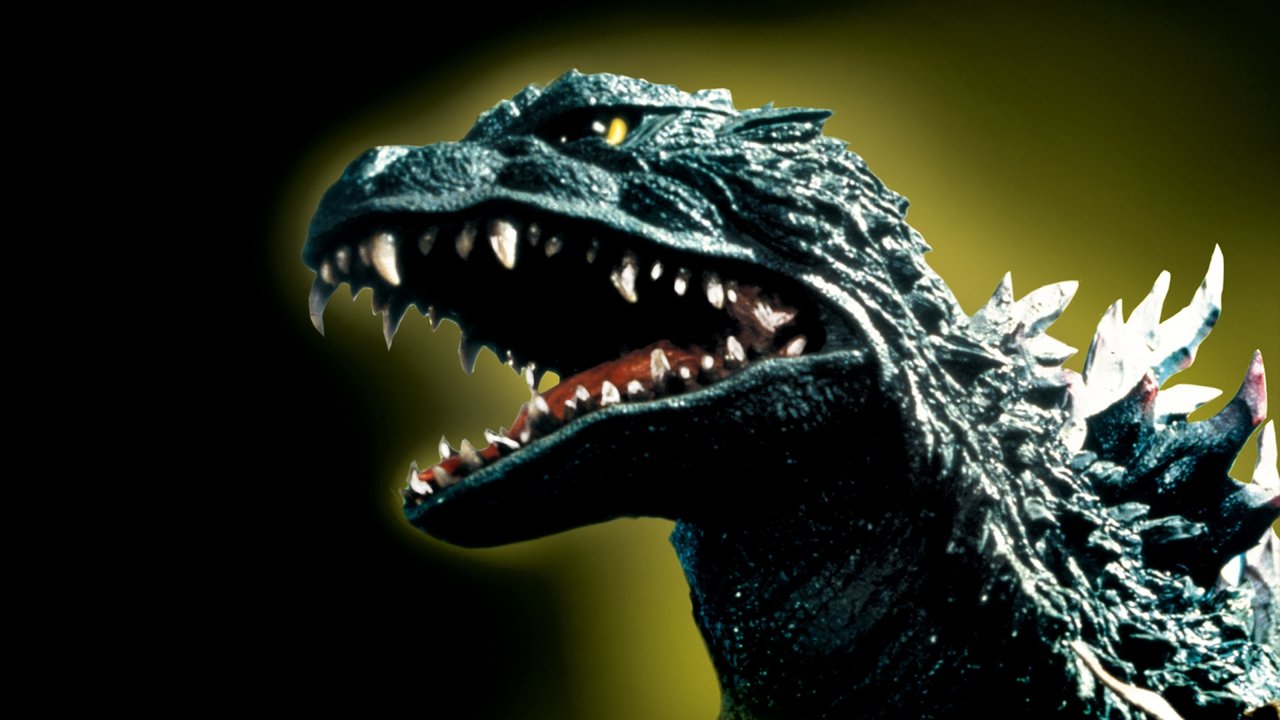
And what a queen she is! Megaguirus is a nasty piece of work – fast, vicious, with giant claws, a stinger that drains energy, and wings that create destructive sonic waves. Her design feels appropriately insectoid and threatening. The battles between her and Godzilla are the main event, and they deliver that classic kaiju thrill. This Godzilla suit, nicknamed 'MireGoji' by fans for its appearance in this film (Millennium Godzilla), is fantastic – a lean, mean, green-finned machine with a jagged, aggressive look. It felt like a return to the more destructive Godzilla of old.
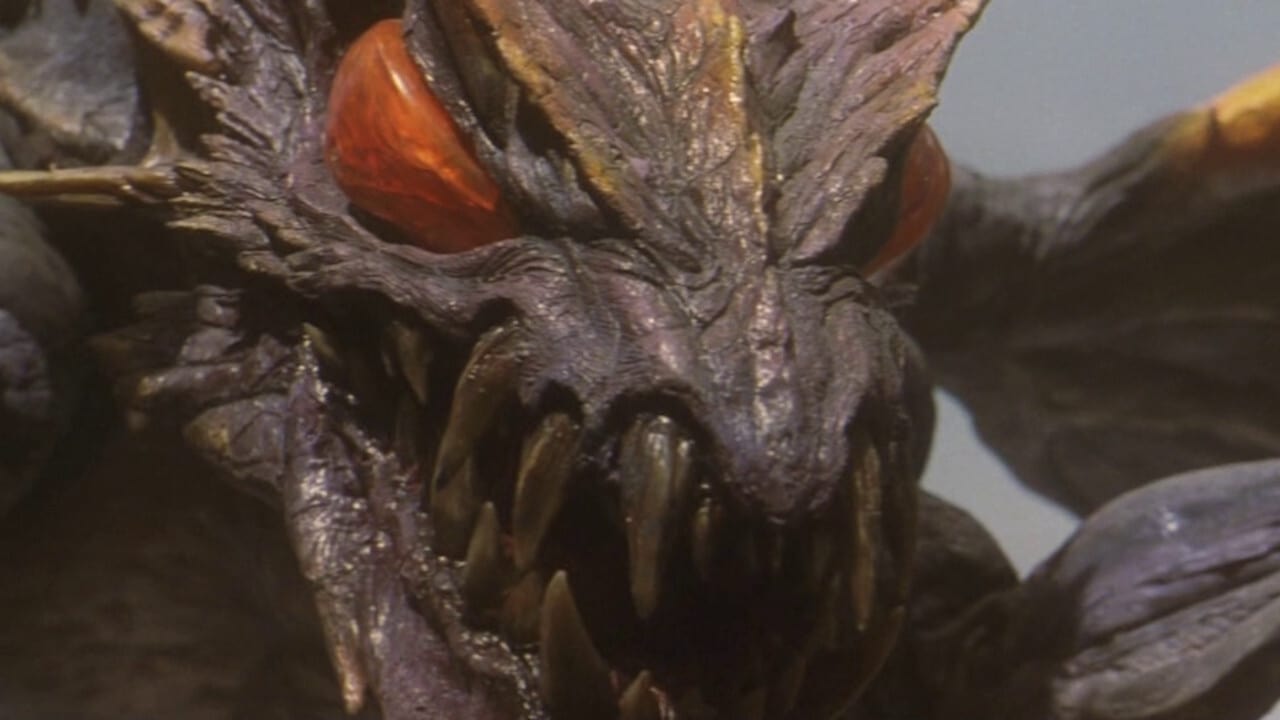

Now, let's talk effects. This film hit right as CGI was becoming more prevalent but hadn't totally taken over. You get that fascinating, sometimes slightly jarring, blend. Megaguirus herself is often CGI, especially when she's zipping around at impossible speeds, leaving motion trails that scream 'Year 2000 graphics!' But don't despair, practical effects purists! Godzilla is primarily glorious suitmation, brought to life by performer Tsutomu Kitagawa. The miniature sets are detailed, and the destruction – buildings crumbling, bridges buckling – has that tangible weight we love. Remember how real those explosions felt before everything got smoothed out digitally? There’s still plenty of that pyrotechnic magic here. It’s a bridge between eras: the man-in-suit tradition meeting the digital frontier. Was the blend always seamless? Maybe not by today's standards, but back then, watching Megaguirus dive-bomb a fully physical Godzilla felt pretty cutting-edge.
Human Drama and Energetic Beats
While the human element sometimes takes a backseat to the monster mayhem (as is often tradition), Misato Tanaka brings a fiery intensity to Kiriko, driven by the loss of her commanding officer in a previous Godzilla encounter. Shosuke Tanihara plays Hajime Kudo, the quirky inventor behind the Dimension Tide, adding a touch of lighthearted techno-optimism. Their efforts provide the framework for the kaiju chaos. And we absolutely have to mention the score by Michiru Oshima. It’s fantastic – bombastic, heroic, and full of driving energy that elevates the action significantly. Oshima would become a key musical voice for the Millennium Godzilla era, and her work here is a standout. Interestingly, despite the creative team's efforts, the film didn't quite set the Japanese box office alight, underperforming compared to expectations – perhaps a sign that audiences were still figuring out what they wanted from a 21st-century Godzilla.
Final Verdict
Godzilla vs. Megaguirus is a shot of pure Millennium-era kaiju adrenaline. It boasts a genuinely cool new monster, a ferocious Godzilla design, some truly satisfying practical destruction, and an absolutely killer score. The human story is functional, serving mostly to get us to the next giant monster smackdown, and the early CGI definitely shows its age. But there's an undeniable energy here, a sense of Toho trying something both familiar and new. It captures that specific feeling of late-night VHS viewing – maybe the picture's not perfect, maybe the science is wonky, but the sheer spectacle of giant monsters duking it out is undeniably fun.
Rating: 7/10 - A solid, action-packed entry with a great villain and a killer Godzilla design. The blend of practical and early digital effects marks it as a fascinating transitional film, and Michiru Oshima's score absolutely rips. It might not be a top-tier classic, but it delivers exactly the kind of energetic monster mayhem you rented these tapes for.
Final Thought: It perfectly bottles that turn-of-the-century moment where suitmation still ruled the rubble, even as digital dragonflies buzzed overhead – a fun, frantic slice of kaiju history worth revisiting.