Alright team, gather 'round the flickering glow of the metaphorical CRT. Remember that feeling? Popping a tape into the VCR, the satisfying clunk, maybe adjusting the tracking just so? Tonight, we're diving headfirst into a Heisei-era titan clash that absolutely blew our minds back in the day: 1991's truly bonkers epic, Godzilla vs. King Ghidorah. This wasn't just another monster mash; this was Godzilla getting tangled up in time travel, World War II flashbacks, cyborg enhancements, and the return of his glorious, golden arch-nemesis. If you rented this expecting simple city-stomping, you were in for a wild ride.
### Back to the Future, Kaiju Style
Let's be honest, the plot of Godzilla vs. King Ghidorah is gloriously, wonderfully insane. We've got visitors from the 23rd century, the "Futurians," arriving in a sleek UFO (that looked suspiciously like a certain movie spacecraft) with a seemingly noble goal: prevent Godzilla's creation by removing the dinosaur that started it all from Lagos Island before the H-bomb test. Of course, their motives are far more sinister, involving replacing Godzilla with their own controllable monsters – three adorable little "Dorats" – which, when exposed to the same radiation, fuse into the mighty King Ghidorah! It’s the kind of plot twist that made you rewind the tape just to make sure you heard it right. Written and directed by Kazuki Ōmori, who'd previously helmed the impressive Godzilla vs. Biollante, this film doubled down on ambition, weaving a complex (some might say convoluted) narrative that felt incredibly high-stakes back then.
This time-hopping premise allowed for some truly memorable, and occasionally controversial, sequences. The detour to Lagos Island in 1944 stands out. Here, we see a pre-radiation Godzillasaurus defending Japanese soldiers against American forces. This sequence caused quite a stir upon release, particularly in the US, with accusations of anti-American sentiment. Watching it now, it feels more like a specific story beat within its bonkers sci-fi framework, but it's fascinating trivia that this moment generated such heated discussion – a testament to Godzilla's surprising cultural weight. It also provided a poignant encounter between the creature and a young soldier, Yasuaki Shindo, who would later become a powerful industrialist, adding a surprisingly effective human dimension often missing in kaiju flicks.
### The Symphony of Destruction
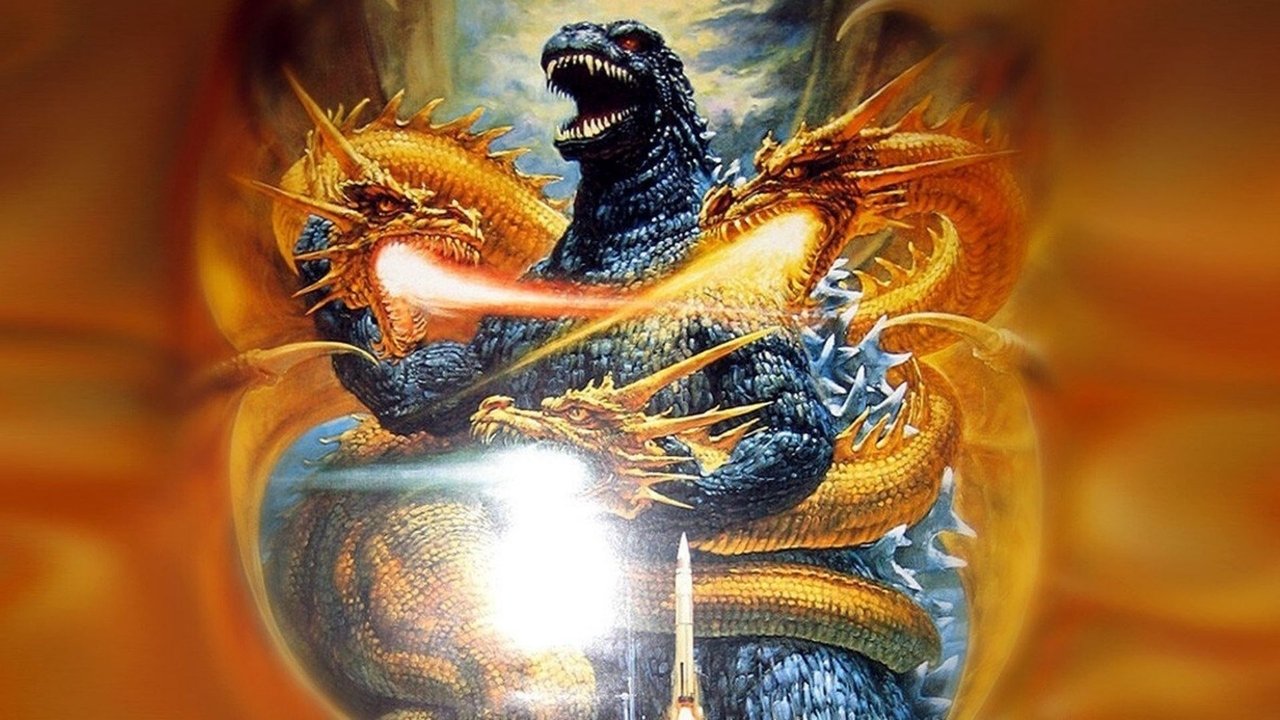
But let's talk about why we really rented this tape: the monster action. And oh boy, does this film deliver. The Heisei era (starting with 1984's The Return of Godzilla) brought a renewed focus on scale, power, and truly impressive practical effects, and Godzilla vs. King Ghidorah might be one of its high points. When Godzilla, now bigger and meaner thanks to a nuclear submarine mishap (naturally), finally confronts the newly created King Ghidorah in Hokkaido, it’s pure kaiju bliss.
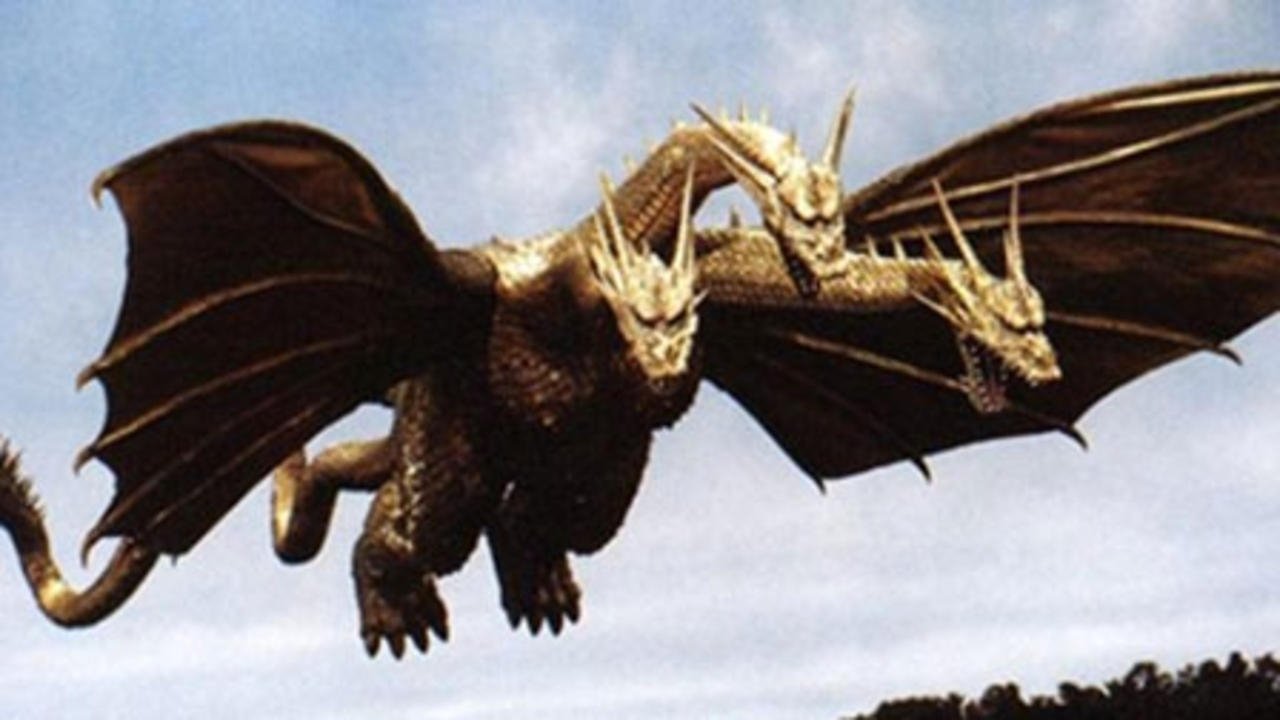
Forget weightless CGI creations; this was the era of suitmation majesty. Kenpachiro Satsuma lumbered and fought within the Godzilla suit, conveying immense power and animalistic rage. King Ghidorah, a complex combination of suit actors and intricate puppetry for the three heads and wings, was a marvel of practical engineering. Remember how physical those fights felt? Every blow seemed to land with crushing weight, buildings crumbled into beautifully detailed miniature sets, and the pyrotechnics were spectacular. The beam battles – Godzilla's atomic breath clashing with Ghidorah's gravity beams – lit up the screen with raw energy. It’s a style of filmmaking that required incredible patience and skill from the SFX teams at Toho.

Adding immeasurably to the grandeur was the return of legendary composer Akira Ifukube. Hearing his iconic Godzilla theme and the thunderous King Ghidorah march blast through your TV speakers for the first time since 1975’s Terror of Mechagodzilla was pure magic. It instantly connected this modern spectacle back to the Showa-era classics, lending the proceedings an almost mythic quality.
### Rise of the Mecha-Menace
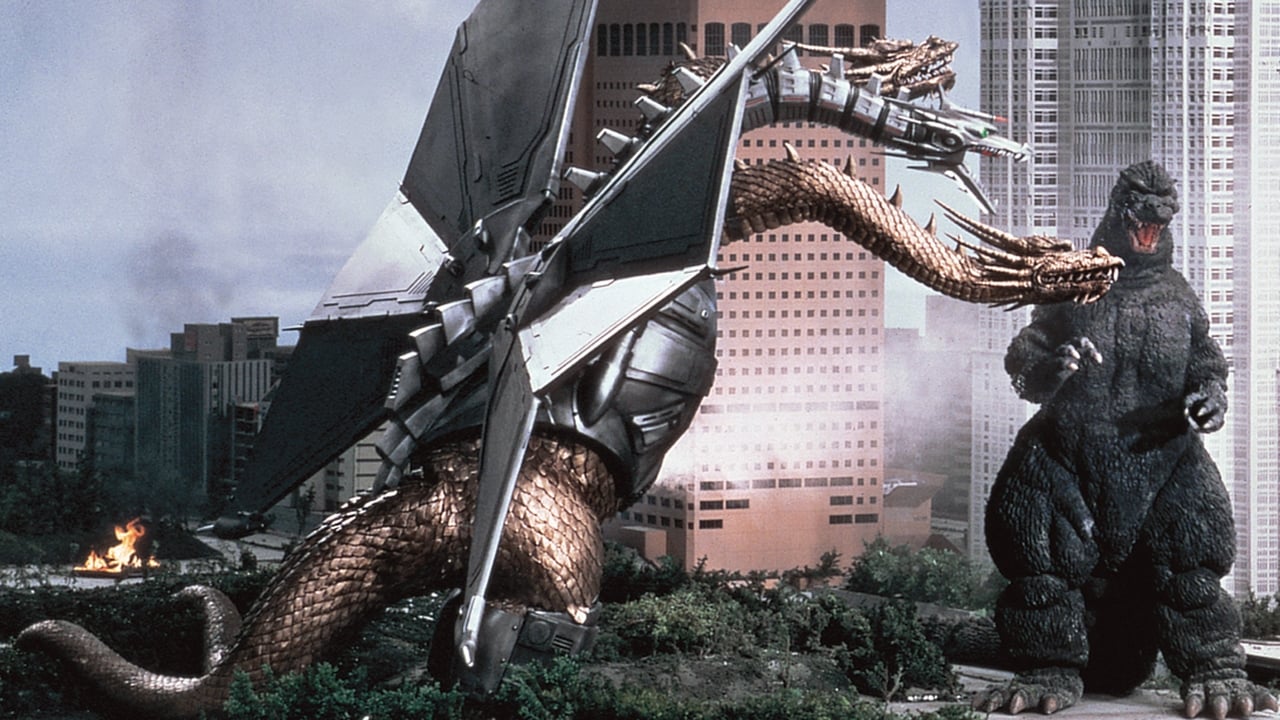
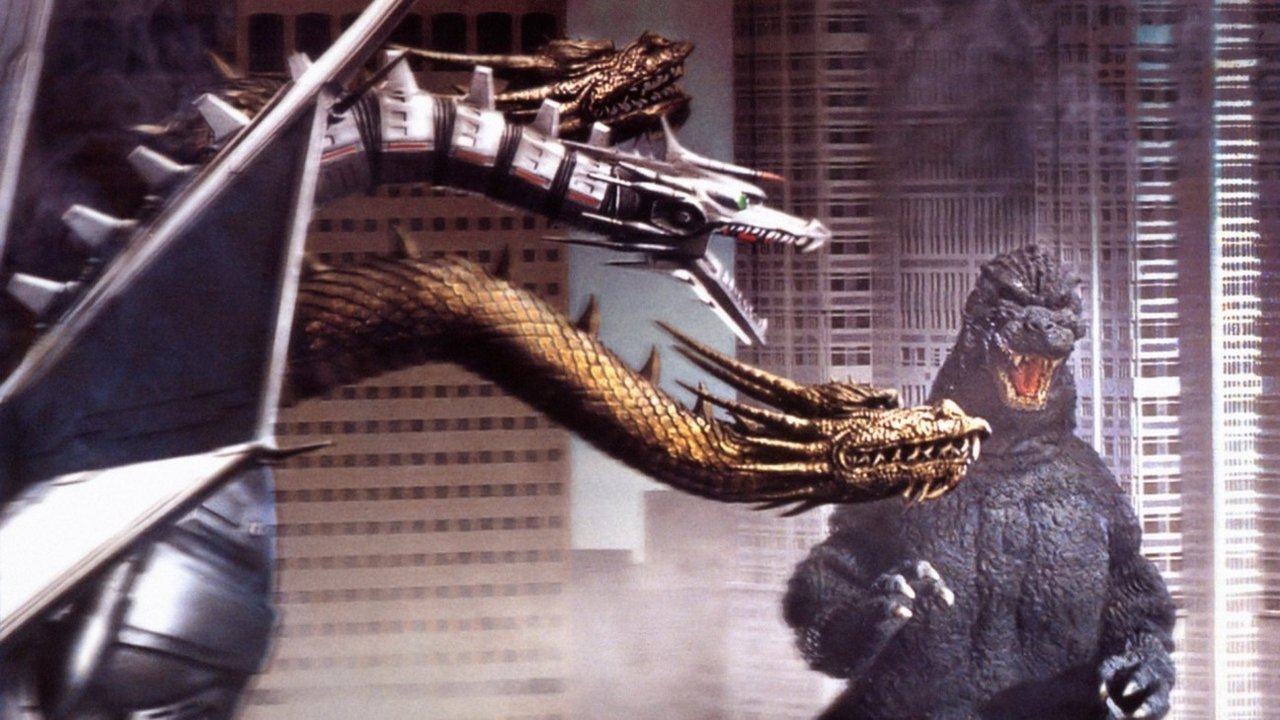
Just when you think the chaos can't escalate further, Ōmori throws another curveball. After Ghidorah's initial defeat, the Futurians retrieve his battered body in the future (don't think too hard about the timeline paradoxes) and rebuild him as Mecha-King Ghidorah! Piloted by the sympathetic Futurian Emmy Kano (Anna Nakagawa), this cyborg monstrosity returns to 1992 Tokyo for a final, show-stopping battle with Godzilla amidst the skyscrapers of Shinjuku.
The Mecha-King Ghidorah design is pure 90s cool – cybernetics fused with organic flesh, bristling with weaponry. The final battle is a destructive masterpiece, showcasing some of the best miniature work and pyrotechnics of the entire Heisei series. It’s loud, chaotic, and utterly fantastic. We also get continued involvement from Miki Saegusa (Megumi Odaka), the recurring psychic character who became a welcome anchor across several Heisei films, trying to communicate with and understand the giant beast. Shoutout as well to Kosuke Toyohara as Terasawa, the determined writer trying to unravel the time-travel mystery – he gives us a solid human perspective amidst the giant monster mayhem.
The film was a massive hit in Japan, becoming the highest-grossing domestic production of 1991 and revitalizing the franchise's box office fortunes after Biollante's slightly softer numbers. It proved audiences were hungry for classic monsters presented with modern spectacle, even wrapped in a plot demanding serious suspension of disbelief.
***
VHS Heaven Rating: 8/10
Justification: Godzilla vs. King Ghidorah earns its high marks for sheer audacity, spectacular practical effects, the triumphant return of Ifukube's score, and delivering some of the most iconic kaiju battles of the Heisei era. The suitmation and miniature work are top-tier, capturing a sense of scale and physical impact that still impresses. While the time travel plot is wonderfully convoluted and some human elements feel secondary, the pure spectacle and fan-service (Ghidorah! Mecha-Ghidorah!) make it a blast. The controversial WWII scene adds a layer of historical interest, intended or not. It perfectly embodies the ambition and sometimes glorious excess of early 90s blockbuster filmmaking.
Final Thought: This is the kind of movie that felt like pure cinematic insanity beamed directly into your living room via a well-worn VHS tape – a glorious, slightly illogical, utterly unforgettable symphony of monster destruction that still holds up as peak Heisei-era Godzilla fun.