The air crackles not with static, but with something heavier, something primal, as the opening moments of Gamera 3: Revenge of Iris unfold. Forget the campy, kid-friendly turtle of yesteryear. This 1999 entry, the stunning conclusion to director Shusuke Kaneko's Heisei trilogy, plunges into depths rarely explored by the kaiju genre, leaving a residue of unease that lingers like fallout. It begins not with a roar, but with the discovery of a Gamera graveyard, ancient carapaces littering the ocean floor – a haunting image that sets a tone of finality and ancient sorrow.
A World Under Siege
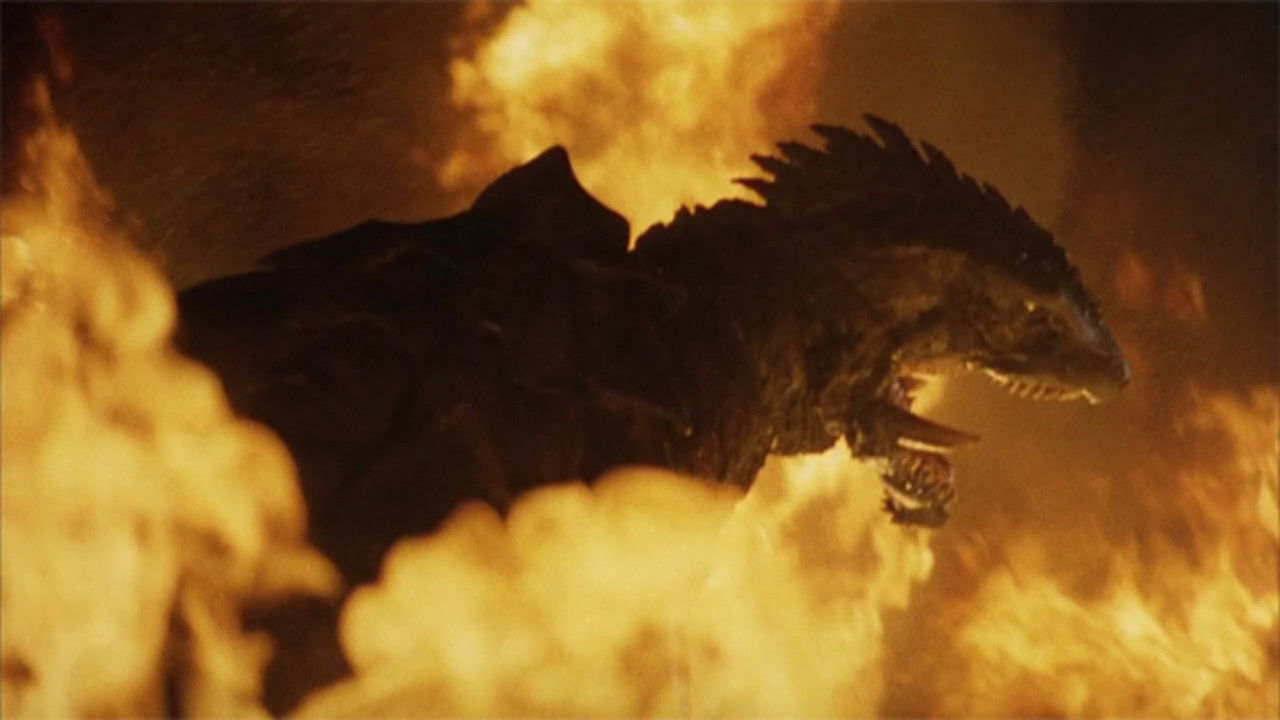
What Kaneko and returning writer Kazunori Itō achieve here is nothing short of remarkable for the genre at the time. The film grapples with the terrifying consequences of giant monster battles, shifting the focus from purely spectacle to the very real human cost. We witness the devastation of Tokyo's Shibuya district, not as a playground for titans, but as a terrifying urban catastrophe. The sequence is relentless, showcasing civilian casualties with a bluntness rarely seen in kaiju films before. I distinctly remember watching this unfold on a grainy rental tape late one night, the sheer scale and grim realism feeling miles away from the rubber-suited wrestling matches I grew up with. There were whispers that this sequence, achieved through a masterful blend of intricate miniatures and pyrotechnics, genuinely disturbed initial test audiences, forcing them to confront the collateral damage inherent in these earth-shattering conflicts.
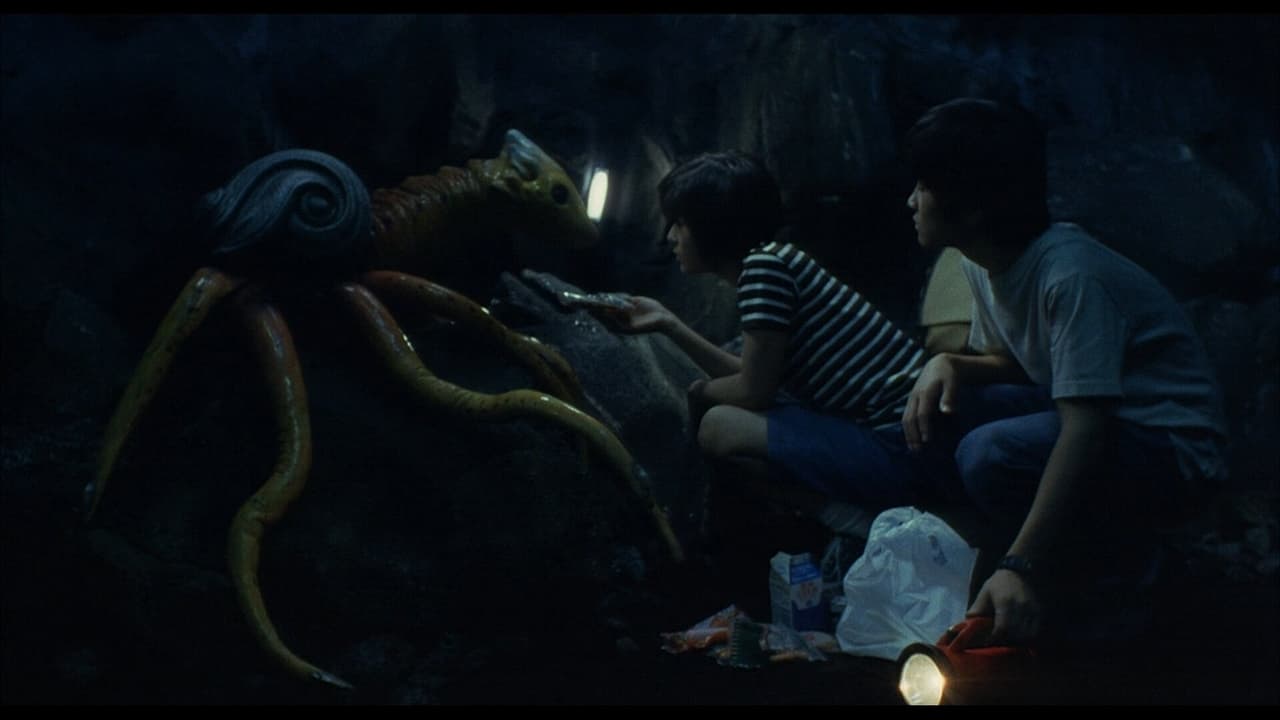
The plot weaves a dark thread of vengeance. Young Ayana Hirasaka (Ai Maeda), orphaned during Gamera's battle with Gyaos in the first Heisei film, harbors a deep hatred for the guardian turtle. Discovering a strange egg in a village shrine, she forms a psychic bond with the creature that hatches – a bizarre, tentacled entity she names Iris, hoping it will become her instrument of revenge against Gamera. Maeda's performance is surprisingly potent; her trauma and twisted affection for Iris form the film's chilling emotional core. Doesn't the idea of weaponizing grief itself feel unnervingly potent?

Monsters Made Manifest
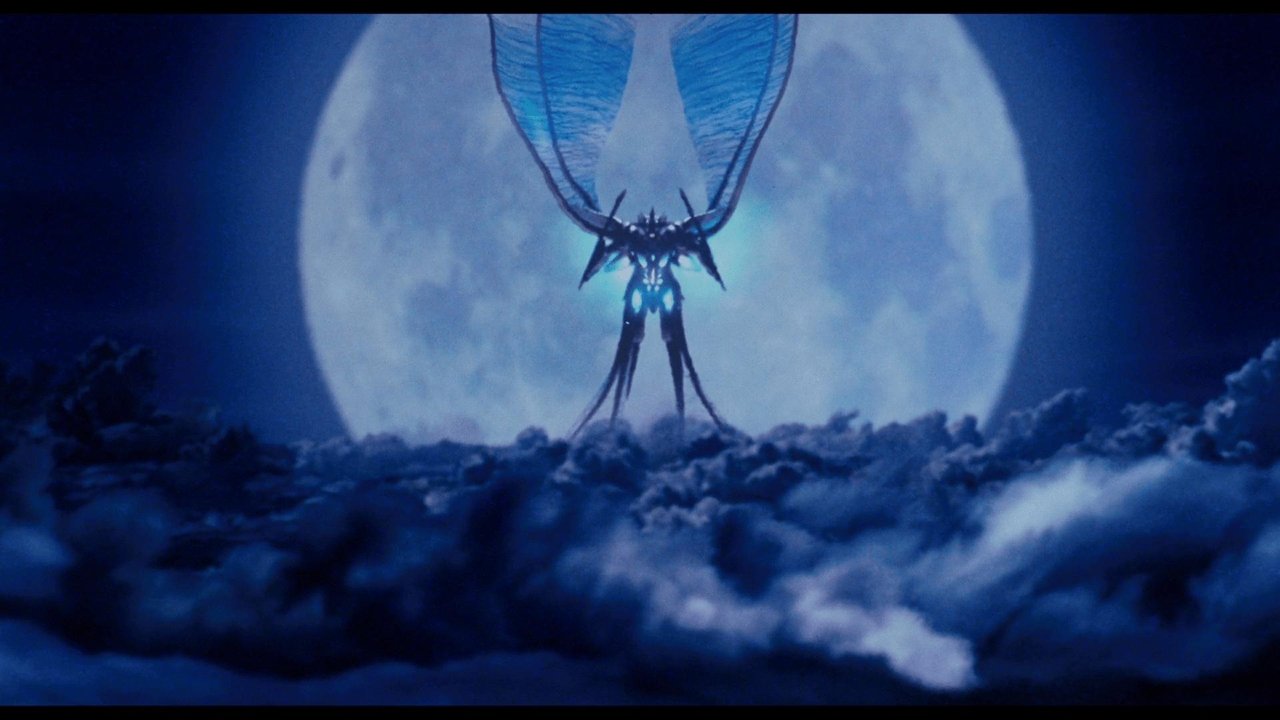
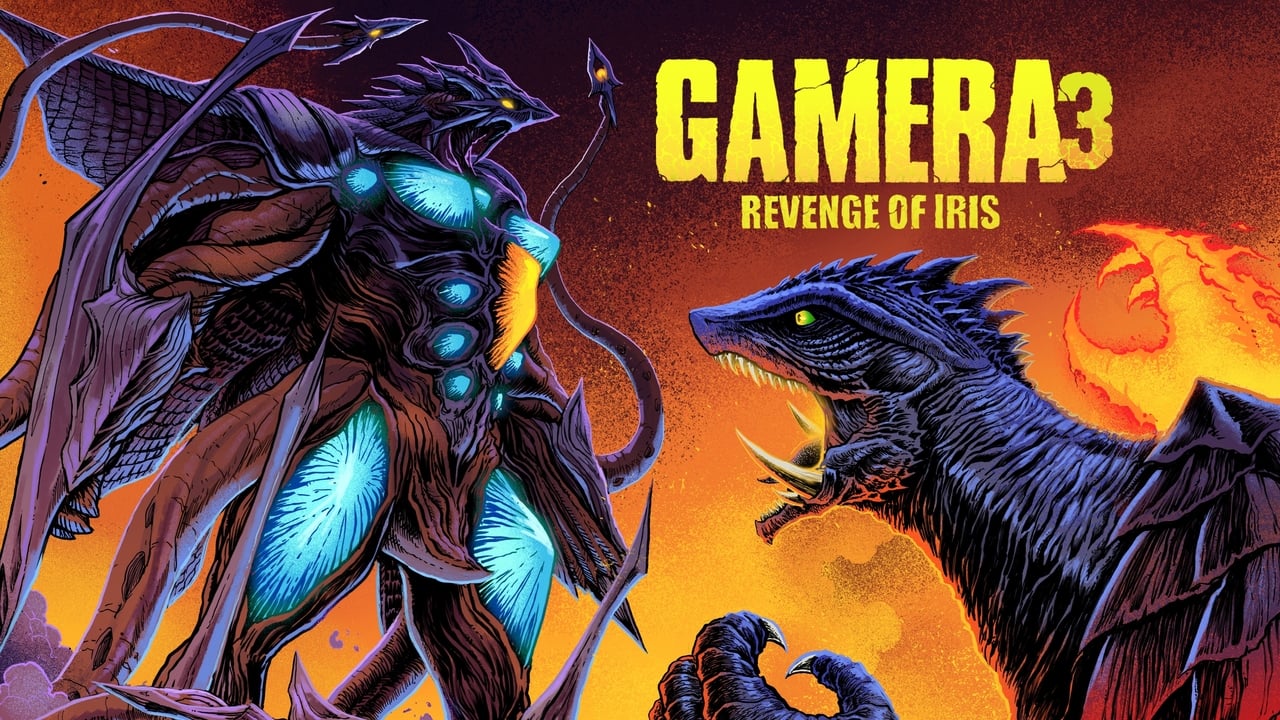
The creature work in Gamera 3 represents a fascinating crossroads for late-90s effects. While Gamera himself remains a triumph of suitmation – heavier, scarred, more imposing than ever – the film embraces the burgeoning potential of CGI. Iris, designed by the legendary Mahiro Maeda (whose visionary work would later grace Neon Genesis Evangelion and Kill Bill Vol. 1), is a truly alien nightmare. Its design is deliberately unsettling, a fusion of organic and almost techno-organic elements, brought to life through a combination of puppetry, suit performance (briefly), and digital animation. The CGI tentacles and energy effects, while perhaps showing their age slightly now, felt groundbreaking back then, pushing the boundaries of what Japanese fantasy cinema could achieve on its budget (reportedly around ¥1 billion, roughly $8.5 million USD at the time). The returning Hyper Gyaos are also rendered with vicious speed and menace, cementing their status as terrifying apex predators.
The film benefits immensely from the return of familiar faces. Shinobu Nakayama reprises her role as ornithologist Mayumi Nagamine, providing the scientific perspective and a crucial link across the trilogy. Her growing understanding and complex relationship with Gamera add depth. And Yukijirō Hotaru as Inspector Osako offers moments of weary humanity and grounding amidst the escalating chaos, a familiar presence for fans who followed the trilogy from Guardian of the Universe (1995).
Echoes in the Rubble
Kaneko directs with a confidence born from the previous two installments, balancing apocalyptic spectacle with intimate human drama. The score by Kow Otani, who also scored the influential game Shadow of the Colossus, is magnificent – operatic, tragic, and soaring, perfectly capturing the film's epic scope and somber mood. The cinematography often emphasizes the sheer scale difference between humans and monsters, framing shots to maximize the sense of awe and terror.
One of the film's most debated aspects is its famously ambiguous ending. Spoiler Alert! After a brutal, pyrrhic victory against Iris, a grievously wounded Gamera stands defiant as hordes of Gyaos descend upon Japan. The military prepares to support Gamera, Nagamine expresses faith in him, and the film cuts to black as Gamera lets out one final roar. It’s a bold, almost bleak conclusion that refuses easy answers, suggesting the battle is eternal and victory never absolute. It's a far cry from the neat resolutions often expected, leaving you contemplating humanity's place in a world of gods and monsters.
Final Reckoning
Gamera 3: Revenge of Iris isn't just a great Gamera movie; it's a high-water mark for the entire kaiju genre. It dares to be dark, complex, and emotionally resonant, treating its fantastical premise with surprising maturity and weight. The blend of cutting-edge (for 1999) practical and digital effects creates unforgettable imagery, and the focus on human consequence elevates it beyond simple monster mayhem. While some CGI elements inevitably date, the sheer power of its vision, the chilling atmosphere, and the spectacular destruction sequences remain deeply impressive. It pushed boundaries, delivered unforgettable creature design, and concluded one of the best giant monster trilogies ever made with a haunting roar that still echoes.
Rating: 9/10
This film stands as a testament to the creative heights the kaiju genre can reach when it takes itself seriously, delivering a truly unforgettable, atmospheric, and surprisingly moving experience. It proved Gamera wasn't just for kids anymore.