The air hangs thick and heavy, tasting of dust and despair. Some atrocities demand more than justice; they demand retribution, exacted with the same cold precision as the original sin. Forget righteous vengeance – we're deep in the territory of necessary evil, a place where even a professional killer might find his stomach turning. This is the grim landscape of 1984’s The Evil That Men Do, a film that drags you into the suffocating heat of moral compromise and doesn’t let go.
A Descent into Darkness
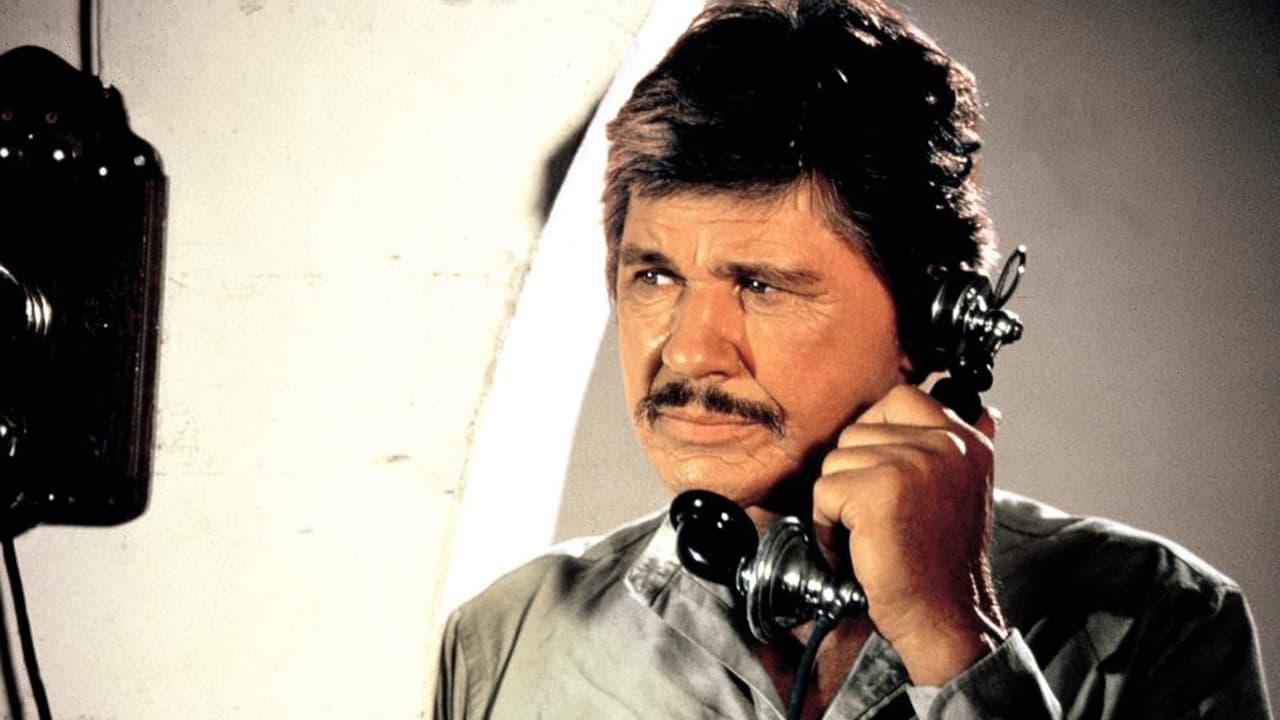
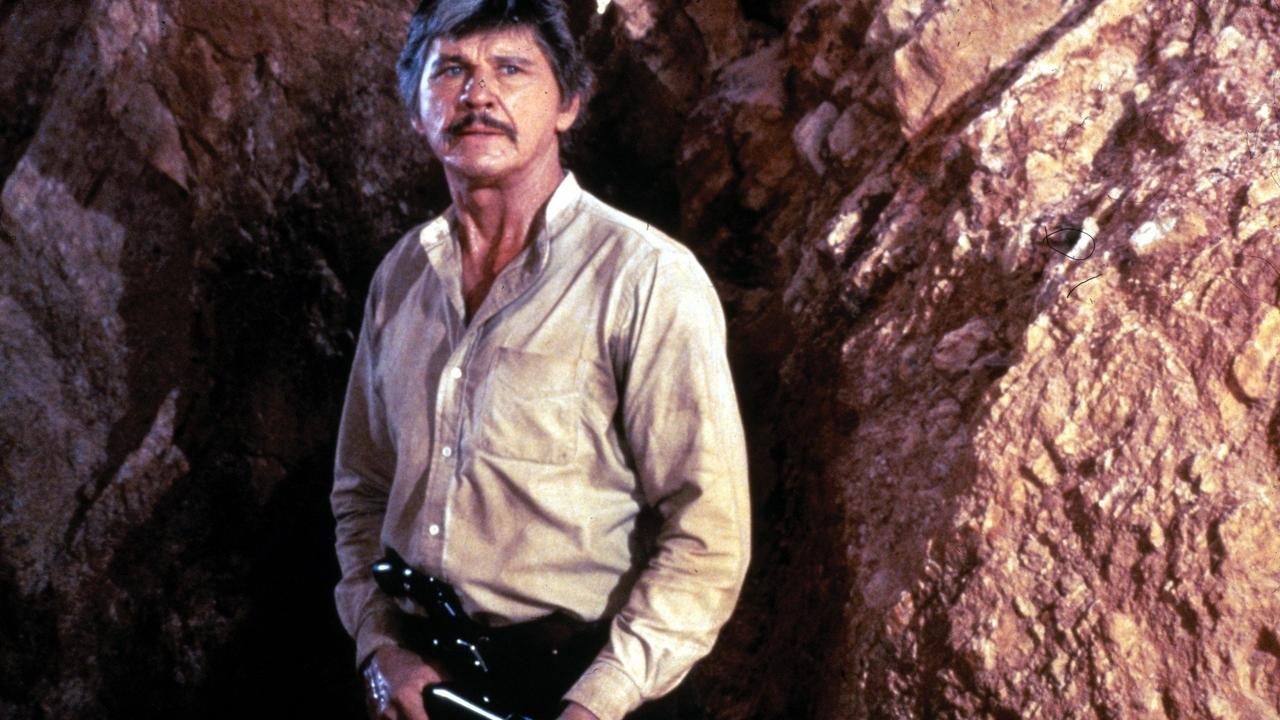
We meet Holland (Charles Bronson), a retired assassin lured back for one last job, living a deceptively tranquil life in the Cayman Islands. The target isn't just another mark; he's Dr. Clement Molloch (Joseph Maher), a torture specialist known simply as "The Doctor," whose sadistic methods serve the political elite of a volatile Latin American nation. Molloch isn't just evil; he embodies a bureaucratic, almost nonchalant cruelty that chills far deeper than any cackling maniac. His atrocities, particularly against journalists and political dissidents, are presented unflinchingly, setting a tone of visceral disgust from the outset. It's this portrait of calculated inhumanity that forces Holland, initially reluctant, to accept the contract brought to him by an old friend seeking justice for a murdered colleague.
Bronson at His Bleakest
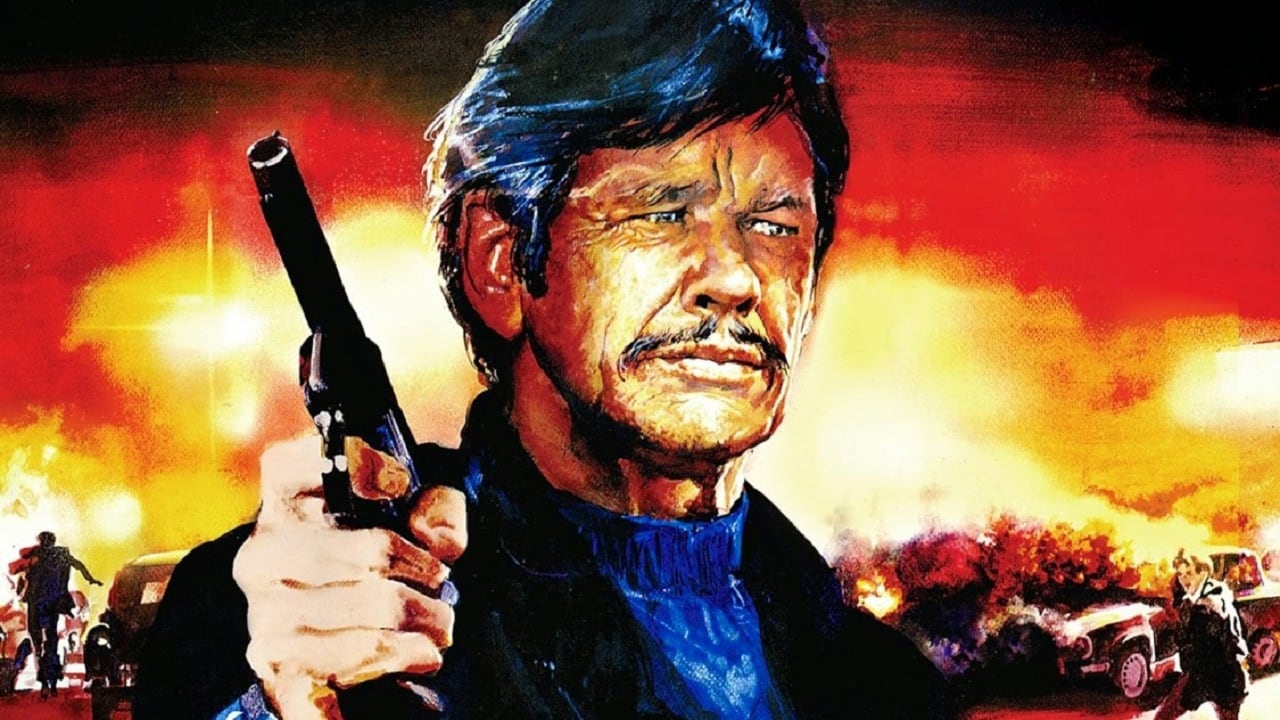
This isn't the crowd-pleasing vigilantism of Paul Kersey from the Death Wish series. Bronson's Holland is colder, more detached – a professional returning to his grim trade. Yet, there's a subtle shift here, nudged along by the presence of Rhiana (Theresa Saldana), the widow of one of Molloch’s victims, and her daughter. They become Holland’s anchor to the human cost of Molloch's work, fueling a quiet fury beneath the professional veneer. Director J. Lee Thompson, a frequent Bronson collaborator (10 to Midnight, Murphy's Law) and a veteran craftsman who gave us classics like The Guns of Navarone (1961) and the original Cape Fear (1962), guides the film with a brutally efficient hand. There’s little stylistic flourish; the focus is squarely on the mounting tension and the grim mechanics of revenge. Thompson knew how to deliver lean, mean thrillers, and this ninth and final collaboration with Bronson feels like a culmination of their shared affinity for dark, violent narratives. Interestingly, the film is based on a novel by R. Lance Hill (published under the pseudonym David Lee Henry), grounding the sometimes outlandish violence in a slightly more structured narrative than some of Bronson's later revenge flicks.
Ugly Business, Unflinching Gaze
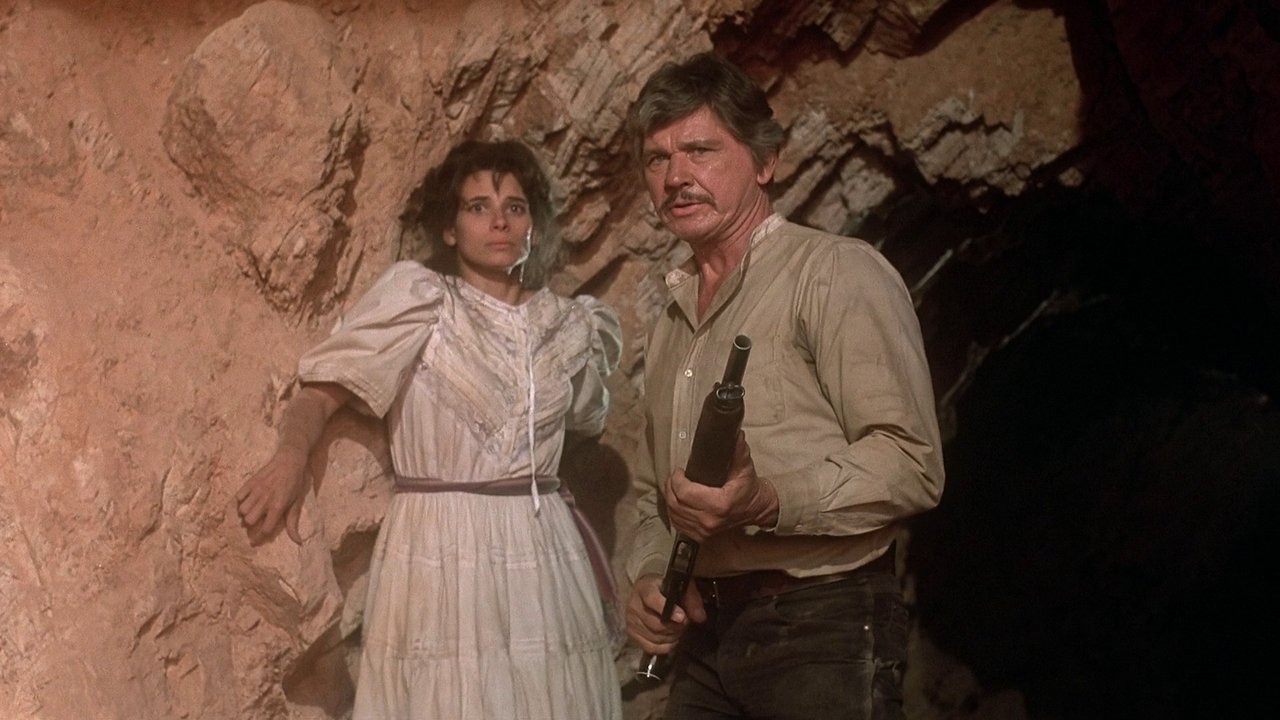
Let's be clear: The Evil That Men Do is often unpleasant. It earned its reputation on the dusty shelves of video stores as one of Bronson's most sadistic outings. The film doesn't shy away from depicting the consequences of Molloch’s torture or the brutal methods Holland employs to draw him out. Remember that scene involving the electrodes? Or the calculated pressure applied to Molloch’s associates? It pushes the boundaries of mainstream action for its time, leaning into a harshness that feels distinctly '80s exploitation but with a slightly grimmer, less cartoonish edge than some contemporaries. Filmed primarily on location in Mexico, the production utilizes the environment effectively – the heat, the poverty, the political instability all contribute to a pervasive sense of unease. Made for a reported $4.6 million, it wasn't a blockbuster budget even then, but Thompson uses it economically, focusing on practical, impactful violence and suspense over large-scale spectacle. The film's marketing knew exactly what it was selling, with taglines like "Most criminals answer to the law. The world's most savage executioner must answer to Bronson."
The Face of Banality
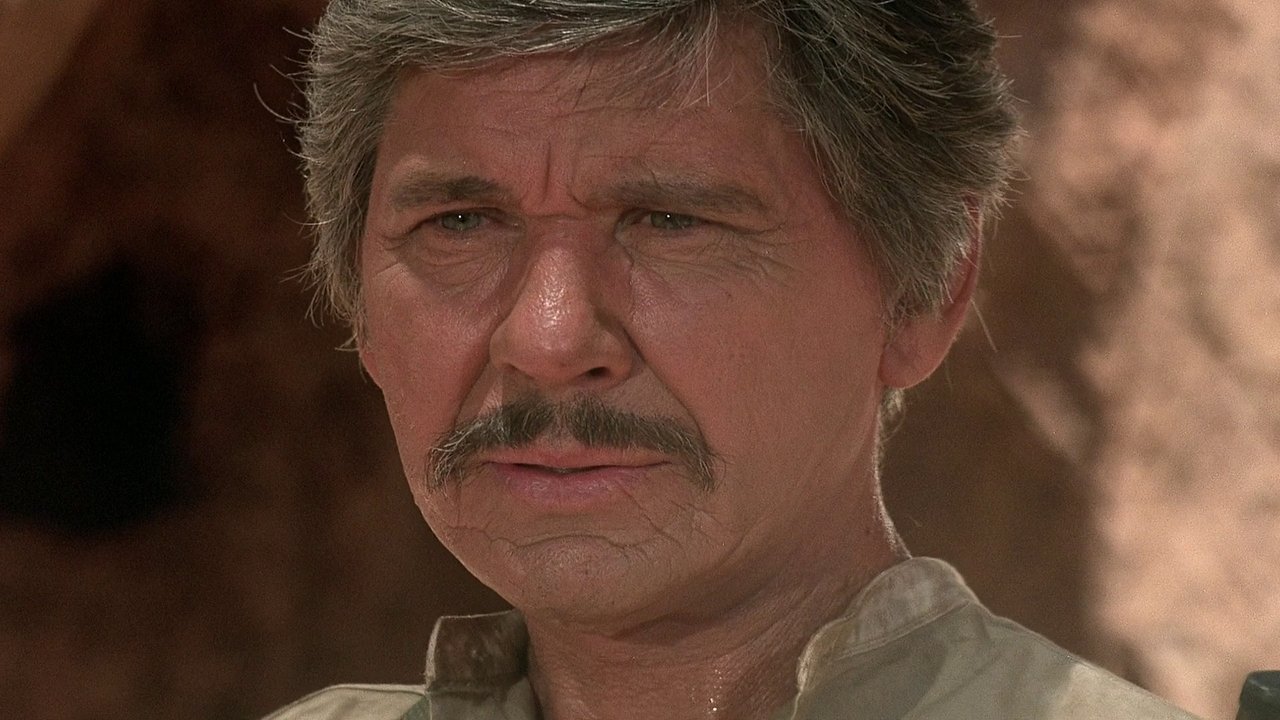
A film like this hinges on its villain, and Joseph Maher delivers a masterclass in understated menace. His Dr. Molloch is terrifying precisely because he isn't a raving lunatic. He’s articulate, intelligent, seemingly refined – performing unspeakable acts with the detached air of a bureaucrat filing paperwork. This banality makes his sadism all the more disturbing. Doesn't that quiet, almost polite evil feel more unnerving than overt monstrousness? Theresa Saldana provides the film's emotional core as Rhiana. Her quest for justice gives Holland’s mission a personal dimension, preventing him from being purely a cold-blooded killer. Her performance carries a quiet strength and vulnerability that anchors the film's grim proceedings.
A Relentless Grind
The atmosphere is thick with sweat and dread, underscored by Ken Thorne's functional, often tense score. It’s not a film concerned with nuance; it’s a relentless revenge procedural set in a world stripped of easy morality. Holland navigates a network of informants, corrupt officials, and terrified locals, each encounter ratcheting up the tension. While some of the plot mechanics might feel familiar to fans of the genre, the execution retains a raw power, largely thanks to Bronson's stoic presence and Maher's chilling villainy. It’s a film that, despite its B-movie roots, sticks with you – maybe not for its artistry, but for its sheer, unblinking grimness. It pulled in around $13 million at the box office, a respectable return indicating that audiences, even if unsettled, were still turning up for Bronson's brand of justice.
---
Rating: 6/10
The Evil That Men Do earns its score through sheer, uncompromising grit. Bronson is reliably solid as the weary professional, Joseph Maher crafts an unforgettably repellent villain, and J. Lee Thompson delivers a lean, mean, and genuinely tense thriller. The atmosphere is thick, and the action, when it comes, is brutal and decisive. However, the film's relentless bleakness and graphic sadism make it a tough, often unpleasant watch, lacking the cathartic release of some other revenge classics. It borders on exploitation cinema, and its single-minded focus on grim retribution leaves little room for depth beyond the immediate conflict.
Final Thought: This tape was pure, uncut 80s harshness – a brutal reminder tucked away on the action shelf that revenge cinema could get truly nasty. It’s not Bronson’s most famous, nor his best, but for sheer, unadulterated grimness, The Evil That Men Do certainly leaves a mark.