Okay, pop that tape in the VCR, maybe hit tracking a couple of times, and settle in. Forget slick, modern action for a night. We’re diving headfirst into the glorious, slightly greasy, and utterly unforgettable world of 1989’s Road House, a film that practically defines late-80s VHS cool. This wasn't just a movie you rented; for many of us, it felt like a rite of passage, discovered on a grainy television screen late at night, whispering its ludicrously awesome premise into existence.
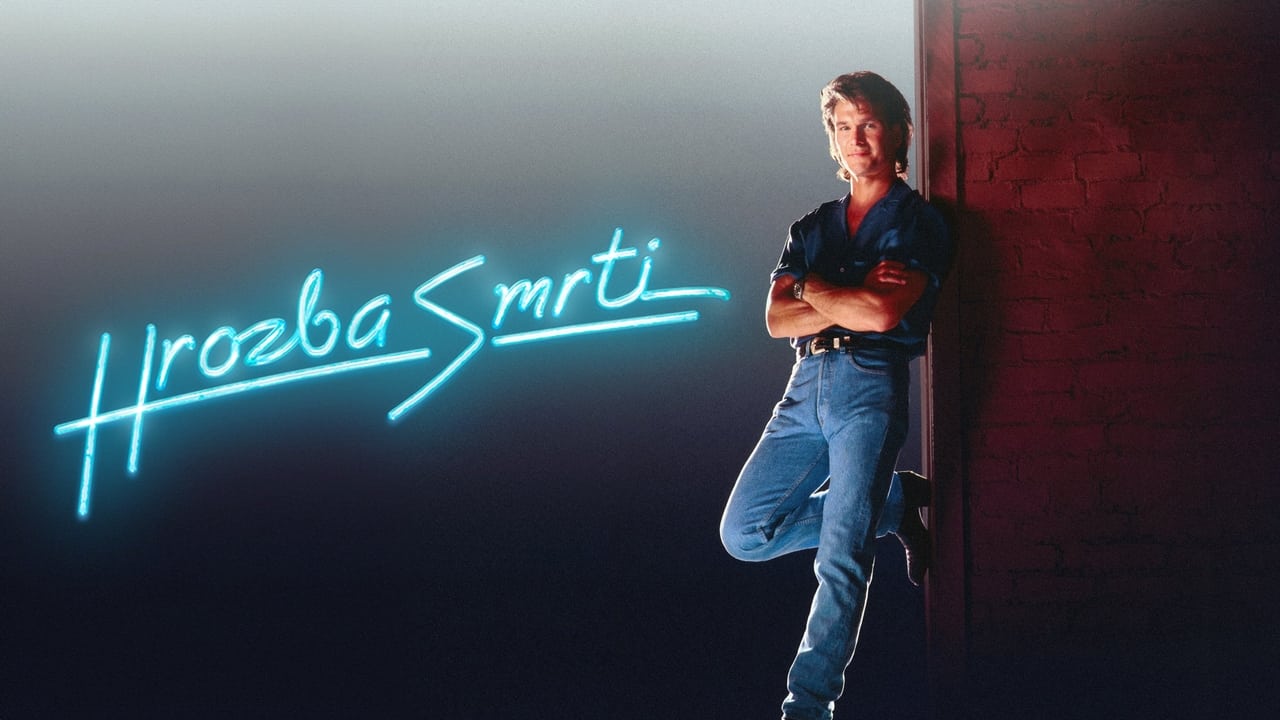
It sounds simple, almost mythical: Dalton (Patrick Swayze), the best "cooler" in the business – a bouncer with a Ph.D. in pain management and a reputation whispered in hushed tones across smoky bars – is hired to clean up the Double Deuce, a rough-and-tumble honky-tonk in Jasper, Missouri. But Jasper isn't just dealing with rowdy patrons; it's practically owned by Brad Wesley (Ben Gazzara), a scenery-chewing local tyrant who bleeds the town dry. What follows is less a straightforward narrative and more a sublime collision of barroom philosophy, surprisingly brutal violence, and Swayze operating at maximum charismatic velocity, fresh off the Dirty Dancing phenomenon but channeling something far more dangerous.
### Zen and the Art of Head-Bashing
Let’s be honest: the plot is pure B-movie pulp, stitched together with dialogue that ranges from surprisingly insightful ("Pain don't hurt") to hilariously macho ("I used to fuck guys like you in prison!"). But dismissing Road House for its script misses the point entirely. Director Rowdy Herrington (who later gave us the Bruce Willis thriller Striking Distance) crafts a world that feels both heightened and strangely grounded. The Double Deuce itself, though actually constructed on a set in California, not Missouri, feels like a real place – sticky floors, stale beer, and the constant threat of a pool cue connecting with someone's skull.
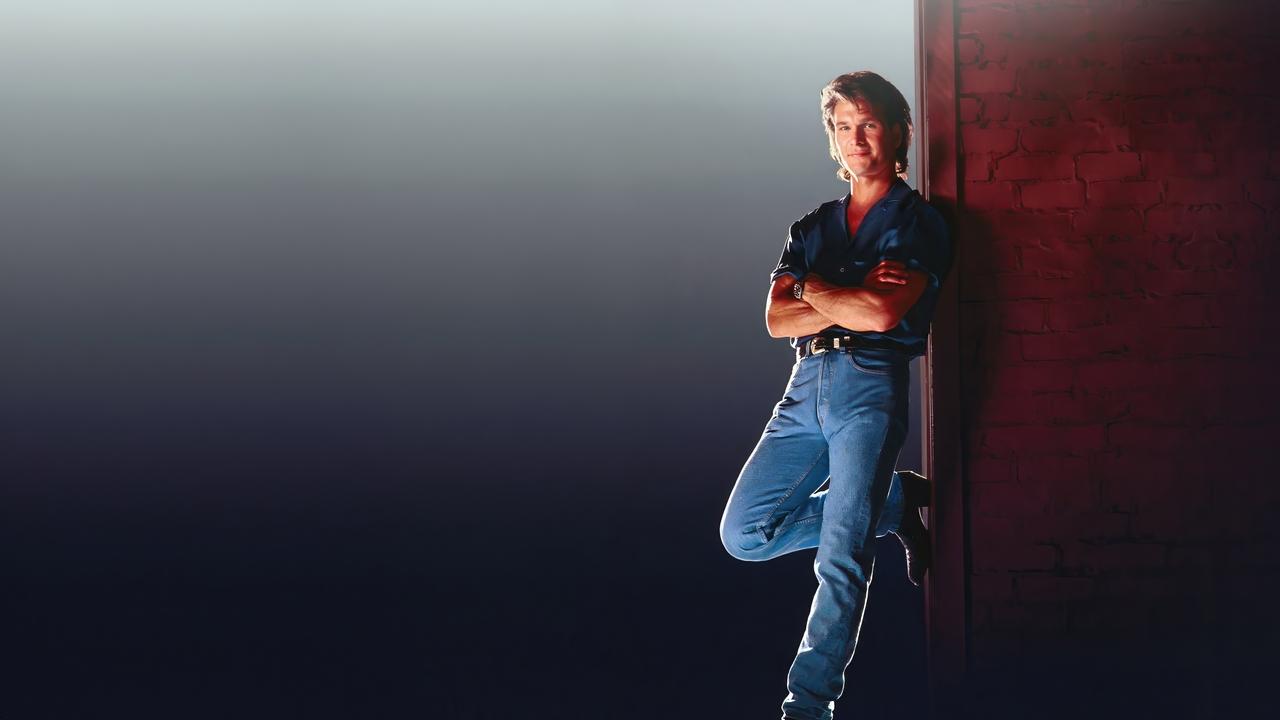
And the action! Oh, the glorious, practical action. This is where Road House truly earns its stripes in the VHS Heaven hall of fame. Forget CGI-assisted acrobatics; these are bone-jarring, messy fights where you feel the impact. When Dalton cleans house, it’s methodical, painful, and utterly believable within the film's slightly nuts reality. Remember how real those punches and body slams looked? Stunt coordinator Benny "The Jet" Urquidez, a real-life kickboxing champion, helped ensure the fights had a raw, impactful quality. Swayze, ever the physical performer drawing on his dance background, threw himself into the role, performing many of his own stunts and giving Dalton a dancer’s grace mixed with a brawler’s ferocity. There’s a weight and consequence to the violence here that often feels missing in today's smoother, more polished action sequences.
### More Than Just Swayze
While Swayze is the undeniable anchor, radiating a quiet intensity that makes even the silliest lines land, the supporting cast is pitch-perfect. Kelly Lynch as Dr. Elizabeth "Doc" Clay brings intelligence and resilience to a role that could easily have been just "the girlfriend." She has genuine chemistry with Swayze, even if their romance involves patching up knife wounds by a picturesque lake.
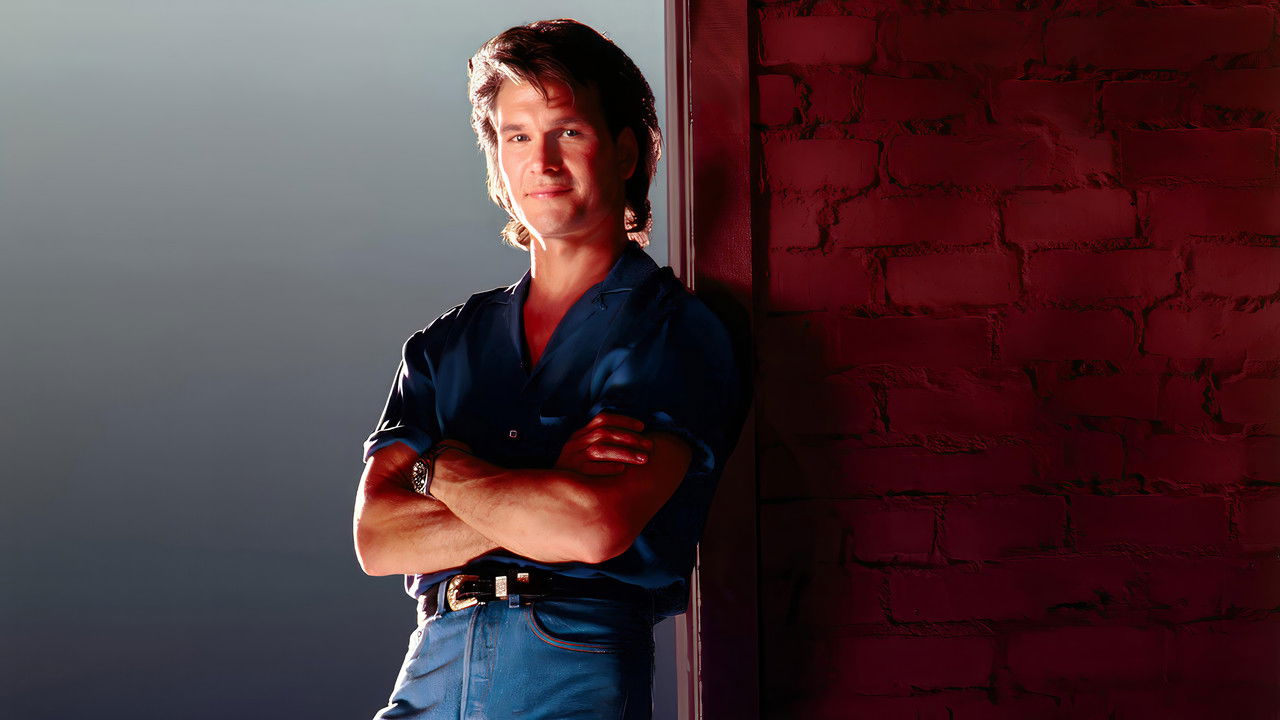
And then there’s Sam Elliott as Wade Garrett, Dalton’s mentor and fellow cooler legend. Elliott strolls in, mustache game strong, radiating effortless cool and stealing every scene he’s in. His rapport with Swayze feels genuine, adding a surprising layer of heart to the proceedings. Fun fact: Elliott's role was apparently beefed up considerably after filmmakers saw the incredible chemistry between him and Swayze during early filming. It’s hard to imagine the movie without Wade Garrett swaggering through, offering grizzled advice and backup.
Even the villains chew the scenery with appropriate gusto. Ben Gazzara plays Brad Wesley not as a nuanced antagonist, but as a force of cartoonish small-town evil, driving his monster truck over car dealerships (a stunt achieved with practical effects and reportedly costing a pretty penny) and generally terrorizing everyone with glee. It perfectly fits the film's slightly over-the-top tone. And who could forget the various henchmen, each seemingly waiting their turn to get systematically dismantled by Dalton?
### Sounds of the Double Deuce
We can't talk Road House without mentioning the music, particularly the electrifying presence of The Jeff Healey Band as the house band. Healey, a phenomenal blind guitarist with a unique playing style, provides the film’s pounding blues-rock soundtrack live from the Double Deuce stage. It wasn't just background music; it was part of the bar's very soul, adding incredible atmosphere and energy to the scenes. Their performances feel authentic, grounding the wilder elements of the plot in a tangible, auditory reality.
### Legacy of Pain (and Profit)
Upon release, Road House wasn't exactly a critical darling. Many reviewers scoffed at its macho posturing and thin plot. It pulled in a respectable $30 million at the US box office against a $15 million budget, but its real success story unfolded on home video and cable. This was prime VHS rental fodder, the kind of movie passed between friends with a knowing grin. Its quotable lines entered the lexicon, and its blend of action, philosophy, and Swayze's sheer star power cemented its cult classic status. (Spoiler Alert!) Even the infamous "throat rip" scene – achieved with clever prosthetics and camera angles – became a legendary moment of outlandish 80s movie violence, pushing the boundaries of what mainstream action films showed.
It spawned a direct-to-video sequel years later (Road House 2: Last Call in 2006) which, frankly, is best left forgotten, and talks of remakes have swirled for years, highlighting the original's enduring appeal.
***
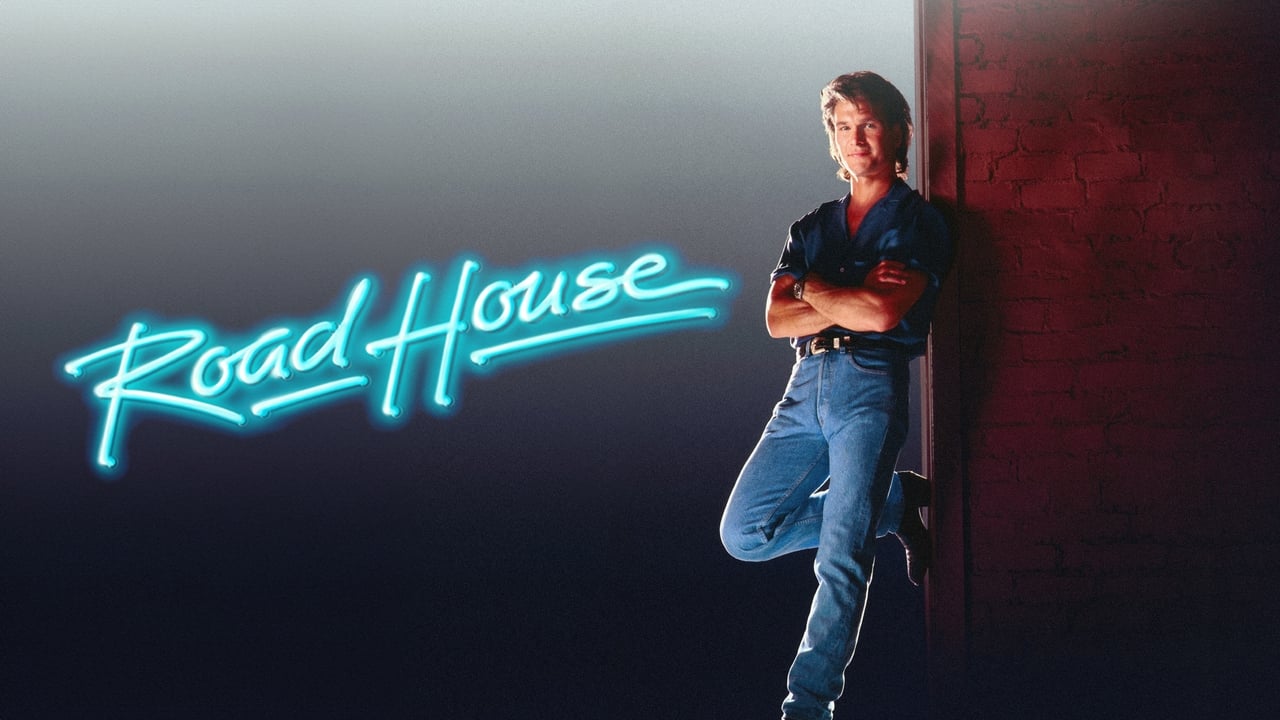
VHS Heaven Rating: 8/10
Justification: While undeniably cheesy in parts and sporting some plot holes you could drive Wesley's monster truck through, Road House delivers exactly what it promises: hard-hitting practical action, an iconic performance from Patrick Swayze, legendary support from Sam Elliott, killer tunes, and endlessly quotable lines. It's elevated B-movie making, carried by charisma and sheer conviction. The initial critical snub only adds to its cult charm; this was a film embraced by audiences who knew a good time when they saw it, especially on a well-worn VHS tape.
Final Thought: Road House remains a glorious monument to a specific brand of 80s action filmmaking – earnest, brutal, slightly philosophical, and utterly unashamed of what it is. It’s the kind of movie where pain might not hurt Dalton, but watching those bar fights still feels thrillingly real, a tangible blast from the past before pixels took over the punch-ups. Be nice... and press play.