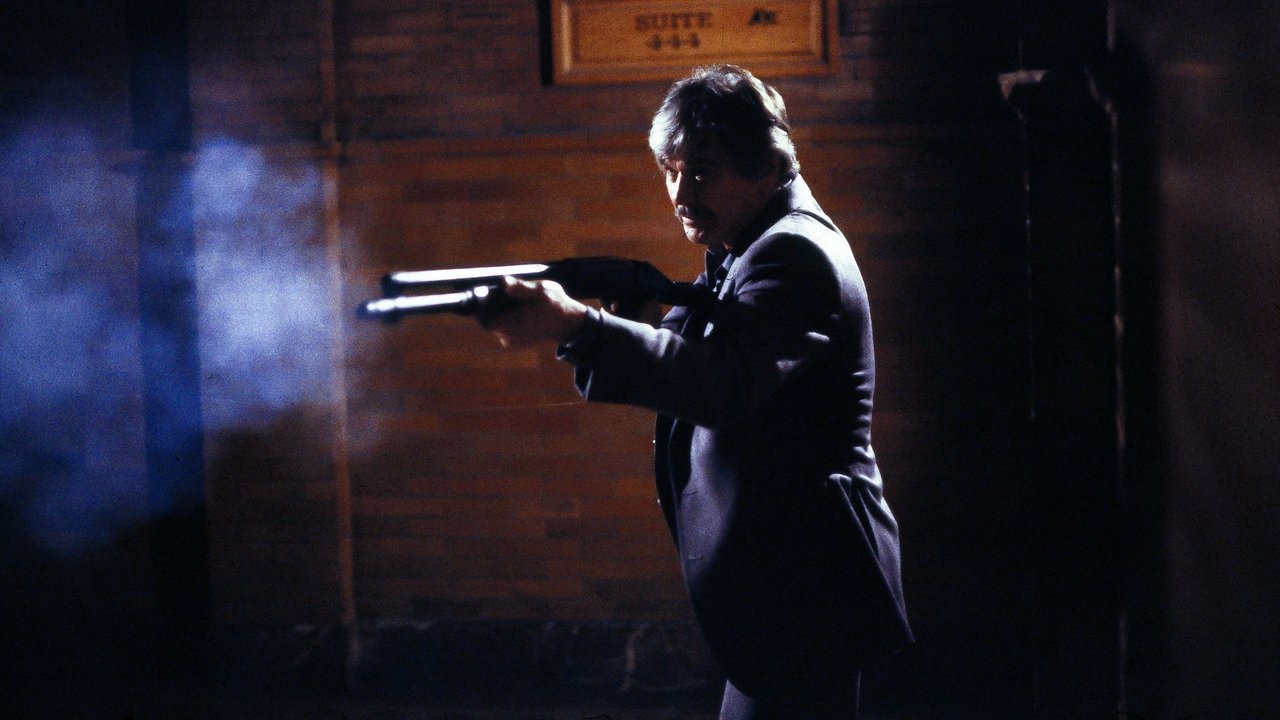
"Anything that can go wrong, will go wrong." It's more than just a pessimistic adage; for Detective Jack Murphy, it’s the grim operating principle of his existence, splashed across the screen in 1986’s Murphy’s Law. Forget comforting procedural formulas. This slice of mid-80s Cannon Films grit, directed by the prolific J. Lee Thompson, throws its protagonist – and the viewer – headfirst into a waking nightmare where the system designed to protect him becomes the very cage snapping shut.
### Framed and Forgotten
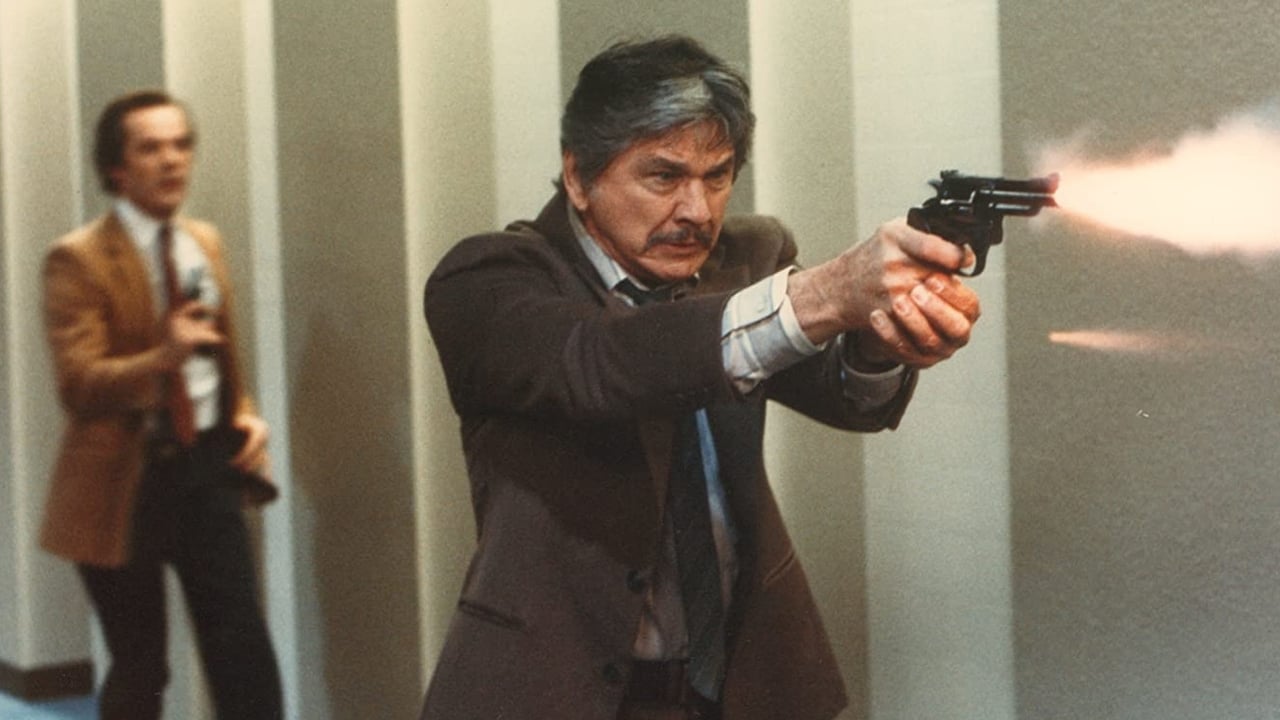
We meet Jack Murphy (Charles Bronson) already submerged in weary cynicism. He’s a hard-drinking LAPD detective whose personal life is a wreck, haunted by his ex-wife's (Carrie Snodgress) new life and alienated from just about everyone. Bronson, already a granite icon of cinematic vengeance thanks to the Death Wish series, embodies Murphy not just as tough, but as tired, almost broken before the real trouble starts. Then, the dominoes fall with brutal efficiency: his ex-wife and her new husband are murdered, and Murphy finds himself framed, the prime suspect in a case handled by colleagues who barely tolerate him. It’s a setup dripping with paranoia, that classic noir feeling transplanted into the sun-bleached decay of 80s Los Angeles. The film wastes little time plunging Murphy into the depths, stripping away his badge, his gun, and his freedom.
### The Unlikely Duo
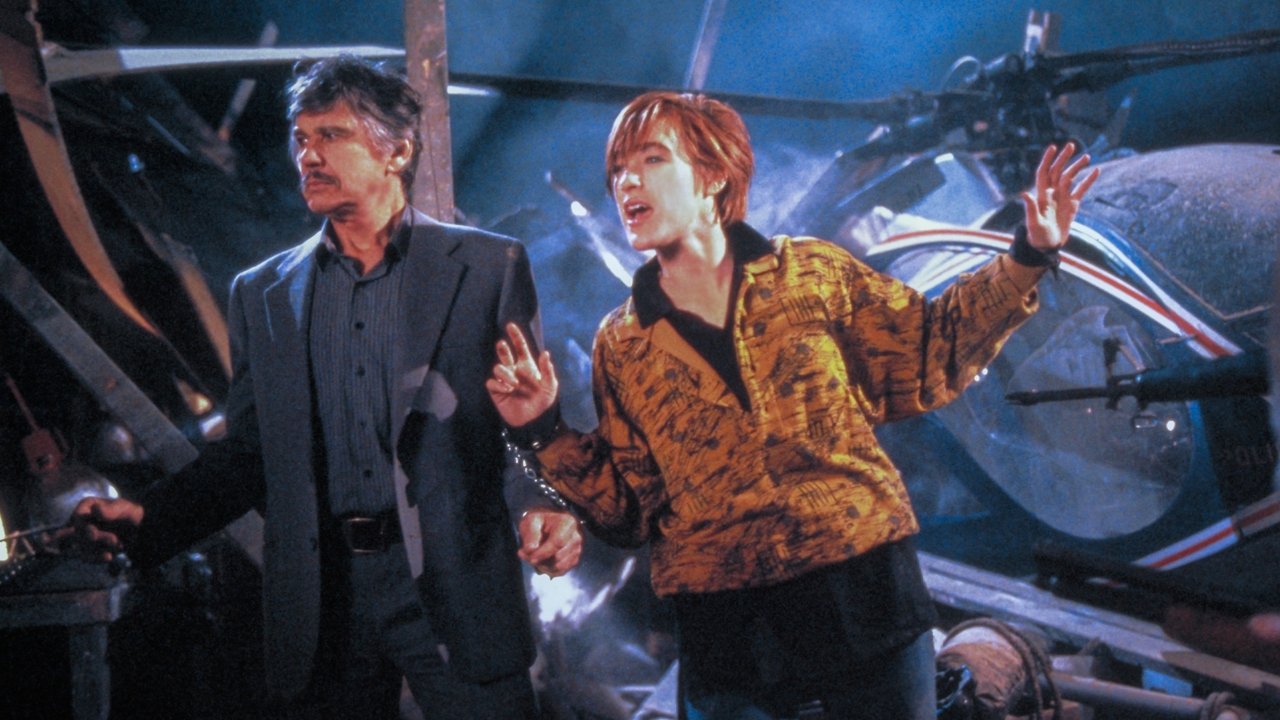
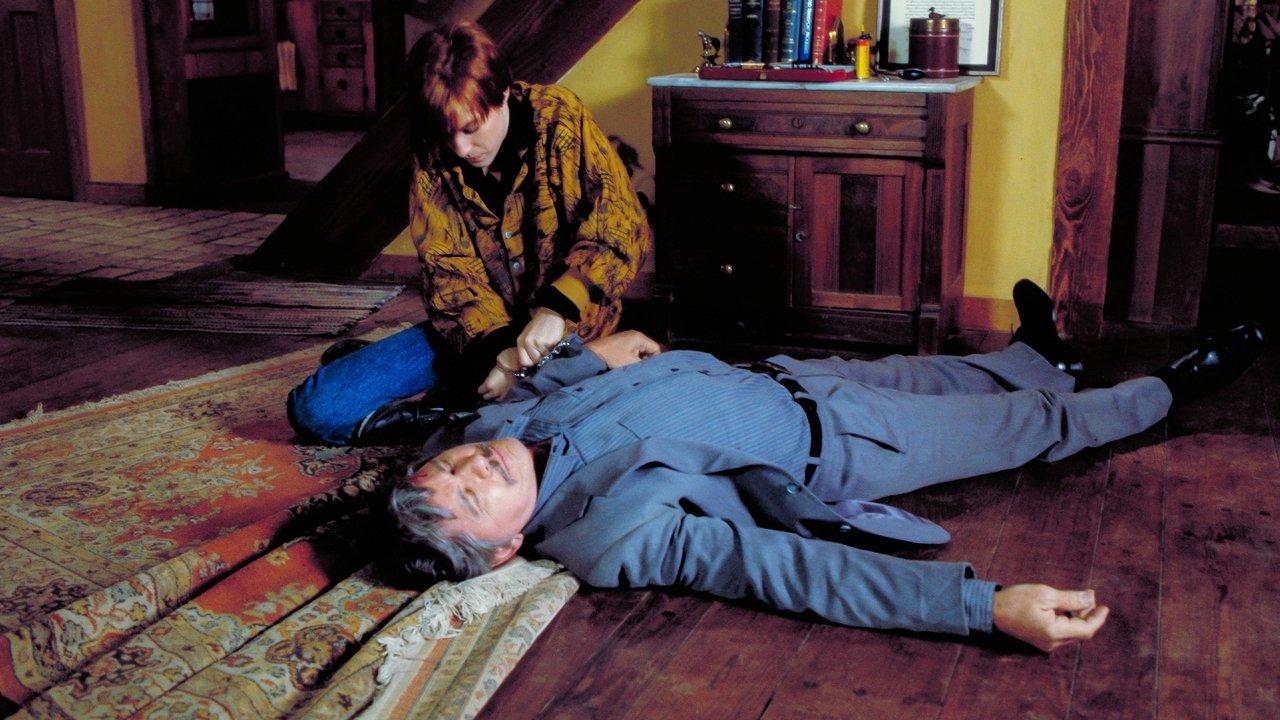
Escape seems impossible, until Murphy finds himself literally chained to salvation – or at least, a loud-mouthed, perpetually insulting petty thief named Arabella McGee (Kathleen Wilhoite). Handcuffed together during a prison transfer gone wrong, they become the era's most mismatched pair on the run. Wilhoite is a firecracker, a whirlwind of frantic energy and unbelievably creative profanity that bounces off Bronson's legendary stoicism like sparks off stone. Their dynamic is the unexpected heart of the film. It shouldn't work – the grizzled, monosyllabic cop and the punk caricature – but somehow, it does. Wilhoite, in a role that definitely got her noticed (you might remember her later from Road House or even ER), injects a necessary vitality, preventing the film from sinking entirely under the weight of Murphy's relentless misery. Their bickering provides the film's only real levity, dark and cynical though it often is.
### Thompson's Gritty Canvas
Director J. Lee Thompson was no stranger to action or working with Bronson; this was, remarkably, their sixth collaboration out of nine (following films like 10 to Midnight (1983) and preceding Death Wish 4: The Crackdown (1987)). Thompson, who decades earlier gave us classics like The Guns of Navarone (1961) and the original Cape Fear (1962), knew how to stage lean, effective action sequences on the tighter budgets characteristic of Cannon productions. Murphy's Law, reportedly made for around $10 million, showcases this workmanlike efficiency. The chases feel grounded, the violence sudden and unglamorous. There's a tangible sense of desperation in the action, particularly the sequences involving the handcuff gimmick. Thompson uses the sprawling, often grimy Los Angeles locations to great effect, creating a backdrop that feels authentically hostile. The film isn't flashy, but it possesses a certain brutalist charm common to Cannon's output – function over form, grit over gloss.
### Retro Fun Facts & The Cannon Touch
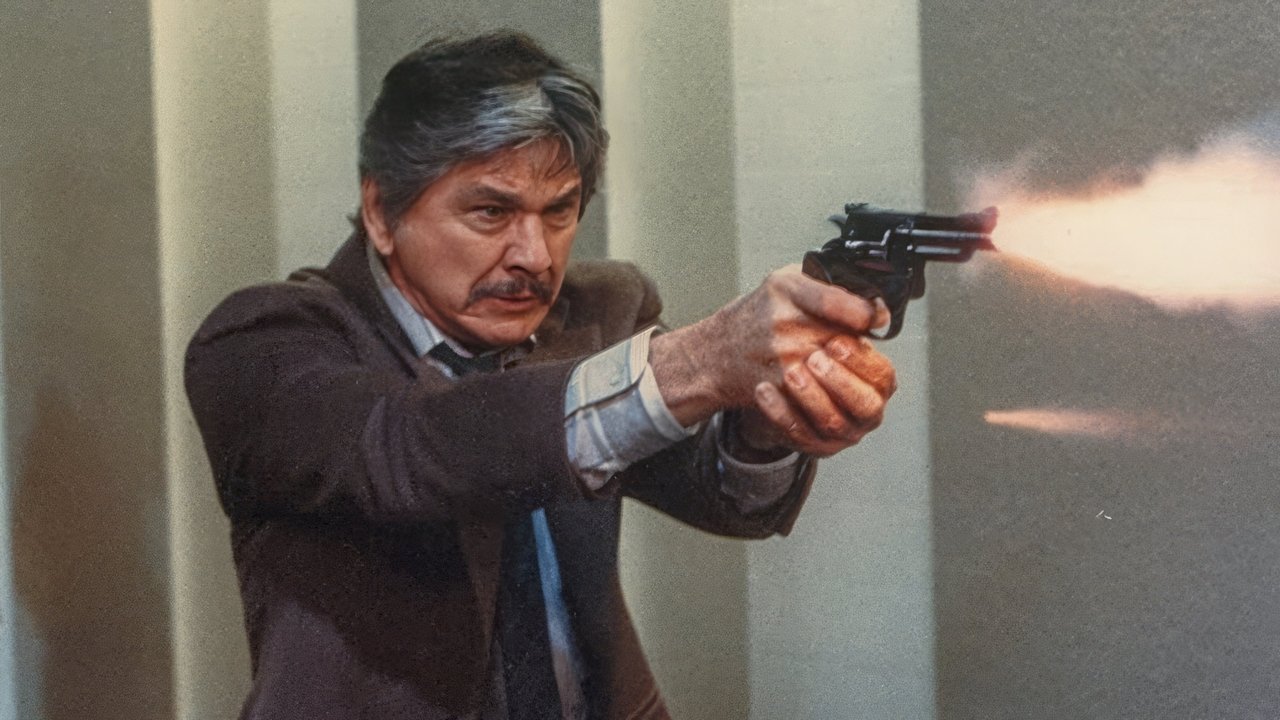
The script, penned by Gail Morgan Hickman (who would also write Death Wish 4), taps into that familiar 80s trope: the lone, wronged man against a corrupt system or a shadowy conspiracy. It's a narrative playground Cannon Films practically owned during the decade. While Murphy's Law didn't exactly set the box office alight (grossing just under its budget domestically, making it a bit of a commercial disappointment), it found its audience, like so many Cannon films, on home video. I distinctly remember the stark cover art staring out from the rental shelves, promising straightforward Bronson action. The film delivers on that promise, even if the plot mechanics creak a little under scrutiny. The central villain's motivation feels somewhat underdeveloped, a convenient catalyst for Murphy's ordeal rather than a truly compelling antagonist. But let's be honest, we weren't renting this for intricate plotting; we were renting it for Bronson doing what Bronson did best. Doesn't that core image – Bronson, handcuffed to Wilhoite, blasting away baddies – still feel perfectly, uniquely 80s?
### Legacy of Lawlessness
Murphy's Law isn't peak Bronson, nor is it peak Thompson. It lacks the iconic status of Death Wish or the suspense of Cape Fear. Yet, it remains a solidly entertaining piece of 80s action filmmaking. It’s a film that understands its star's persona and builds a relentless, if sometimes predictable, gauntlet for him to run. The addition of Wilhoite elevates it beyond a mere Bronson vehicle, creating memorable chemistry that powers the film through its rougher patches. Watching it today evokes that specific feeling of discovering a reliable action flick on VHS – maybe not a masterpiece, but a satisfyingly gritty way to spend 100 minutes, feeling the hum of the VCR and the glow of the CRT. It's a testament to a certain kind of straightforward, unpretentious action movie that feels increasingly rare.
VHS Heaven Rating: 6/10
Justification: The score reflects a film that delivers on its core premise of a gritty Bronson action-thriller with a decent central dynamic (Bronson/Wilhoite). However, it's held back by a somewhat formulaic plot, a weak central villain, and the general limitations of its mid-budget Cannon origins. It’s entertaining and effectively captures its era, but doesn't quite reach the heights of the genre's best.
Final Thought: While everything might go wrong for Jack Murphy, renting Murphy's Law back in the day rarely felt like a mistake – a dependable slice of Bronson grit, perfectly paired with microwave popcorn and a late night.