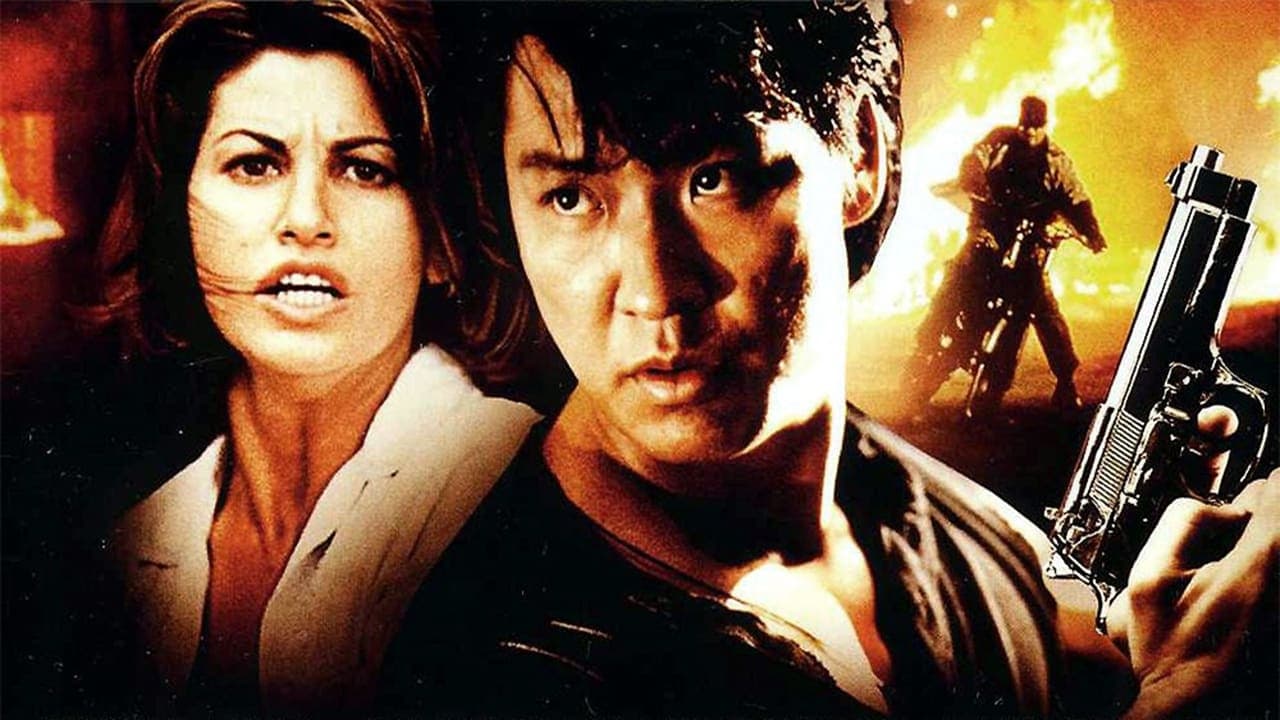
Okay, settle in, fellow tapeheads. Remember trawling the action aisle, maybe grabbing something familiar, maybe taking a chance? Sometimes you stumbled onto a sequel that felt... different. That's exactly the vibe hitting play on Best of the Best 3: No Turning Back (1995). Forget the glossy international arenas and team dynamics of the first two. This one throws you headfirst into a grimy, small-town powder keg, and it’s clear from the jump that star Phillip Rhee wasn't just back for another round – he was taking the wheel, steering the series into much darker, rougher territory.
### From Tournament Glory to Small Town Grit
This isn't your older brother's Best of the Best. Rhee, stepping up not just as lead Tommy Lee but also as director and co-writer, shifts the focus dramatically. Tommy rolls into the sleepy town of Liberty (ironic name, right?) to visit his sister, only to find it choked by a virulent white supremacist group led by the chillingly charismatic Preacher Brian (Christopher McDonald, absolutely relishing the villain role years before Happy Gilmore cemented his iconic jerk status). This isn't about trophies; it's about survival, about protecting family, and about confronting ugly hatred head-on. It’s a jarring shift, trading the disciplined world of Taekwondo tournaments for brutal street fights, tense standoffs, and surprisingly heavy themes.
You have to admire the sheer gumption here. Phillip Rhee, already the heart of the franchise, essentially wills this third entry into existence, taking on directing and writing duties. It’s a passion project feel, for sure. You can almost imagine him thinking, "Okay, we did the sports drama, now let's get real." This ambition likely bumped up against budget realities. Reportedly made for around $5 million (a respectable sum then, maybe $10 million today, but still modest for explosive action), it feels leaner and meaner than its predecessors, relying less on spectacle and more on visceral impact. Its path led primarily through the thriving direct-to-video market of the mid-90s, making it a prime candidate for that "hidden gem" discovery late on a Friday night.
### Ground-Level Action, Heavy Themes
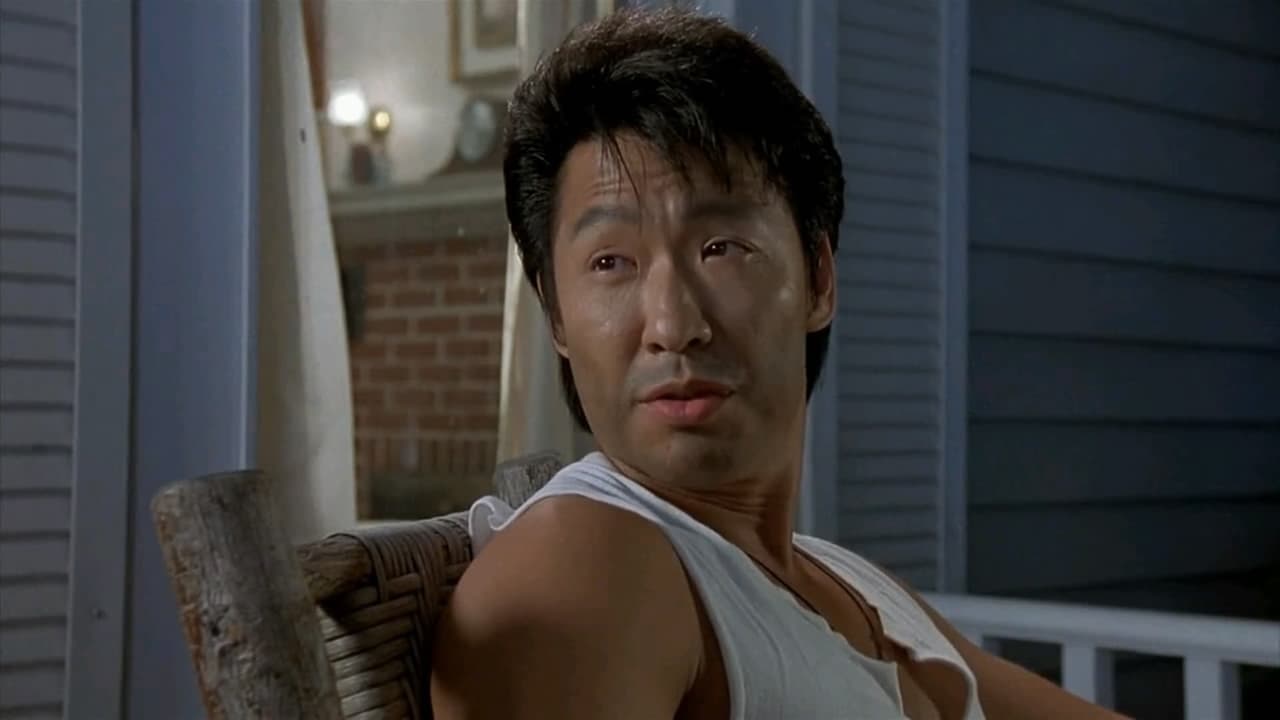
The action here feels distinctly different. Rhee, a genuine martial arts master, ensures the hand-to-hand combat is crisp and impactful, but it’s less balletic, more desperate. Fights break out in diners, churches, and dusty streets. They feel grounded, painful. Remember how real those bullet squibs looked back then, before digital blood spray became the norm? This movie leans into that practical grit. There are shootouts, car chases ending in satisfying crunches of metal, and even a pretty hefty explosion or two – all feeling tangible, weighty, like real stunt performers were putting themselves on the line. It lacks the polish of bigger-budget contemporaries, maybe, but there's an undeniable rawness that hits differently watching it now compared to today's often smoother, more digitized mayhem.
Rhee wisely surrounds himself with a solid supporting cast. Ernie Hudson (Ghostbusters, The Crow), brings his usual grounded warmth and gravitas as Pastor Luther, a local figurehead trying to hold the community together. Gina Gershon, fresh off the divisive Showgirls, plays Margo, the concerned schoolteacher and potential love interest, adding a touch of weary humanity. And Mark Rolston (Aliens, Lethal Weapon 2) adds tough-guy credibility as the conflicted Sheriff trying to maintain order. But let's be honest, the show belongs to Rhee facing off against Christopher McDonald. McDonald crafts a truly despicable villain, delivering his hateful rhetoric with a smug certainty that makes your skin crawl. It's a performance that reminds you how good he is at playing characters you love to hate. A fun bit of trivia: McDonald was apparently drawn to the script's willingness to tackle racism directly, seeing it as more than just a standard action flick.
### A Bold, If Sometimes Uneven, Swing
Now, tackling systemic racism in a mid-90s direct-to-video martial arts sequel? That's a bold move. Does it handle these themes with perfect nuance? Maybe not always. The script, co-written by Rhee and Deborah Scott (who'd later win an Oscar for Titanic's costumes!), sometimes veers into territory that feels a little on-the-nose by today's standards. The villains can feel like archetypes of hate rather than fully fleshed-out characters. Yet, there's an undeniable sincerity to the effort. In an era where action films often kept social commentary shallow, Best of the Best 3 dives right into the muck. It doesn’t shy away from the ugliness, and Rhee’s Tommy Lee becomes a reluctant, but resolute, force against prejudice. You get the sense Rhee really wanted to say something with this film, beyond just delivering kicks and punches. The location work, mostly around the LA area standing in for the fictional "Liberty," adds to the slightly dusty, isolated feel, enhancing the sense of a community under siege.
The direction by Rhee is competent, focusing on clarity in the action sequences and leveraging the tension of the premise. It doesn't have the visual flair of, say, a John Woo picture from the same era, but it gets the job done effectively, keeping the pace moving and the stakes feeling personal. The score adds to the brooding atmosphere, emphasizing the danger rather than the heroism found in earlier installments.
### Final Judgment
Best of the Best 3: No Turning Back is a fascinating anomaly in a franchise known primarily for its sports-drama roots. It's darker, grittier, more violent, and surprisingly ambitious in its thematic reach, even if the execution occasionally falters. It’s the kind of movie that likely surprised fans back in the day – a jarring, R-rated turn focused on social issues wrapped in practical, hard-hitting 90s action.
Rating: 6/10
Justification: The score reflects the film's commendable ambition and Phillip Rhee's clear passion in taking the series in a bold new direction, bolstered by solid practical action and a great villain turn from Christopher McDonald. However, it's held back slightly by a script that sometimes handles its heavy themes bluntly and production values that occasionally betray its likely modest budget compared to mainstream action fare of the time. It doesn't quite reach the emotional highs of the first film or the slickness of the second, but its earnestness and gritty shift earn it points.
Final Thought: This wasn't the Best of the Best many expected, but its raw, socially conscious, fist-meets-face approach makes it a compellingly different kind of 90s action artifact – a surprisingly potent chaser found deeper down the VHS shelf.