Alright, pop that tape in the VCR, ignore the tracking lines for a second, and turn up the volume. We're diving headfirst into a world drenched in neon, rain, and rock 'n' roll rebellion: Walter Hill's audacious 1984 spectacle, Streets of Fire. Forget realism; this flick proudly proclaims itself "A Rock & Roll Fable," existing somewhere between a gritty urban western, a comic book splash page, and a full-blown music video marathon. And you know what? It absolutely works.
### Another Time, Another Place... All Style
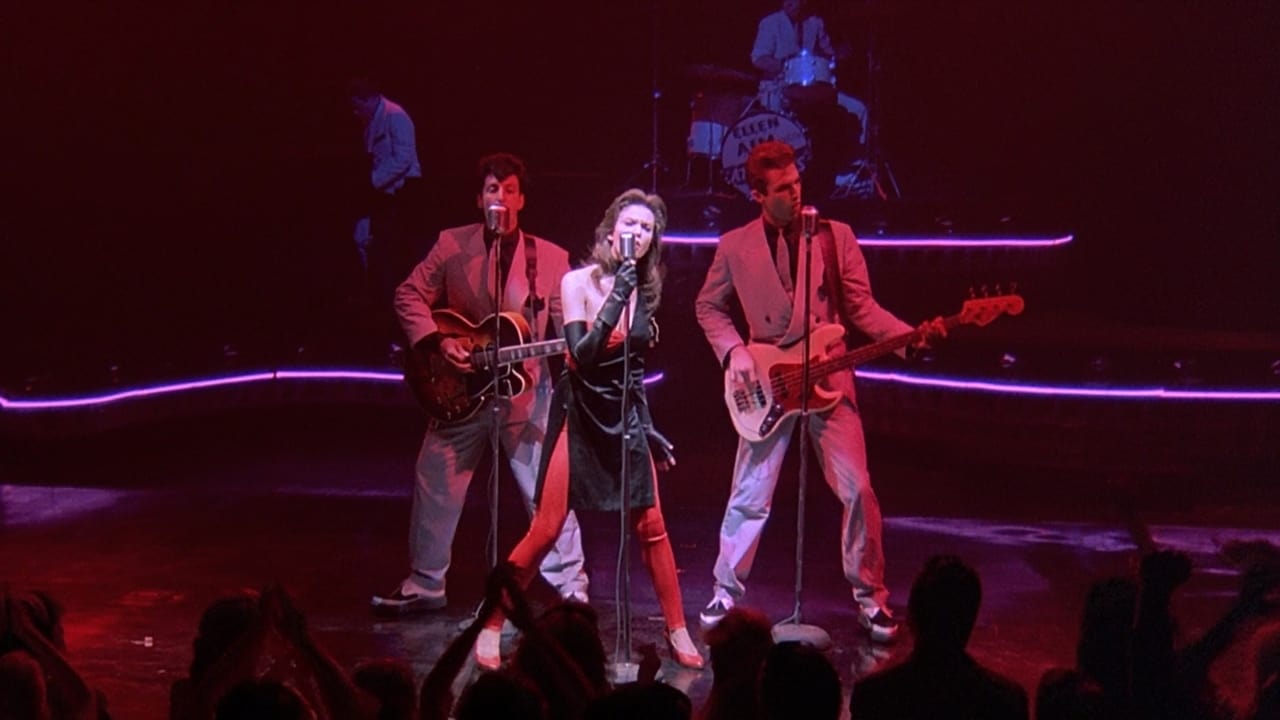
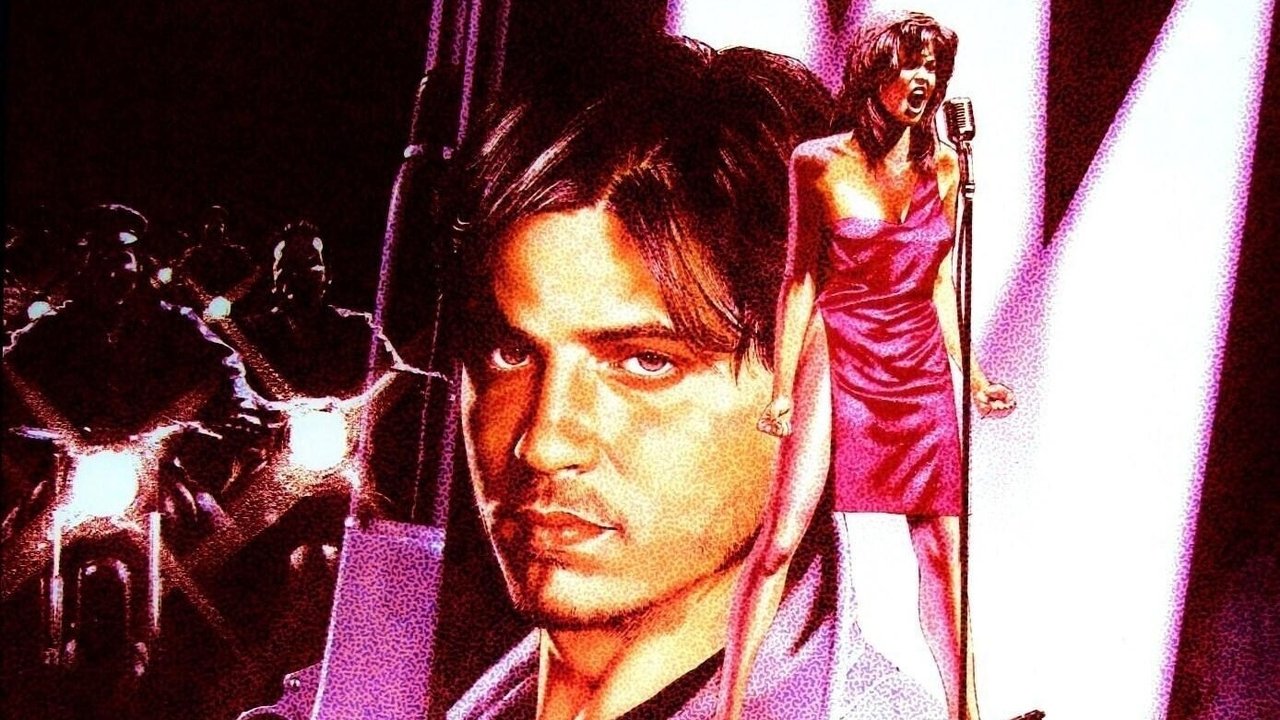
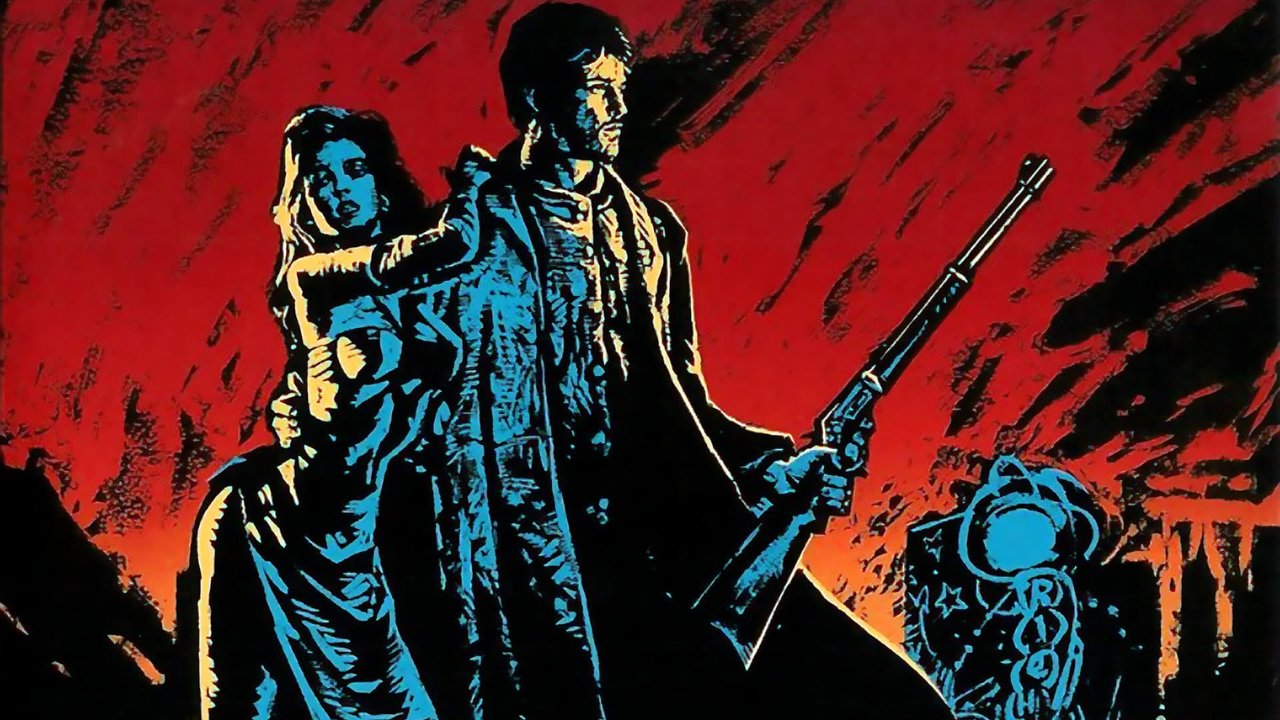
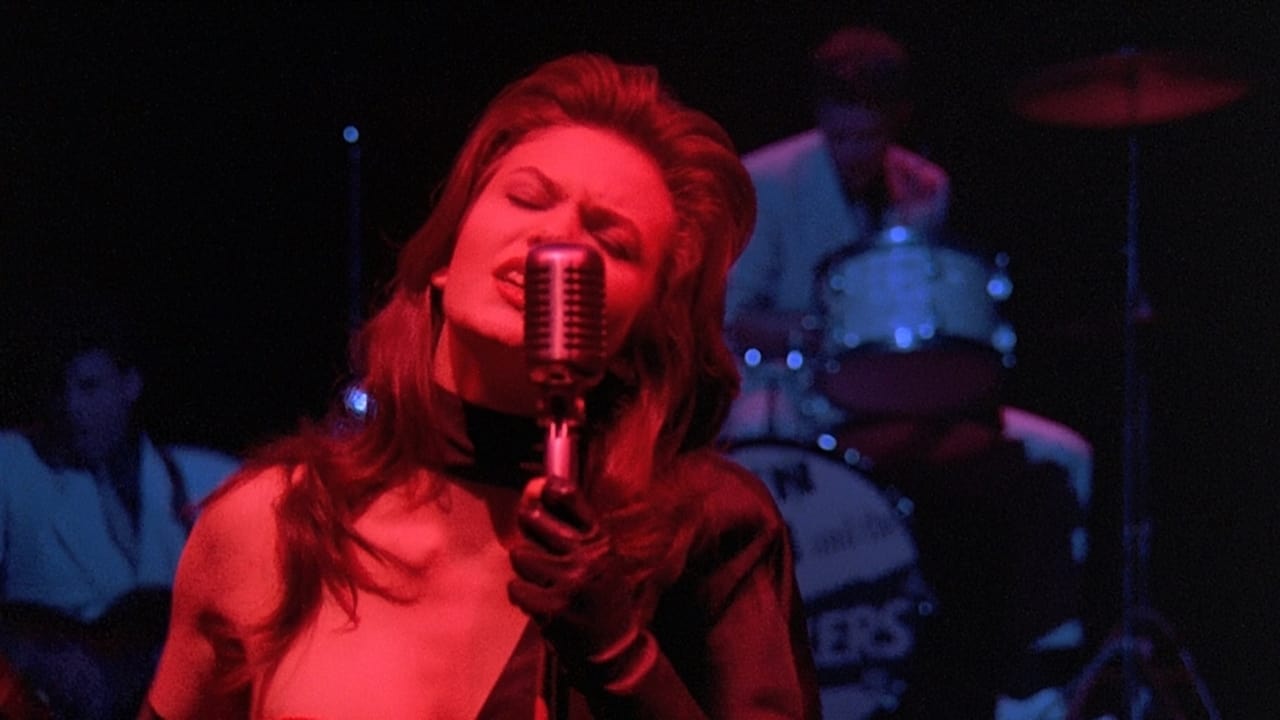
From the opening moments, as Ellen Aim (Diane Lane, radiating pure rock star charisma) belts out "Nowhere Fast" on stage before being snatched by the menacing Bombers biker gang, led by the unforgettable Raven Shaddock (Willem Dafoe in peak unsettling form), you know you're not in Kansas anymore. Hill, who gave us the lean, mean The Warriors (1979), crafts a unique universe here. It feels like the 1950s collided head-on with the 1980s – classic cars rumble down perpetually wet streets bathed in the lurid glow of neon signs, while the soundtrack pulses with pure, unadulterated Jim Steinman power-ballad energy (yes, the man behind Meat Loaf's Bat Out of Hell). It’s a visual and sonic feast, a heightened reality that felt utterly unique when flickering across our tube TVs back in the day. I distinctly remember renting this one purely based on the explosive cover art, and the film delivered exactly that heightened promise.
### Real Steel, Real Sweat
Let's talk action, because Streets of Fire delivers it with a raw, tangible punch that feels worlds away from today's pixel-perfect set pieces. When Ellen's ex-boyfriend, the strong-silent mercenary Tom Cody (Michael Paré, embodying the stoic hero archetype), rolls back into town to rescue her, urged on by his sister Reva (Deborah Van Valkenburgh) and Ellen’s fast-talking manager Billy Fish (Rick Moranis, surprisingly tough beneath the comedic persona), the fuse is lit. The brawls feel heavy and impactful. Remember how real those punches and body slams looked before intricate choreography and CGI assists became the norm? This was flesh-and-blood stunt work, often performed right there on the meticulously crafted studio backlots designed by John Vallone.
And the climax? That sledgehammer duel between Cody and Raven? Forget fancy swordplay. This was brutal, primal, and felt genuinely dangerous. Two guys, two heavy tools, swinging for the fences under the glare of elevated train sparks. It’s a perfect example of Hill's knack for staging grounded, yet visually striking, confrontations. Even the motorcycle scenes, with hordes of Bombers swarming the streets, relied on expert coordination and skilled riders, not digital duplication. That tactile sense of danger, of real metal and fire, is something you just felt more intensely on VHS.
### Sounds Like Teen Spirit (If It Was Written by Steinman)
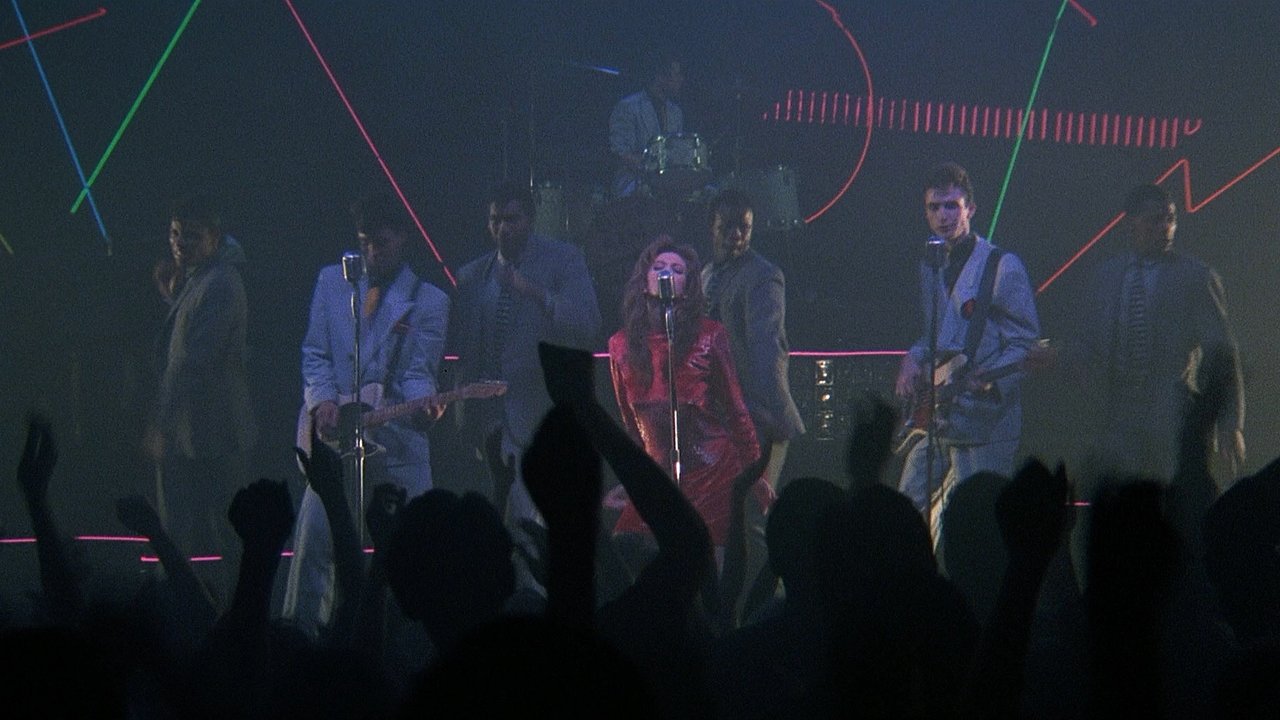
You can't discuss Streets of Fire without bowing down to its incredible soundtrack. While Ry Cooder provides the atmospheric, slide-guitar-driven score that grounds the film's moody moments, the big songs are pure explosive energy. Though Diane Lane lip-synced flawlessly, the powerful vocals for Ellen Aim were provided by Laurie Sargent (for "Nowhere Fast" and "Sorcerer") and Holly Sherwood (for "Tonight Is What It Means to Be Young"). These anthems, penned by Jim Steinman, aren't just background music; they are the film's operatic soul. They drive the narrative, express the characters' emotions, and frankly, they still absolutely slap. The closing number, "Tonight Is What It Means to Be Young," feels like the ultimate 80s power-pop explosion.
### Fabled Origins and Faded Sequels
Interestingly, Streets of Fire was conceived by Hill and co-writer Larry Gross as the first part of a planned trilogy following Tom Cody. The subsequent films, tentatively titled 'The Far City' and 'Cody's Return,' were envisioned but sadly never materialized. Why? Despite its visual flair and killer soundtrack, the film wasn't a box office smash back in '84, pulling in around $8 million domestically against a $14.5 million budget. Critics were somewhat baffled by its genre-bending style, and audiences didn't quite flock to it initially. It took time, and the rise of home video, for Streets of Fire to find its dedicated cult following – those of us who appreciated its sheer, unapologetic coolness. It’s a classic case of a film ahead of its time, or perhaps just existing outside of time altogether. Finding this gem on the rental shelf felt like uncovering a secret, hyper-stylized world.
### The Final Verdict
Streets of Fire is pure cinematic style distilled into a neon-and-leather-clad package. It's a film driven by mood, music, and meticulously crafted visuals rather than deep character studies or intricate plotting. The dialogue is sparse and pulpy, the archetypes are clear, but it all serves the film's unique "Rock & Roll Fable" mission. The practical action hits hard, the soundtrack soars, and the world-building is utterly transportive. It's a time capsule of a very specific, very cool brand of 80s filmmaking ambition.
Rating: 8/10 - This score reflects the film's undeniable cult classic status, its groundbreaking visual style, killer soundtrack, and commitment to visceral, practical action. It loses a couple of points for a somewhat thin plot and archetypal characters, but its strengths far outweigh these, making it a must-watch for fans of the era and unique genre blends.
Final Thought: More than just a movie, Streets of Fire is an electrifying vibe captured on celluloid (and magnetic tape!) – a rain-slicked, rock-fueled fever dream that still feels utterly unique and undeniably cool decades later. Press play and let the neon burn.