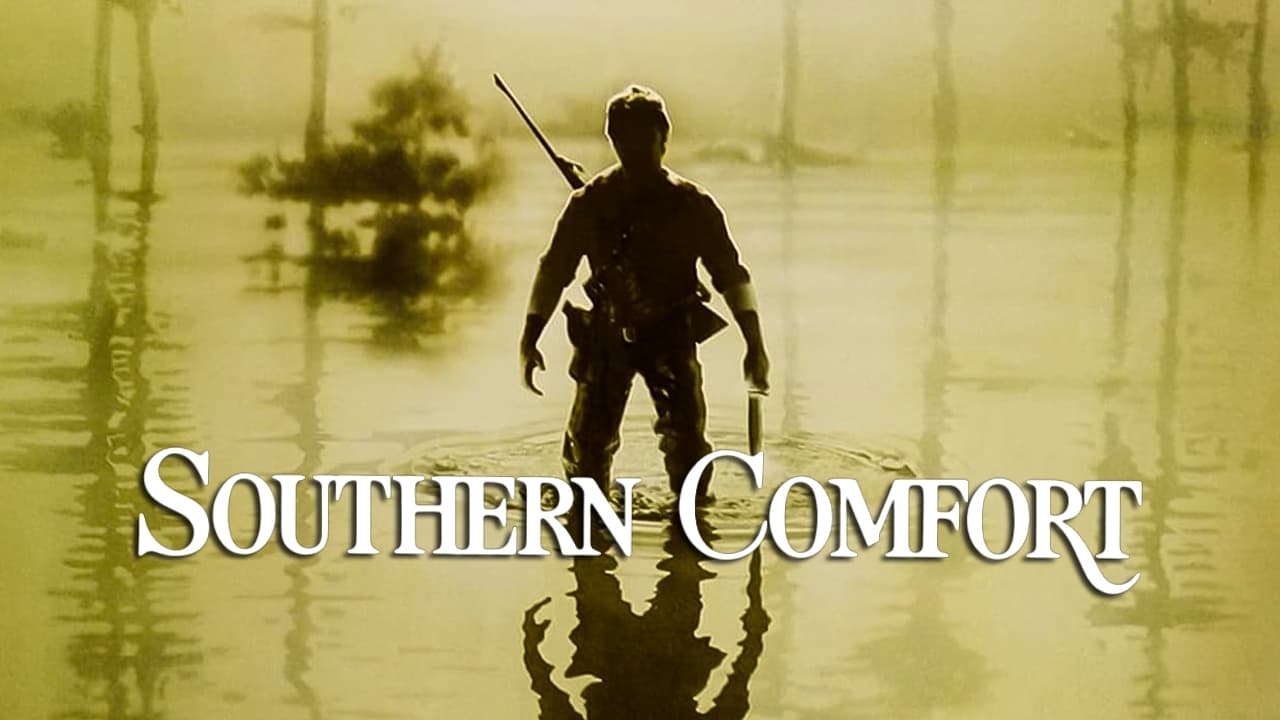
The air itself feels heavy in Walter Hill’s 1981 descent into paranoia, Southern Comfort. Not just with the thick, cloying humidity of the Louisiana bayou, but with a palpable sense of dread that seeps into your bones right alongside the swamp water soaking the boots of its doomed protagonists. This isn't your standard action flick; it’s a pressure cooker disguised as a weekend training exercise, a film that feels less like entertainment and more like a slow, inevitable slide into primal fear. Watching it again, decades later, that chilling atmosphere hasn't evaporated one bit.
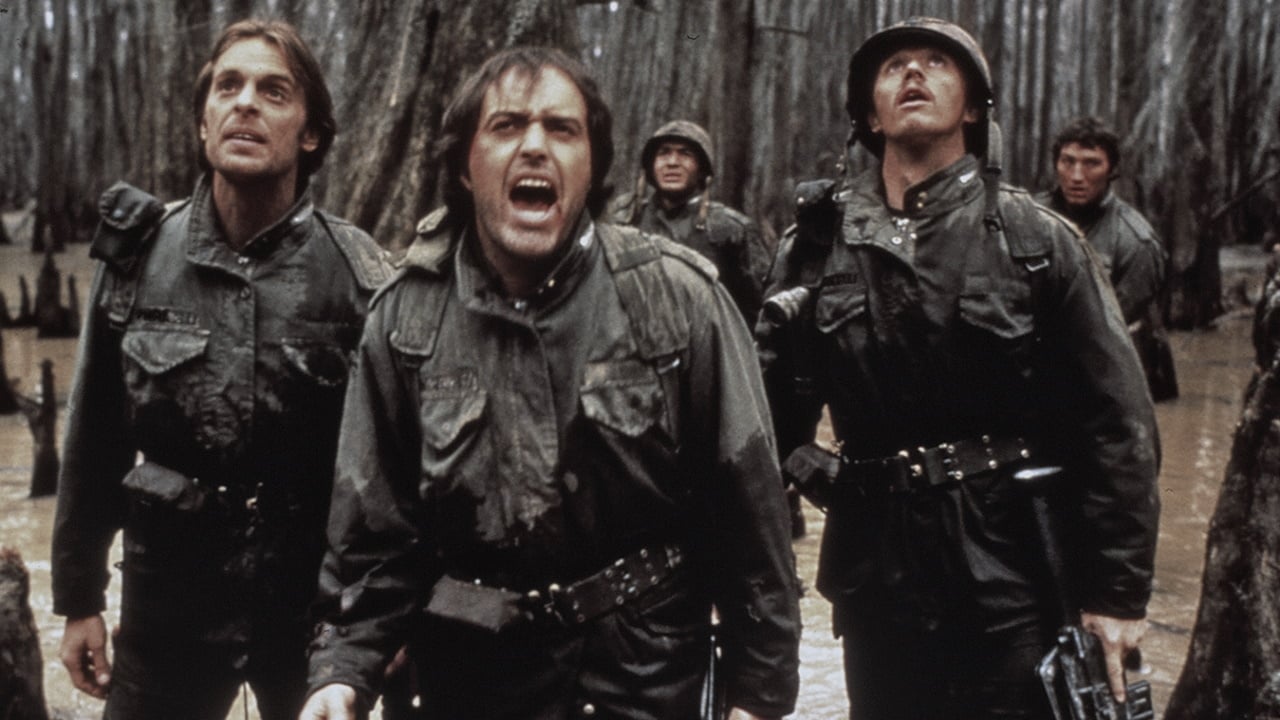
Swamp Fever Dream
The premise is deceptively simple: a squad of Louisiana National Guardsmen, bored and arrogant, embark on maneuvers deep in Cajun territory. Led by the ill-fated Sergeant Poole (Peter Coyote), they're a collection of city boys playing soldier, completely out of their element. Their casual theft of several Cajun canoes, punctuated by a blank-firing machine gun prank from the boorish Stuckey (Lewis Smith), ignites a silent, terrifying war. The response from the unseen locals isn't immediate violence, but something far more unnerving – a methodical, patient hunt. Forget clear enemies and defined battle lines; this is about being picked off, one by one, by ghosts in the trees.
Walter Hill, fresh off the urban nightmare of The Warriors, swaps concrete jungles for tangled cypress roots, but retains his signature lean, muscular style. There's little fat here. Dialogue is often sparse, relying instead on mounting tension, suspicious glances, and the oppressive landscape itself. The bayou isn't just scenery; it's an active antagonist, swallowing men whole, obscuring threats, and amplifying the squad's fracturing unity. Remember the feeling of watching this on a grainy VHS tape, the murky visuals somehow enhancing the sense that anything could be lurking just beyond the frame? That ambiguity is key to its power.
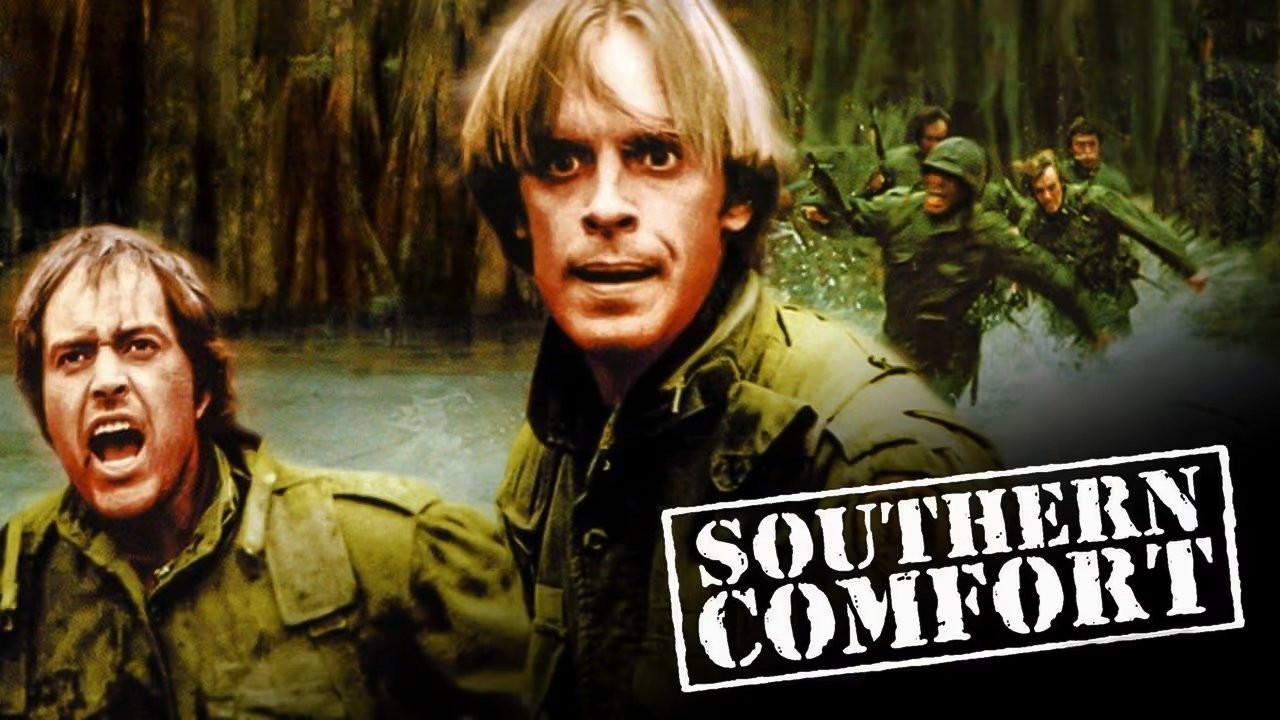
Faces in the Mire
While the soldiers are arguably underdeveloped as individuals beyond archetypes (the tough guy, the intellectual, the liability), the performances ground the escalating terror. A stoic Keith Carradine as Spencer provides a reluctant moral compass, while Powers Boothe, in a performance crackling with intensity that announced his arrival, plays Hardin, the pragmatic outsider transferred into this mess. Their quiet competence contrasts sharply with the panicked disintegration of the others, particularly the increasingly volatile Corporal Casper, played with unnerving fragility by Les Lannom. You also get the always-reliable Fred Ward as the weary, doomed Reece, adding another layer of gritty authenticity. There's a persistent, often-repeated story that the cast genuinely didn't mesh well during the notoriously difficult shoot – plagued by heat, insects, and treacherous conditions – and honestly, that friction bleeds onto the screen, adding another uncomfortable layer to the characters' interactions.
Echoes in the Bayou
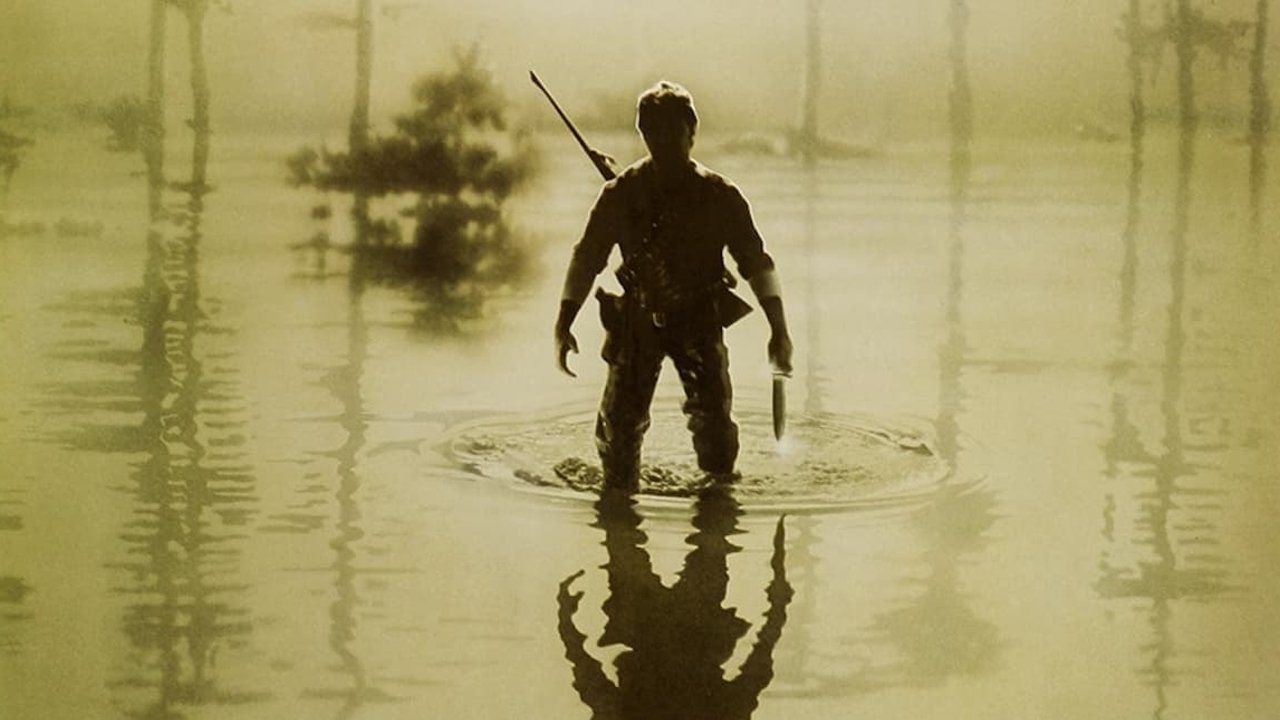
Much ink has been spilled about Southern Comfort as a Vietnam War allegory, and the parallels are hard to ignore: soldiers in unfamiliar, hostile territory, facing an unseen, resourceful enemy they don't understand, hampered by internal conflict and poor leadership. Walter Hill himself has downplayed direct allegory, but the themes of cultural clash, the breakdown of command, and the brutal realities of guerrilla warfare resonate powerfully, regardless of specific intent. The film captures that gnawing fear of the ‘other’ and the horrifying ease with which civilization’s veneer cracks under pressure.
Crucial to the film's suffocating mood is the brilliant, unconventional score by Ry Cooder. Eschewing typical thriller orchestrations, Cooder employs haunting slide guitar and Cajun musical elements, creating a soundscape that's both mournful and menacing. It perfectly complements the visuals, becoming an inseparable part of the film's unsettling identity. It’s the kind of score that lingers, much like the film's disturbing imagery – the pig trap, the hanging bodies, the final desperate flight through a bustling Cajun village that offers no sanctuary.
The Unseen Enemy Within (and Without)
Southern Comfort excels because it understands that the greatest fear often comes not from what you see, but what you don't. The Cajun hunters remain largely spectral figures, their motives simple reprisal, their methods terrifyingly effective. They use the environment, sound, and psychological warfare far more devastatingly than the Guardsmen use their supposedly superior firepower. The true conflict, however, might be internal. As supplies dwindle and bodies mount, paranoia turns the soldiers against each other. Who can be trusted? Who will snap next? The answers are as murky and dangerous as the swamp itself.
***
VHS Heaven Rating: 8/10
Justification: Southern Comfort earns its high marks for its masterful creation of atmosphere and sustained tension. Walter Hill's taut direction, the committed performances (especially from Boothe and Carradine), Ry Cooder's iconic score, and the oppressive bayou setting combine to create a truly unsettling experience. While some characterizations feel thin, the film's power lies in its primal depiction of survival, paranoia, and the terrifying consequences of arrogance in hostile territory. It avoids easy answers and heroic tropes, leaving a lasting chill.
Final Thought: More than just a thriller, Southern Comfort is a potent slice of early 80s grit that burrows under your skin. It’s a reminder that sometimes the most terrifying monsters aren’t supernatural, but all too human, lost in a place – and a situation – they fundamentally misunderstand. It remains a masterclass in minimalist dread.