Alright, Warriors... come out to pla-ay! Let's rewind the tape back to a time when New York City felt like a grimy, dangerous playground, rendered in pulsing neon and bare-knuckle realism. We're talking about Walter Hill's 1979 urban odyssey, The Warriors, a film that landed like a Molotov cocktail in cinemas and became an absolute must-have rental when VHS players started colonizing living rooms. Forget sanitized action – this was raw, immediate, and felt thrillingly dangerous, even through the tracking fuzz.
### Can You Dig It?
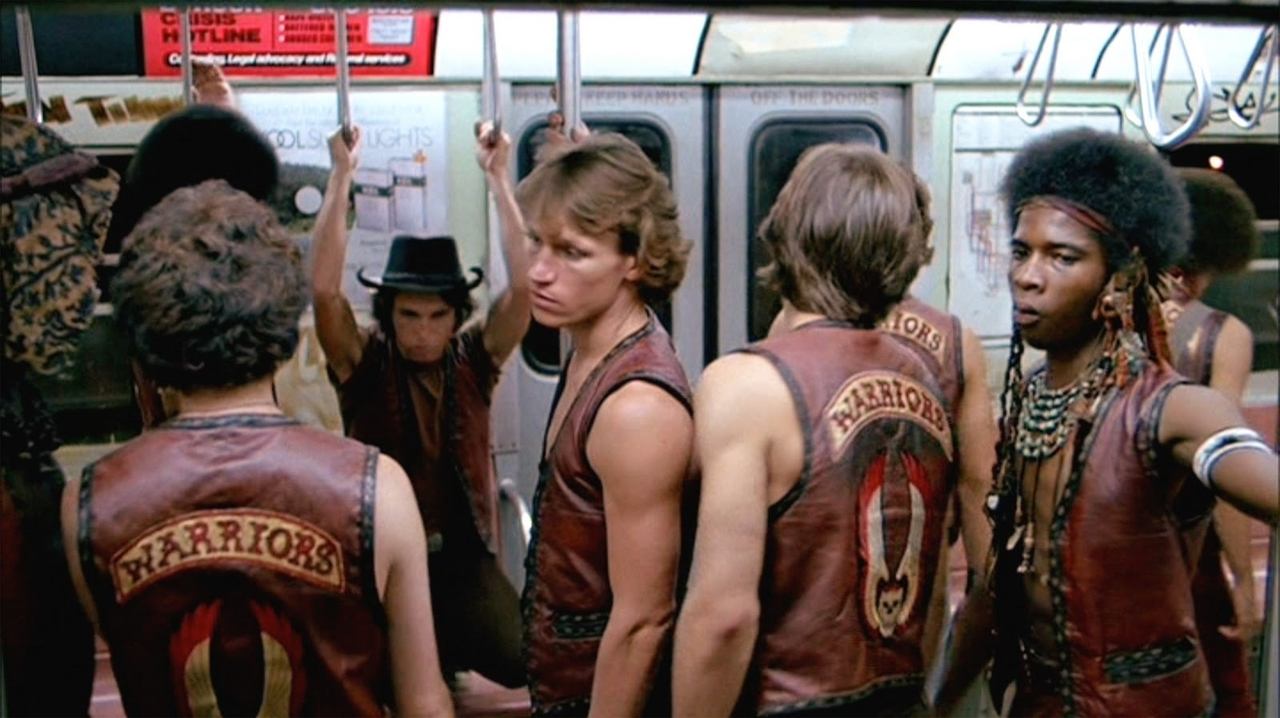
The premise is elegantly simple, almost mythical. Cyrus, leader of the city's biggest gang, the Gramercy Riffs, calls a midnight summit in the Bronx, inviting delegations from every gang across the five boroughs. His dream? A unified army to take control of the city. But just as he delivers his electrifying call to action ("Can YOU dig it?!"), a gunshot rings out. Cyrus falls, and in the ensuing chaos, a scummy rival frames the delegation from Coney Island – our titular Warriors. Suddenly, stranded miles from home turf with every gang in the city gunning for them, their long night's journey back to the coast begins.
What unfolds isn't just a chase movie; it's a nocturnal nightmare crawl through a hyper-stylized, almost comic-book version of NYC. Director Walter Hill, who'd later give us gritty classics like 48 Hrs. (1982) and the equally stylized Streets of Fire (1984), drew inspiration from a surprising source: Xenophon's Anabasis, an ancient Greek account of mercenaries fighting their way home through enemy territory. That historical echo gives The Warriors a weight beyond its pulpy surface. This wasn't just a gang fight; it was an epic retreat.
### The Gauntlet Run
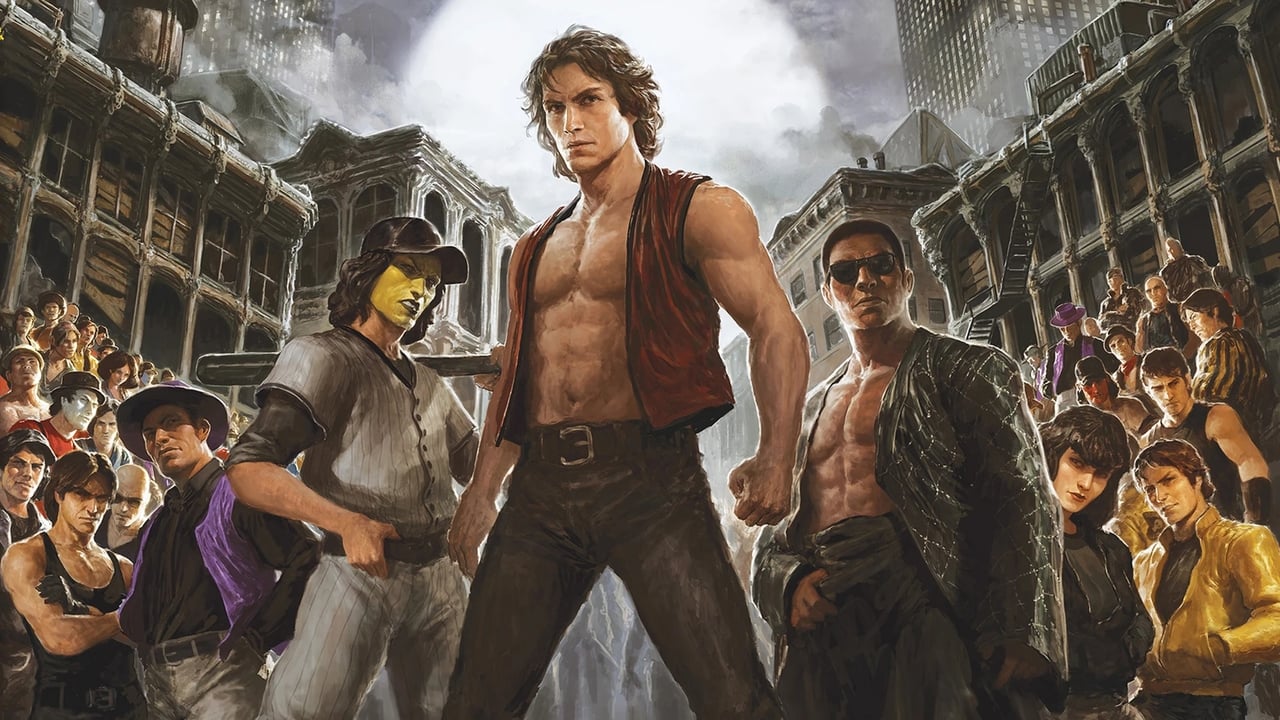
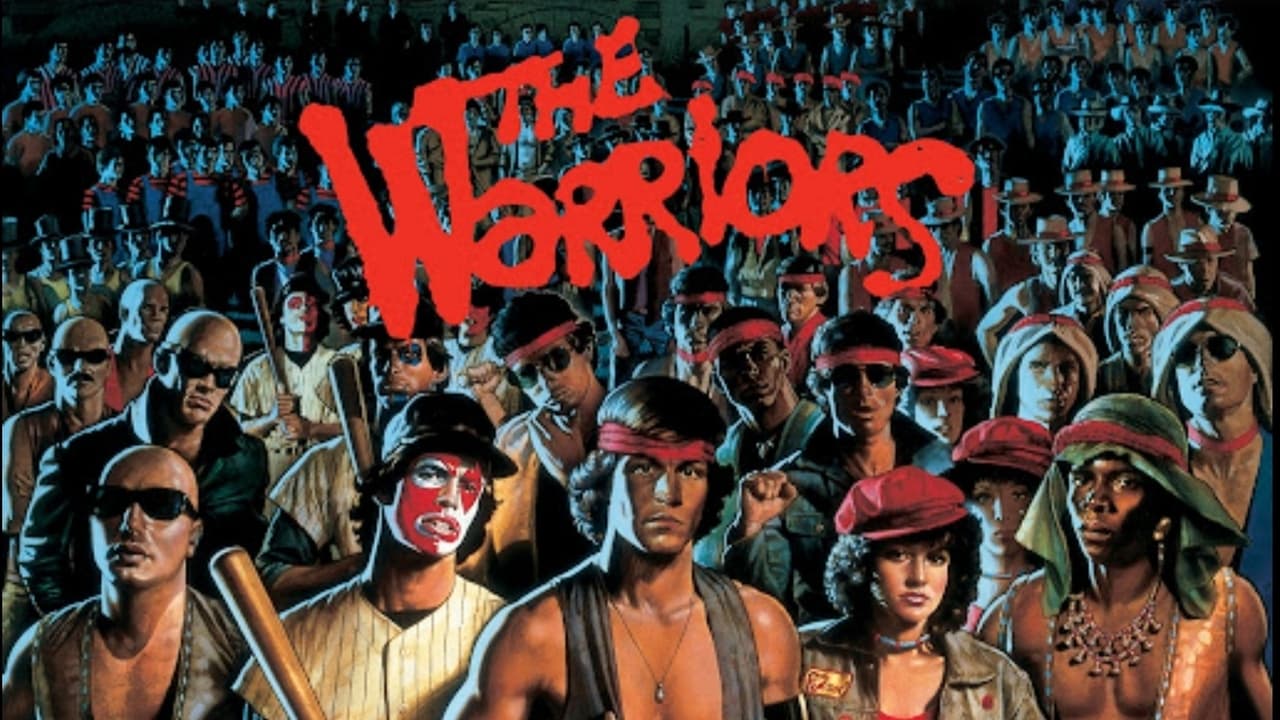
The episodic structure is pure gold for late-night viewing. Each encounter feels like a distinct level in a video game that wouldn't exist for decades (though Rockstar Games eventually made an excellent adaptation). The Warriors face off against a rogue's gallery of unforgettable rivals: the menacing Turnbull ACs in their graffiti-bombed bus, the pathetic Orphans desperately trying to prove their toughness, the seductive and deadly Lizzies, and of course, the iconic Baseball Furies. Remember that chase through Riverside Park? The silent, bat-wielding Furies emerging from the darkness felt genuinely unsettling, a perfect blend of urban menace and theatrical flair.
Filming primarily at night, on location across Manhattan, Brooklyn, and the Bronx, wasn't easy. Reports swirled about needing to pay off real gangs for protection in certain areas, adding a layer of unsettling authenticity. The budget was tight – around $4 million – but Hill squeezed every dime, crafting a visually distinct world that felt both real and fantastical. Its eventual box office haul of over $22 million proved audiences were hungry for this kind of visceral filmmaking.
### Real Steel, Real Sweat
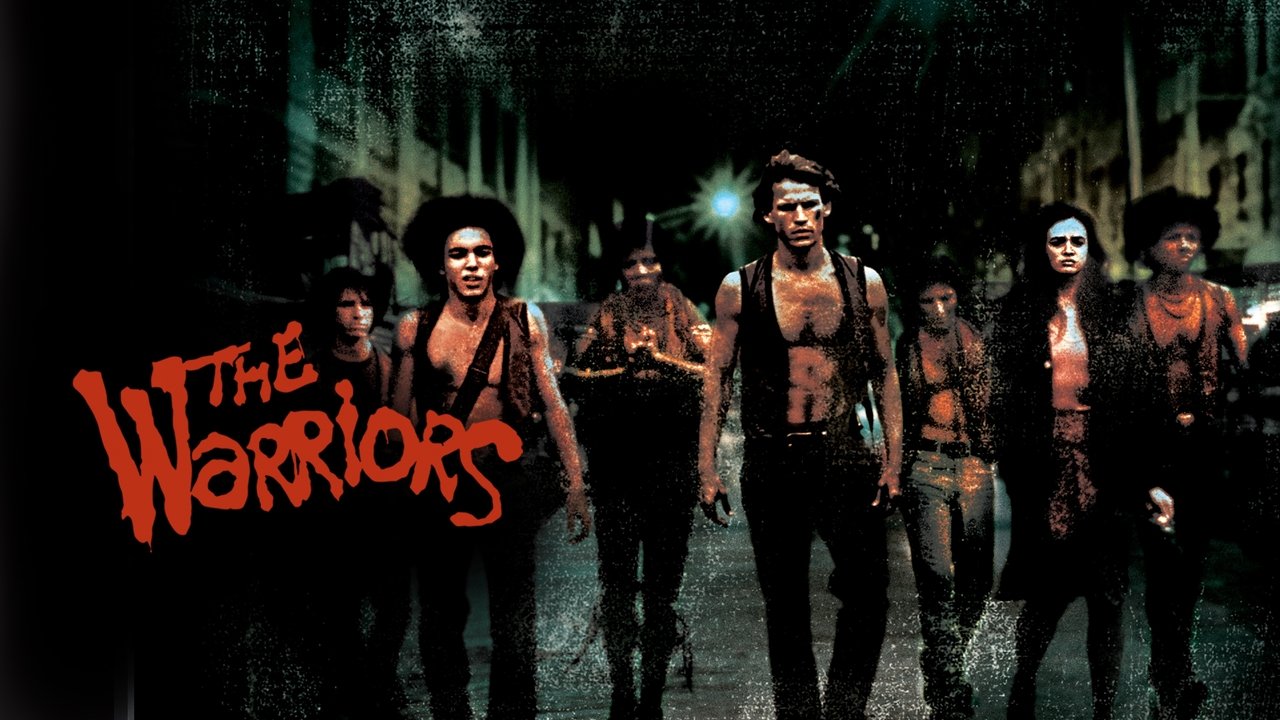
Let's talk action, because that's where The Warriors truly cemented its legacy in the pre-digital era. The fights feel scrappy, desperate, and impactful. Forget intricate wire-fu or CGI enhancements; this was about committed stunt performers throwing real punches, taking real falls on hard pavement. When Swan (Michael Beck, channeling a quiet, stoic cool) faces off against Luther (David Patrick Kelly, oozing unhinged menace), the tension is palpable because the danger feels immediate. You remember how real those subway platform brawls looked? That wasn't green screen; that was actors and stunt doubles putting it all on the line.
The practical effects, though simple by today's standards, had a visceral kick. Bullet hits felt brutal, Molotov cocktails exploded with genuine heat, and the sheer physicality of the performers sold the stakes. Even the iconic costume design served the action – each gang's distinct look wasn't just for show; it instantly communicated their identity and threat level in the dimly lit urban landscape. It’s a world away from the weightless digital stunt doubles we often see now; here, you felt the impact.
### Warriors, Assemble!
While the Warriors themselves are more archetypes than deeply drawn characters, the cast brings them vividly to life. Michael Beck anchors the film as the reluctant leader Swan. The late, great James Remar, as the hot-headed Ajax, absolutely crackles with untamed energy; his intensity practically burned through the magnetic tape of those old VHS cassettes. Fun fact: Remar apparently got into a scuffle in Coney Island during filming and was actually arrested, mirroring his character's volatile nature slightly too well. Dorsey Wright as Cleon, the original war chief, makes a strong impression early on, setting the stakes tragically high. And Deborah Van Valkenburgh as Mercy provides the crucial outside perspective, latching onto the Warriors and navigating this brutal world alongside them.
The film wasn't without its troubles. Initial screenings were marred by incidents of vandalism and violence, leading Paramount to pull back on advertising and even offer to pay for extra security at theaters. Critics were divided, some praising its energy and style, others decrying its perceived glorification of gang violence. But audiences, especially on home video, embraced it. It became a cult phenomenon, its lines ("Warriors, come out to pla-ay!") and imagery seeping deep into pop culture. The pulsing electronic score by Barry De Vorzon is just as iconic, driving the relentless pace and perfectly capturing the nocturnal dread and adrenaline.
### The Verdict
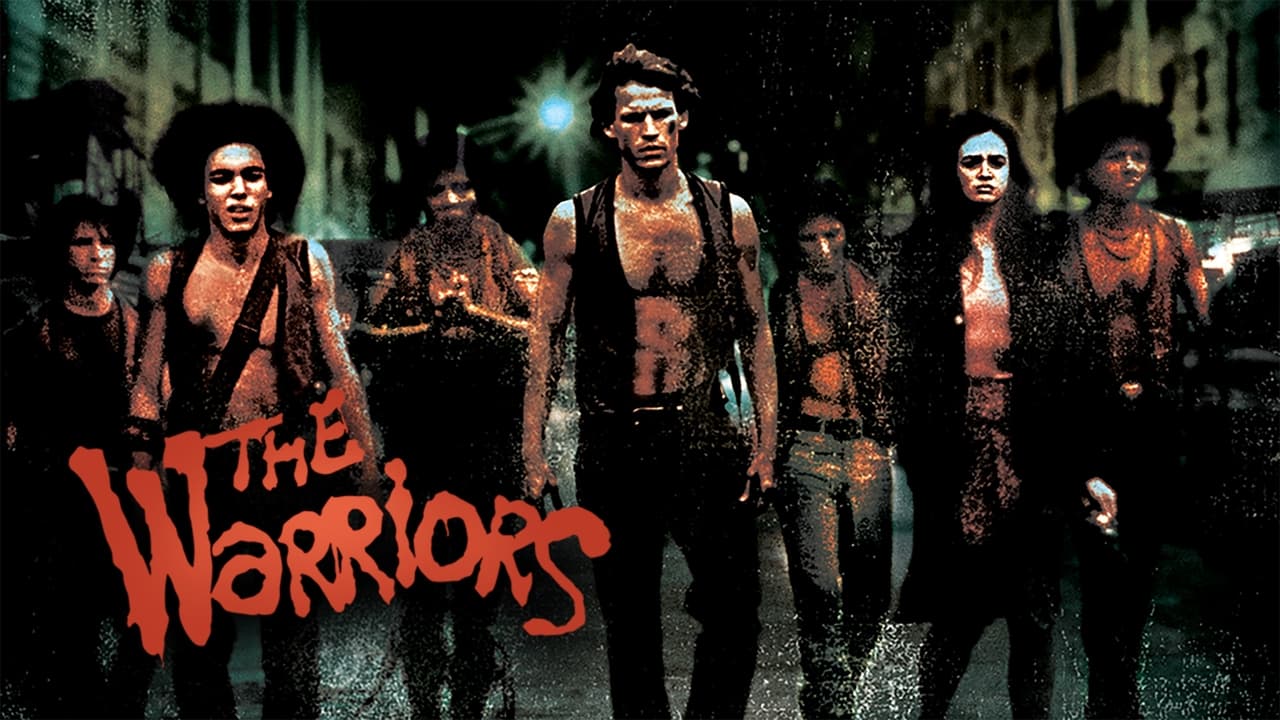
The Warriors is a time capsule, a gritty postcard from a New York City that exists now only in memory and celluloid. Its depiction of gang life is pure fantasy, yet its themes of survival, loyalty, and navigating hostile territory resonate universally. The dialogue might occasionally feel dated, and the characterizations lean towards broad strokes, but the sheer kinetic energy, the unforgettable visual style, and the raw, practical intensity of its action sequences remain incredibly compelling.
Rating: 9/10
This score reflects its undeniable cult status, its pioneering stylistic vision, and its raw, influential take on urban action filmmaking. It captured lightning in a bottle – the perfect storm of Walter Hill's lean direction, a killer premise, iconic characters (even if archetypal), and that unforgettable late-70s grit. It’s a film that felt dangerous and exciting popping it into the VCR back then, and remarkably, much of that primal energy survives intact today. It wasn't just a movie; it was a declaration – a raw, stylized shout from the concrete jungle that still echoes. Can you still dig it? Damn right.