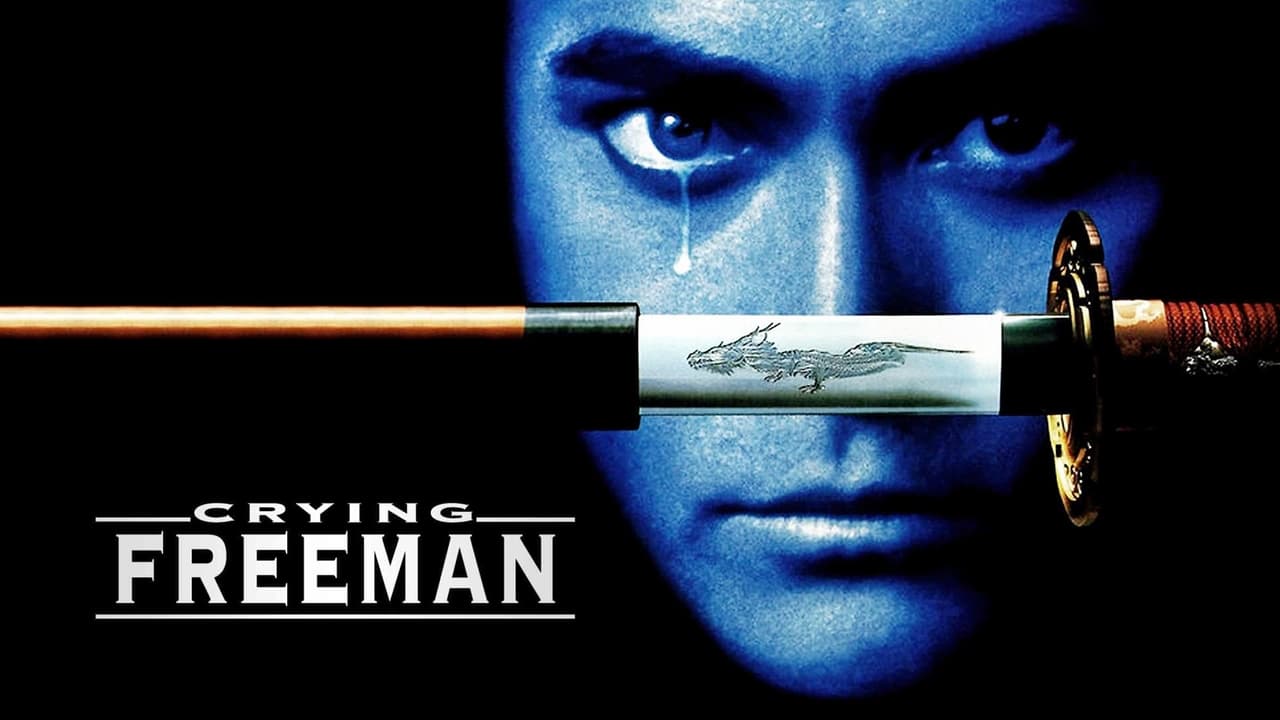
The image lingers, doesn't it? A lone tear tracing a path down the cheek of a killer, moments after the kill. It’s an almost poetic contradiction, the sorrow married to lethal precision, and it's the haunting core of Crying Freeman (1995). This wasn't just another action flick cluttering the shelves down at the video store; sliding this tape into the VCR felt like uncovering something different, something with a dark, melancholic pulse beating beneath the gunfire and meticulously choreographed violence. It possessed a strange, almost dreamlike quality that felt particularly potent viewed late at night, the flickering CRT burnishing its hyper-stylized world.
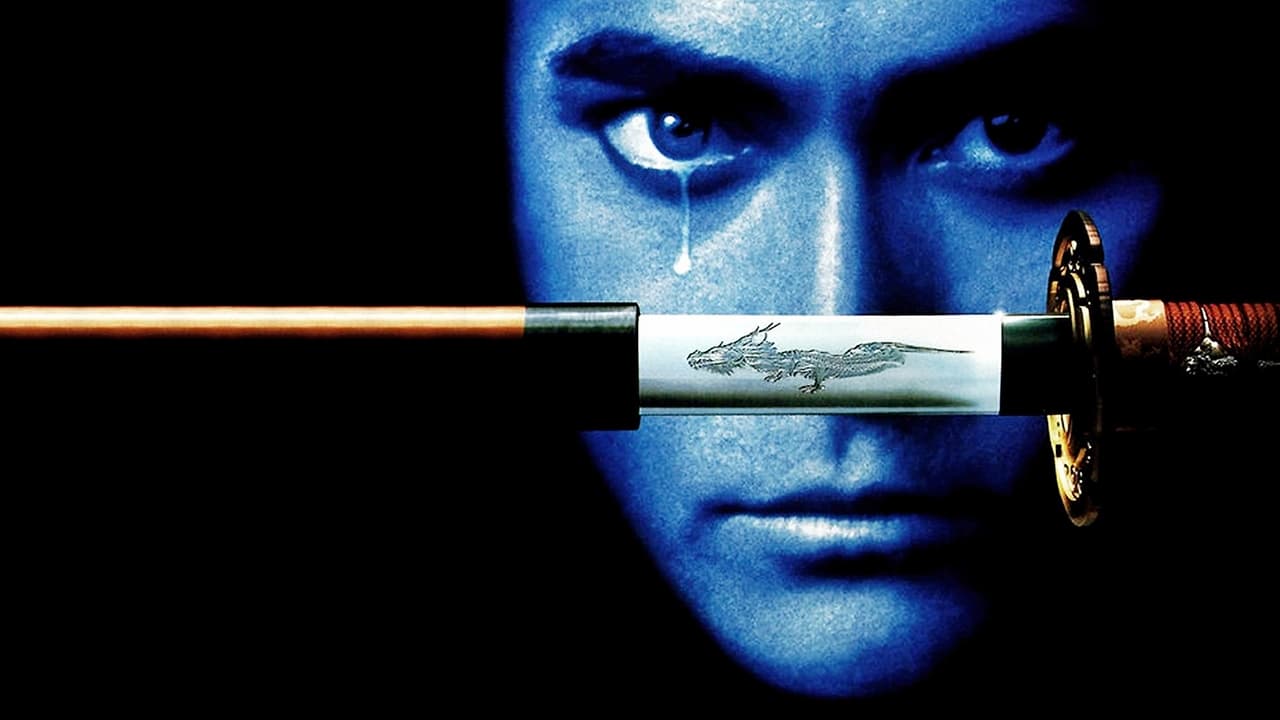
Blood and Tears on Celluloid
Directed by Christophe Gans, a French filmmaker who clearly worshipped at the altar of Japanese manga and stylish Hong Kong action cinema, Crying Freeman is a visual feast born from the pages of Kazuo Koike and Ryoichi Ikegami's celebrated manga. Gans, who would later bring us the similarly lush Brotherhood of the Wolf (2001), fought tooth and nail to translate Ikegami's iconic artwork to the screen. You can feel that reverence in every frame – the dramatic compositions, the intense close-ups, the fluid, almost balletic movement of its protagonist. This film looks expensive, drenched in shadows and neon, showcasing a level of visual sophistication often absent from mid-90s straight-to-video fare in North America, which, sadly, was how many of us first encountered it due to distribution hurdles. It bypassed a wide theatrical release in the US, becoming a quintessential cult discovery on VHS and later DVD, a hidden gem passed between enthusiasts.
The Reluctant Assassin
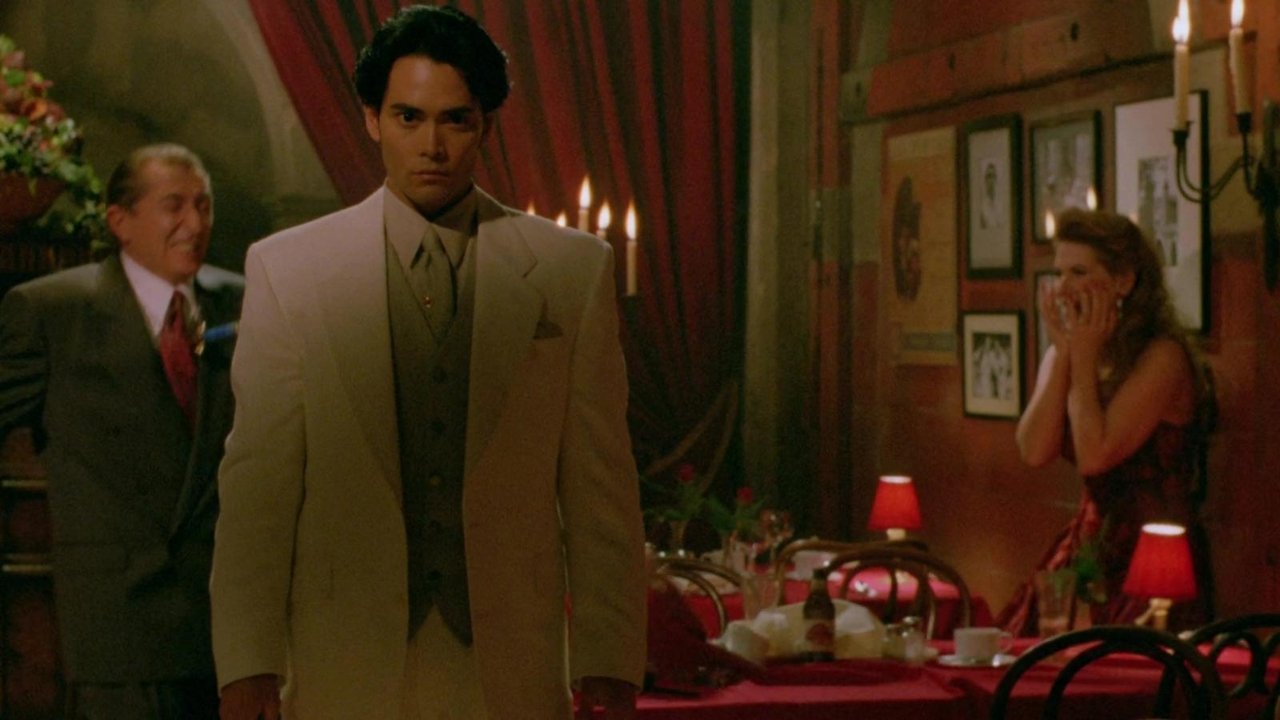
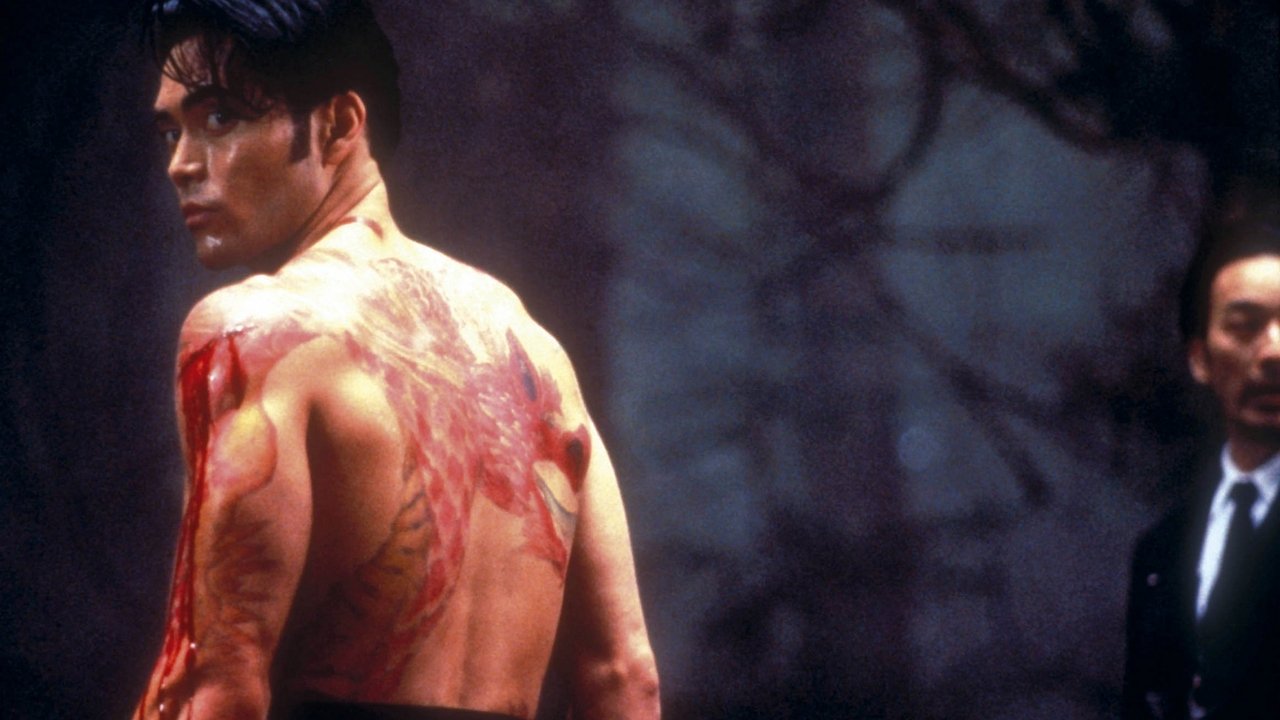
At the heart of the storm is Yo Hinomura, played by Mark Dacascos. An ordinary potter abducted and brainwashed by the clandestine Chinese crime syndicate, the "108 Dragons," he's transformed into their perfect assassin, codenamed "Freeman." The catch? He weeps uncontrollably after each kill, mourning the life he takes and the man he used to be. Dacascos, a supremely gifted martial artist, is perfectly cast. He brings not only the required physical grace and lethality to the action sequences – which are genuinely impressive, favouring elegant choreography over brute force – but also a crucial layer of vulnerability. You see the conflict warring within him, the flicker of humanity refusing to be extinguished by the hypnotic trigger phrase whispered by his handlers. The extensive, intricate dragon tattoo that covers his body, reportedly taking hours to apply each day on set, becomes a physical manifestation of his bondage, beautiful yet terrifying. Dacascos, known then for films like Only the Strong (1993), truly cemented his cult action hero status here.
An Unlikely Romance Amidst the Carnage
The plot kicks into high gear when Freeman assassinates a Yakuza boss, witnessed by the beautiful painter Emu O'Hara (Julie Condra). Bound by code, Freeman must eliminate the witness. Yet, an undeniable connection sparks between them – two lonely souls adrift in a violent world. Emu, captivated rather than terrified by the tearful killer, becomes both his target and his potential salvation. Their burgeoning romance forms the emotional spine of the film, elevating it beyond mere stylish violence. It’s an operatic, almost fairy-tale dynamic set against a backdrop of warring Triads and Yakuza clans. Supporting players like Rae Dawn Chong as Detective Netah, investigating the Freeman killings, add grit and grounding, but the focus remains squarely on the fated pair. Does the romance feel a little accelerated, a touch melodramatic? Perhaps. But within the film's heightened reality, it works, adding a necessary counterpoint to the darkness.
Style Over (Some) Substance?
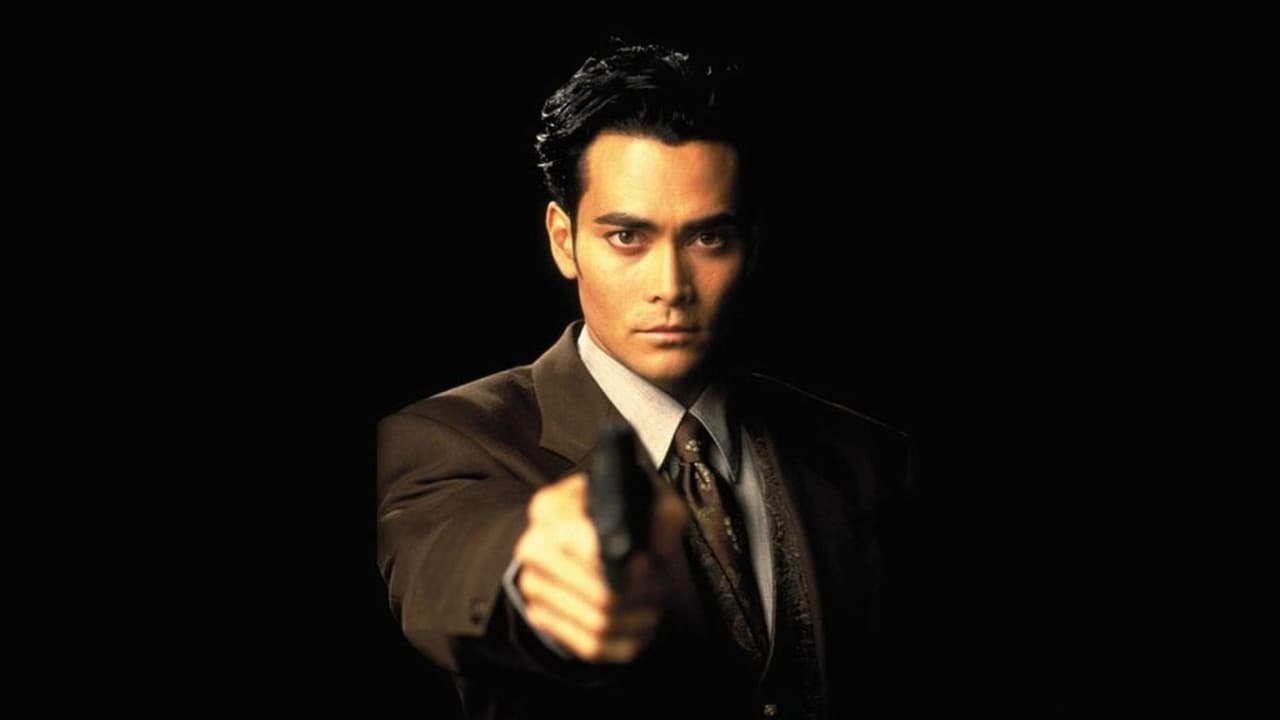
Let's be honest, Crying Freeman isn't concerned with gritty realism. It's pure cinematic style, an exercise in mood and aesthetics. The dialogue can occasionally drift towards the functional, serving primarily to move the plot between its stunning set pieces. Shot largely in Vancouver, British Columbia, the locations are dressed to convincingly portray San Francisco and Japan, contributing to the film's slick, international feel – a French director adapting Japanese source material in Canada for a global audience. The score by Patrick O'Hearn complements the visuals perfectly, blending synthesizers with orchestral sweeps to create an atmosphere that's both modern and timelessly mythic. While some might find the pacing occasionally deliberate, it allows Gans to luxuriate in the visuals and build tension effectively. This wasn't trying to be Die Hard; it was aiming for something more akin to a violent, R-rated art film, a niche it fills exceptionally well. It’s a testament to Gans’ vision that despite a reported budget hovering around $10-15 million (modest even then), the film achieves such a polished and distinctive look.
Legacy of the Tear
Crying Freeman remains a standout 90s action movie VHS discovery for many. It represents a particular brand of action filmmaking – one that prioritized visual artistry, atmosphere, and even a touch of soulful introspection alongside the expected thrills. It showcased Mark Dacascos' unique blend of physical prowess and sensitive screen presence, and it gave Christophe Gans a calling card that demonstrated his potent visual style. It’s a film that feels both deeply rooted in its 90s origins (the fashion, the tech) yet possesses a timeless quality thanks to its mythic storytelling and artistic ambitions.
Rating: 8/10
This score reflects the film's exceptional visual style, Dacascos' compelling performance, its successful blending of brutal action and unexpected romance, and its status as a high-water mark for live-action manga adaptations of its era. It earns its cult classic designation through sheer artistic commitment, even if the narrative occasionally takes a backseat to the aesthetics. It delivered precisely the kind of stylish, atmospheric thrill that felt like a special discovery pulled from the rental shelves.
Crying Freeman is more than just an action flick; it's a mood piece, a violent poem written in blood, tears, and meticulously crafted frames. It’s one of those films that, once seen, tends to stick with you – much like that haunting image of the weeping assassin.