The silence of a crisp Colorado morning shattered by gunfire. Not distant thunder, but the unmistakable crack of automatic weapons echoing through sleepy streets. Then, the sky fills with falling flowers of death – parachutes carrying invaders onto American soil, onto a high school football field. This wasn't some far-off nightmare; this was Red Dawn (1984), bringing the Cold War chill directly into the heartland, onto the familiar ground of hometown USA. It was a premise so audacious, so starkly terrifying in its possibility back then, that it felt less like fiction and more like a televised bulletin from the brink.
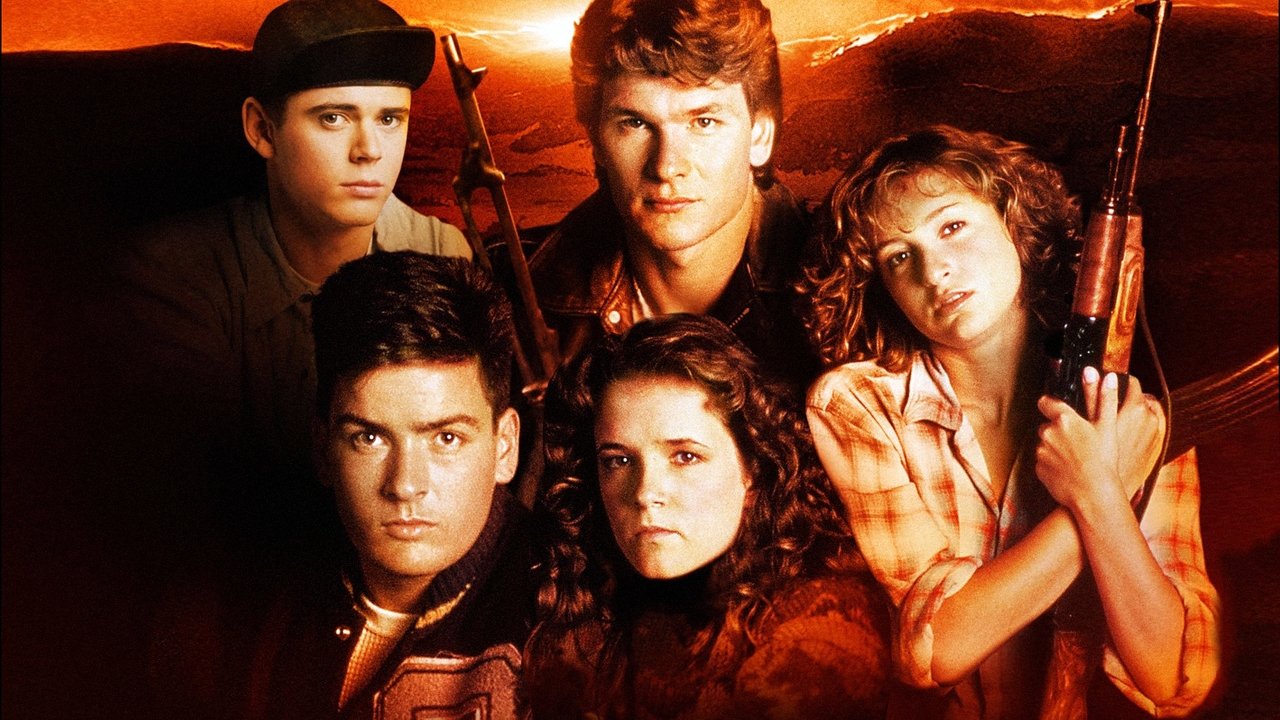
Wolverines!
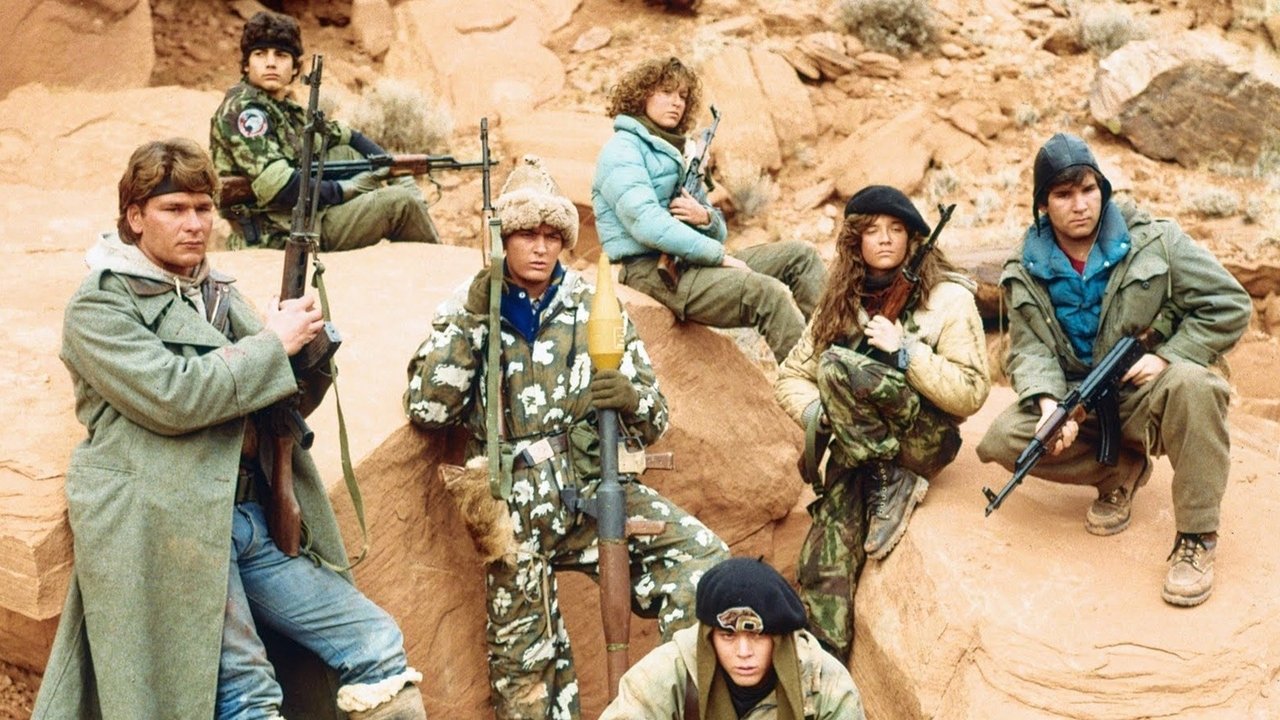
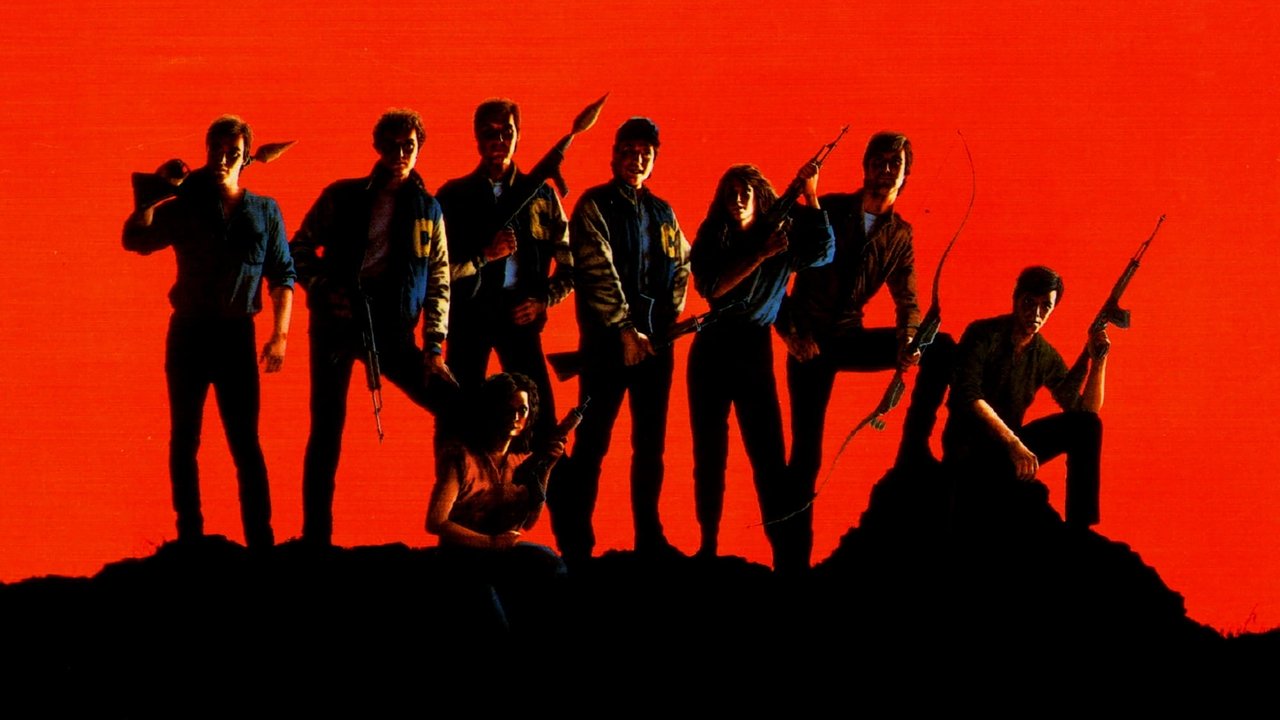
Forget aliens or monsters; the fear Red Dawn tapped into was chillingly real for audiences in the mid-80s. The film plunges us immediately into chaos as Soviet and Cuban forces launch a surprise invasion. We follow a group of teenagers – Jed Eckert (Patrick Swayze, radiating raw leadership potential just before Dirty Dancing), his younger brother Matt (C. Thomas Howell, fresh off The Outsiders), and their friends – who escape the occupied town of Calumet and flee into the nearby mountains. Under Jed's reluctant command, they transform from ordinary high school kids into a determined guerrilla resistance force, adopting their school mascot's name: The Wolverines. Their mission becomes brutally simple: survive, fight back, and make the invaders pay for every inch of ground.
Director John Milius (Conan the Barbarian (1982)), never one to shy away from robust, often controversial themes, crafts a film that feels less like a glossy Hollywood action flick and more like a grim survival procedural. There’s a raw, unpolished energy to it. The action sequences are brutal and often sudden, emphasizing the desperate stakes and the horrifying reality of untrained kids forced into lethal combat. Milius, known for his staunch political views and fascination with warfare, doesn't pull many punches. The film's depiction of violence was shocking for its time; indeed, Red Dawn became infamous as the first film released with the newly created PG-13 rating, reportedly after significant cuts were made to avoid an R. It even held a rather dubious Guinness Book of World Records title for being the most violent film ever made at that point, averaging over two acts of violence per minute.
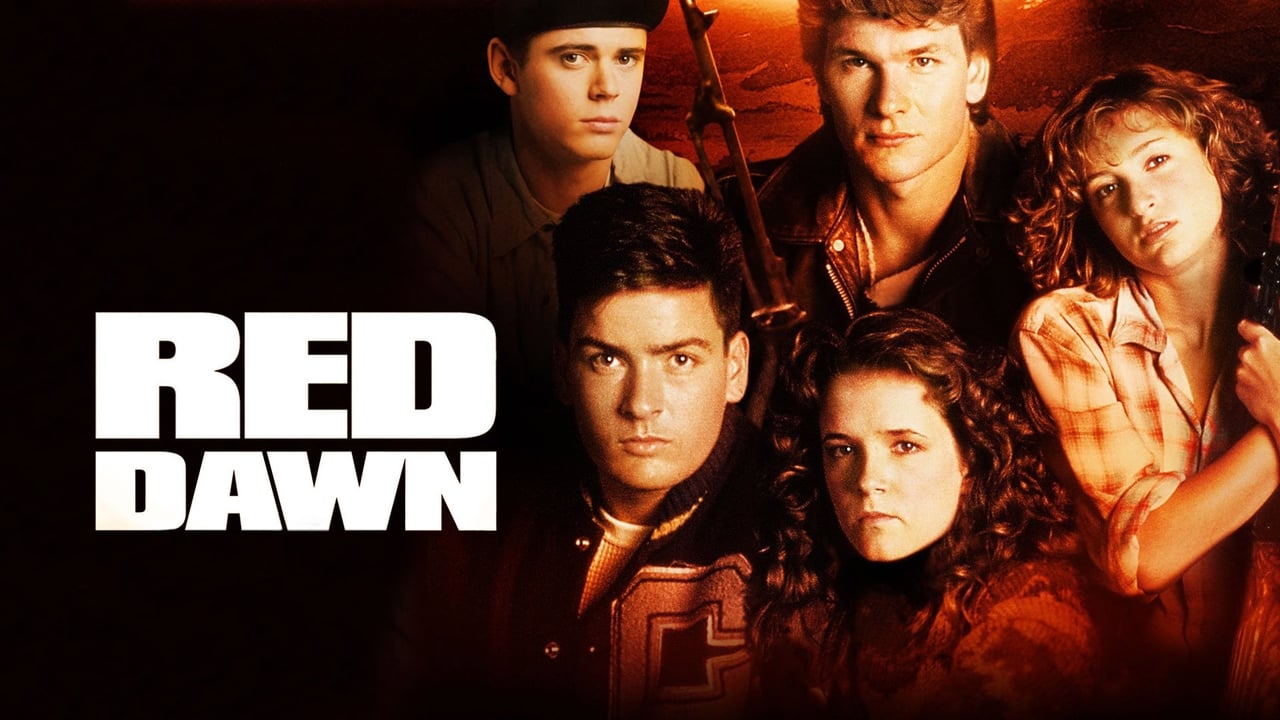
Grit, Grief, and Gunfire
What resonates, even through the occasionally clunky dialogue or dated politics, is the sense of loss and the hardening effect of war on these young characters. Swayze delivers a powerful performance as Jed, visibly burdened by the weight of command and the brutal choices he must make. The supporting cast, including Lea Thompson, Jennifer Grey (pre-Dirty Dancing reunion with Swayze), Charlie Sheen, and Powers Boothe as a downed USAF pilot who joins them, all contribute to the feeling of a community fractured and fighting for its life. You see the fear in their eyes, the gradual erosion of innocence replaced by steely resolve or utter despair. Milius filmed primarily in and around Las Vegas, New Mexico, a town that wholeheartedly embraced the production, even allowing its main street to be convincingly transformed into a battleground. This grounding in a real American place adds immeasurably to the film's unsettling atmosphere.
It wasn't just the location; the commitment to a certain kind of realism extended to the hardware. Reportedly, the production had access to unique military equipment, including actual Hind helicopters (apparently acquired via connections Milius had). While the overarching premise is heightened, the details of the guerrilla warfare – the ambushes, the scavenging, the constant threat of discovery – feel immediate and visceral. The score by Basil Poledouris (RoboCop (1987)) effectively underscores the tension and the moments of bleak heroism, avoiding triumphant marches in favour of more somber, impactful cues. There's a persistent rumour, often linked to Milius himself, that the core scenario wasn't entirely fantastical but derived from CIA projections and war game scenarios of the time, adding another layer of Cold War paranoia to the viewing experience.
Legacy of a Warning Shot
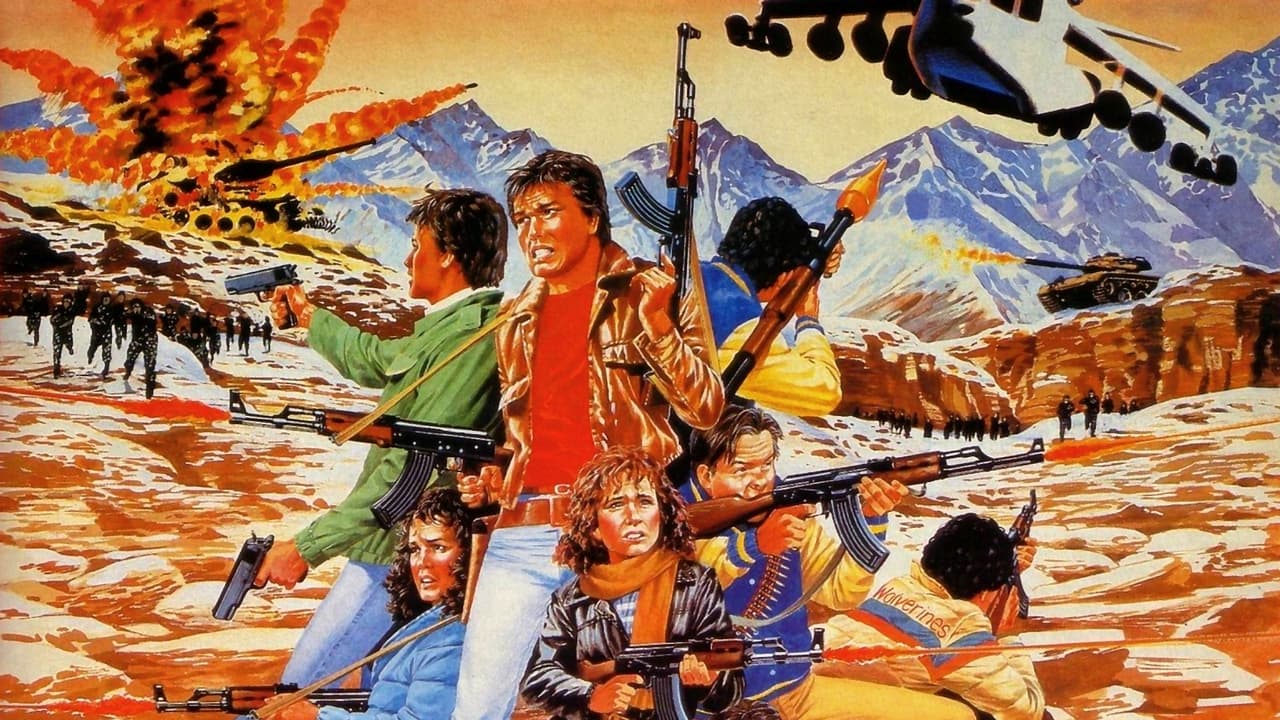
Red Dawn was, and remains, a divisive film. Hailed by some as a patriotic call to arms and criticized by others as jingoistic and paranoid, its power lies in that very polarity. It struck a nerve deep within the anxieties of the Reagan era, presenting a nightmare scenario with unnerving conviction. Does it hold up perfectly? Perhaps not. Some aspects feel distinctly of their time, and the geopolitical landscape has shifted dramatically. Yet, the core themes – resistance against overwhelming odds, the loss of innocence in wartime, the fierce desire to protect one's home – remain potent. It spawned a significantly less impactful remake in 2012, proving that the specific Cold War context was crucial to the original's raw power. I remember renting this tape, the stark red cover art promising something intense, and it delivered. It felt dangerous, forbidden almost, especially with the rating controversy swirling around it. Didn't that final, defiant image linger long after the credits rolled?
VHS Heaven Rating: 7/10
Red Dawn earns its 7 for its sheer audacity, its influential (if controversial) place in 80s cinema, and its surprisingly grim portrayal of guerrilla warfare featuring young protagonists. Swayze’s performance anchors the film, and Milius delivers intense, grounded action. It loses points for some dated elements, occasionally thin characterizations beyond the core group, and a political viewpoint that can feel heavy-handed today. However, its power as a visceral piece of Cold War filmmaking and a stark 'what if' scenario remains undeniable.
It’s a film that perfectly captures a specific moment of national anxiety, blasting it onto the screen with shotguns and RPGs. Red Dawn isn't subtle, but its raw, B-movie energy combined with its deadly serious premise makes it a fascinating and enduring artifact of the VHS era – a warning shot that still echoes. Wolverines!