Imagine pockets of earth where death holds no sway, where the finality we take for granted simply... pauses. Where the veil between life and cessation thins to almost nothing. This isn't merely graveyard superstition; it's the chilling scientific-occult hypothesis at the heart of Pupi Avati's 1983 descent into slow-burn dread, Zeder (sometimes known abroad, somewhat misleadingly, as Revenge of the Dead). Forget the lumbering hordes; this is Italian horror of a different, more cerebral and unsettling vintage, the kind that seeped under your skin when you slid that worn VHS copy into the machine late at night, the tracking slightly off, adding another layer of visual static to the palpable unease.

### The K-Zone Enigma
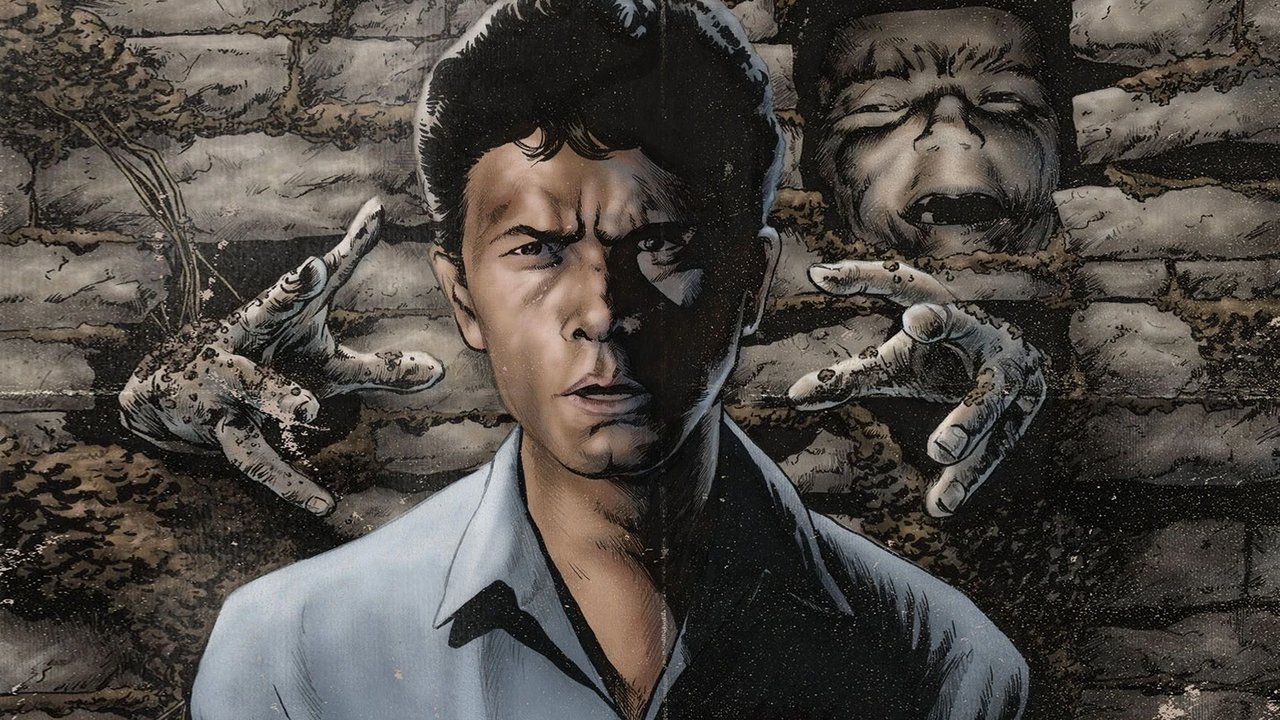
Our guide into this disquieting landscape is Stefano (a perfectly cast Gabriele Lavia, familiar to genre fans from Argento's Deep Red), a young novelist gifted an old electric typewriter by his wife, Alessandra (Anne Canovas). Curiosity turns to obsession when he discovers ribbons containing fragments of text left by the previous owner, a scientist named Paolo Zeder. These cryptic writings speak of "K-Zones," specific geographic locations where, due to unique terrain properties, death is suspended. People buried there don't truly die; they enter a state of limbo, potentially capable of returning, devoid of consciousness but retaining knowledge acquired in life. It's a concept pregnant with terrifying possibilities, and Stefano, abandoning his novel, finds himself inexorably drawn into Zeder's unfinished research.
Pupi Avati, alongside brother Antonio Avati and journalist Maurizio Costanzo on scripting duties, masterfully builds the narrative not through shocks, but through escalating paranoia and intellectual pursuit. Stefano's investigation feels disturbingly plausible, unfolding through library research, hushed conversations, and unsettling discoveries. The typewriter itself becomes a character, its ghostly messages appearing seemingly from nowhere, driving Stefano deeper into the mystery. Remember how unsettling that effect was? Just simple text appearing on screen, yet filled with foreboding. It tapped into that nascent fear of technology holding secrets, something particularly resonant in the early 80s.
### Avati's Atmospheric Chill
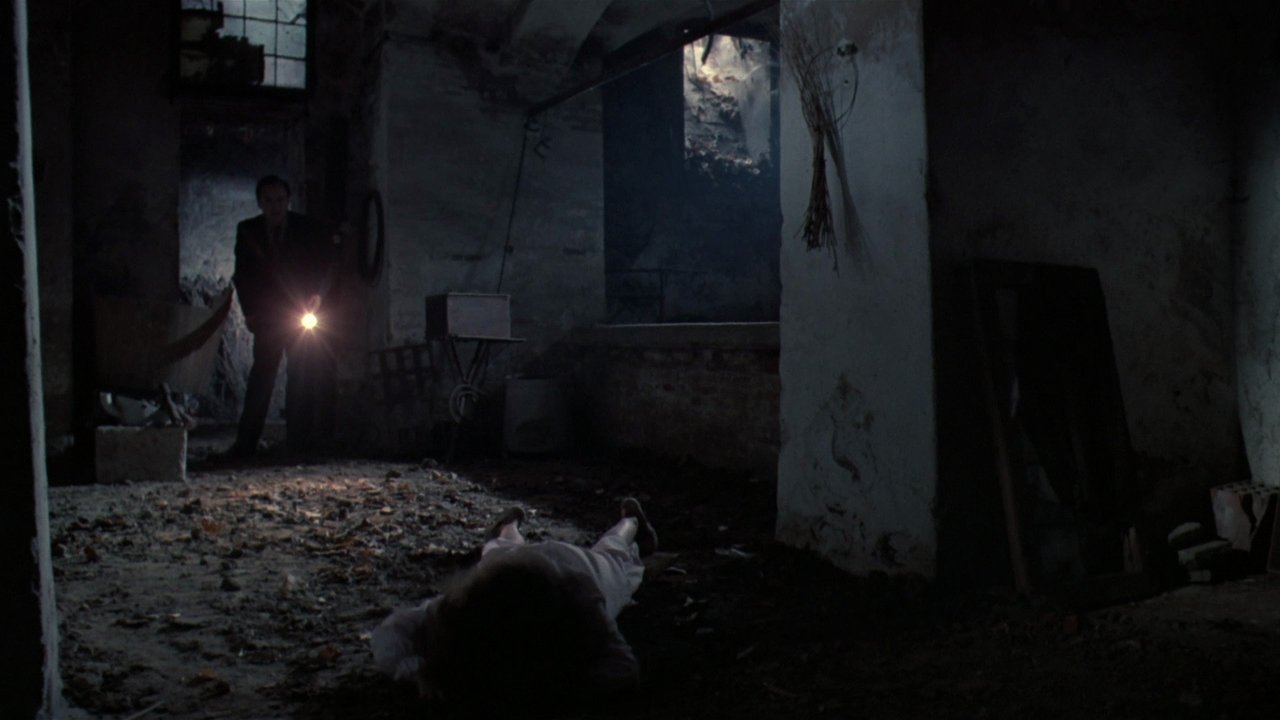
Avati, who already chilled audiences with the rural gothic masterpiece The House with Laughing Windows (1976), eschews the graphic excesses common in Italian horror of the era. Instead, he crafts an atmosphere thick with unspoken dread. The locations – ordinary Italian towns, desolate country roads, the eerily clinical French research facility – feel grounded, making the intrusion of the uncanny all the more effective. The cinematography often employs muted colours and naturalistic lighting, mirroring the slightly washed-out look of many Euro-horror tapes from the period, which only enhanced the feeling of watching something forbidden or forgotten. The synthesized score, pulsing and minimalist, is crucial, underlining the tension without resorting to orchestral bombast. It’s the kind of score that lingers, a low hum of anxiety long after the credits roll.
There's a fascinating "dark legend" or perhaps just curious coincidence surrounding Zeder. The film, exploring the idea of resurrecting the dead through burial in specific soil, predates the publication of Stephen King's Pet Sematary (which arrived later in 1983). While King stated he conceived his story earlier, the similarities are undeniable and often discussed among fans. Whether it's parallel thinking or something more, Zeder's exploration of the theme feels distinct – less focused on grief-stricken bargains and more on the cold, almost scientific implications of cheating death. It's a chilling thought: what returns might not be what you lost.
### A Descent into Forbidden Knowledge
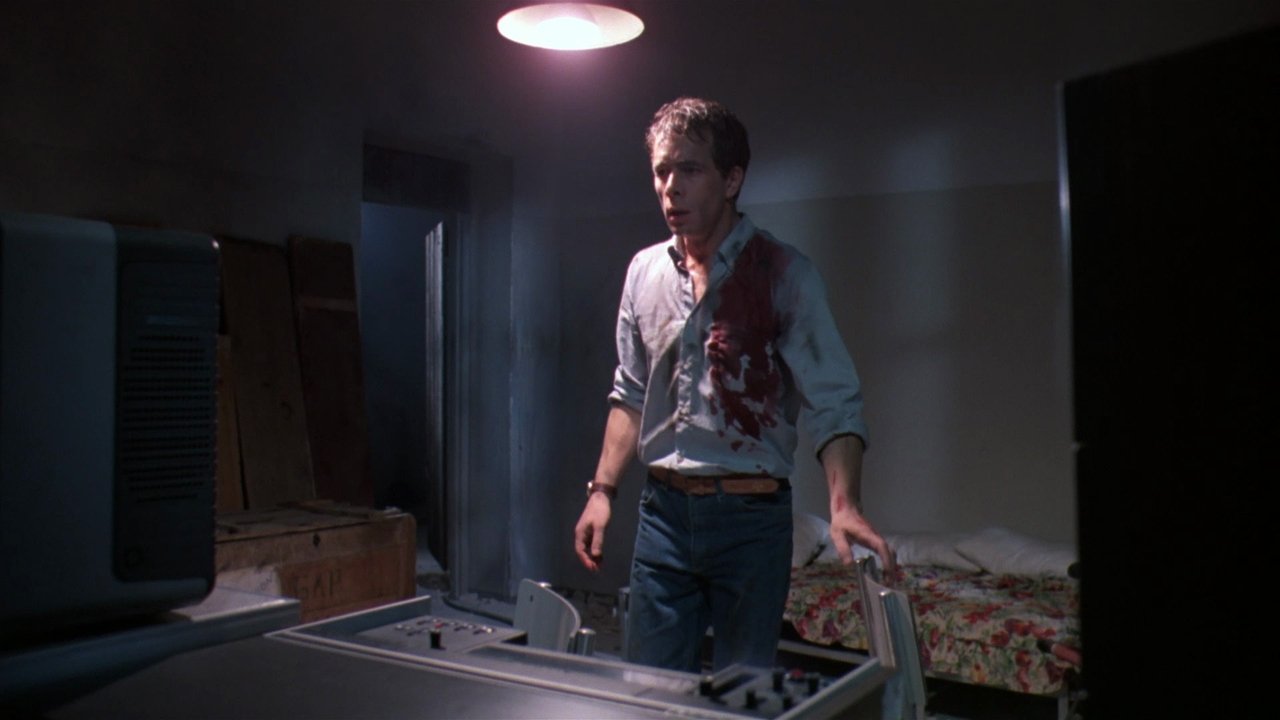
Gabriele Lavia carries the film magnificently. His transformation from curious writer to haunted investigator is utterly convincing. You see the intellectual fascination give way to a consuming need to know, regardless of the cost. His growing isolation from Alessandra, who understandably fears his obsessive quest, adds a layer of personal tragedy to the unfolding horror. The supporting cast effectively portrays the secretive network of individuals aware of, and perhaps exploiting, the K-Zones, hinting at conspiracies and hidden powers operating just beneath the surface of normality.
The film's deliberate pace might test viewers accustomed to faster-moving modern horror, but it's essential to its power. Avati allows the dread to accumulate, letting the implications of Zeder's research sink in. It’s about the horrifying idea as much as any physical threat. The climax, when Stefano finally reaches the rumoured K-Zone burial site, (Spoiler Alert!) avoids easy answers or conventional monster reveals. The horror is more existential, rooted in the confirmation of Zeder's theories and the stark emptiness of what lies beyond the threshold of death – or rather, just shy of it. Doesn't that lingering ambiguity still feel more unsettling than a clear-cut monster?
### Lingering Echoes
Zeder remains a standout piece of 80s Italian horror precisely because it deviates from the expected. It blends mystery, sci-fi concepts, and supernatural dread into a uniquely unsettling whole. It's a film that trusts its audience to piece things together, rewarding patience with a deep sense of unease rather than fleeting shocks. The low budget (reportedly modest even for the time) likely forced Avati's hand towards atmosphere over spectacle, a constraint that ultimately became the film's greatest strength. It feels like a discovery, a secret shared on a grainy VHS tape, whispering about places where the earth itself holds terrifying power.
Rating: 8/10
This score reflects Zeder's masterful creation of atmosphere, its compelling central mystery, and Lavia's strong performance. It’s a high point for Pupi Avati's unique brand of intellectual horror. While its deliberate pacing and ambiguous nature might not satisfy all tastes, for those seeking a truly unsettling and thought-provoking slice of 80s Euro-horror, Zeder delivers a chill that lingers, much like the faint hum from a CRT television after the tape has ended. It’s a potent reminder that sometimes the most terrifying discoveries aren't monstrous entities, but forbidden knowledge that fundamentally shakes our understanding of life and death.