"When there's no more room in hell, the dead will walk the earth." That chilling prophecy, whispered over frantic radio broadcasts, wasn't just a tagline for George A. Romero's 1978 masterpiece, Dawn of the Dead; it felt like a genuine bulletin cutting through the static of late-night television. For many of us clutching worn-out VHS tapes years later, the film wasn't just entertainment; it was an unnerving glimpse into societal collapse, broadcast directly into our living rooms on flickering CRT screens. The sheer scale of its chaos felt terrifyingly plausible, a dread that lingered long after the tape ejected.
### Apocalypse Now, Mall Edition
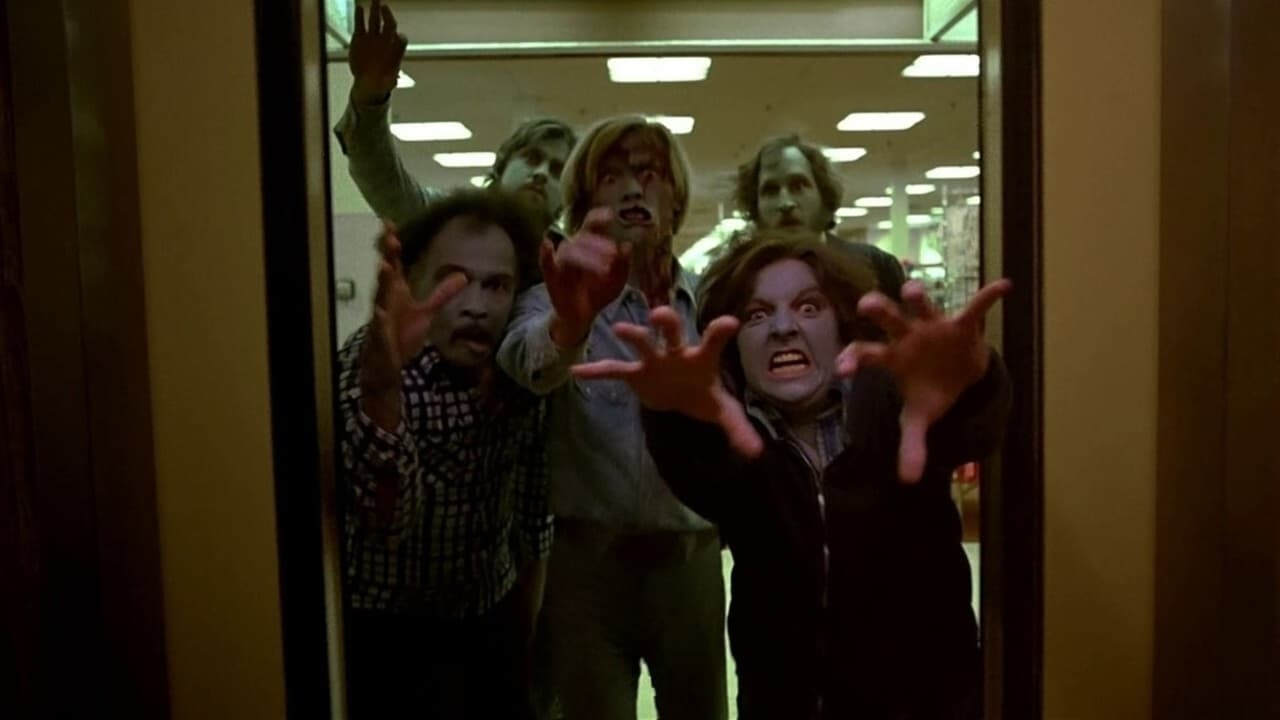
Forget the slow burn of its predecessor, Night of the Living Dead. Dawn throws us headfirst into the fire. The opening act, particularly the televised chaos and the SWAT raid on the inner-city tenement, is pure pandemonium. Romero captures the breakdown of order with a raw, almost documentary-like intensity. There's no time to ease in; society is crumbling now, and our four disparate survivors – TV station employees Stephen (David Emge) and Francine (Gaylen Ross) alongside SWAT officers Roger (Scott H. Reiniger) and Peter (Ken Foree) – make a desperate gamble, fleeing by helicopter towards an uncertain sanctuary.
Their discovery of the Monroeville Mall isn't just a plot point; it's the film's thematic core. What begins as a seemingly impenetrable fortress against the undead horde soon reveals its own traps. This temple of consumerism, stocked with endless supplies and distractions, becomes both a haven and a gilded cage. Romero masterfully uses this setting to unleash biting social satire alongside the visceral horror. The shuffling undead, drawn back to this place they frequented in life, become grotesque parodies of mindless shoppers. Remember that eerie, almost comical sight of zombies bumping into mannequins and escalators? It’s a stroke of genius that elevates Dawn beyond mere gore.
### The Savini Standard
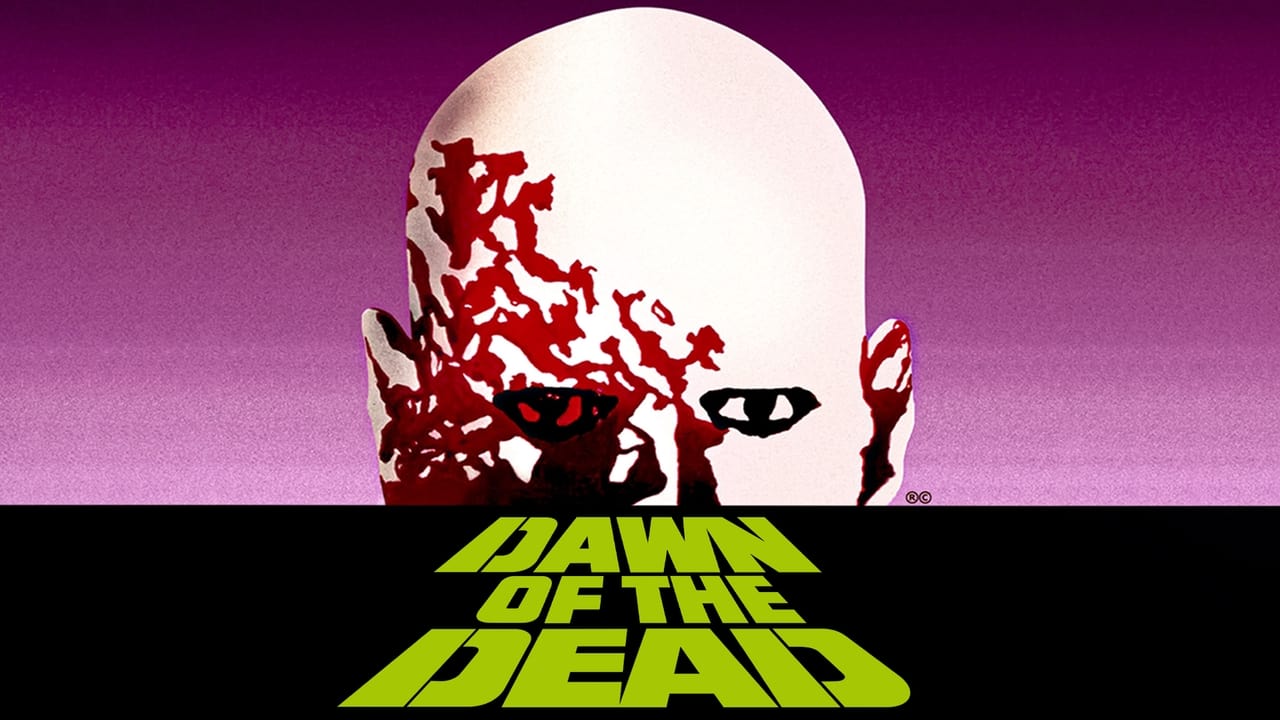
Let's talk about the blood. Oh, the blood. Makeup effects maestro Tom Savini, a Vietnam combat photographer who famously said his experiences informed his work, unleashed something truly groundbreaking here. Watched on grainy VHS, the exploding heads, ripped flesh, and spilled entrails felt disturbingly real. That vibrant, almost cartoonish red blood, a signature of the era, somehow made the violence more shocking, not less. It wasn't hidden in shadows; it was presented bright and centre, forcing you to confront the fragility of the human body. Savini pushed the boundaries of practical effects, setting a benchmark for gore that countless films would try (and often fail) to replicate. It’s said that during the filming in the actual mall (conducted overnight while it remained open during the day), the crew had to be meticulous about cleaning up the fake blood and gore before the morning shoppers arrived. Doesn't that image just perfectly capture the film's blend of the mundane and the horrific?
### Trapped with Themselves
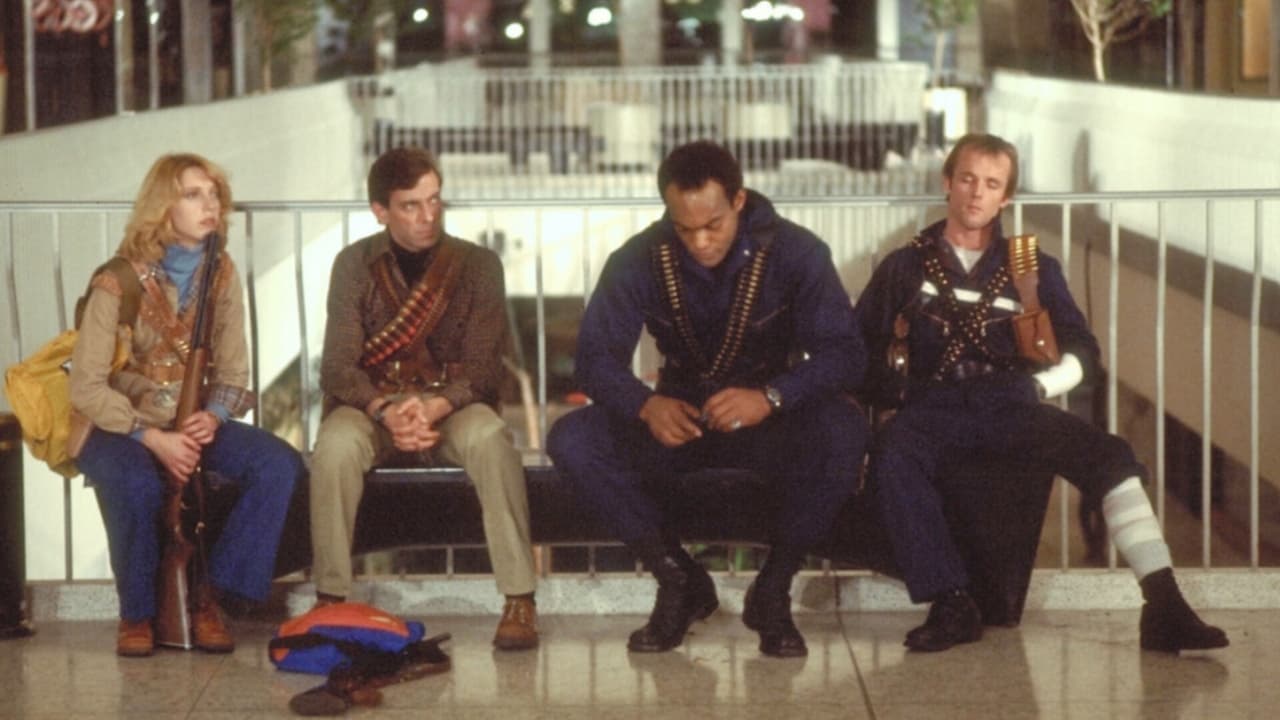
Beyond the zombie carnage, Dawn excels in its character dynamics. The initial adrenaline rush of securing the mall gives way to boredom, paranoia, and internal friction. Ken Foree delivers an iconic performance as Peter, the pragmatic anchor holding the group together, his quiet intensity radiating command. Scott H. Reiniger's Roger initially embraces the mall lockdown with almost boyish enthusiasm ("We got this place, we got this place locked up!") before the psychological toll mounts. Fran evolves from a damsel in distress figure into a capable survivor demanding agency, while Stephen grapples with his own insecurities and desire to play hero. Their interactions, the gradual breakdown of their initial camaraderie under immense pressure, feel authentic and add a layer of human tragedy to the horror spectacle.
Romero, working independently outside the studio system, directs with a steady hand, balancing intense action set pieces (like the unforgettable truck-clearing sequence) with quieter moments of reflection and dread. The pacing is deliberate, allowing the isolation and the existential threat to truly sink in. Depending on which version you first encountered on tape – the leaner, Argento-supervised European cut with its pulsating Goblin score, or Romero's longer US theatrical cut featuring more character moments and library music – the experience could differ, yet the core power remained undeniable.
### Enduring Decay
Dawn of the Dead wasn't just a sequel; it was a paradigm shift. It cemented the zombie as a potent allegorical figure and proved that horror could be intelligent, satirical, and relentlessly entertaining all at once. Its influence echoes through decades of zombie fiction, from comics to video games to countless films. Seeing it again, even now, transports you back to that specific feeling – the thrill of discovering something transgressive and important on a flickering screen, maybe rented from a local store with a slightly lurid cover. It wasn't just scary; it felt significant.

Rating: 9.5/10
Justification: Dawn of the Dead remains a towering achievement in horror cinema. Its blend of visceral gore (revolutionary for its time), sharp social commentary, compelling characters, and masterful use of setting creates an experience that is both terrifying and thought-provoking. While some aspects might feel dated to modern eyes, the sheer craft, Romero's confident direction, Savini's legendary effects, and the film's enduring thematic resonance make it an undeniable classic. The slight deduction accounts for minor pacing lulls in the longer cut for some viewers, but its impact and brilliance are virtually undeniable.
Final Thought: More than just a zombie movie, Dawn of the Dead is a darkly satirical snapshot of consumer culture tearing itself apart, a theme that perhaps resonates even more strongly today than it did on its initial, shocking release. It's a cornerstone of the genre and a testament to the power of independent horror filmmaking – a true gem from the golden age of dread on tape.