There's a particular kind of heartbreak tangled up in the buzzing fluorescent lights and humming machinery of military experimentation. Return of the Living Dead III doesn't just resurrect the dead; it twists love into a horrifying new shape, drenched in viscera and driven by a desperate, doomed romance. Forget the slapstick brain-eating of the earlier entries; this 1993 installment, often lurking on the higher shelves of the horror section, offered something far more unsettling, a gothic tragedy painted in crimson and chrome.

A Different Kind of Undead
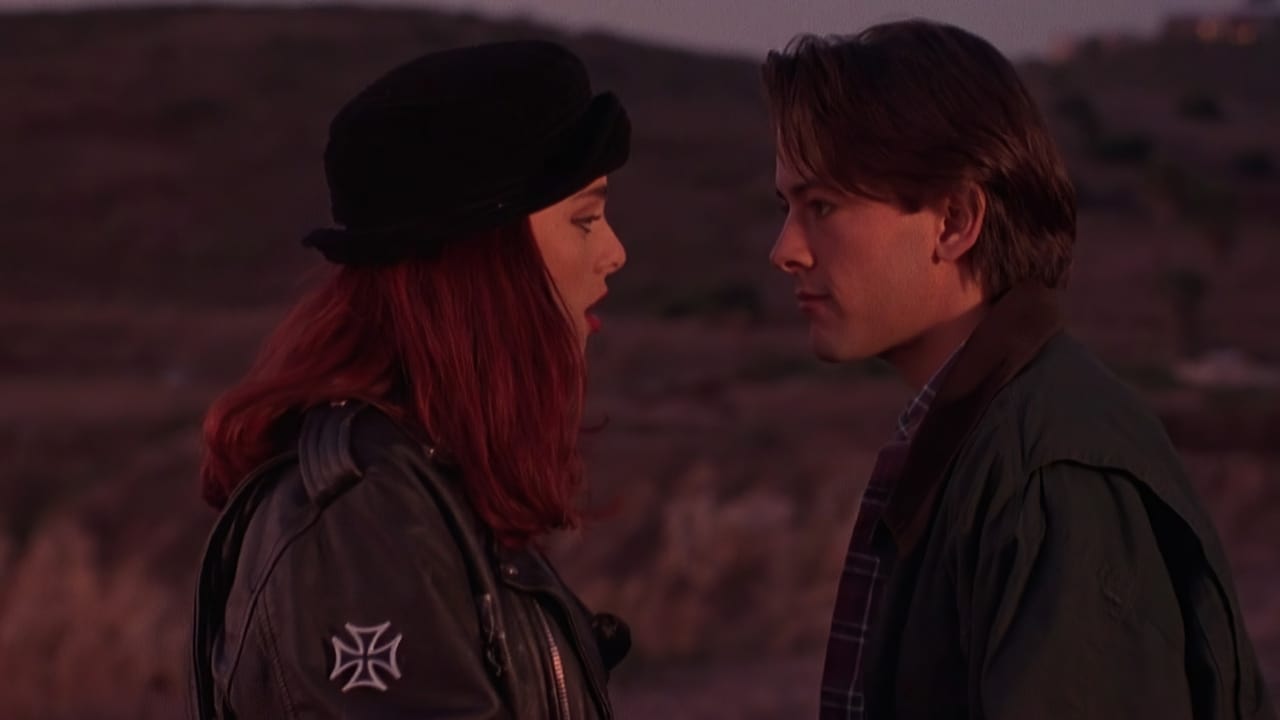
Directed by the master of societal and bodily meltdown, Brian Yuzna (whose disturbing vision gave us the unforgettable suburban horrors of Society (1989)), this film steers the Trioxin gas in a darker direction. We follow young lovers Curt (J. Trevor Edmond) and Julie (Melinda Clarke) whose lives are shattered by a motorcycle accident. Grief-stricken, Curt uses his father's (Colonel John Reynolds, played by Kent McCord) military access to expose Julie's corpse to the experimental gas, bringing her back. But resurrection here isn't a simple fix; it's the start of a terrifying metamorphosis, driven by an insatiable hunger and an unnerving connection between agony and control. This wasn't the punk rock zombie party of the original; this was something intimate, tragic, and deeply disturbing.
The Pain Pin-Up
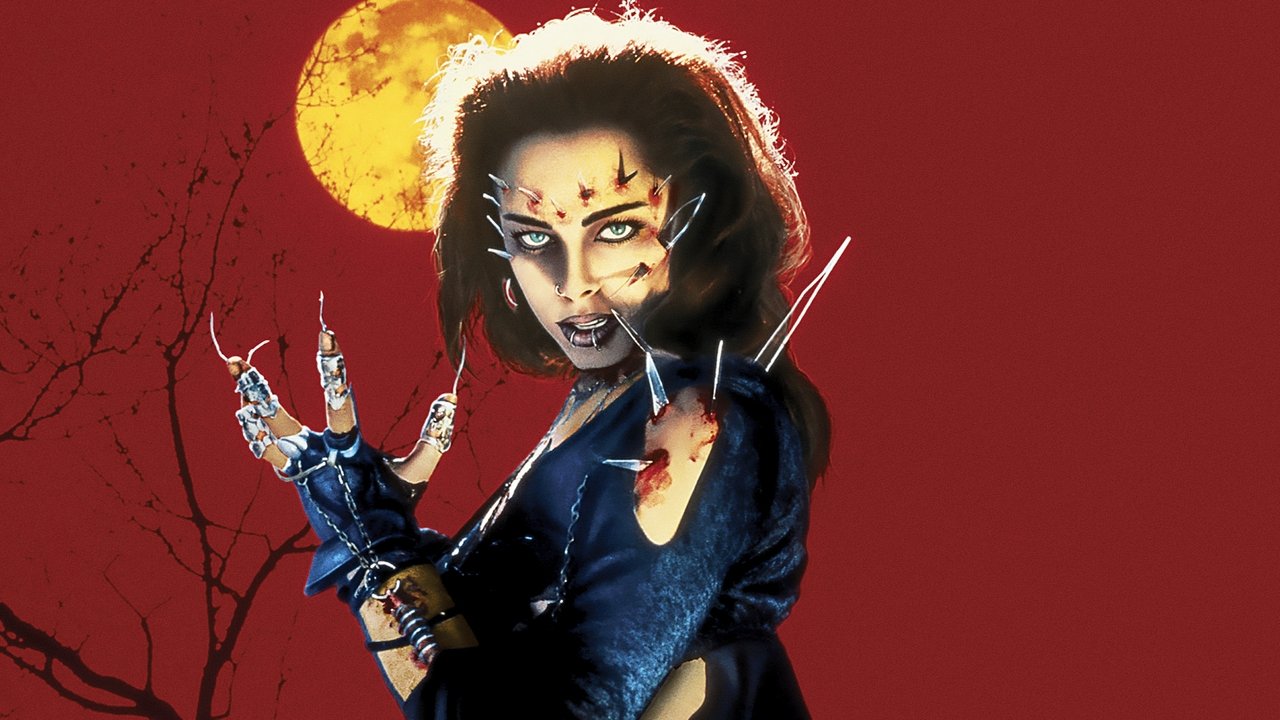
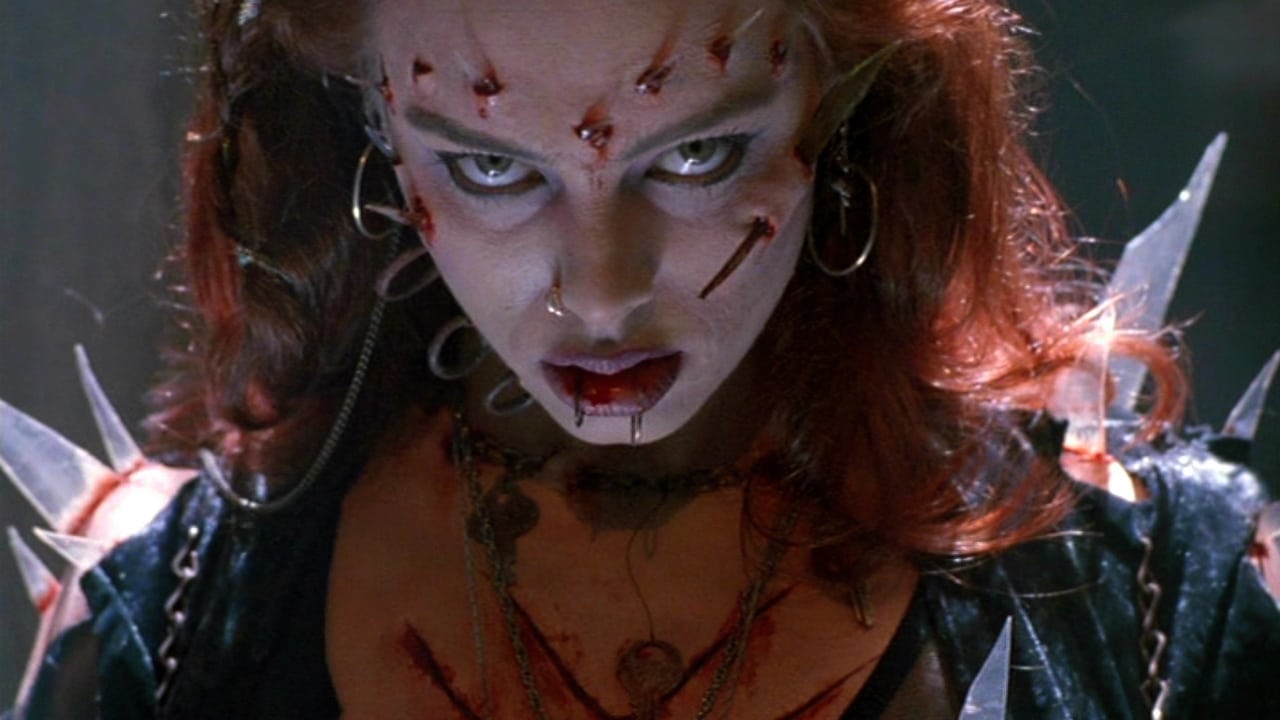
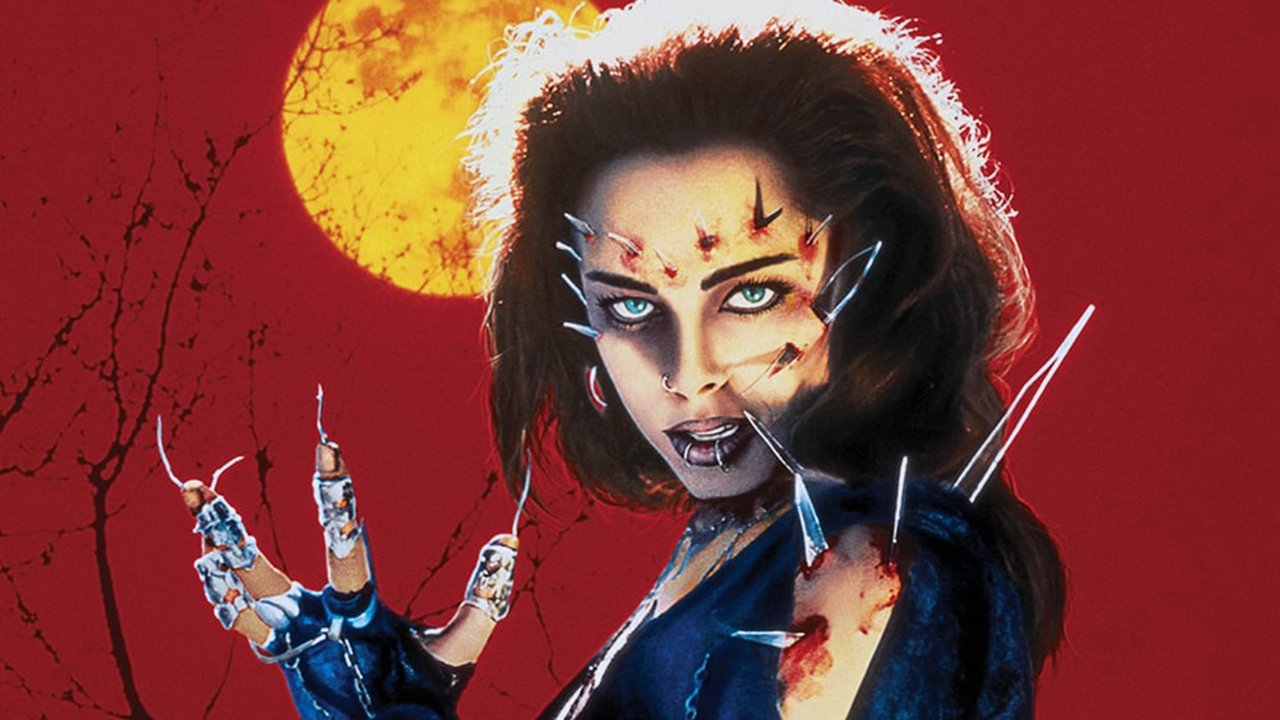
The undeniable, bleeding heart of Return of the Living Dead III is Melinda Clarke's unforgettable performance as Julie. Her transformation from vibrant girlfriend to ravenous ghoul, and then into something else entirely—a self-aware creature desperately fighting its own decay—is mesmerizing. The film's most potent and enduring imagery comes from Julie’s attempts to quell the zombie hunger through extreme self-mutilation. Piercing her flesh with glass, nails, and metal becomes a way to focus, to feel something other than the urge to feed. It's a shocking, transgressive concept that elevates the film beyond typical zombie fare. Clarke reportedly endured hours of makeup application for the various stages of Julie's decomposition and modification, a physical commitment that translates into a performance both terrifying and strangely sympathetic. Doesn't that final, unforgettable look – part punk icon, part Cenobite – still sear itself into your memory?
Yuzna's Grotesque Beauty
Brian Yuzna brings his signature style to the proceedings. The practical effects, while perhaps showing their seams by today's standards, possess a tangible, stomach-churning quality that CGI often lacks. Remember the visceral impact of those early 90s practical effects on a fuzzy CRT? Yuzna doesn't shy away from the gore, but here it serves the narrative of Julie's struggle and the horrific consequences of playing God. The production design leans into a grimy, industrial aesthetic, contrasting the cold military labs with the desperate flight of the lovers through rain-slicked streets and shadowy hideouts. This isn't just gore for gore's sake; it's body horror with a purpose, exploring themes of control, addiction (to pain, to flesh), and the monstrous lengths one might go to for love. It’s rumoured the unrated cut, often the version found gleaming darkly in its oversized VHS clamshell, restored several minutes of graphic effects trimmed for the R-rating, showcasing Yuzna's unflinching vision.
More Than Just Brains
While the plot follows a fairly standard "on the run" structure after Julie's resurrection, the film's strength lies in its emotional core and thematic risks. Unlike its predecessors, the focus shifts from chaotic zombie outbreaks to the intensely personal horror of Julie's condition and Curt's desperate attempts to protect her, even as she becomes increasingly dangerous. Some supporting characters feel a bit thin, existing primarily to become zombie chow, but the central relationship remains compellingly tragic. The film tapped into a certain 90s gothic sensibility, blending horror with a kind of dark romanticism that felt unique within the genre at the time. It wasn’t a huge box office smash, reportedly made for around $2 million, but like so many genre gems of the era, it found its devoted audience on home video, becoming a cult favorite whispered about in video store aisles.
Final Reckoning
Return of the Living Dead III is a fascinating outlier in its own franchise and in 90s horror cinema. It bravely jettisons much of the established tone for something bleaker, more focused, and surprisingly poignant amidst the carnage. Melinda Clarke delivers a star-making, physically demanding performance that anchors the film's disturbing exploration of love, death, and the horrors lurking within our own bodies. While perhaps not as outright fun as the original, its unique blend of gothic romance and extreme body horror makes it a standout entry, a testament to the power of practical effects and Brian Yuzna's particular brand of cinematic nightmare.
Rating: 8/10
A genuinely unsettling and tragically romantic body horror piece that pushed boundaries and gave us one of the genre's most striking and tortured figures. It remains a potent reminder of when horror could be both grisly and heartbreaking, a feeling that lingers long after the tape rewinds.