Some horror chills you to the bone with existential dread or masterful suspense. Other horror… well, it just makes your skin crawl, leaving a residue of grime and unease. Andrea Bianchi's Burial Ground (1981) belongs firmly in the latter camp. Known variously as Le Notti del Terrore, The Nights of Terror, or even opportunistically as Zombi 3 in some markets trying to ride Lucio Fulci's coattails (Zombi 2 having hit screens in '79), this is a grimy, low-budget slice of Italian zombie mayhem that feels less like a polished nightmare and more like a fever dream dredged up from the damp earth itself. Watching it again now, decades after first encountering its lurid promise on a dusty video store shelf, that feeling of clammy discomfort remains remarkably potent.
An Invitation to Decay
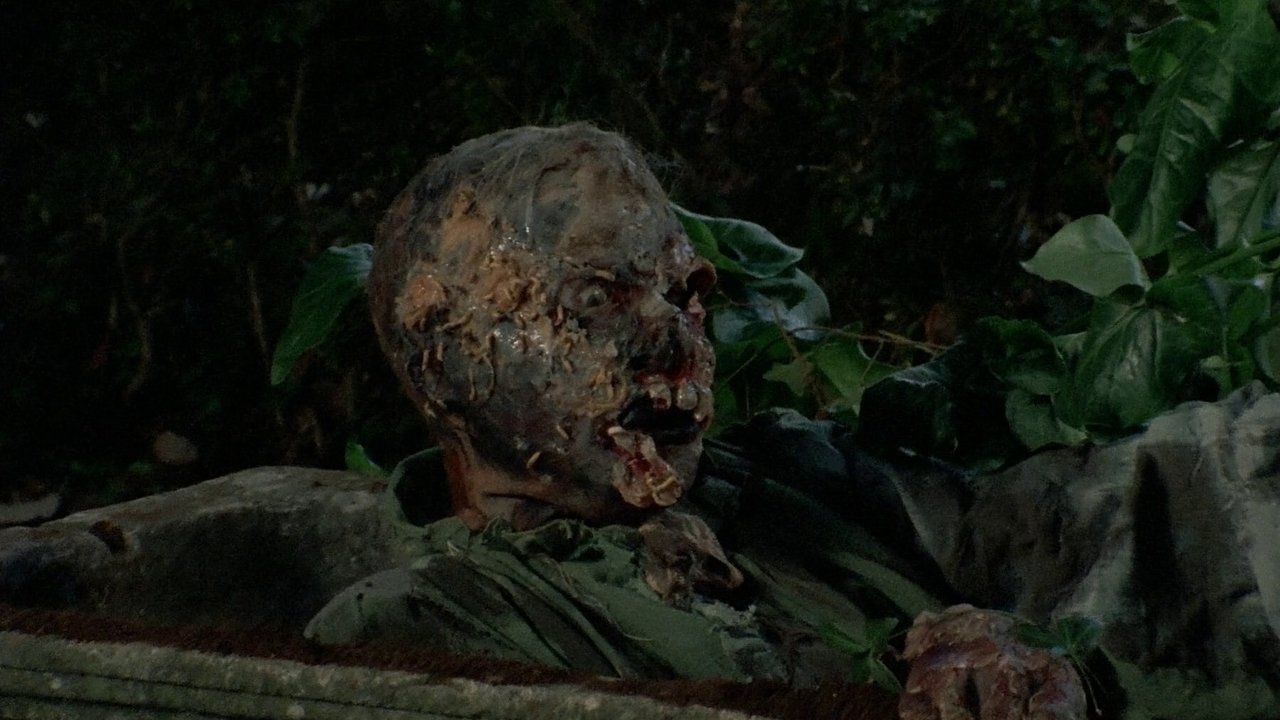
The setup is classic gothic horror filtered through the lens of cheap European exploitation: a brilliant archaeologist disturbs an ancient crypt near his sprawling, isolated mansion, unleashing… well, you know what he unleashes. Soon, a group of his associates arrives for a weekend getaway, blissfully unaware they're walking into a charnel house. Director Andrea Bianchi, a journeyman of Italian genre cinema known for pushing boundaries, uses the primary filming location – the genuinely atmospheric Villa Parisi near Rome (a spot also favoured by Fulci) – to great effect. Its faded grandeur and slightly overgrown gardens lend a layer of tangible decay that perfectly mirrors the walking corpses shuffling just beyond the treeline. There’s an inherent creepiness to the setting before the first zombie even appears.
The Living Dead, Italian Style
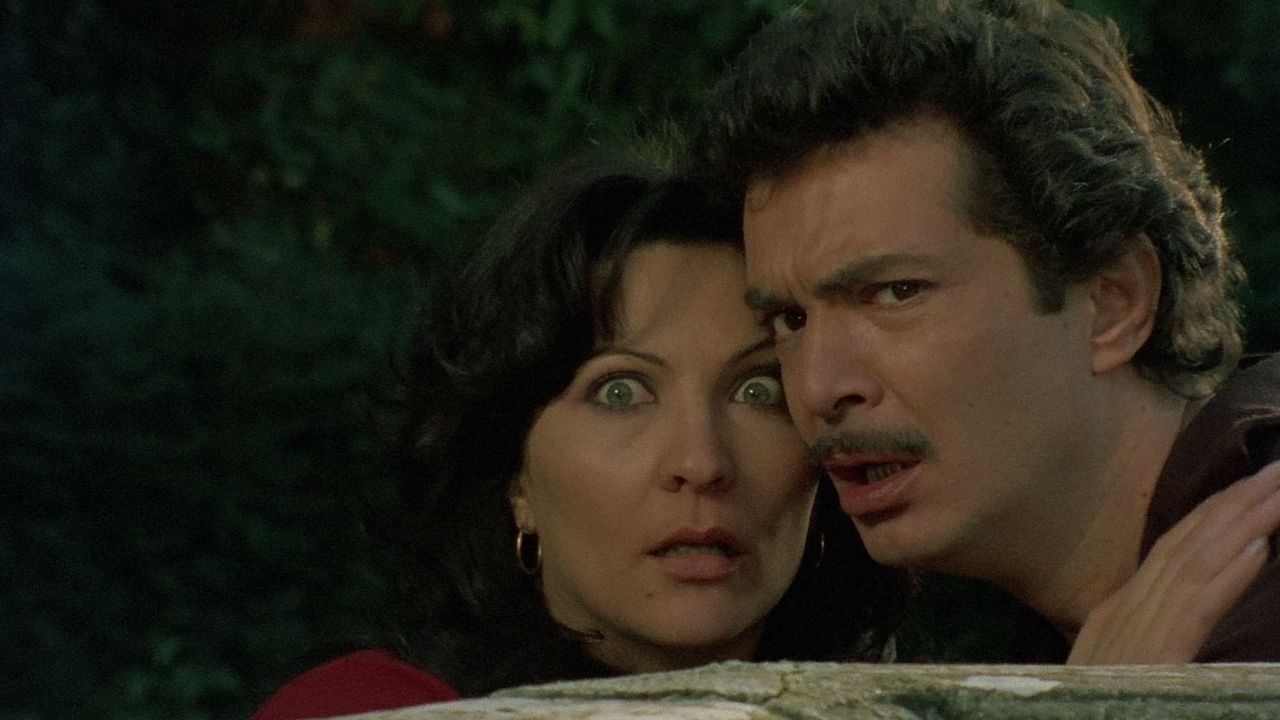
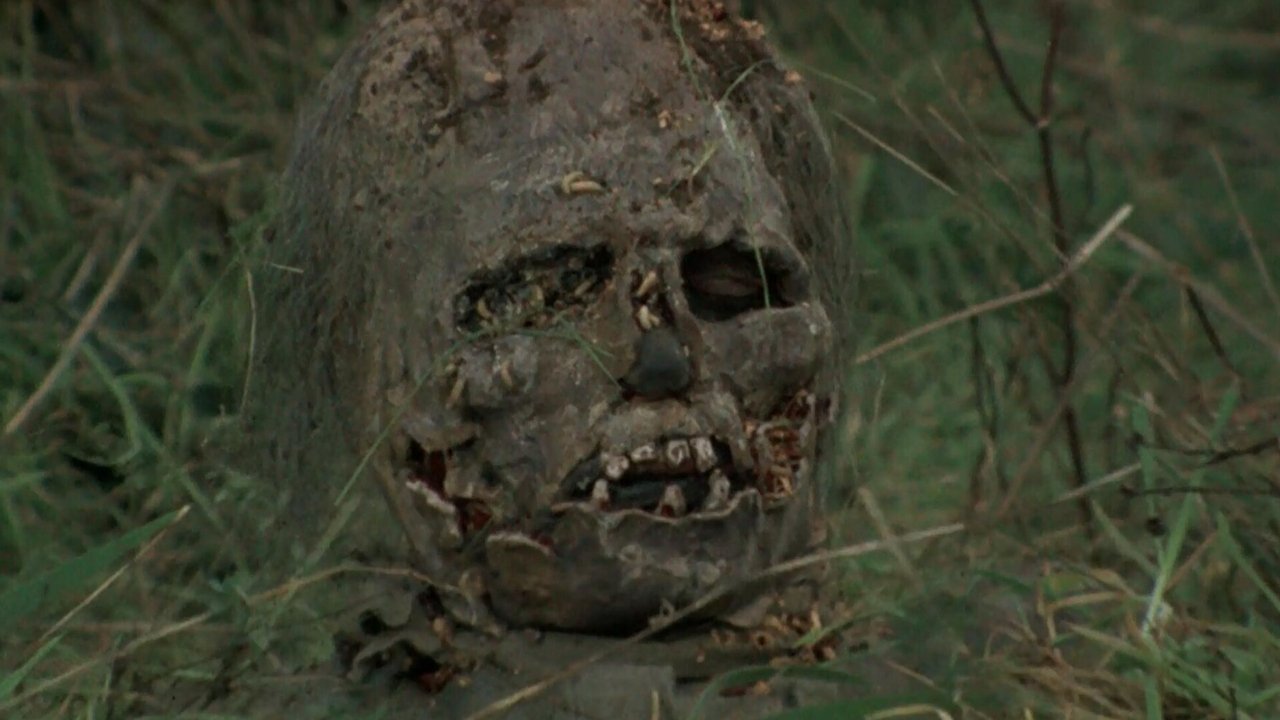
Forget the athletic sprinters of modern zombie lore. These are the progeny of Romero, filtered through the gore-soaked sensibilities of 80s Italy. They are slow, shambling, relentlessly hungry figures, often sporting surprisingly effective (for the budget) bits of practical decay. Maggots squirm, flesh sloughs off, and their eyes hold a vacant, implacable menace. Bianchi doesn’t skimp on the viscera; the practical effects, while undeniably dated by today's CGI standards, carried a certain grotesque weight on grainy VHS. Heads are split by pickaxes, throats are torn out with gusto, and there’s a palpable sense of physical violation. These effects felt disturbingly real back then, didn't they? Tangible, physical horrors achieved with latex, stage blood, and undeniable, almost gleeful, commitment by the effects team.
The Unsettling Son
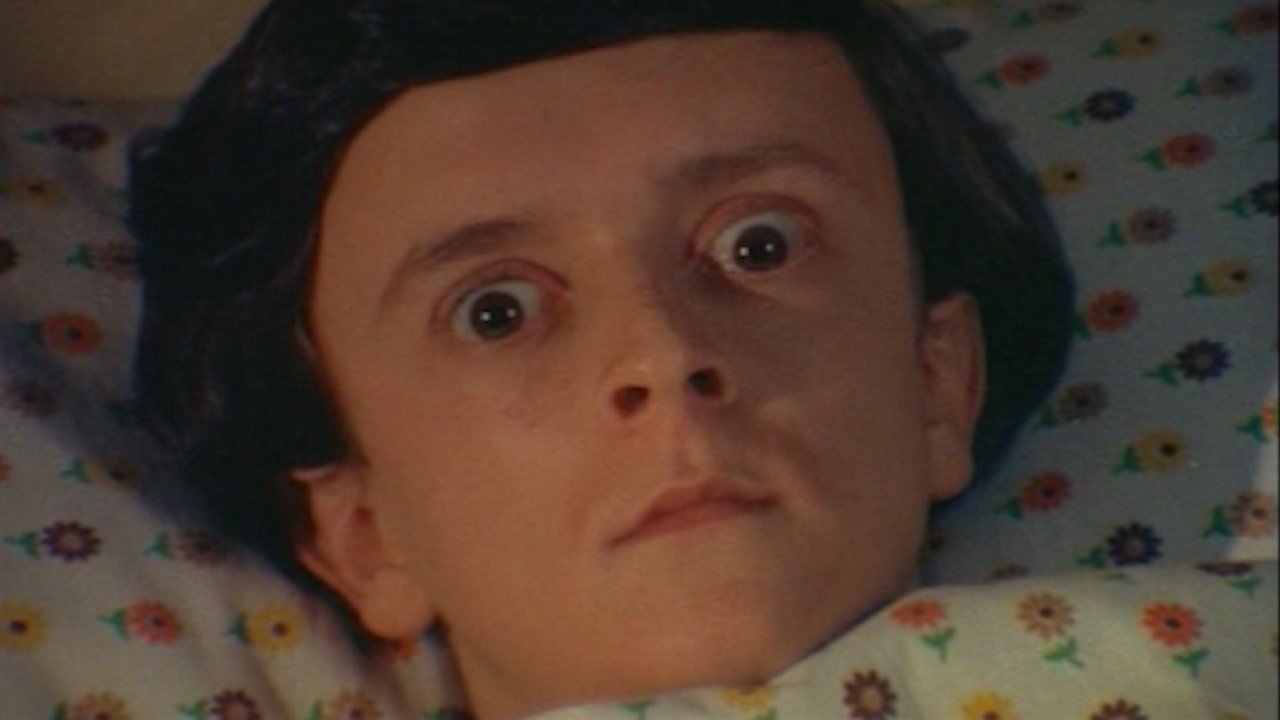
But let's be brutally honest. The element seared into the memory of anyone who’s survived a viewing of Burial Ground isn't just the gore or the atmosphere. It’s Michael. Played, quite incredibly, by 25-year-old diminutive actor Peter Bark (real name Pietro Barzocchini), the character is meant to be the young, pampered son of Evelyn (played by Karin Well). The result is one of the most genuinely bizarre and unsettling casting choices in exploitation cinema history. It wasn’t just the unnerving visual disconnect; certain infamous scenes, particularly his interactions with his mother, push boundaries of taste and comfort in a way that still feels profoundly uncomfortable and transgressive today. Rumours swirled for years about why Bark was cast – was it a lack of available child actors willing to be in such a gruesome film? A strange directorial whim? Whatever the reason, the effect is undeniably creepy, adding a thick layer of weirdness that transcends the typical zombie narrative. It’s a choice that transforms the film from merely gory to genuinely strange.
Gore, Grime, and Grindhouse Charm
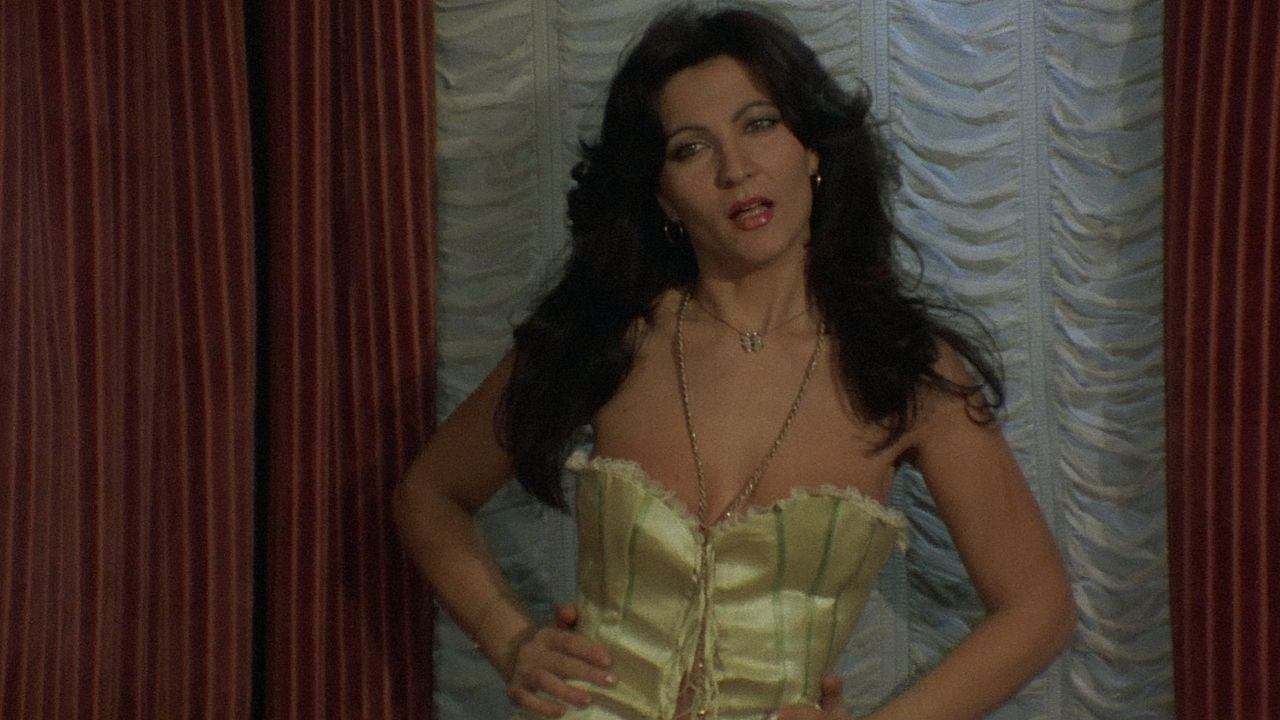
Bianchi throws everything at the screen. The violence is frequent and graphic, often lingering just a beat too long. There's a pervasive sense of sleaze hanging over the proceedings, typical of certain strains of European horror from the period. The film often feels crudely stitched together, a likely product of its rumoured rapid shooting schedule (some say mere weeks) and minuscule budget. Characters make baffling decisions, dialogue can be clunky, and the plot is essentially just a framework for escalating sieges and splatter.
Yet, this very roughness contributes to its particular, repellent effectiveness. It doesn't feel safe or polished. It feels dangerous, like one of those tapes passed around furtively amongst friends, something you watched late at night with the volume low, half-expecting someone to burst in and tell you to turn it off. It captured that grindhouse energy, that feeling of seeing something raw and maybe a little forbidden.
Legacy of Unease
Is Burial Ground a good film by conventional metrics? Let's be realistic – probably not. The acting is highly variable (though Simone Mattioli as the doomed James has his moments), the script rudimentary, and the pacing occasionally drags between the set pieces. But does it leave an indelible impression? Without a doubt. It’s a potent little shocker, a testament to that wild, untamed era of Italian horror filmmaking where shock value often bulldozed coherence, budgets were tight but ambitions bloody, and where certain images, no matter how crudely rendered or bizarrely conceived, could burrow under your skin and fester there for decades. It’s a film that perfectly encapsulates the weird treasures you could unearth in the horror section back in the day.
Rating: 6/10
This score reflects its status as a cult oddity, not a masterpiece. It's rough around the edges (and sometimes in the middle), technically flawed, and features one of cinema's most notorious casting choices. But for fans of grimy 80s Italian zombie fare, Burial Ground delivers unforgettable gore, a surprisingly effective decaying atmosphere, and a level of sheer weirdness that makes it stick in your mind long after the tape stops rolling. It's a fascinatingly uncomfortable artifact, essential viewing for connoisseurs of Euro-horror's stranger shores.