They don't make 'em like this anymore. Not really. The air itself felt different when you slid this tape into the VCR, didn't it? 1990's Night of the Living Dead wasn't just a remake; it felt like an echo from a nightmare you couldn't quite shake, rendered in the stark, visceral hues of the era. Stepping into the shadow of George A. Romero's 1968 masterpiece, a film that birthed the modern zombie genre, was a monumental task. Yet, who better to helm this updated descent into chaos than the Sultan of Splatter himself, makeup effects maestro Tom Savini, the very man who'd drenched Romero's subsequent Dead films in unforgettable gore? This wasn't just a directorial debut; it was a trial by fire, under the watchful eye of the godfather of the genre.
More Colour, More Carnage
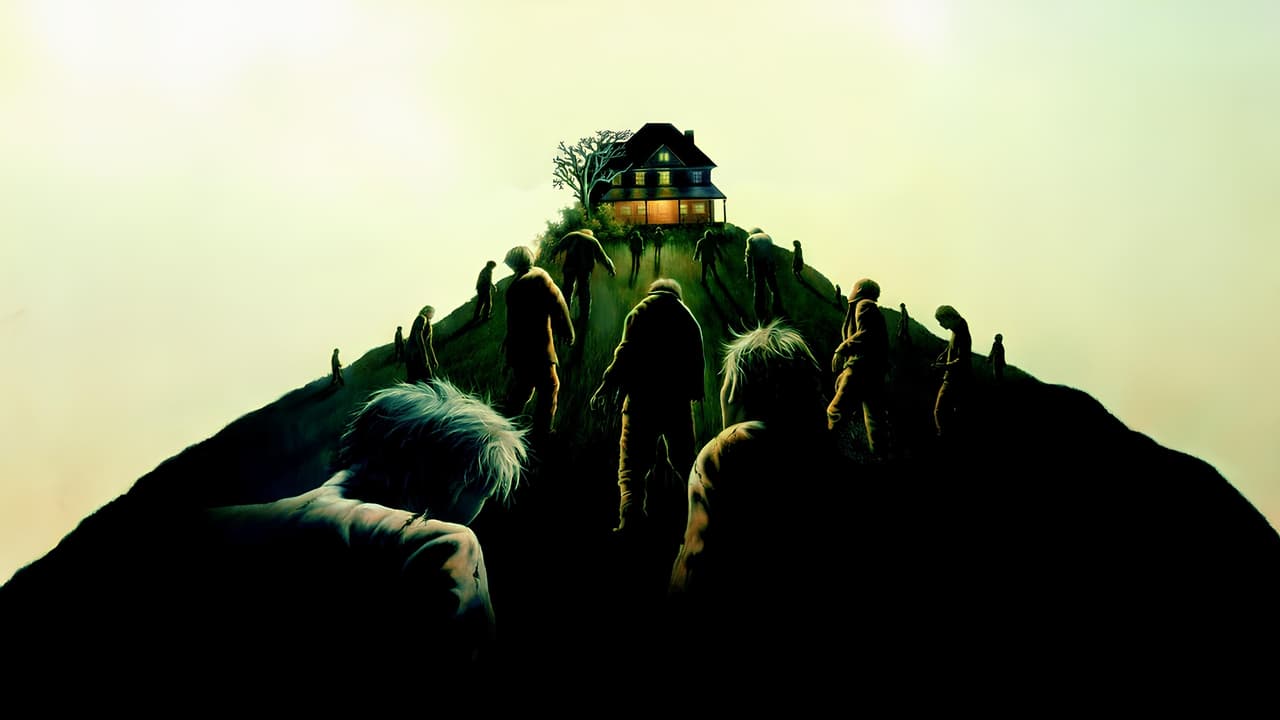
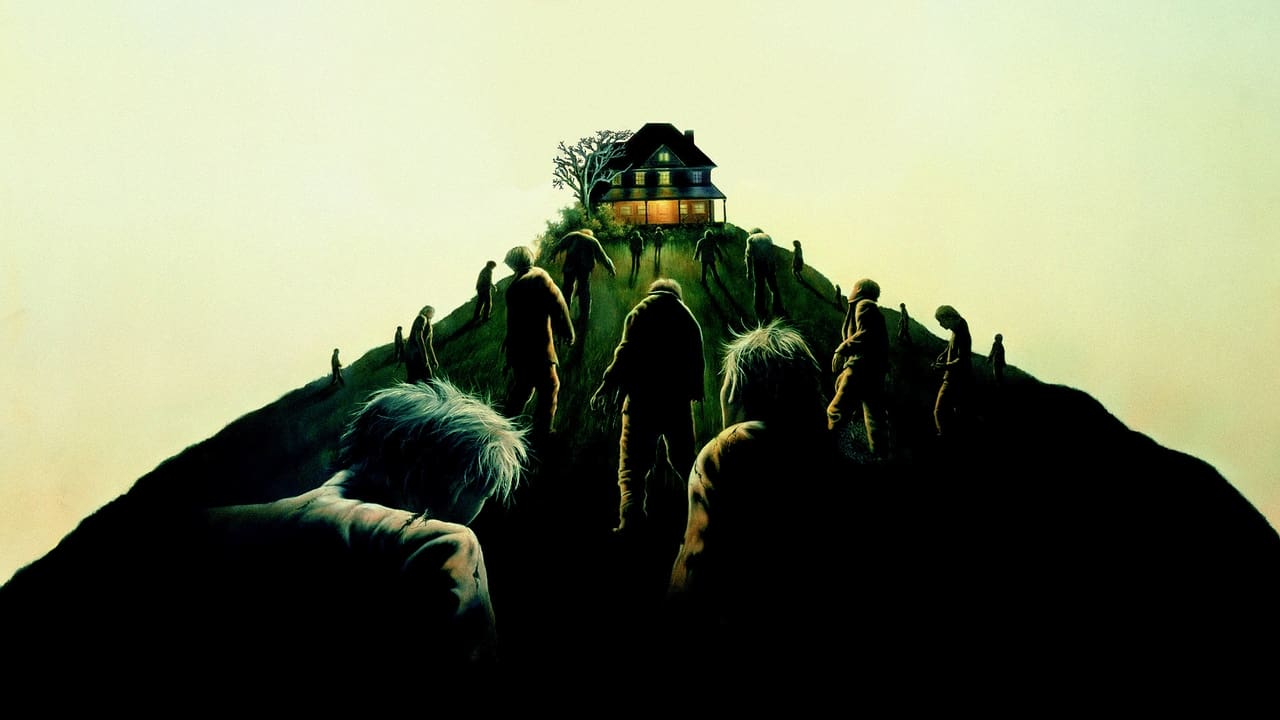
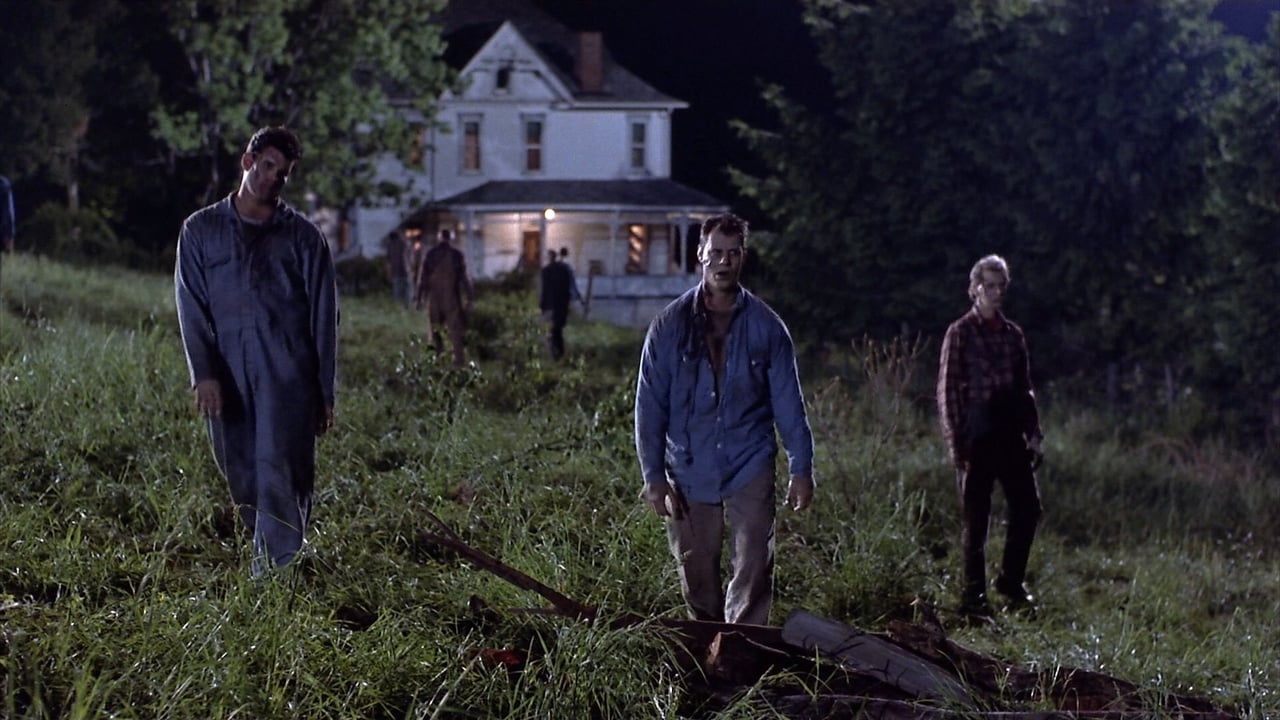
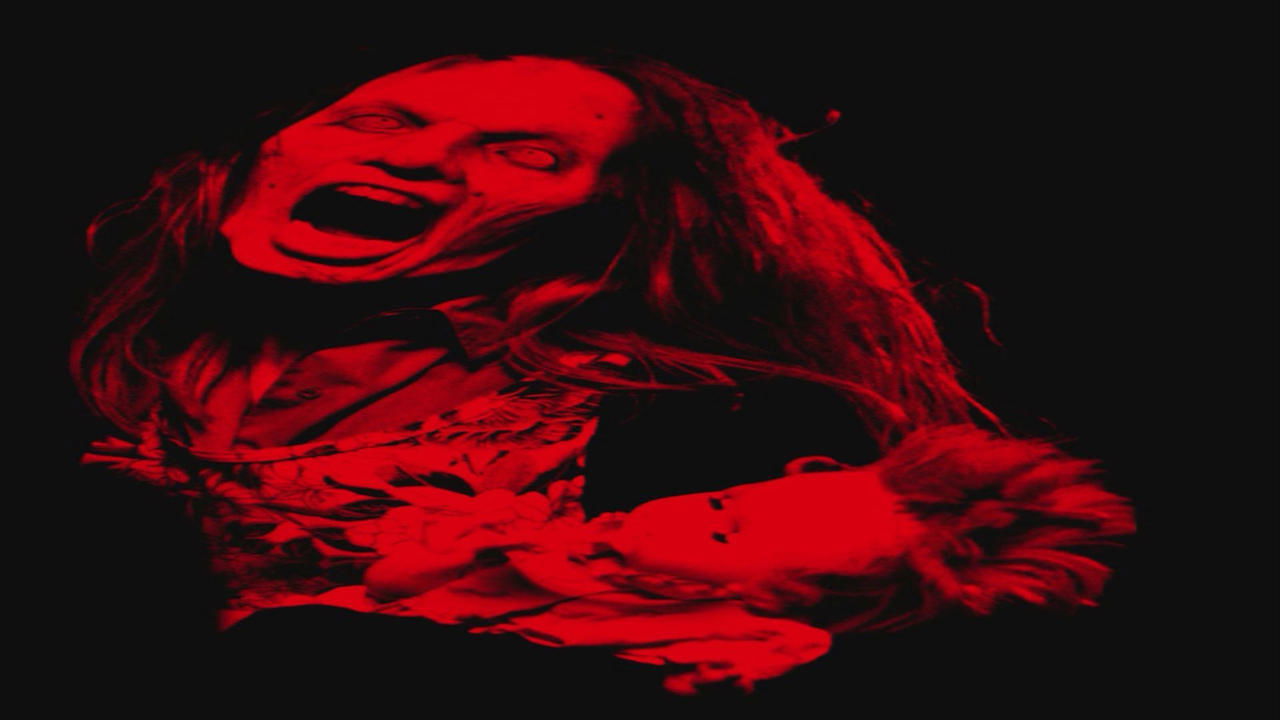
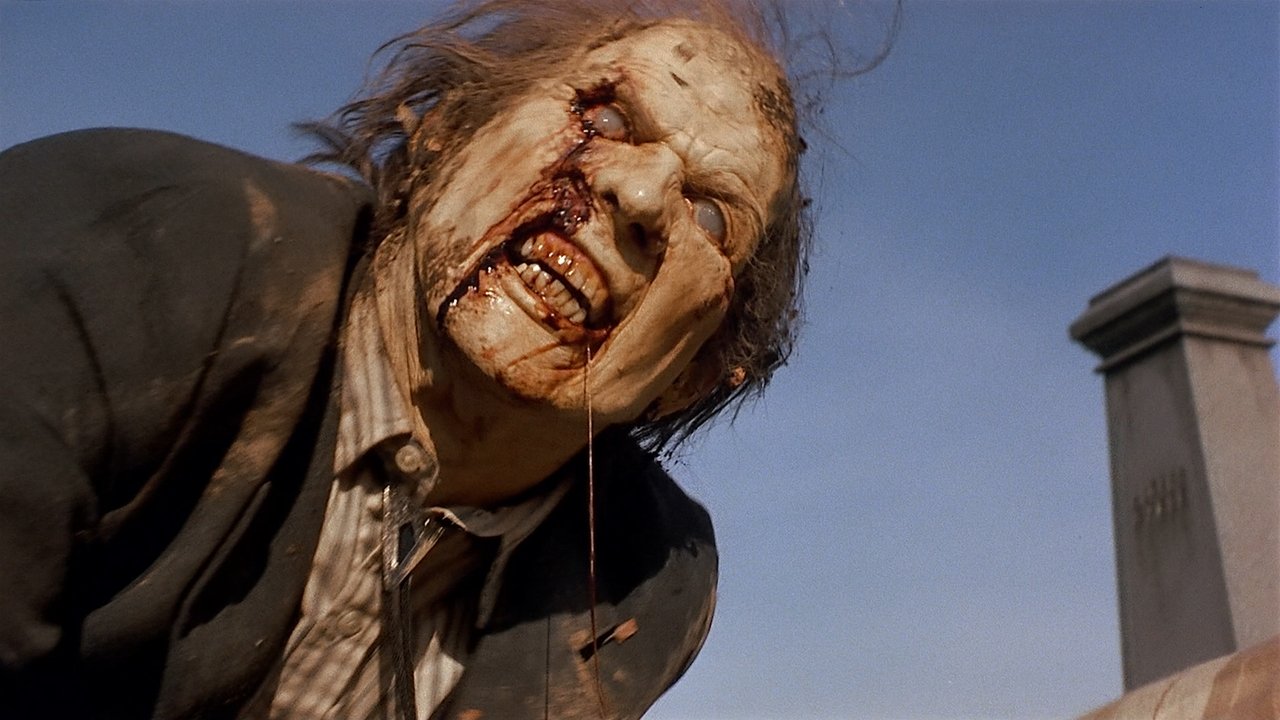
From the outset, Savini's vision is distinct. Where the original thrived on grainy, monochrome dread, this version bursts with the saturated colours of impending doom – the sickly green of decay, the improbable crimson of arterial spray. Savini, leveraging the skills honed on films like Dawn of the Dead (1978) and Friday the 13th (1980), doesn't just replicate the horror; he amplifies its physicality. The ghouls here feel more aggressive, their decay rendered with a loving, grotesque detail that only Savini could provide. Remember the first shocking zombie reveal in the cemetery? It sets a tone – familiar, yet somehow nastier. It’s fascinating to know that Romero himself co-wrote this adaptation, partly as a way to finally secure stronger copyright protection and financial footing after the original famously lapsed into the public domain, leaving him with little profit from his own creation. Savini, given considerable freedom, aimed to modernize the terror, facing his own battles with the MPAA who demanded trims to the gore even in 1990 – a testament to how effectively he pushed the envelope.
Not Your Mother's Barbara
Perhaps the most striking and debated change lies within the besieged farmhouse walls. The catatonic Barbara of '68 is gone, replaced by a woman forged in the crucible of terror. Patricia Tallman (later known to sci-fi fans from Babylon 5) delivers a performance leagues away from Judith O'Dea's shell-shocked original. This Barbara, initially terrified, finds a steely resolve. She learns to fight, to think, shedding her vulnerability like a snake sheds its skin. It was a deliberate choice by Savini, aiming to correct what he saw as a weakness in the original's portrayal. Tallman, impressively, performed many of her own stunts, adding a layer of raw physicality to Barbara’s transformation. Her evolution provides a new dynamic, shifting the power balance within the group and creating fresh friction, especially with the stubbornly pragmatic Harry Cooper.
Familiar Faces, Fresh Fear
Leading the desperate survivors is Ben, embodied with commanding presence by the great Tony Todd, just a couple of years before his iconic turn in Candyman (1992). Todd brings a simmering intensity and inherent authority to the role, a worthy successor to Duane Jones. His clashes with Tom Towles' Harry Cooper crackle with tension. Towles, unforgettable as the chilling Otis in Henry: Portrait of a Serial Killer (1986), makes Cooper even more abrasive and dangerously self-serving than his predecessor. The arguments aren't just about strategy; they're primal clashes of will, amplified by the relentless moaning and clawing just beyond the boarded-up windows. The claustrophobia feels potent, the desperation palpable, filmed, like the original, in the isolating rural landscapes of western Pennsylvania.
Shadow of a Masterpiece
Does it surpass the original? For most, the answer is likely no. Romero's 1968 film possesses a raw, accidental power – a socio-political commentary born of its time, an atmosphere of existential dread that transcends its low budget. Savini's remake is slicker, gorier, and arguably more focused on visceral horror than deep-seated commentary, though echoes of societal breakdown remain. The $4.2 million budget allowed for more elaborate effects, but it inevitably lost some of the original's gritty immediacy. The box office return of around $5.8 million reflected a somewhat muted reception; it performed respectably but didn't set the world ablaze, perhaps hampered by the very reverence audiences held for the film it was remaking. Yet, viewed on its own terms, especially through the lens of 90s horror and the era of practical effects dominance, it’s a remarkably solid and often brutal piece of work. Savini proved he could orchestrate terror behind the camera, not just design it.
Rating: 7/10
This score reflects a technically proficient, often thrilling horror film that succeeds largely thanks to Savini's visceral effects and the crucial, empowering update to the Barbara character, alongside strong performances from Todd and Tallman. It delivers the requisite zombie siege thrills and gore with gusto. However, it inevitably exists in the immense shadow of its groundbreaking predecessor, lacking the original's profound cultural impact and unsettling ambiguity. It's a strong, often gruesome effort, but not quite the genre milestone the first film was.
Savini's Night of the Living Dead might not have rewritten the rulebook like Romero's original, but popping that tape in always felt like revisiting a familiar nightmare given a sharper, bloodier edge. It remains one of the better horror remakes from an era often criticized for them, a testament to Savini's understanding of Romero's world, even as he painted it in his own distinct shades of dread and decay. Doesn't that final shot still leave a bitter taste?