Okay, settle in. Flick off the main lights, leave just that one lamp casting long shadows across the room. Remember that feeling? The slight static hum from the CRT, the whir of the VCR pulling the tape taut. Tonight, we're digging into a particularly grimy corner of the video store shelf, a tape box that promised guttural horror but delivered something... else. We’re talking about Claudio Fragasso’s 1990 contribution to the undying hordes, After Death (often slapped with the entirely unofficial Zombie 4 moniker).
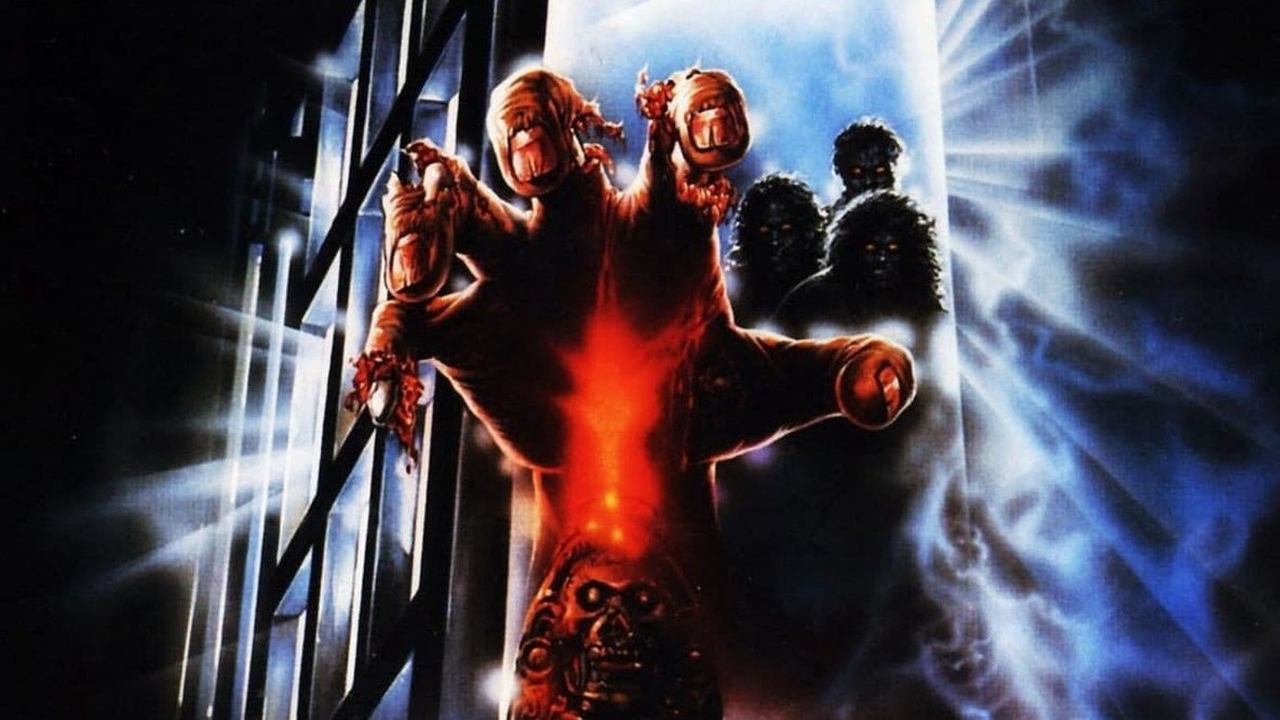
This isn't the creeping dread of Romero or the surreal nightmare logic of Fulci, though it desperately wants to be. No, After Death is something uniquely... Fragasso. It plunges you headfirst into a fever dream of bad dubbing, baffling plot turns, and gore effects that somehow manage to be both repulsive and hysterically overwrought. It's the kind of film where the chill isn't just from the zombies, but from the creeping realization of the cinematic chaos unfolding before your eyes.
Island of the Incoherent
The premise, scribbled down by Fragasso’s frequent collaborator (and wife) Rossella Drudi (the duo responsible for the legendary Troll 2), is simple enough on paper. Scientists unwisely disturb sacred ground on a remote island, unleashing ancient voodoo spirits and, naturally, zombies. Years later, a group of mercenaries and the daughter of one of the original scientists return, seeking... well, it’s not entirely clear. Treasure? Answers? An excuse for shambling corpses to tear people apart? The plot serves merely as flimsy connective tissue between scenes of zombie mayhem, often feeling like it was improvised on the spot during filming in the budget-friendly Philippines – a common practice for these Italian exploitation quickies often shot back-to-back.
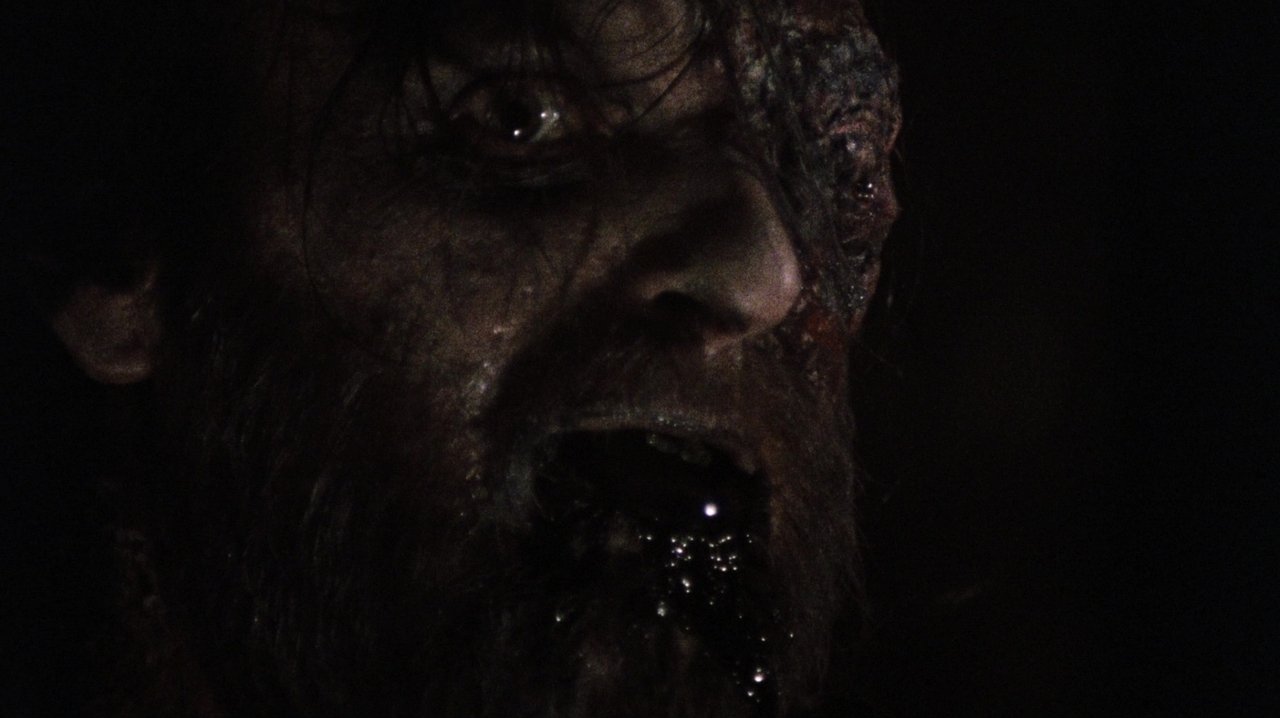
What truly sets After Death apart, even in the annals of low-budget Italian horror, is its sheer, unrelenting strangeness. Logic takes a permanent vacation. Characters make baffling decisions. Dialogue, filtered through often hilarious dubbing, ranges from exposition dumps to nonsensical threats. There’s an earnestness to the proceedings, a genuine attempt to create scares, that clashes beautifully with the inept execution, creating a vortex of unintentional entertainment.
A Star Turn of a Different Kind
And then there’s the casting. Oh, the casting. In a move that still boggles the mind, the lead role of Chuck, the stoic mercenary, is filled by none other than adult film superstar Jeff Stryker. Seeing him attempt dramatic line readings and mow down zombies with a machine gun is an experience unlike any other. There’s a stiffness, an awkwardness, that transcends typical bad acting – it’s a performance existing in its own bizarre dimension. Did he know what he was getting into? Stories vary, but his presence adds an undeniable layer of WTF peculiarity that elevates After Death from forgettable Z-movie to unforgettable cult oddity. Alongside him, Candice Daly (who sadly passed away far too young) tries her best as the returning daughter, Jenny, and Italian action regular Massimo Vanni (credited here as Alex McBride) brings his usual rugged presence, likely wondering how this jungle shoot compared to his stints with Enzo G. Castellari.
Gore Galore and Budgetary Blues
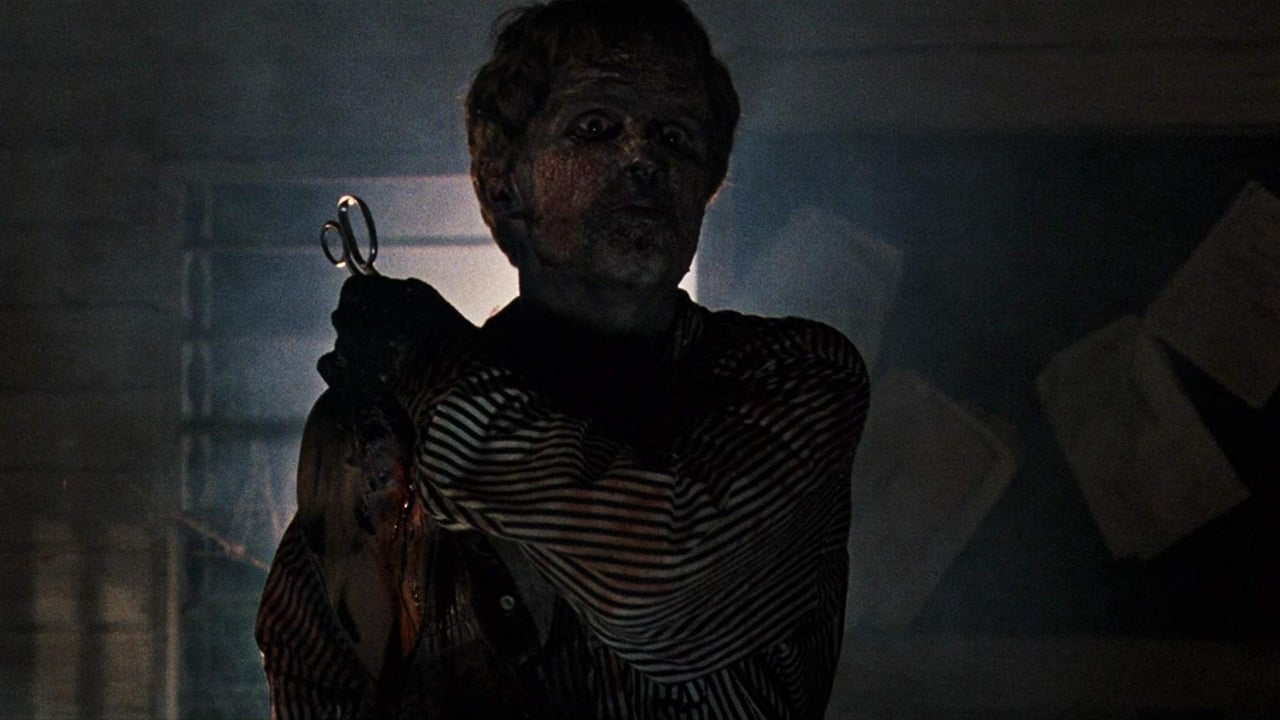
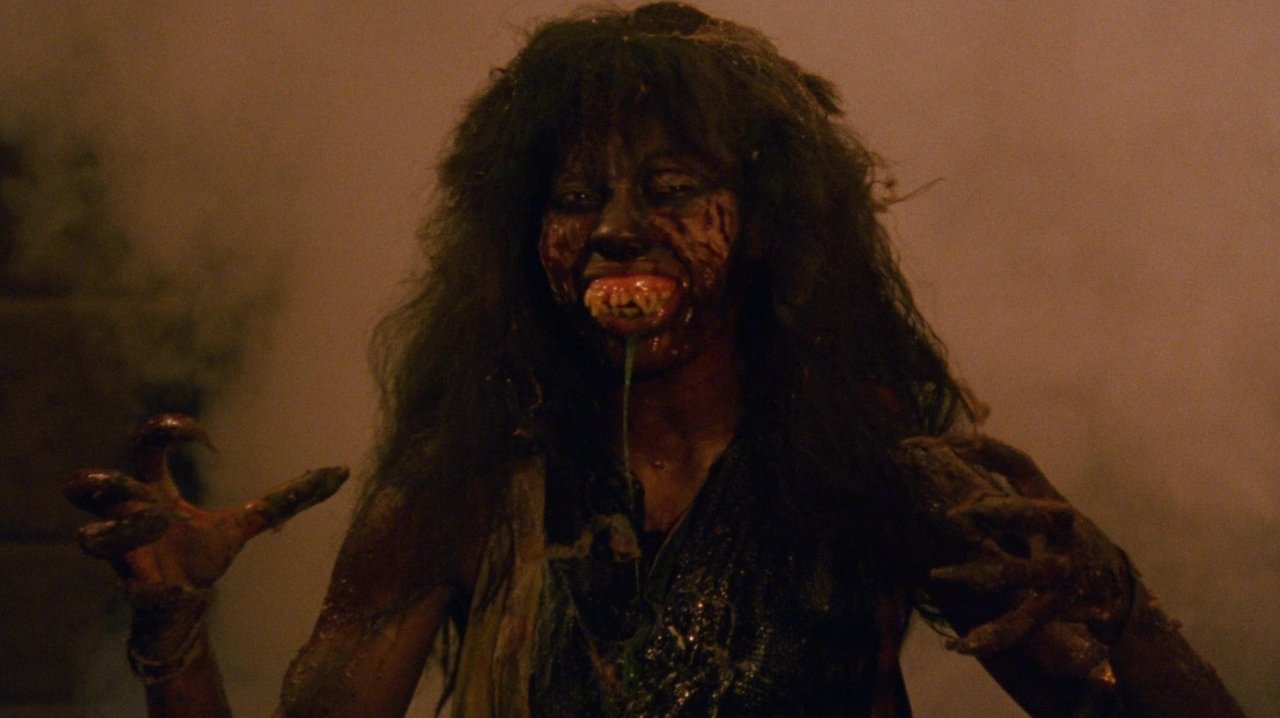
Where After Death delivers, in its own grotesque way, is the gore. Fragasso, never one for subtlety, throws everything at the screen. Heads explode with firecracker-like force, torsos are ripped open, limbs are gnawed upon, and there’s a general sense of sticky, messy carnage. The zombie makeup is rudimentary – greyish skin, some latex wounds – but effective in its cheapness. These aren't sophisticated ghouls; they’re crude, shambling horrors spat out by a production that clearly prioritized quantity over quality when it came to blood and guts. You can almost feel the humidity of the Philippine locations mixing with the corn syrup blood. Remember those practical effects? They might look rough now, but back then, glimpsed on a fuzzy VHS, that head explosion felt viscerally real in a way CGI rarely achieves. The sheer audacity of some of the gore gags is almost admirable, a testament to practical effects artists working miracles with minimal resources.
The film's low budget ($200,000, reportedly) is evident everywhere, from the sparse sets to the sometimes shaky camerawork. Yet, Fragasso manages moments of accidental atmosphere. The initial voodoo ritual possesses a strange energy, and the relentless, if clumsy, zombie attacks generate a certain chaotic momentum. The synth score is standard-issue Italian horror fare, pulsating and occasionally effective, but mostly forgettable. It’s the visual chaos and the narrative incoherence that leave the lasting impression.
Legacy of the Living Dreadful
After Death never achieved mainstream recognition, destined for the straight-to-video market and late-night cable slots. Its unofficial Zombie 4 title was pure marketing opportunism, trying to leech off the reputation of Lucio Fulci's Zombi 2 (aka Zombie) and its sequels. Yet, like its sibling-in-spirit Troll 2, it found a second life among connoisseurs of cinematic trash. It’s a film you watch with friends, laughing at the absurdity, gasping at the gore, and collectively trying to piece together the nonsensical plot. Does that zombie just teleport? Did he really just say that? It’s an interactive viewing experience fueled by disbelief.
This isn't a film to watch for sophisticated scares or compelling characters. It's a time capsule of a specific brand of filmmaking – cheap, opportunistic, utterly bonkers Italian exploitation horror. It’s a reminder of a time when enthusiasm and fake blood often mattered more than coherent screenplays or recognizable actors (outside of certain specialized genres, apparently).

Rating: 3/10
Let's be brutally honest: on any conventional metric, After Death is a terrible film. The acting is atrocious (especially Stryker), the plot is a mess, and the production values are bargain-basement. Yet, the rating reflects its objective quality, not its entertainment value for the right audience. The gore effects are plentiful and often hilariously over-the-top, Fragasso's direction has a certain lunatic energy, and the sheer weirdness of it all makes it compulsively watchable for bad movie lovers. Points are awarded solely for the practical gore ambition and the unintentional comedy factor.
After Death remains a fascinating artifact – a testament to low-budget ambition, questionable casting choices, and the enduring, inexplicable appeal of Italian zombie schlock from the VHS era. It’s dreadful, yes, but memorably so.