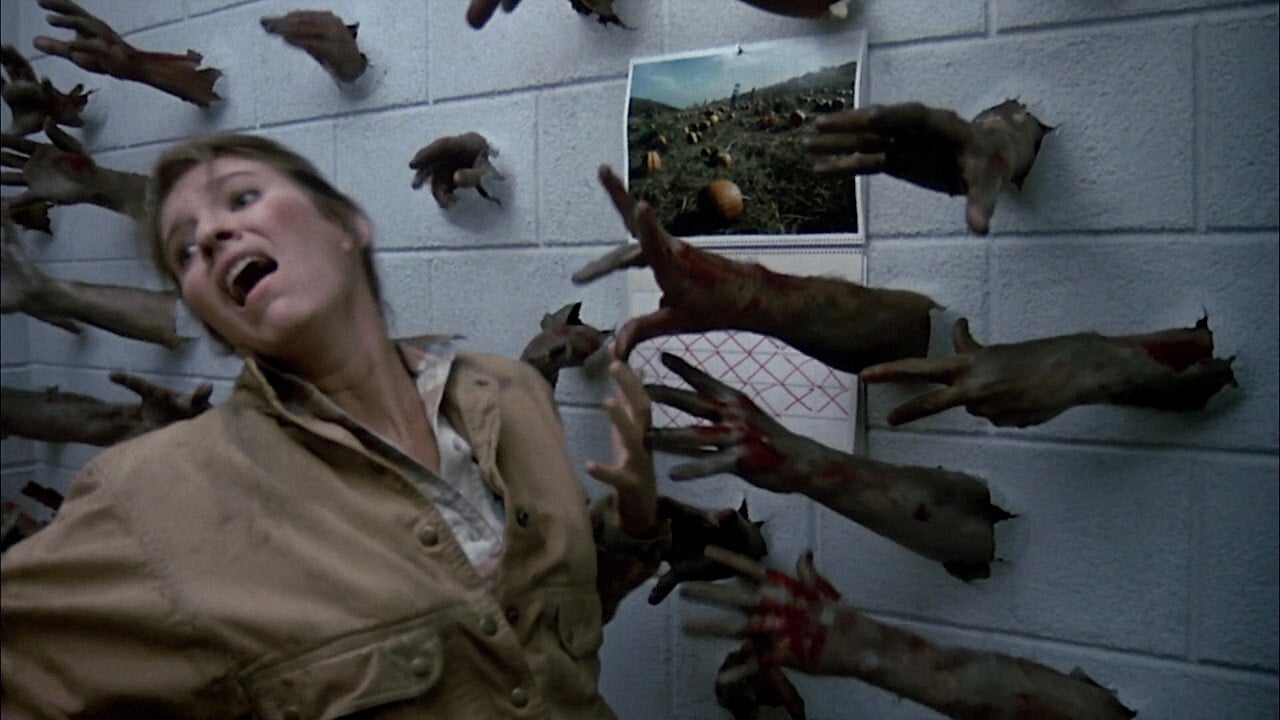
The air hangs thick and damp, tasting of mildew and despair. Below the sun-scorched, corpse-littered surface of the world, humanity's last stand isn't against the ravenous dead, but against itself. This is the suffocating reality of George A. Romero's Day of the Dead, the third chapter in his seminal zombie saga, and arguably its most brutally nihilistic entry. Forget the consumerist satire of Dawn of the Dead; this 1985 descent into an underground bunker offers little respite, forcing viewers into a pressure cooker where scientific reason clashes violently with military paranoia, all while the moans of the damned echo just beyond the concrete walls.
Under Pressure
The premise is stark: a handful of scientists and soldiers are holed up in a vast subterranean complex in Florida, ostensibly searching for a solution to the zombie apocalypse. But hope is a flickering candle in a gale-force wind. Supplies dwindle, tempers flare, and the chain of command frays into outright hostility. Lori Cardille, daughter of Night of the Living Dead's own Bill "Chilly Billy" Cardille, anchors the film as Sarah Bowman, a scientist desperately trying to maintain logic and empathy in a rapidly deteriorating situation. She’s pitted against the volatile Captain Rhodes, played with unforgettable, vein-popping intensity by Joseph Pilato. Rhodes is no hero; he's a terrifying embodiment of authority collapsing under pressure, ruling his dwindling command with threats and raw aggression. Their conflict forms the brittle spine of the film, a microcosm of societal breakdown played out in echoing tunnels and sterile laboratories.
Savini's Theatre of Cruelty
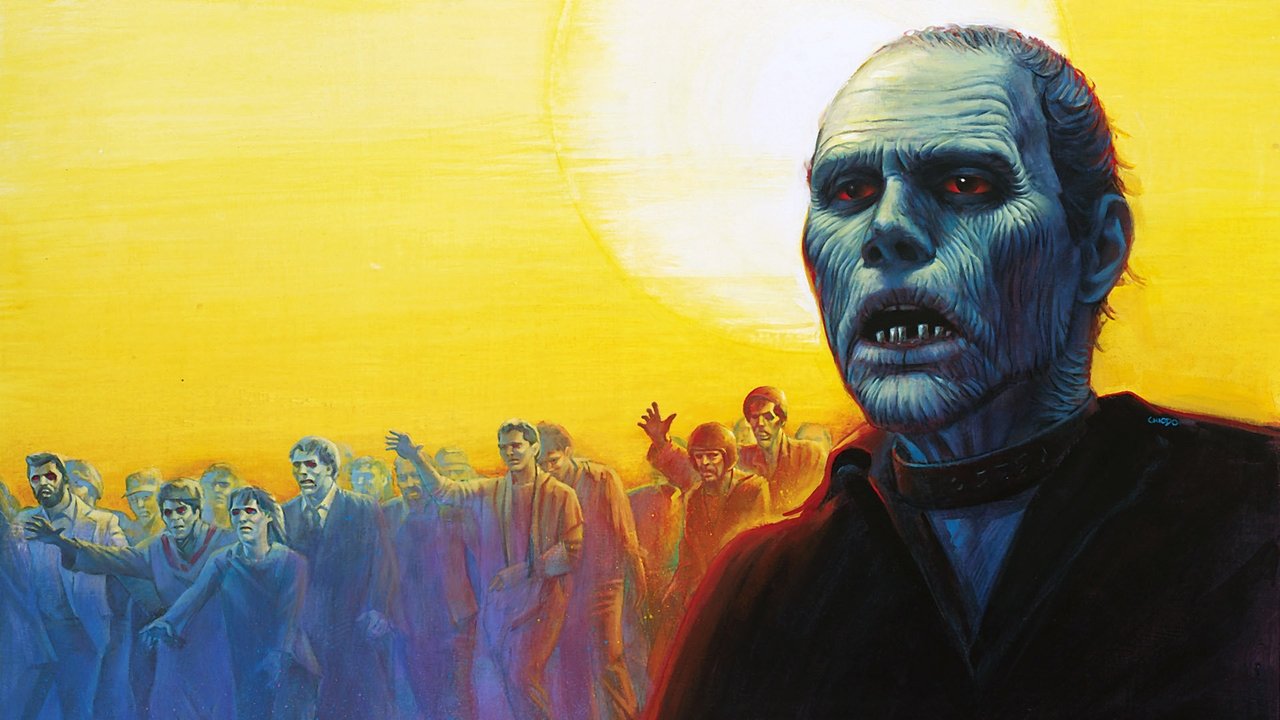
You can't discuss Day of the Dead without paying homage to the gruesome artistry of Tom Savini. Returning after his groundbreaking work on Dawn, Savini delivered what many (including himself at the time) considered his magnum opus. The practical gore effects here are not just shocking; they are visceral, anatomical nightmares rendered with stomach-churning detail. Romero, famously battling the MPAA to preserve Savini's vision, ultimately released the film unrated, and thank goodness he did. The autopsy scenes, the festering wounds, and that unforgettable climax featuring Rhodes confronting the horde – these moments pushed the boundaries of cinematic horror in 1985. Savini deservedly won a Saturn Award for his efforts. Adding to the film's oppressive feel were the actual shooting conditions; filmed inside a former limestone mine near Wampum, Pennsylvania, the location was reportedly cold, damp, and inherently claustrophobic, bleeding its authentic misery onto the screen. One can only imagine the actors enduring those chilling conditions while being drenched in Savini's sticky, crimson concoctions.
The Thinking Dead?
Amidst the human squabbling and stomach-churning gore, Romero introduces a fascinating wrinkle: Bub. Played with surprising pathos by Sherman Howard, Bub is a zombie captured by the increasingly unhinged Dr. Logan (Richard Liberty, aptly nicknamed "Frankenstein"). Logan believes the undead can be conditioned, perhaps even domesticated. Bub, seemingly retaining fragments of his past life – saluting, holding a phone, even handling a gun – represents a terrifying and morally ambiguous leap. Does he signify hope, a potential path back? Or is he merely a trained animal, Logan's grotesque pet project? Howard’s performance, beneath layers of makeup, imbues Bub with a flicker of something disturbingly familiar, forcing uncomfortable questions about instinct, memory, and the thinning line between 'us' and 'them'. Doesn't that hint of recognition in Bub's eyes still feel unnerving?

A Vision Compromised, A Classic Forged
It’s fascinating trivia that Day of the Dead was born from compromise. Romero's original script was envisioned as a much larger, more epic zombie film, famously dubbed by Romero as "the Ben-Hur of zombie movies." However, budget constraints forced a drastic scaling back, confining the action primarily to the bunker. While perhaps initially a disappointment for the director, this limitation became the film's defining characteristic. The claustrophobia, the escalating tension, the feeling of being trapped with monstrous forces both outside and in – these elements likely wouldn't have been as potent in a sprawling epic. Made for roughly $3.5 million, its eventual $34 million worldwide gross proved its power, even if its relentlessly grim tone initially alienated some fans expecting another Dawn. It took time for Day to be fully appreciated for the bleak masterpiece it is.
Legacy of Nihilism
Compared to its predecessors, Night of the Living Dead (the shocking birth) and Dawn of the Dead (the satirical peak), Day of the Dead feels like the end of the line, emotionally speaking. It’s a film steeped in sweat, despair, and the acrid smell of decay. The moments of levity are few, replaced by a grinding tension and the unsettling suggestion that humanity might be too far gone, too consumed by its own internal rot, to deserve saving. While Terry Alexander's philosophical helicopter pilot John provides moments of weary calm, the overwhelming feeling is one of exhaustion and impending doom.
VHS Heaven Rating: 9/10
This score reflects the film's mastery of atmosphere, its groundbreaking practical effects that still impress with their audacity, the powerhouse performance from Joseph Pilato, and its unflinching, challenging themes. It earns its high rating by being perhaps the most intellectually and emotionally demanding of Romero's original trilogy. The confined setting, born of necessity, becomes a crucible that intensifies the human drama to an almost unbearable degree. It might lack the broader appeal of Dawn, but its focused intensity and bleak outlook offer a different, arguably more profound, kind of horror.
Day of the Dead remains a potent and deeply unsettling experience. It’s the Romero zombie film that stares directly into the abyss, not just of the apocalypse, but of the human soul, and finds precious little light staring back. It’s a tape that, once played late at night, truly had the power to leave you feeling cold long after the static hissed.