The flickering glow of the CRT barely cuts through the gloom, the only sound the low hum of the VCR. On screen, something ancient and malevolent stirs beneath the surface of sunny California suburbia. It begins subtly, a shift in the eyes, a coldness creeping into a warm smile. This isn't just another possession flick churned out for the burgeoning home video market; this is Mausoleum, a 1983 oddity that sinks its claws in with a peculiar blend of sleaze, surprisingly gnarly effects, and a central performance that walks a tightrope between chilling and camp. It’s the kind of film you stumbled upon in the horror aisle, lured by lurid cover art, and maybe regretted – or treasured – ever since.
A Curse in the Bloodline
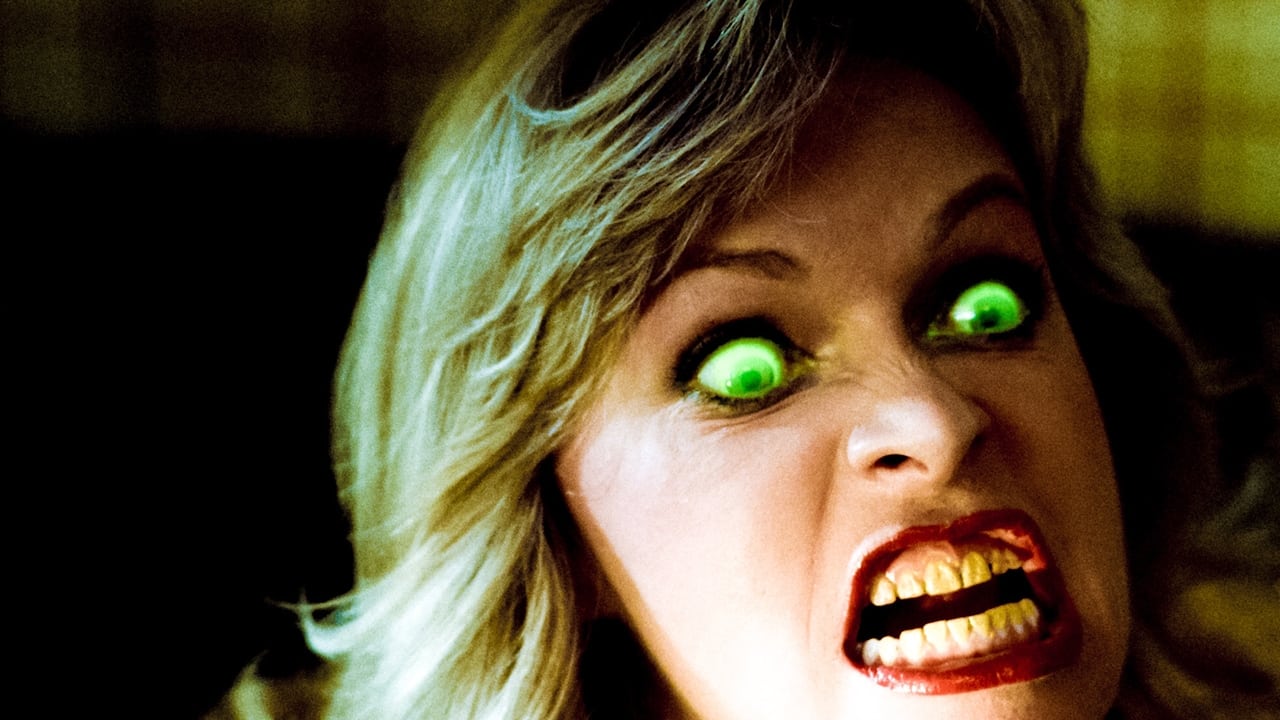
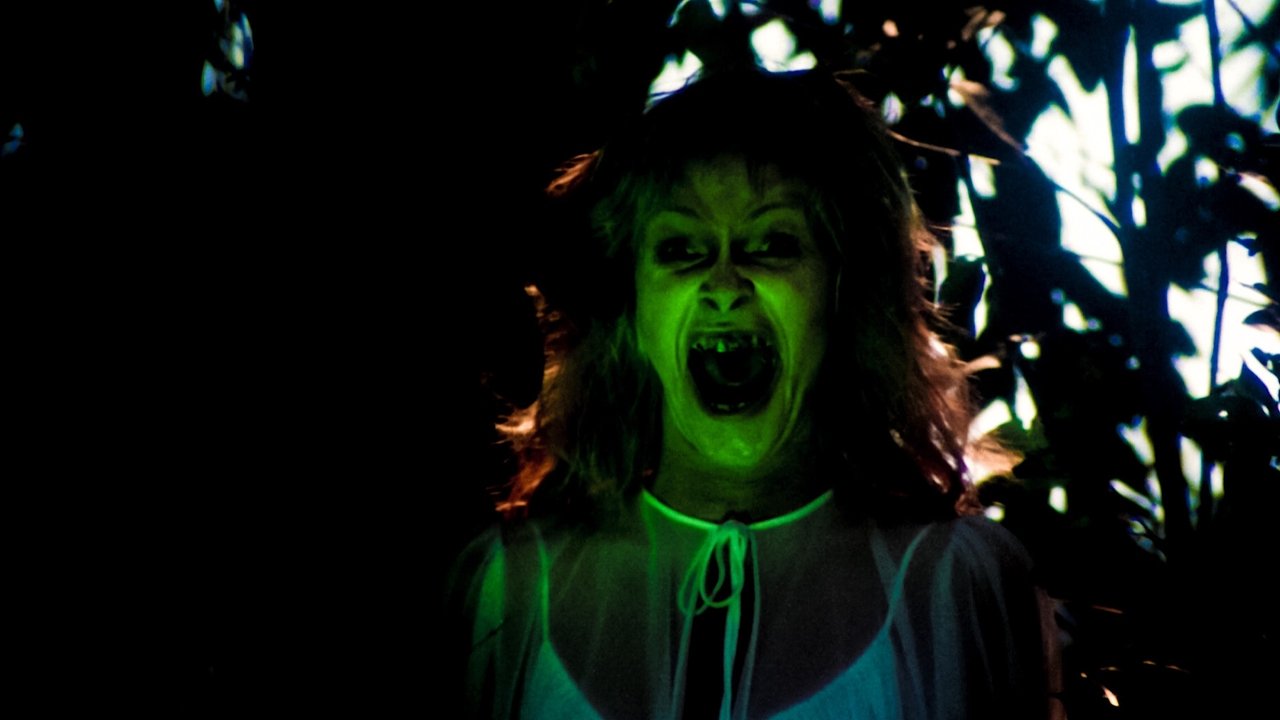
The premise is classic B-movie fodder: Susan Nomed (Bobbie Bresee) seems to have it all – loving husband Oliver (Marjoe Gortner), comfortable life – but harbours a dark secret. Her family line is cursed, haunted by a demonic entity passed down through generations. Following the death of her mother, the entity awakens within Susan, transforming her from housewife into a vessel for pure evil. It’s a setup ripe for exploitation tropes, and Mausoleum doesn't shy away, but there's an earnestness to its execution that prevents it from being entirely dismissible. We watch Susan's descent, her moments of lucidity warring against the grinning monster emerging from within.
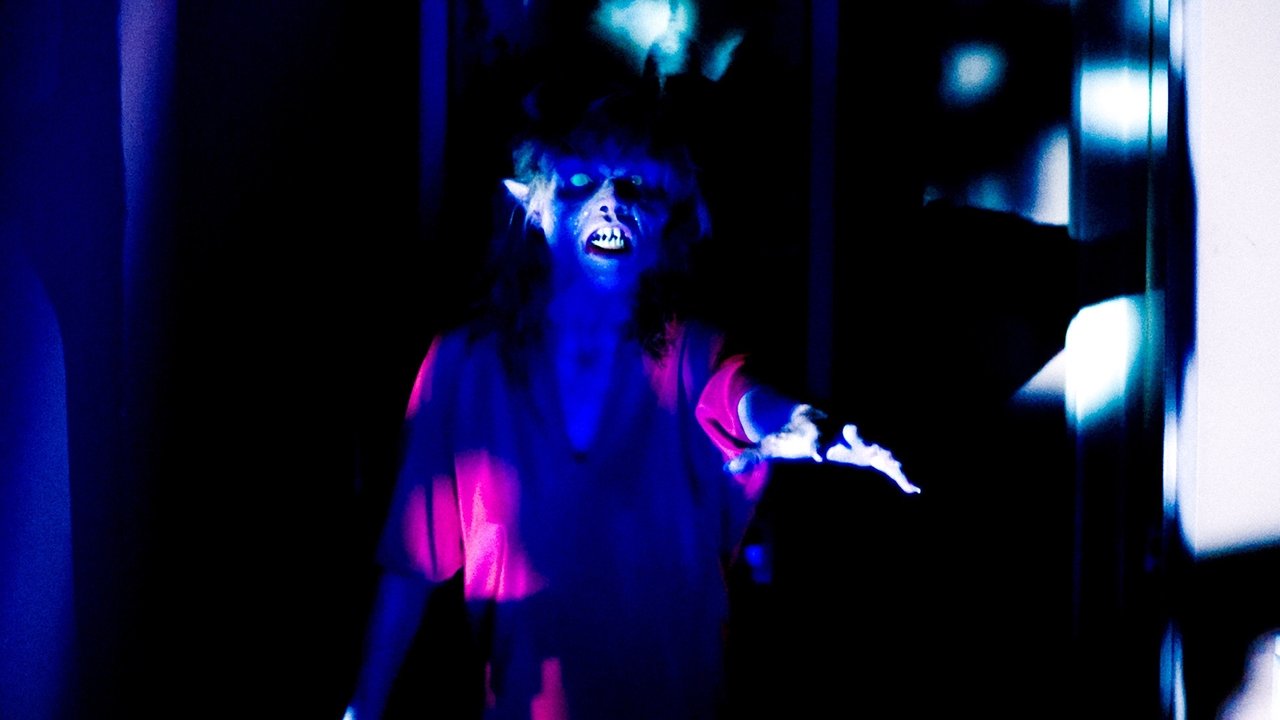
Bobbie Bresee carries the film, delivering a performance that commits fully to the demonic transformation. A former Playboy model transitioning into acting, she leans into both the vulnerability of Susan and the predatory menace of the demon. It's a physically demanding role, involving extensive and reportedly uncomfortable makeup applications for the various stages of possession. The demon design itself, particularly in its final reveal, is a memorable piece of 80s practical effects work – grotesque, vaguely reptilian, and undeniably unsettling in that low-budget, latex-heavy way that defined the era. Does it look real now? Perhaps not. But doesn't that monster design still feel unnerving in its sheer, slimy otherness?
When Demons Get Creative
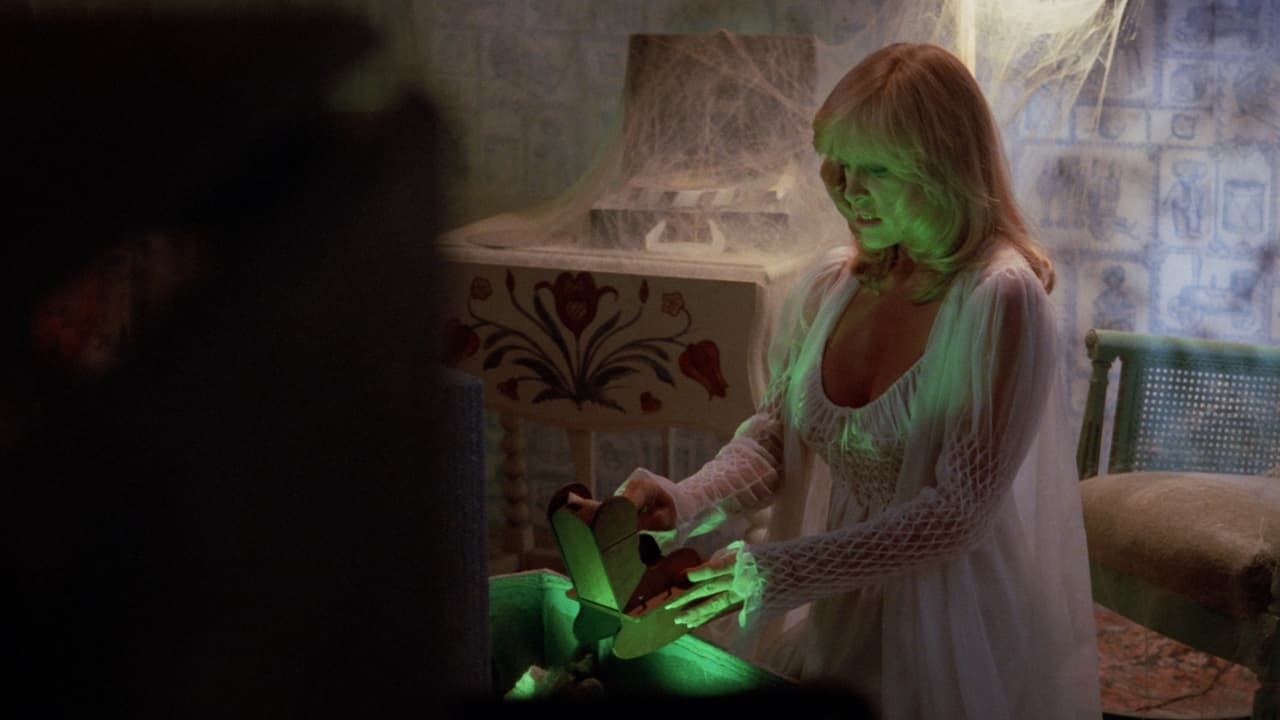
What elevates Mausoleum beyond a simple possession narrative is its gleeful embrace of the bizarre. Director Michael Dugan, who also gave us the cult sci-fi oddity Parts: The Clonus Horror (1979), lets the demonic influence manifest in increasingly strange and violent ways. The infamous scene involving demonic breasts is pure exploitation shock value, yes, but it's indicative of the film's go-for-broke attitude. The demon isn't just content with standard possession; it's got tricks, nasty ones, often involving glowing eyes and sudden, brutal violence meted out to anyone who crosses Susan or discovers her secret. The film even offers a delightfully unsubtle clue to the demon's identity: "Nomed" is, of course, "Demon" spelled backwards – a classic touch of B-movie screenwriting genius.
Supporting Bresee is Marjoe Gortner as the concerned husband. Gortner's own backstory is arguably stranger than the film's plot – a former child Pentecostal preacher sensationally exposed in the Oscar-winning documentary Marjoe (1972), he pivoted to an acting career that included disaster epics like Earthquake (1974) and genre fare like this. His presence adds a layer of unexpected resonance; the man who once cast out demons now finds himself married to one. Alongside him, veteran character actor Norman Burton (Diamonds Are Forever, The Towering Inferno) plays Susan's psychiatrist, Dr. Andrews, trying to rationalize the escalating horror with earthbound explanations, bless his heart.
That Video Store Charm
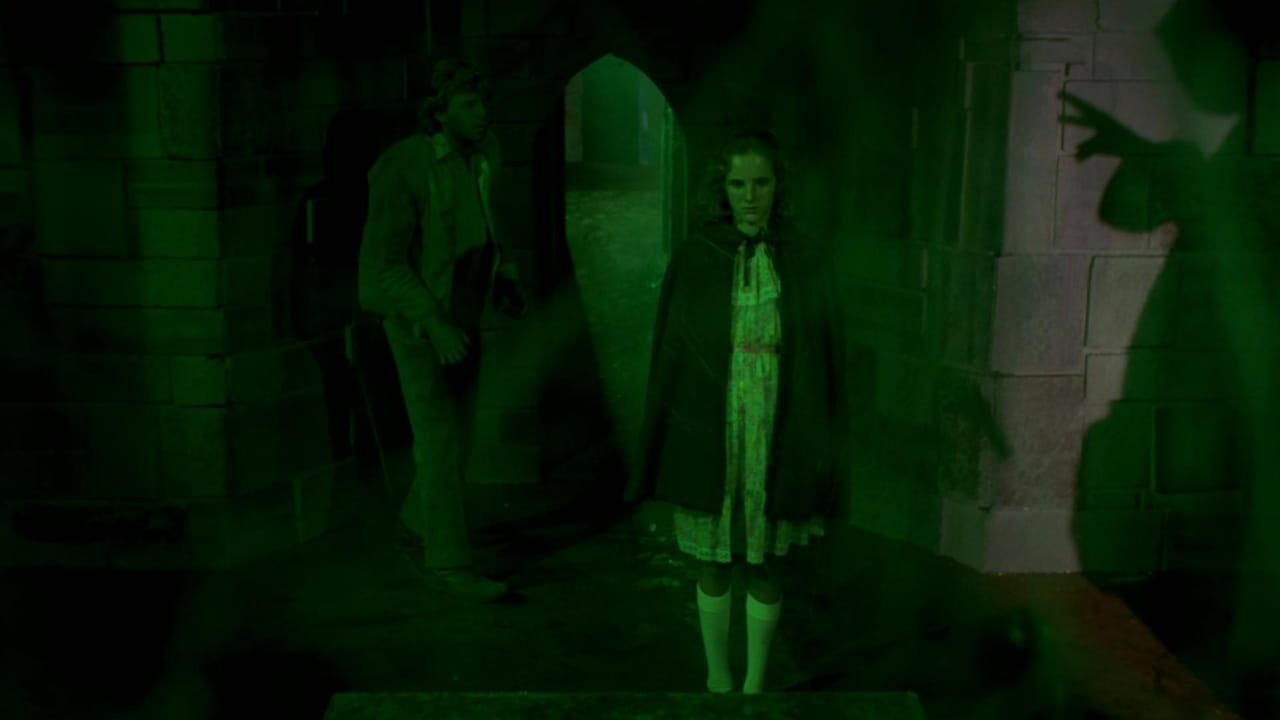
Mausoleum feels like a product specifically designed for the VHS boom. Its mix of familiar horror tropes, exploitative elements, and creature feature payoff made it perfect weekend rental fodder. The slightly murky cinematography, the synth-heavy score, the practical gore effects – it all screams 1983. I distinctly remember the imposing box art staring out from the shelves at the local Video King, promising terrors that the film delivered, albeit with a healthy dose of unintentional humour and low-budget weirdness. It wasn't slick, it wasn't subtle, but it had personality. It was shot for relatively little money, relying on ingenuity and commitment (especially from Bresee enduring the effects) to deliver its scares. Did it achieve high art? Absolutely not. But did it deliver a memorable slice of 80s horror weirdness? Undeniably.
The film doesn't trouble itself too much with deep themes, focusing instead on the visceral horror of transformation and the shock value of its demonic set pieces. The pacing can be uneven, and some of the dialogue lands with a thud, but these are often part of the charm for films of this ilk. It knows what it is – a drive-in creature feature dressed up for the home video age – and it delivers on that promise with a surprising amount of energy and memorable grotesquerie.
***
Rating: 6/10
Justification: Mausoleum is far from a masterpiece, hampered by budget limitations, some uneven acting (outside of Bresee's committed turn), and a script that prioritizes shock over coherence. However, its memorable practical monster effects, Bresee's performance, its sheer B-movie audacity, and its status as a perfect encapsulation of early 80s direct-to-video horror give it significant cult appeal. The 6 reflects its entertainment value for fans of the genre and era, acknowledging its flaws while celebrating its weird, gooey heart.
Final Thought: For those who haunted video store horror sections, Mausoleum remains a strangely compelling relic – a reminder that sometimes, the most memorable scares came wrapped in slightly dodgy latex and served with a side of pure, unadulterated 80s cheese. It’s Nomed spelled backwards, after all.