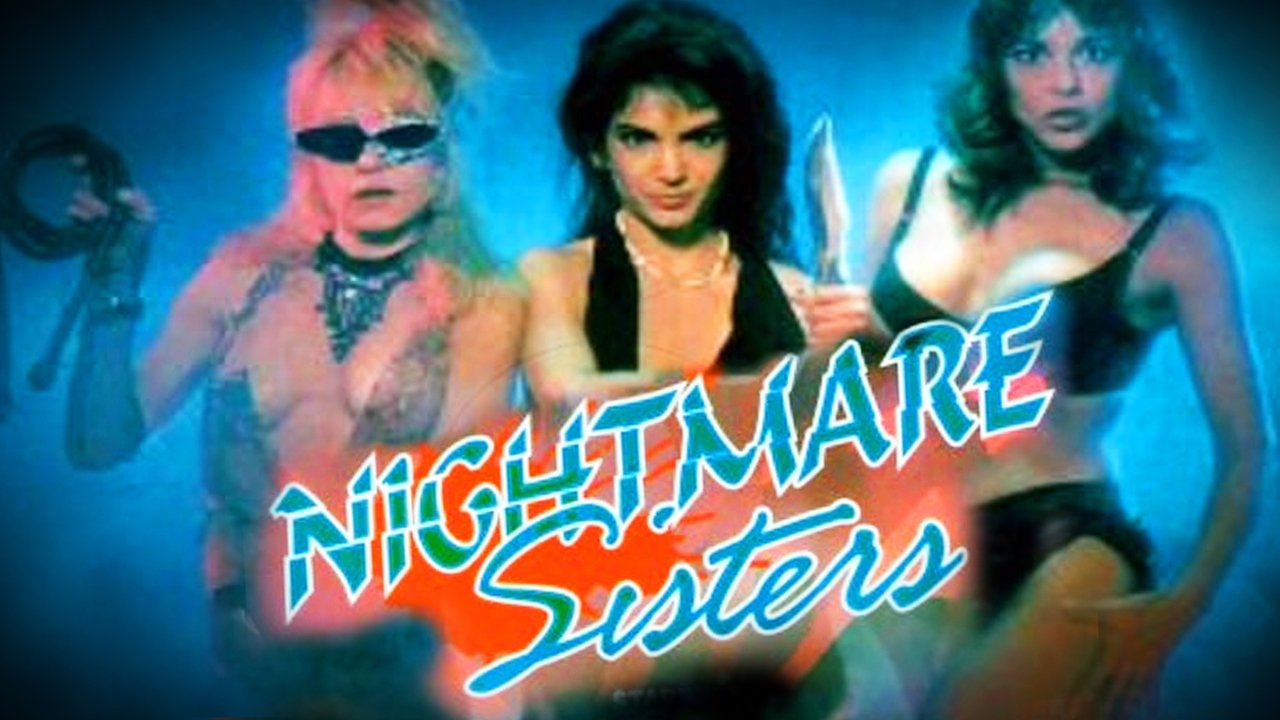
Alright, fellow travelers of the magnetic tape galaxy, dim the lights, maybe pop open a Jolt Cola if you can find one, and let's talk about a slice of late-80s B-movie perfection: Nightmare Sisters (1988). Finding this gem nestled between bigger-budget flicks on the video store shelf felt like striking gold – a lurid cover promising thrills, chills, and maybe a little bit of… well, you know. And boy, did it deliver exactly what it promised, with zero apologies and maximum enthusiasm.
### Sorority Séance Gone Wild
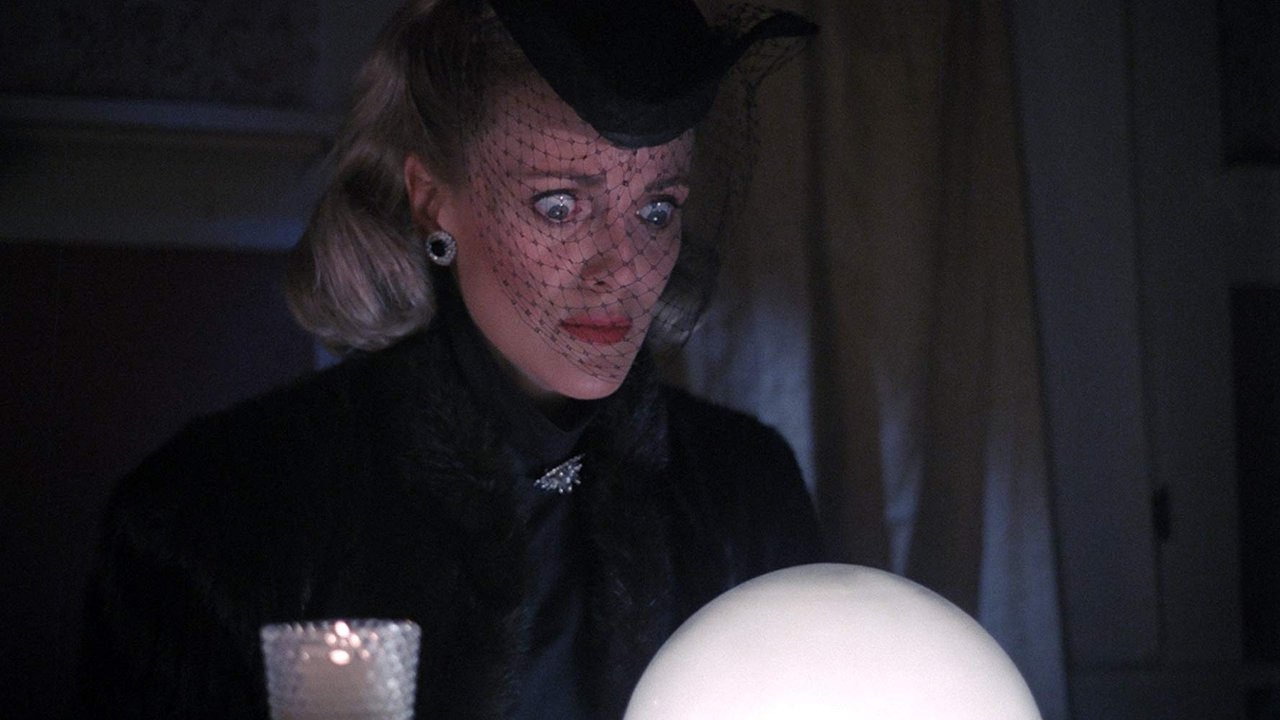
The setup is pure, unadulterated 80s drive-in fodder. Three nerdy college guys – Mickey, Pete, and Oscar – are desperate to impress Melody, Kiki, and Patti, three members of the Tri-Delta sorority. How? By throwing a party, naturally. But this isn't just any party; the girls decide to spice things up with a séance using a crystal ball conveniently left behind by the house's previous, spooky owner. What could possibly go wrong? Everything, of course! A bolt of lightning, some chanting, and boom – our three sorority sisters are possessed by ancient, lustful succubi hell-bent on seducing and draining the life force out of every male in sight.
It’s a plot thinner than the static cling on your favorite worn-out sweatshirt, but that’s entirely beside the point. The joy here is in the execution, fueled by the sheer B-movie energy that director David DeCoteau (Creepozoids, Puppet Master III: Toulon's Revenge) became famous for. DeCoteau was a master of maximizing minimal resources, and Nightmare Sisters is a prime example. Did you know this film was shot back-to-back with another DeCoteau classic, Sorority Babes in the Slimeball Bowl-O-Rama (1988), often using the same sets and even some of the same cast members? Talk about efficiency! They reportedly filmed Nightmare Sisters in just seven days, a testament to the lightning-fast production schedules of the era.
### The Holy Trinity of Scream Queens
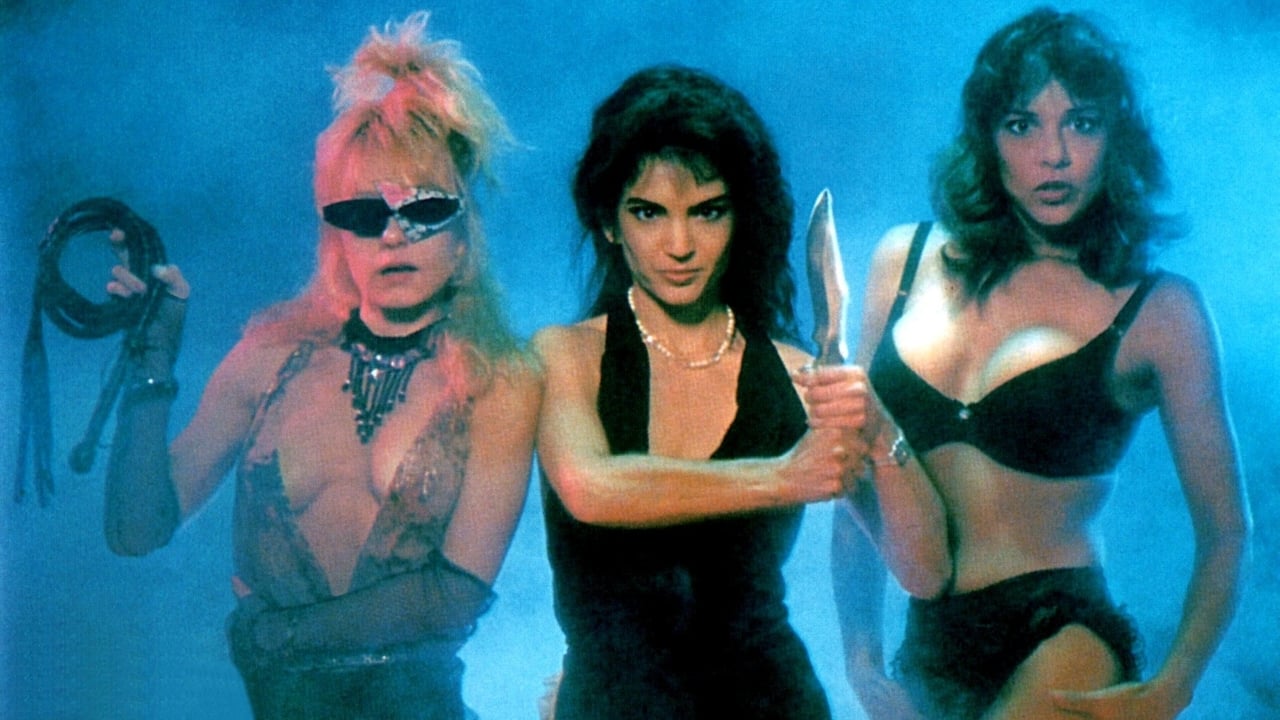
Let's be honest, the main draw here, then and now, is the legendary trifecta of 80s scream queens: Linnea Quigley (Melody), Brinke Stevens (Kiki), and Michelle Bauer (Patti). Seeing these three icons share the screen, clearly having a blast hamming it up as both demure sorority girls and vampy succubi, is pure magic for fans of the genre. Linnea Quigley, already a punk-horror icon thanks to Return of the Living Dead (1985), brings her signature energy. Brinke Stevens, with her striking looks, and Michelle Bauer (often credited as Pia Snow), a veteran of countless exploitation flicks, complete the trio perfectly. They lean into the absurdity, delivering their lines with a knowing wink and embracing the increasingly wild transformations. Their chemistry is undeniable, a key ingredient in why the film remains so watchable. You get the sense they knew exactly what kind of movie they were making and decided to just go for it, full throttle.
### Low-Budget Charm and Gooey Effects
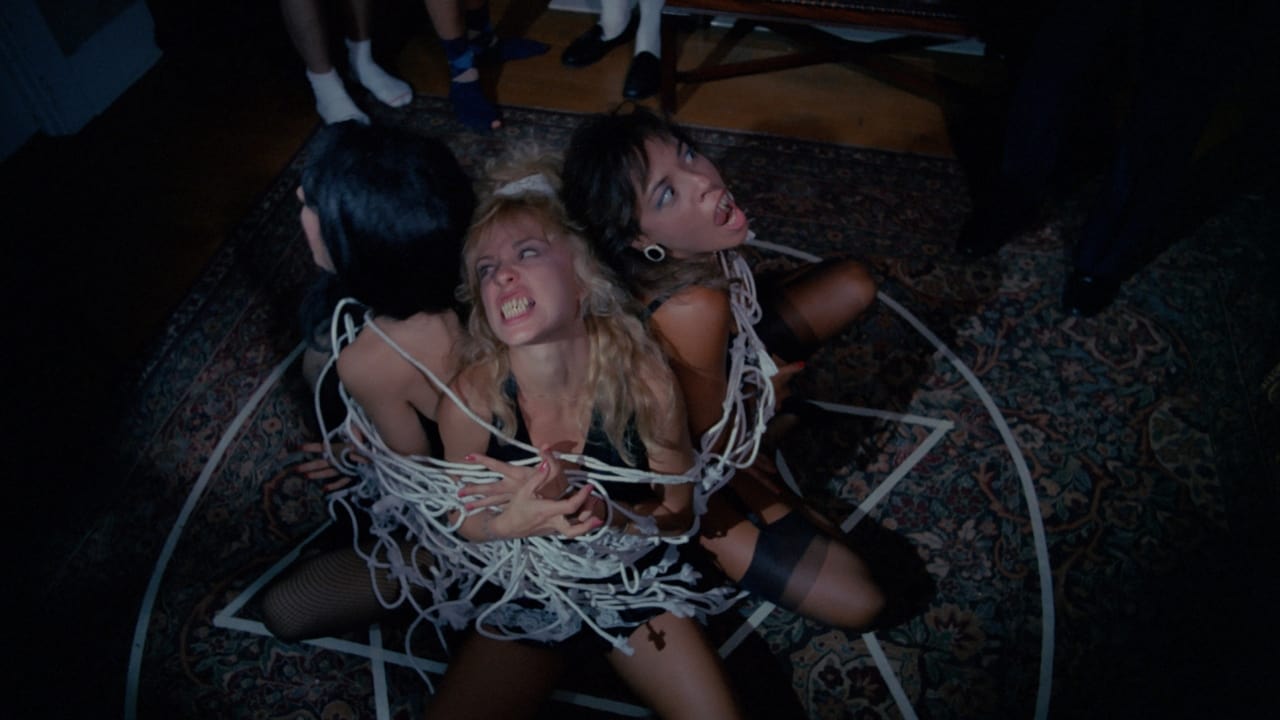
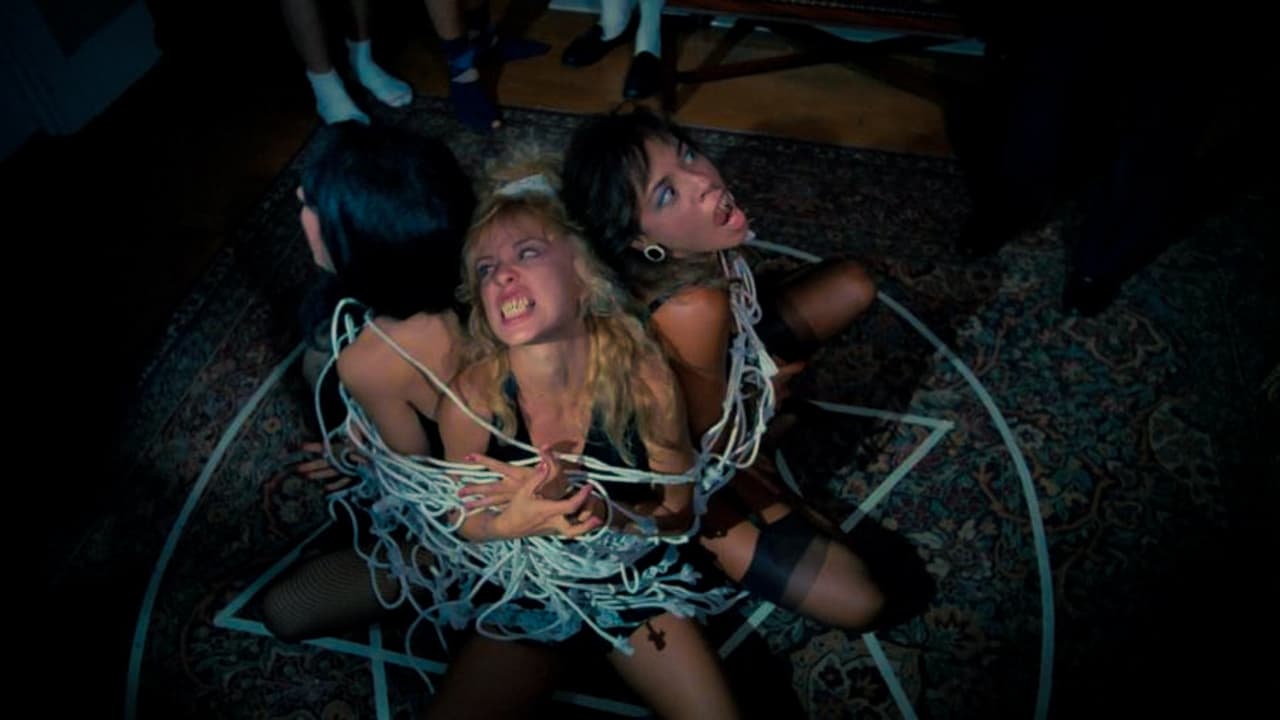
This is pure VHS-era horror-comedy, meaning the effects are proudly practical and delightfully gooey. The succubus transformations, while not exactly state-of-the-art even for 1988, have a tangible, hand-crafted quality that CGI often lacks. Remember those eerie contact lenses and the slightly rubbery facial appliances? There's a certain charm to seeing the makeup and creature effects right there on screen, achieved through clever lighting and sheer audacity rather than digital wizardry. Sure, some of it looks cheesy now, but back then, projected onto a fuzzy CRT screen late at night, those transformations felt genuinely creepy and transgressive. Written by Kenneth J. Hall, another low-budget genre stalwart who penned scripts like Puppet Master (1989), the dialogue is snappy, packed with double entendres, and perfectly suited to the pulpy tone.
The film doesn't shy away from nudity or suggestive themes, embracing the "sex and scares" formula that dominated the straight-to-video market. Yet, compared to some of its contemporaries, it manages to maintain a sense of goofy fun rather than feeling purely sleazy. It’s more playful than predatory, largely thanks to the charismatic leads and the overall lighthearted, almost cartoonish violence. The nerdy protagonists provide the comic relief, their reactions to the escalating supernatural chaos grounding the film just enough.
### A Cult Classic That Knows What It Is
Nightmare Sisters wasn't exactly showered with critical acclaim upon release, but it found its audience – us! The folks prowling the video store aisles looking for something wild, weird, and wonderful. It became a staple of sleepovers and late-night cable, earning its cult status through sheer replayability and the undeniable appeal of its cast. It’s a snapshot of a specific time in filmmaking: low budgets, high concepts, practical effects, and a willingness to just entertain without pretension.
It's a film made with limited resources but boundless B-movie spirit. The single location, the rapid-fire shooting schedule, the reuse of assets – these weren't limitations; they were the parameters within which DeCoteau and his team crafted something genuinely fun. It’s a reminder of a time when creativity often stemmed from necessity, resulting in films that might be rough around the edges but possess a unique energy and charm.
Rating: 7/10
Justification: While undeniably low-budget and technically simplistic by today's standards, Nightmare Sisters scores highly for pure entertainment value, its iconic casting, and its perfect encapsulation of late-80s horror-comedy charm. It delivers exactly what it promises with infectious energy and memorable performances from its legendary leading ladies. The practical effects, while dated, add to its nostalgic appeal. It loses points for the threadbare plot and occasional pacing dips, but its cult status is well-deserved.
Final Take: If you want a polished, sophisticated horror film, look elsewhere. But if you crave a blast of pure, unadulterated 80s B-movie fun powered by three iconic scream queens absolutely owning their roles, Nightmare Sisters is a séance you’ll want to crash again and again. It’s the kind of delightful cinematic junk food that defined a generation of VHS hounds.