They came promising rock 'n' roll salvation, guitars screaming like banshees under the summer night sky. But the sleepy town of Mill Basin wasn't ready for Black Roses. They weren't just a band; they were a harbinger, their power chords ripping through the thin veil of suburban quietude to unleash something truly monstrous. The slick VHS cover, probably grabbed hastily from the horror section shelf at your local Video Palace, hinted at the mayhem within – demonic faces, roaring flames, maybe a mutated speaker cone. It promised loud, crude, demonic fun, and Black Roses (1988) delivered exactly that, albeit with a charmingly uneven B-movie swagger.
### The Devil's Music Descends
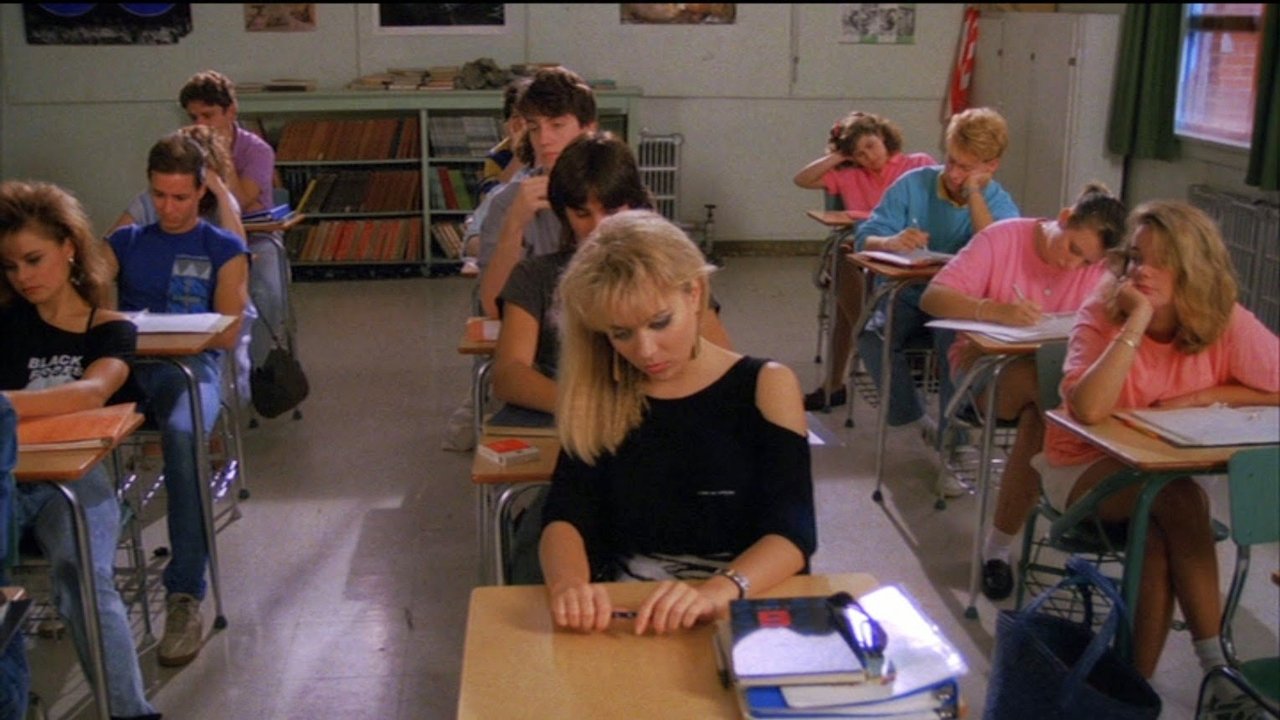
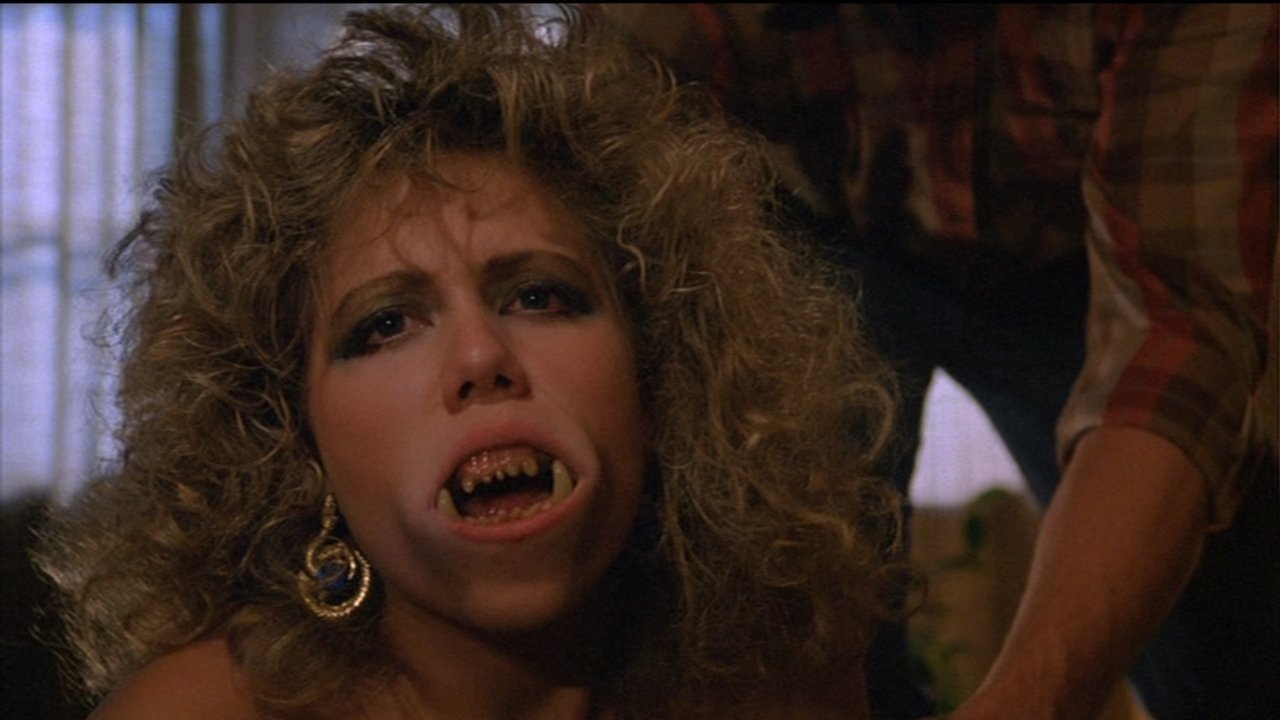
The setup is classic 80s: concerned parents, rebellious teens hungry for escape, and a charismatic force rolling into town to stir the pot. Here, that force is the titular band, led by the eerily magnetic Damian (Sal Viviano). They look the part – leather, studs, big hair – and sound slick enough to pack the local auditorium for three nights. The town's youth are instantly hooked, but English teacher Matthew Moorhouse (John Martin) senses something sinister beneath the polished rock anthems. He’s not wrong. Black Roses aren’t just singing about demons; they are demons, using their music to transform the town's kids into hellish creatures. It taps directly into that delicious "Satanic Panic" paranoia that permeated parts of the 80s, playing heavy metal music as the literal gateway to hell. Remember how terrifying that concept seemed then, fueled by worried news reports and parental warnings?
Director John Fasano, who gifted us the equally bizarre cheese-fest Rock 'n' Roll Nightmare (1987) just the year before (also starring John Martin), clearly knew his niche. He wasn't aiming for high art; he was crafting a drive-in spectacle fueled by loud music and gooey monsters. Filmed on a tight budget (reportedly around $400,000 USD) in Canada, the film makes the most of its resources, particularly when the gloves come off and the creatures emerge. It's worth noting that the band "Black Roses" was fictional, with the actual music performed by members of notable hard rock acts like King Kobra, Lizzy Borden, and Tempest – lending an air of authenticity to the demonic soundscape.
### Monsters in the Speakers
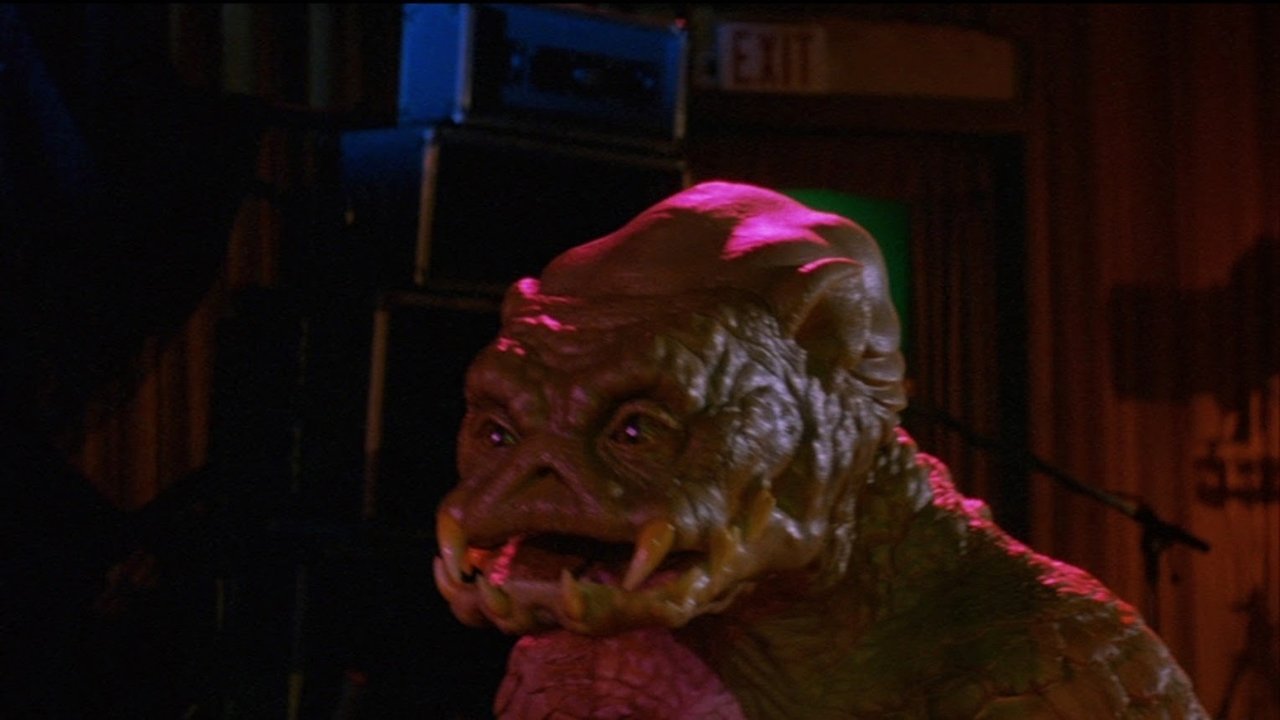
Let's be honest: the main draw here, especially watching it back on a flickering CRT, was always the creature effects. And Black Roses delivers some memorable, if endearingly rubbery, practical monstrosities. The scene where the stereo speakers morph into snapping, toothy beasts? Pure nightmare fuel for any kid who had a hefty sound system back then. It’s clunky by today’s standards, sure, but the tangible, physical presence of those puppets and latex creations has a weight and menace that CGI often struggles to replicate. The transformations of the teenagers, sprouting claws and demonic features, are equally grotesque and fun. There's a palpable sense of gooey, messy creativity at play, the kind that defined so much low-budget 80s horror. One has to imagine the effects team, likely working under pressure and with limited funds, pulling out all the stops to make these demonic visions a reality – a testament to the practical effects artistry of the era.
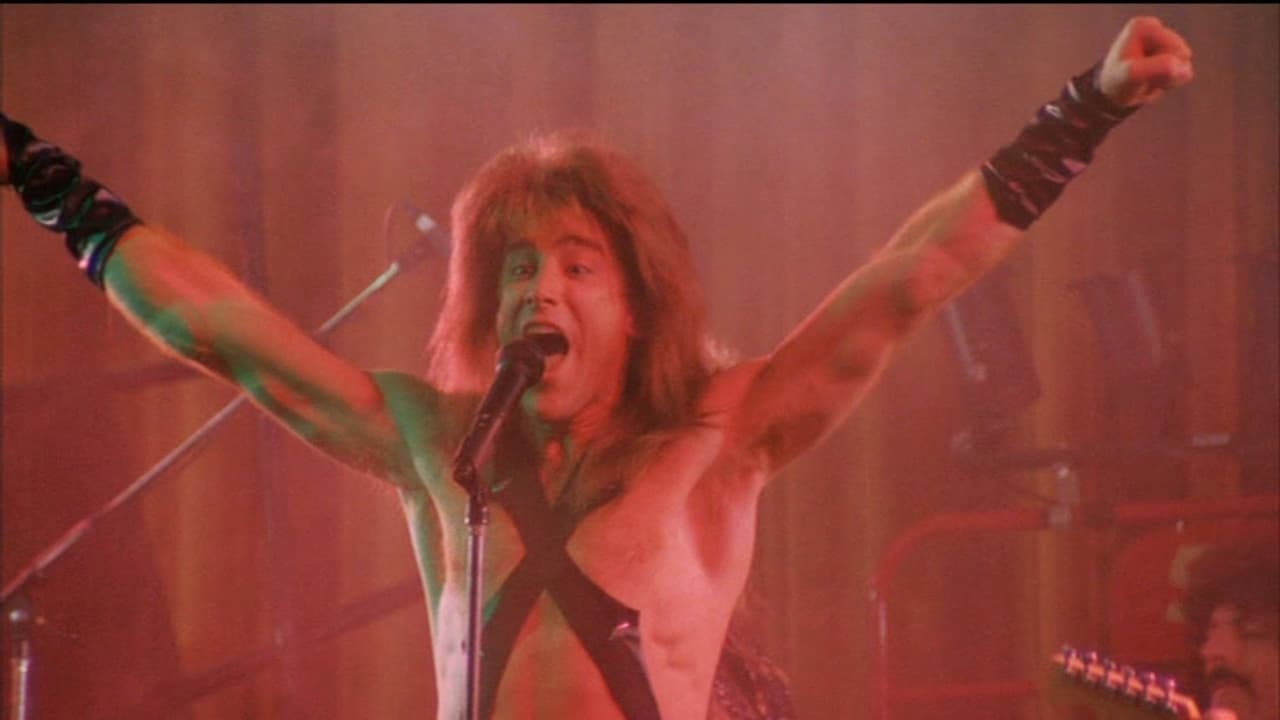
The performances are… well, they fit the film. John Martin plays the concerned teacher with earnest conviction, grounding the absurdity somewhat. Ken Swofford, as the initially skeptical mayor who eventually joins the fight, provides some welcome gravitas. But the standout is Sal Viviano as Damian. Interestingly, Viviano is primarily known for his extensive work in Broadway theatre, making his casting as a demonic rock god both surprising and strangely effective. He exudes a slimy charisma that perfectly sells the band's seductive danger, even if his lip-syncing occasionally feels a little off. He leans into the role, clearly having a blast playing the devilish frontman corrupting the youth.
### Schlock Rock Resonance
Black Roses isn't subtle. Its message about the perceived dangers of heavy metal is delivered with the subtlety of a sledgehammer wrapped in spandex. Yet, there's an undeniable energy to it. The concert sequences pulse with genuine rock show intensity (well, 80s movie rock show intensity), and the horror sequences, while sometimes goofy, possess a certain nightmarish logic. It perfectly captures that specific blend of horror and rock music that popped up frequently in the 80s, riding the wave of metal's mainstream popularity and the associated moral outcry. Did it genuinely tap into parental fears, or was it just a convenient hook for some monster mayhem? Probably a bit of both.
The film certainly wasn't a critical darling upon release, but like so many VHS tapes passed hand-to-hand or discovered lurking in the rental store aisles, it found its audience. It’s a cult classic fueled by nostalgia, fantastic creature design (for its budget), and a killer concept. It’s the kind of movie you’d dare your friends to watch late at night, the volume cranked up, waiting for those speaker monsters to lurch out of the screen.

VHS Heaven Rating: 6/10
Justification: Black Roses earns a solid 6 primarily for its fantastic practical monster effects, its gleeful embrace of 80s heavy metal horror tropes, and Sal Viviano's committed performance as the demonic lead singer. It perfectly encapsulates a specific niche genre from the VHS era. Points are deducted for the sometimes wooden acting from the supporting cast, a predictable plot, and production values that occasionally betray its low budget. However, the sheer fun factor, nostalgic charm, and genuinely memorable creature moments make it a must-watch for fans of 80s horror schlock.
Final Thought: It may be cheesy, it may be predictable, but crank up the volume and dim the lights – Black Roses still delivers a potent blast of demonic rock 'n' roll horror that feels perfectly preserved from the glory days of the video store. Those monsters still rock.