Okay, fellow tape rewinders, let's journey back to a time when animation felt like it was branching out in all sorts of directions. Sometimes those directions led to cherished classics, and sometimes... well, sometimes they led us straight to Don Bluth and Gary Goldman’s A Troll in Central Park. Pop that tape in the VCR (metaphorically speaking, of course!), because this 1994 offering is one of those curious cornerstones of the animated VHS shelf, a film remembered perhaps more for its gentle oddity than its narrative triumphs.
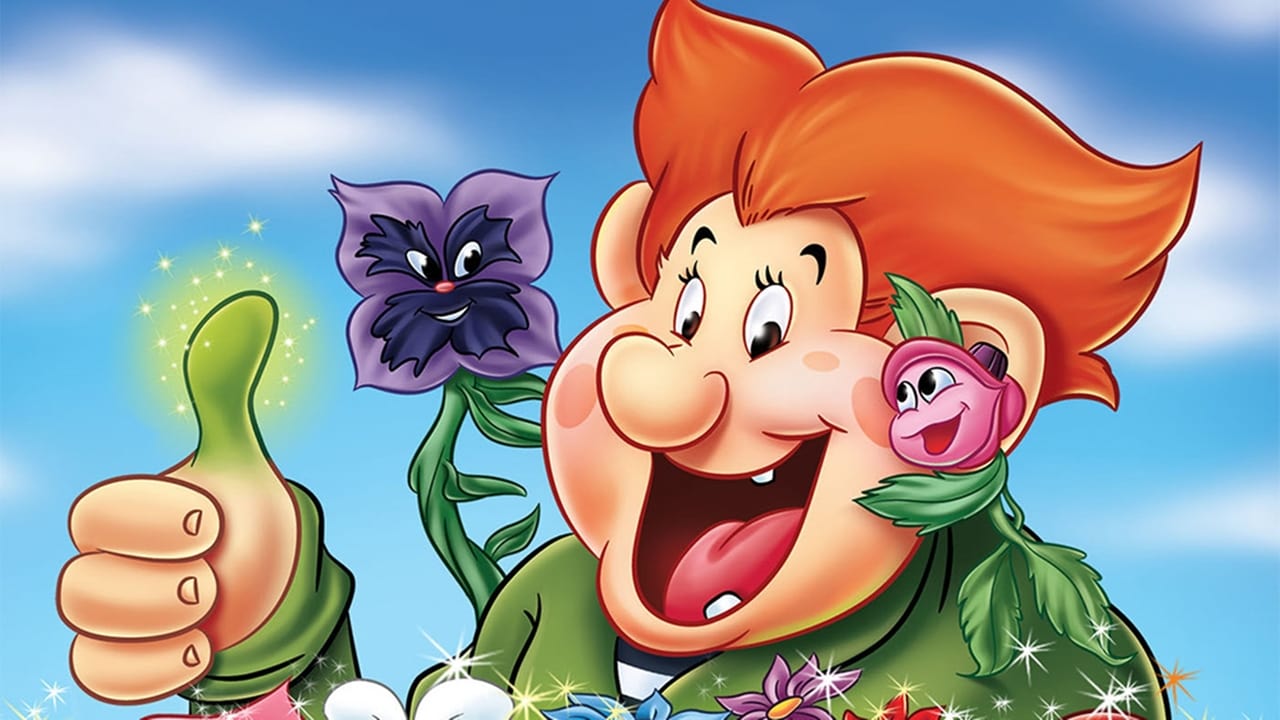
Imagine a troll named Stanley. Not a grumpy bridge-dweller, but a kind-hearted soul with a magical green thumb capable of conjuring vibrant flowers with a touch. Voiced with unmistakable warmth by the late, great Dom DeLuise (a frequent Bluth collaborator, remember him in All Dogs Go to Heaven?), Stanley is perhaps too nice for the Kingdom of Trolls, ruled by the genuinely menacing Queen Gnorga. Gnorga, voiced with delicious villainy by Cloris Leachman, detests anything green or cheerful, and banishes poor Stanley to a place she considers truly awful: New York City. Specifically, Central Park. It's there he meets two young children, Gus and Rosie, seeking refuge from their own little urban dramas.
A Softer Shade of Bluth
Now, if you grew up on Don Bluth’s earlier works, you might expect some darkness, some peril, maybe even a touch of the melancholy that permeated The Secret of NIMH (1982) or An American Tail (1986). But A Troll in Central Park, co-directed by Bluth and Gary Goldman and penned by Stu Krieger (who also wrote the much more emotionally resonant The Land Before Time in 1988), takes a sharp detour into territory that feels almost aggressively… nice. The stakes feel surprisingly low, the conflict minimal, and the overall tone is relentlessly cheerful and, dare I say, saccharine. It feels aimed squarely at the preschool demographic, a stark contrast to the all-ages, sometimes genuinely scary, appeal of Bluth’s previous hits.
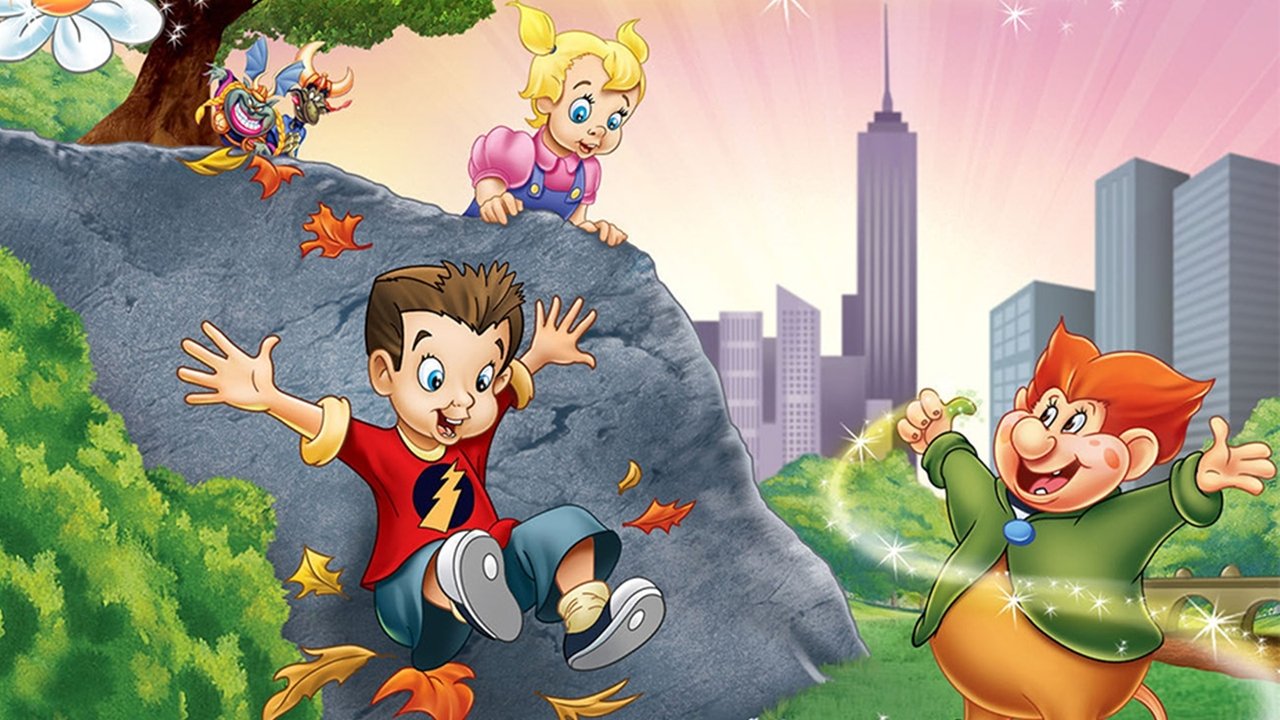
The animation itself carries the distinctive Bluth Studio style – expressive character designs, fluid movement, and moments of visual flourish. Stanley’s flower magic provides opportunities for colourful sequences, and Gnorga’s transformations are suitably grotesque. Yet, it lacks the rich detail and atmospheric depth seen in their best work. Even the comedic relief, primarily Gnorga’s bumbling consort King Llort (voiced by the wonderfully distinctive Charles Nelson Reilly), feels somewhat muted compared to the memorable sidekicks of other animated features from the era.
Where Did the Magic Go?
Stanley himself is undeniably sweet, thanks largely to DeLuise’s avuncular performance. He’s a character designed for maximum huggability. The children, Gus and Rosie, are standard kid archetypes navigating minor parental neglect and the wonders of befriending a magical creature. The problem lies in the meandering plot. Much of the film involves Stanley showing off his powers, Gus having mild adventures, and Rosie being adorable, all punctuated by rather forgettable songs. Queen Gnorga provides the antagonism, but her motivations remain stubbornly one-note – she just really hates flowers. This lack of narrative drive makes the film feel longer than its brief 76-minute runtime.
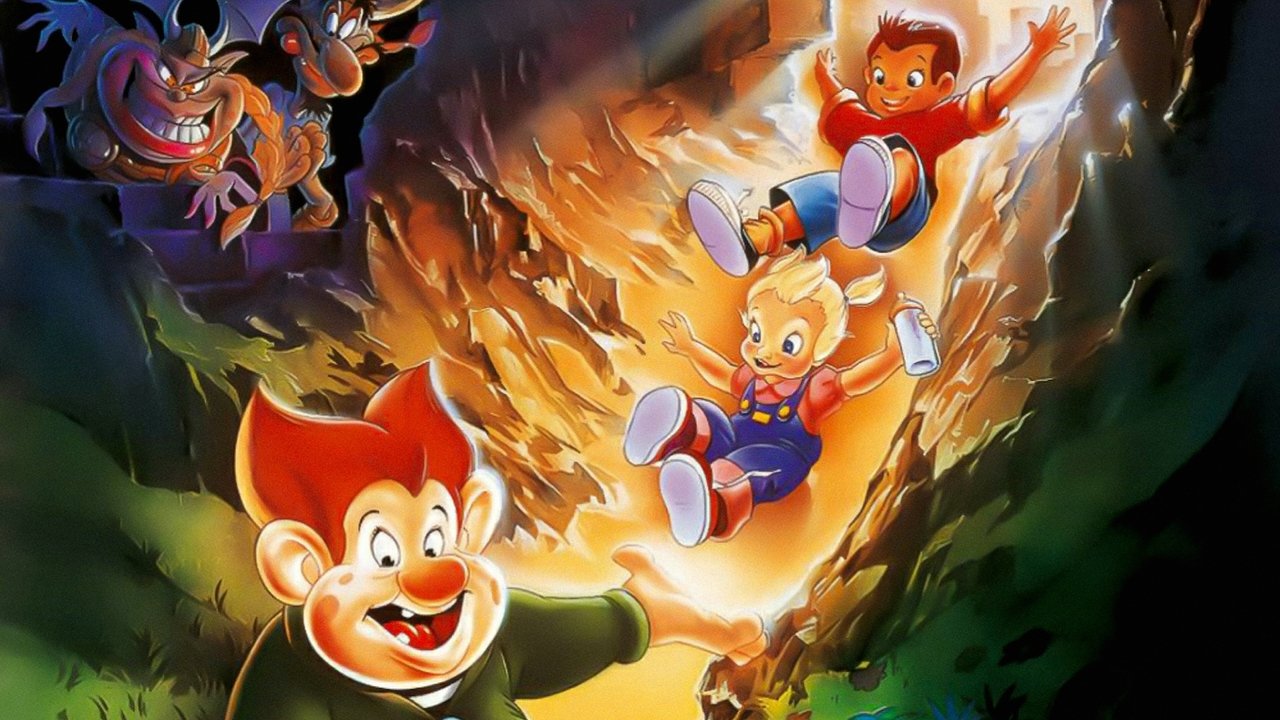
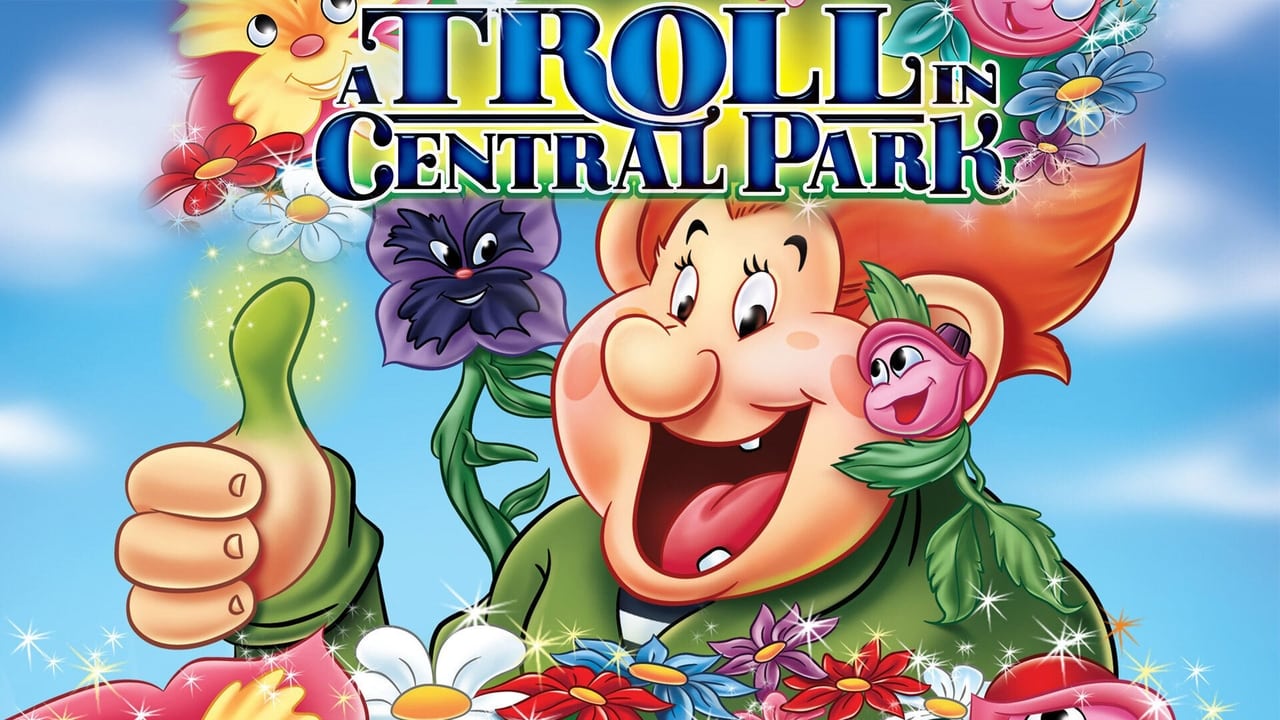
Retro Fun Facts: A Financial Fairy Tale Gone Wrong
Here’s where the story takes a fascinating, if unfortunate, turn. A Troll in Central Park wasn't just a critical disappointment (it still holds dismal scores on sites like Rotten Tomatoes); it was a colossal box office bomb. Produced on a budget reported around $23 million, it grossed a jaw-droppingly low $71,368 in its theatrical run. Yes, you read that right – barely enough to cover the catering budget, let alone recoup the cost of animating Stanley’s thumb. Adjusted for inflation, that's like spending nearly $48 million today to make less than $150,000 back at the box office. Ouch.
Why did it fail so spectacularly? Competition was fierce in 1994 (Disney's The Lion King roared that summer), but the film’s overly simplistic story and aggressively gentle tone likely didn't resonate beyond the very youngest viewers. It lacked the crossover appeal that turned other animated films into blockbusters. Many of us probably encountered Stanley not in a darkened cinema, but nestled amongst the other kid-friendly tapes at the local video store, perhaps rented by unsuspecting parents looking for harmless entertainment. Its afterlife on VHS and television is likely where it found whatever audience it managed to cultivate. It stands as a stark example of how even proven animation talents could sometimes misjudge the market or creative direction.
A Gentle Giant on the Shelf
So, where does A Troll in Central Park fit in the grand VHS library of our memories? It’s certainly no hidden gem waiting for rediscovery as a misunderstood masterpiece. It remains a curious outlier in Don Bluth’s filmography, a testament to a moment when his studio perhaps aimed too young, losing the edge that made their earlier films so compelling. The voice acting, particularly from DeLuise and Leachman, offers sparks of life, and the core concept has a certain gentle charm. But the weak story, forgettable songs, and lack of dramatic tension hold it back significantly.
For die-hard Bluth completists or those seeking extremely gentle, non-threatening animation for very young children, Stanley might still offer a flicker of nostalgic warmth. It’s a film that tried to be sweet, perhaps succeeding too well for its own good.
VHS Heaven Rating: 3/10
Justification: While the voice acting (especially DeLuise and Leachman) brings some personality and the animation has moments typical of the Bluth style, the film is ultimately sunk by an incredibly weak, meandering plot, forgettable songs, and a relentlessly saccharine tone that offers little substance or engaging conflict. Its historical context as a massive financial failure for a major animation director adds interest, but doesn't improve the viewing experience itself. It earns a few points for nostalgic curiosity and the charm of its lead voice actors, but it's far from a recommendation.
It remains a fascinatingly flawed piece of 90s animation history – a troll tale that, unlike its protagonist, couldn't quite make magic happen where it counted most.