Here we go again. Sometimes slipping a familiar tape into the VCR feels less like watching a movie and more like checking in on old... well, "friends" might be stretching it for this incorrigible bunch. My Friends Act II (or Amici Miei Atto II, 1982) picks up the thread of Florentine chaos left dangling by the 1975 original, reuniting us with a group of middle-aged men whose primary defense against mortality and mediocrity seems to be elaborate, often cruel, practical jokes. It’s a return that feels both inevitable and slightly precarious. Can lightning strike twice, especially when the storm clouds of melancholy gather so heavily?
Picking Up the Pieces
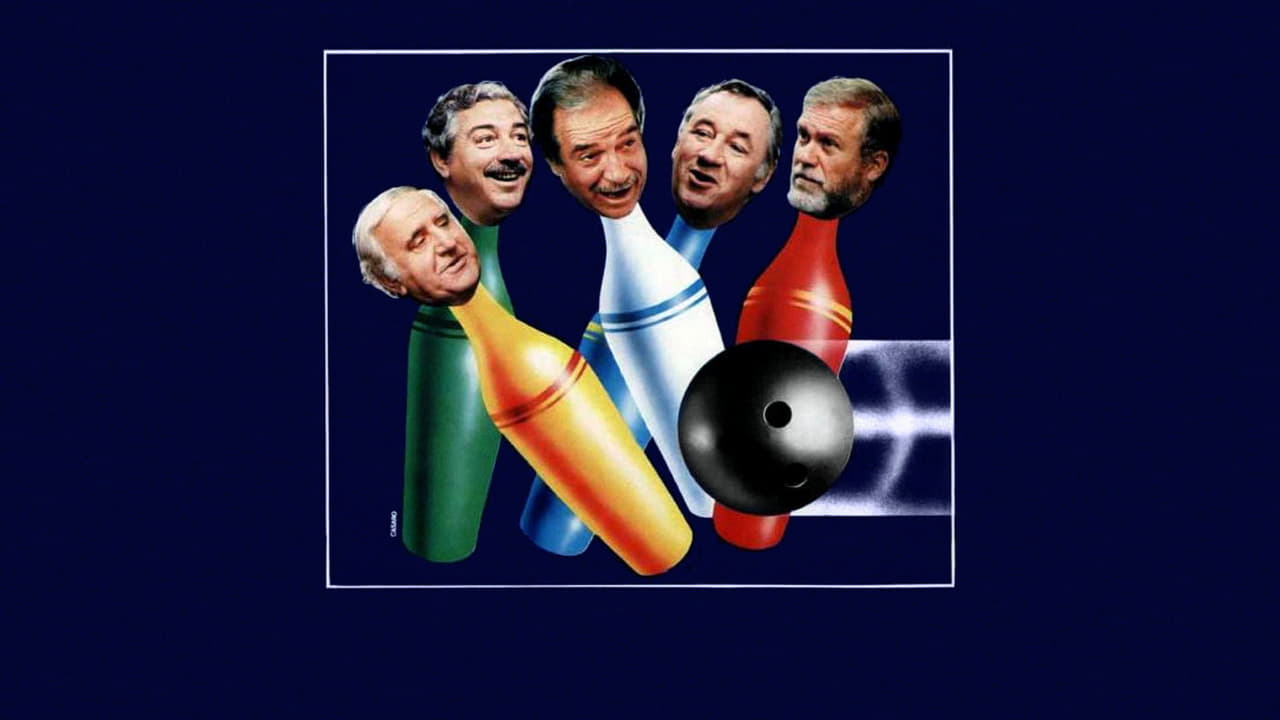
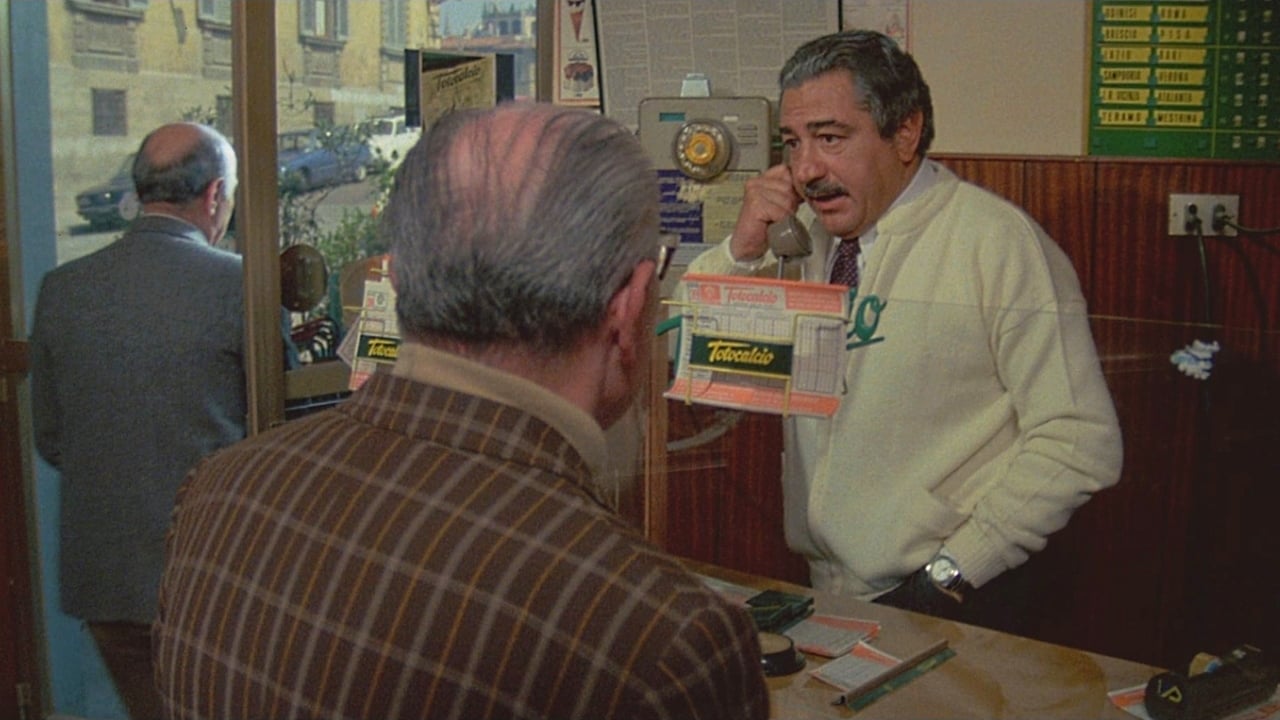
The film wastes little time reminding us of the 'zingarate' – those puerile, intricate pranks that define the lives of Count Mascetti (Ugo Tognazzi), Rambaldo Melandri (Gastone Moschin), Giorgio Perozzi (whose absence hangs heavy after Philippe Noiret's character's memorable demise in the first film), and Professor Sassaroli (Adolfo Celi). Their ranks are nominally filled by the return of Necchi (Renzo Montagnani, promoted from a smaller role) and the introduction of the perpetually put-upon Righi (Bernard Blier), Necchi's former, much-tormented, pension master. Director Mario Monicelli, returning alongside his stalwart writing partners (Leonardo Benvenuti, Piero De Bernardi, Tullio Pinelli), understands that the dynamic has shifted. Perozzi's death isn't just a plot point; it's a palpable presence, a reminder of the very thing these men are trying so desperately, and foolishly, to outrun.
The Enduring, Excruciating Charm of Awful Men
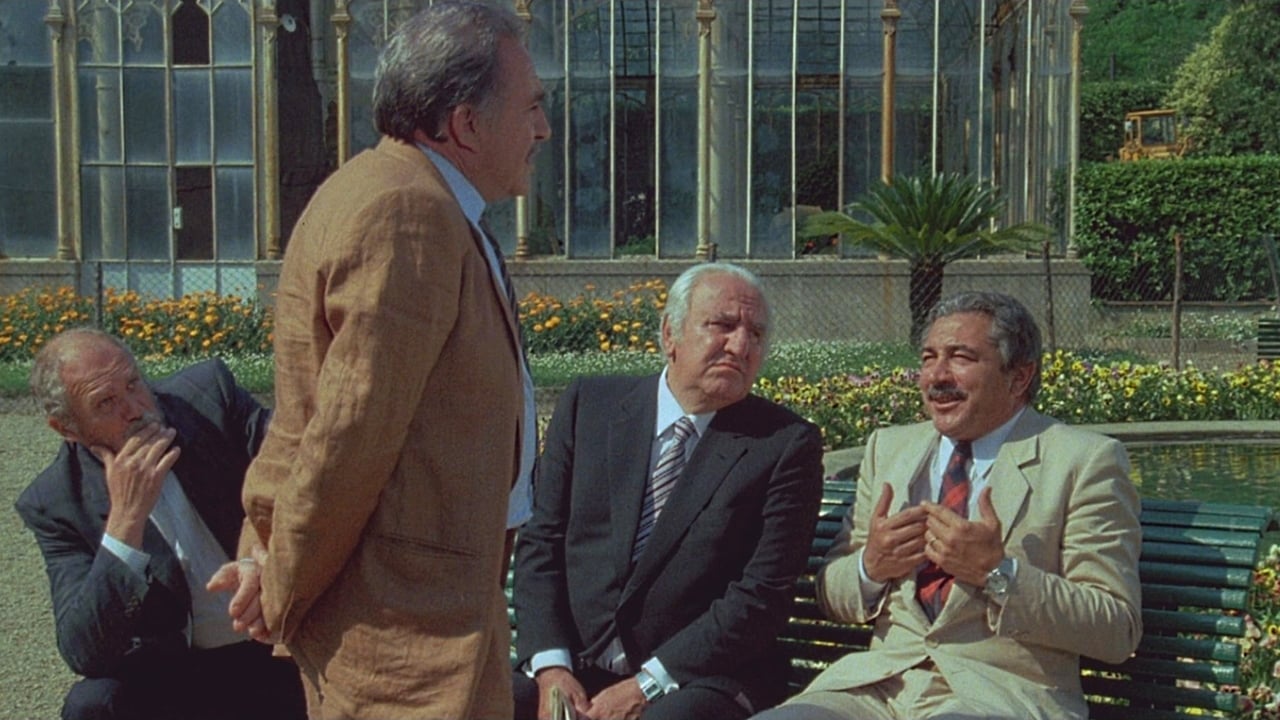
What makes these films endure, beyond the undeniable shock value of some gags, is the sheer commitment of the cast. Ugo Tognazzi is Mascetti – impoverished nobility clinging to illusions, forever scheming, forever pathetic, yet somehow retaining a sliver of roguish charm. His physical comedy, often tinged with desperation, is a masterclass. Gastone Moschin, the romantic architect Melandri, brings a vulnerability that makes his inevitable pratfalls land with a unique blend of humor and sadness. Adolfo Celi, the wealthy surgeon Sassaroli, exudes a chilling cynicism, orchestrating chaos with surgical precision. Adding Bernard Blier as the perpetually bewildered Righi was an inspired choice; his hangdog expression becomes the perfect foil for the group's relentless bullying, providing a new target now that Perozzi's sharp wit is gone. Their chemistry remains electric, a believable portrayal of long-term, deeply dysfunctional friendship. You wouldn't want to know these men, perhaps, but watching them interact is undeniably compelling.
Florence: More Than Just a Backdrop
Monicelli, a giant of Italian cinema who gave us masterpieces like Big Deal on Madonna Street (1958) and The Great War (1959), uses Florence not merely as scenery but as an active participant. The streets, the piazzas, the grand buildings – they become the stage for the friends' increasingly elaborate and often mean-spirited performances. The episodic structure, a carry-over from the first film, works well, allowing for distinct set pieces – the infamous "defense" of a medieval tower against bewildered tourists, the elaborate faking of Mascetti's daughter's kidnapping to extort money from Sassaroli – each showcasing the blend of ingenuity and childishness that defines the group. One fascinating tidbit often shared among Italian cinephiles is that many of the 'zingarate' were inspired by real-life pranks known in Florence, adding a layer of local legend to the proceedings. The film, like its predecessor, was a colossal hit in Italy, proving the public's appetite for this particular brand of dark comedy hadn't waned. Watching it on VHS, perhaps with slightly muddy tracking, felt like discovering a secret, a slice of European sensibility worlds away from the Hollywood comedies dominating the rental shelves back then.
Beneath the Laughter
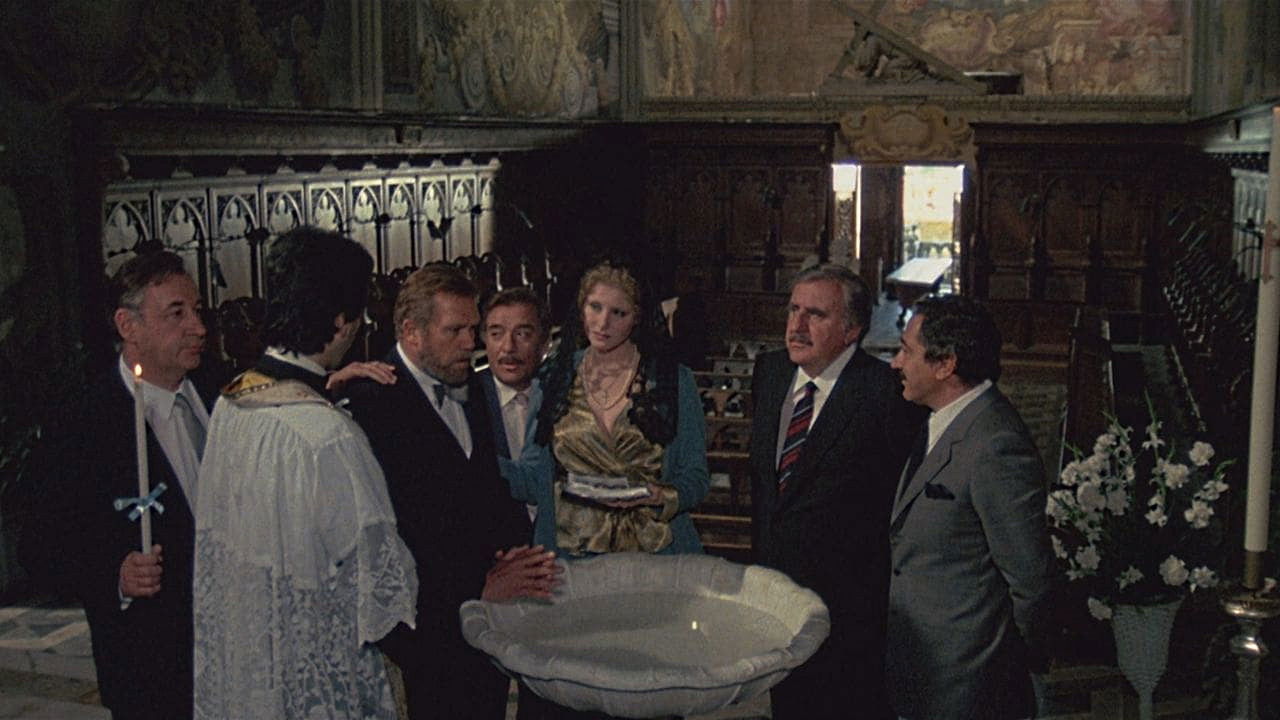
It's easy to dismiss My Friends Act II as just a series of cruel jokes, but there's a persistent undercurrent of something deeper, perhaps even darker than the original. The pranks feel less like joyful rebellion and more like frantic distractions. Is this laughter truly liberating, or is it the hollow sound of men terrified of facing their own emptiness, their advancing age, their disappointments? The film doesn't offer easy answers. It presents these characters, warts and all (mostly warts, let's be honest), and forces us to confront the uncomfortable truths they represent about masculinity, friendship, and the desperate, sometimes ugly, ways we cope with life's inevitable drift. It’s a potent example of the ‘commedia all’italiana’ style, where laughter is almost always laced with bitterness.
The Verdict
My Friends Act II might not possess the groundbreaking freshness of the original, a common fate for sequels. The absence of Philippe Noiret is keenly felt, and some of the pranks push the boundaries of taste even further. Yet, it remains a powerful, funny, and deeply uncomfortable film, anchored by superb performances and Monicelli’s assured direction. It successfully carries the torch, deepening the melancholy undertones while still delivering moments of undeniable, if morally questionable, comedic brilliance. It’s a worthy continuation, even if the laughter sometimes catches in your throat. A third film, Amici miei – Atto III (1985), followed, though under the direction of Nanni Loy, suggesting the enduring appeal of these Florentine reprobates.
Rating: 8/10
Justification: While lacking the absolute novelty of the first film and slightly hampered by the loss of a key character, Act II retains the brilliant performances, sharp writing, and unique blend of dark comedy and melancholy that made the original a classic. Bernard Blier is an excellent addition, and Monicelli masterfully continues the established tone. It remains a standout of Italian comedy cinema and a fascinating, if unsettling, character study.
That distinct flavour of Italian comedy, sharp and sad all at once – it’s something you don’t easily forget, is it? These films linger, making you chuckle and wince in equal measure long after the tape stops rolling.