Okay, fellow tapeheads, let's rewind to a corner of the video store that sometimes felt like a hidden treasure map: the Foreign Films section. Tucked between the blockbuster action flicks and familiar comedies, you might occasionally stumble upon something truly unexpected, a film that lingered long after the VCR clicked off. For me, one such potent discovery was Mario Monicelli's 1992 film, known on our shores as Dearest Relatives, Poisonous Relations, though its original Italian title, Parenti serpenti ("Snake Relatives"), cuts far closer to the bone. This isn't your heartwarming holiday fare; it's a razor-sharp, darkly comedic, and ultimately devastating look at the fragile bonds of family.
A Christmas Bombshell
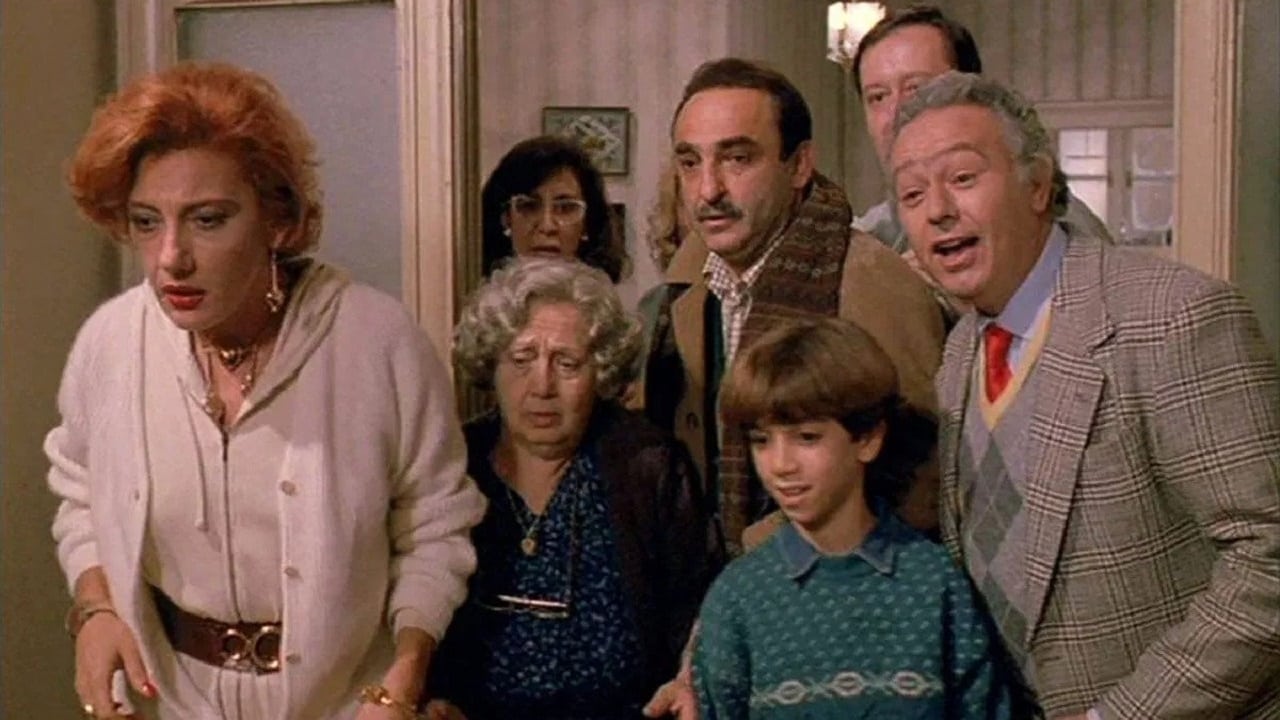
The setup feels deceptively familiar, almost comforting in that classic Italian cinematic way. It’s Christmas, and the sprawling family gathers at the ancestral home of their elderly parents, Saverio (Paolo Panelli) and Trieste (Pia Velsi). The house bustles with noise, overlapping conversations, the forced bonhomie of relatives who perhaps see each other only out of obligation. Monicelli, a master craftsman whose brilliant career included classics like Big Deal on Madonna Street (1958) and the My Friends series (Amici miei, 1975), orchestrates this initial chaos perfectly. We recognise these types: the competitive siblings, the put-upon spouses, the grandchildren running underfoot. It feels lived-in, authentic, bathed in the warm glow of festive lights but already crackling with unspoken tensions.
The film, penned by a dream team including Monicelli himself and the legendary Suso Cecchi D'Amico (whose pen graced masterpieces from Bicycle Thieves to The Leopard), lulls you into this comfortable chaos before dropping its bombshell. During the Christmas dinner, the aging parents, with serene smiles, announce they can no longer live alone. They pose a simple, loving question to their four adult children: which one of them will take Mom and Dad in?
The Unravelling
What follows is a masterclass in escalating discomfort. The initial shock gives way to frantic, whispered conferences, desperate excuses, and the slow, agonizing stripping away of familial pretense. The camera often feels tightly confined within the walls of the family home – filmed largely in the picturesque medieval town of Sermoneta, south of Rome – amplifying the sense of claustrophobia as the siblings scramble to avoid the perceived burden. Suddenly, the shared history, the childhood memories, the veneer of love and respect – it all curdles into resentment and self-interest.
It's here the performances truly shine, grounding the film's potentially cynical premise in painful human truth. Paolo Panelli and Pia Velsi are heartbreakingly poignant as the elderly couple, initially oblivious to the turmoil their simple request has caused, their quiet dignity slowly eroded by the dawning realisation of their children's reluctance. They aren't just plot devices; they embody the vulnerability and often-unseen anxieties of aging.
Among the siblings, Marina Confalone delivers a standout performance as Lina, the unmarried daughter who stayed closest to home. Her simmering frustrations, her complex mix of duty and bitterness, feel startlingly real. Confalone actually won the David di Donatello award (Italy's Oscar equivalent) for Best Supporting Actress for this role, and it's easy to see why. Her performance is a raw nerve, exposing the thankless sacrifices often expected within families. The entire ensemble, in fact, works beautifully, each actor contributing to the suffocating tapestry of hidden grievances and naked self-preservation.
Monicelli's Bitter Brew
This film is a prime example of commedia all'italiana (Comedy Italian Style), but pushed towards its darkest, most uncomfortable conclusions. Monicelli wasn't interested in easy sentimentality. He uses the comedic setup – the absurdity of the siblings' excuses, the awkward social maneuvering – to sharpen the dramatic impact. There are moments that make you chuckle with horrified recognition, but the laughter catches in your throat.
It’s a film that forces uncomfortable questions. What do we truly owe our parents? How does society, even within the supposedly tight-knit family unit, handle the realities of aging and dependence? The "poisonous relations" of the English title capture the toxic undercurrents perfectly, but the Italian Parenti serpenti feels even more visceral – the image of relatives turning venomous when their comfort is threatened.
Retro Fun Facts & Lasting Sting
- Parenti serpenti was critically acclaimed in Italy upon release, recognized for its unflinching honesty, even winning the David di Donatello for Best Screenplay.
- Mario Monicelli was nearly 80 when he directed this, bringing decades of cinematic insight into the frailties and hypocrisies of Italian society (and human nature) to bear. His sharp eye never dulled.
- While not a huge hit internationally on the scale of some Italian exports, the film has endured as a cult classic, particularly among those who appreciate cinema that isn't afraid to confront difficult truths with intelligence and biting wit. Its themes remain profoundly relevant today.
(Spoiler Warning for the ending!) The film’s notorious ending is a gut punch. It's shocking, bleak, and utterly unforgettable, cementing the film's status as a truly daring piece of work. It refuses easy answers or comforting resolutions, leaving the viewer reeling with the implications of the family's "final solution." It’s a conclusion that sparked debate then and likely still would today.
The Verdict
Dearest Relatives, Poisonous Relations isn't an easy watch, and it certainly wasn't the kind of film you'd casually pop into the VCR for light entertainment. But finding it on that dusty rental shelf felt like discovering something vital, something unafraid to peer into the darker corners of human relationships, especially those we hold most sacred. It’s brilliantly acted, surgically precise in its direction and writing, and its central dilemma resonates with uncomfortable power. The blend of humour and horror is handled masterfully, leaving a lasting impression.
Rating: 9/10
This is Italian social commentary at its most potent and unforgiving. It’s a film that stays with you, prompting reflection long after the credits roll – a stark reminder that sometimes, the most dangerous vipers are coiled right within the family nest. What lingers most isn't just the shock, but the chilling recognition of the uncomfortable truths it dares to expose.