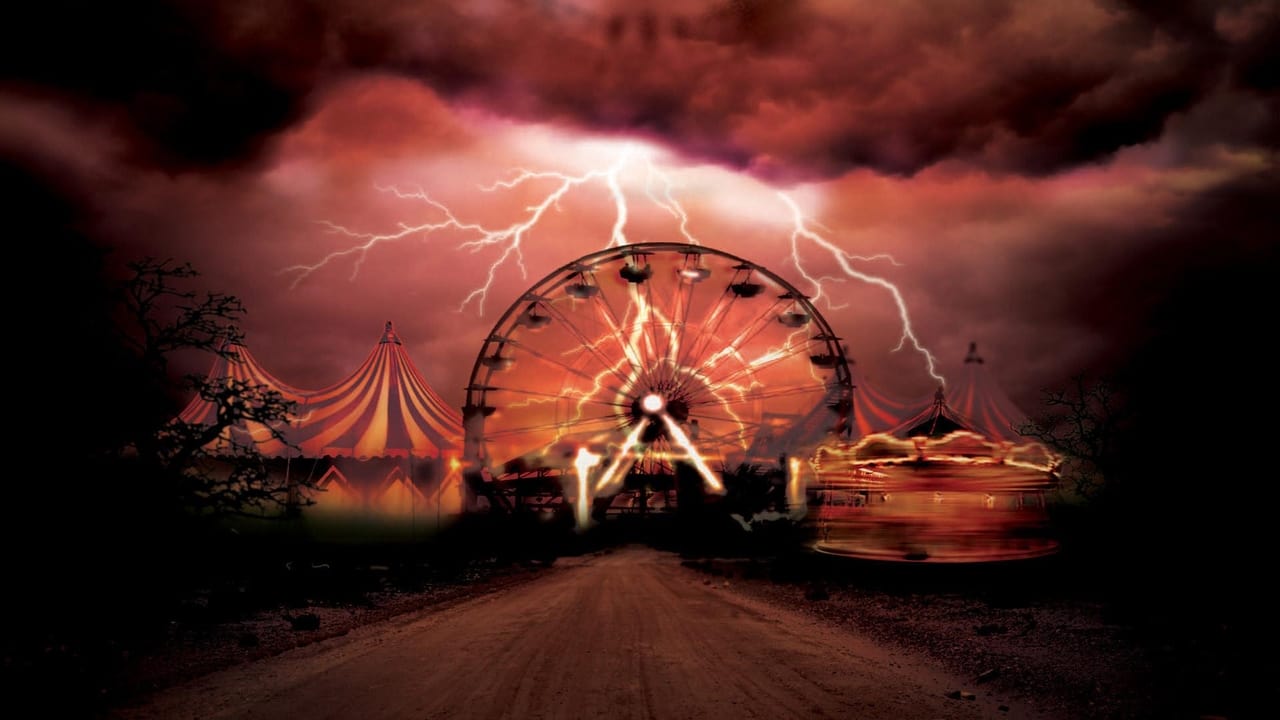
The whistle cuts through the pre-dawn silence like a shard of ice. It’s 3 AM in Green Town, Illinois, a place settling into the amber melancholy of autumn, and a train, impossibly long and draped in shadow, is pulling into the station. It carries not passengers, but the skeletal framework of a nightmare: Dark's Pandemonium Carnival. And with it arrives a chill that has nothing to do with the October air. Something Wicked This Way Comes (1983) isn't just a film; it’s a feeling, a creeping dread that settles deep in your bones, much like the dust that seems to coat Mr. Dark's sinister operation.
An Autumnal Unease
Based on the seminal novel by the legendary Ray Bradbury, who also penned the screenplay (a rarity ensuring a certain fidelity, though studio meddling would complicate things), the film captures that specific, bittersweet ache of approaching fall. We see Green Town through the eyes of two boys on the cusp of adolescence: Will Halloway (Vidal Peterson), cautious and thoughtful, and Jim Nightshade (Shawn Carson), drawn like a moth to the flickering flame of danger. Their friendship is the innocent heart threatened by the encroaching darkness, a darkness that feeds on the quiet desperation and regrets of the town's adult inhabitants. The film, under the initial direction of Jack Clayton (whose masterful touch with atmosphere was proven in 1961's The Innocents), perfectly bottles that feeling of something wondrous and terrifying lurking just beyond the familiar glow of porch lights.
Mr. Dark's Unwelcome Bargains
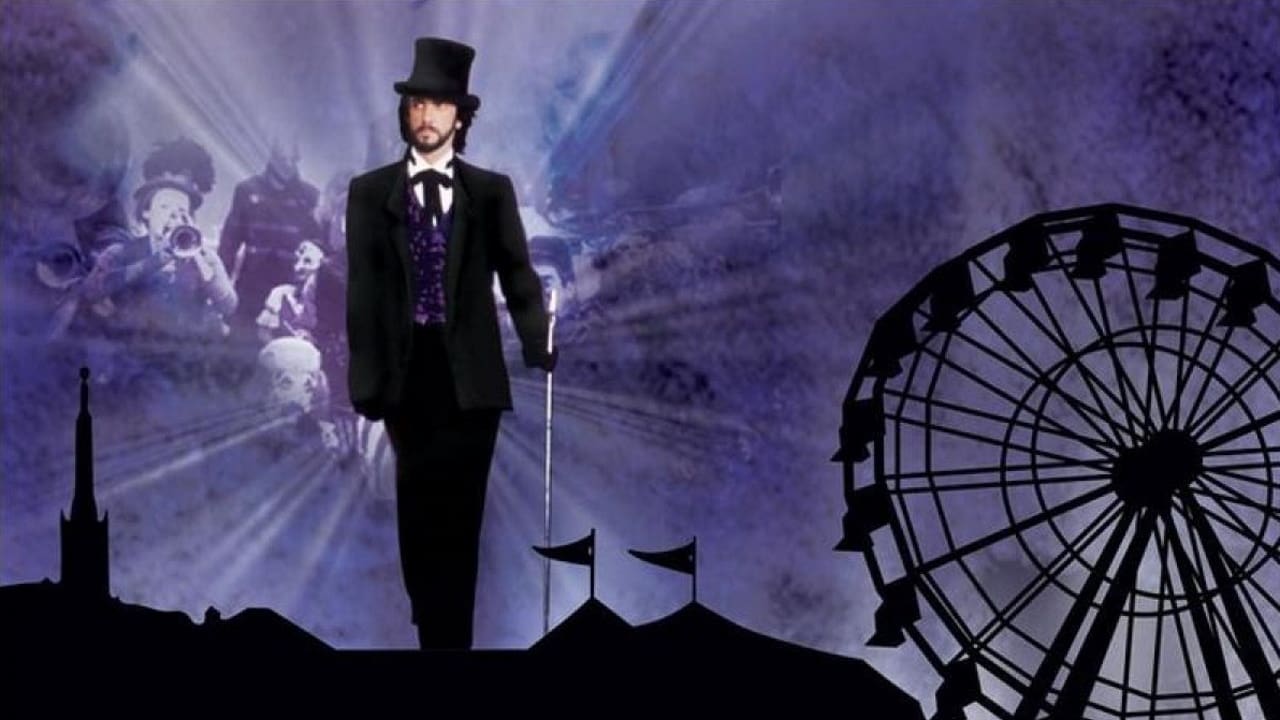
And then there's Mr. Dark himself, embodied with chilling, serpentine grace by Jonathan Pryce. Before his acclaimed turns in films like Brazil (1985) or later, global franchises, Pryce delivered a performance here that remains unsettlingly potent. He’s not just a ringmaster; he's a collector of souls, his smile thin and predatory, his promises tailored to exploit the deepest aches of the human heart. Remember the Illustrated Man? His tattoos writhe with the faces of those ensnared by the carnival, a living testament to broken deals. The carnival itself is a masterpiece of eerie production design – the carousel that spins time forwards and backwards, the mirror maze reflecting twisted desires, all bathed in a sickly, unnatural light. It feels less like a place of amusement and more like a beautifully constructed trap.
The Weight of Regret, The Power of Joy
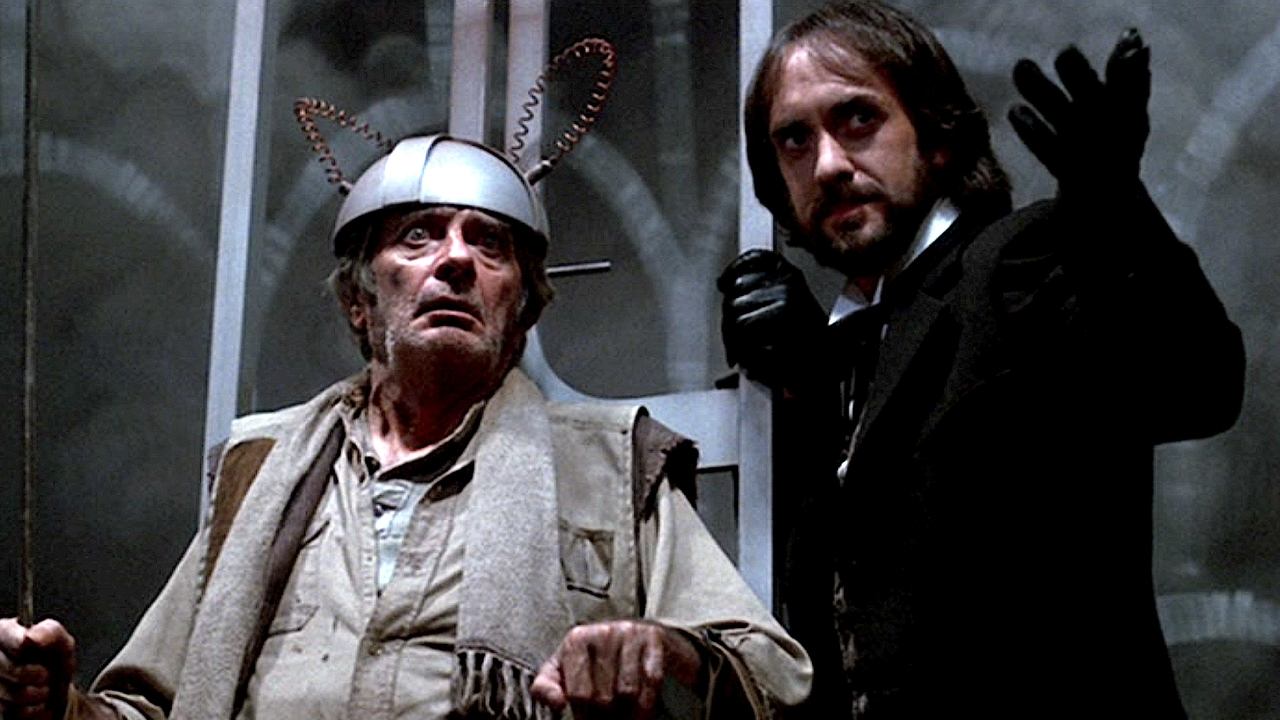
At the film's emotional core is Jason Robards as Charles Halloway, Will's father and the town librarian. Robards, a titan of stage and screen, brings a profound weariness and quiet dignity to the role. His Charles is haunted by missed opportunities and the fear of aging, making him particularly vulnerable to Dark's temptations. There's a story that Robards, who had faced his own battles with alcoholism and regret, felt a deep personal connection to Charles, lending his performance an authenticity that anchors the fantasy. His confrontation with Mr. Dark in the library, armed only with knowledge and, ultimately, laughter, is a standout moment – a rejection of despair in favour of simple, defiant joy. It speaks volumes about Bradbury's themes: that acknowledging darkness doesn't mean succumbing to it.
A Troubled Reflection: The Clayton Cut vs. Disney's Touch
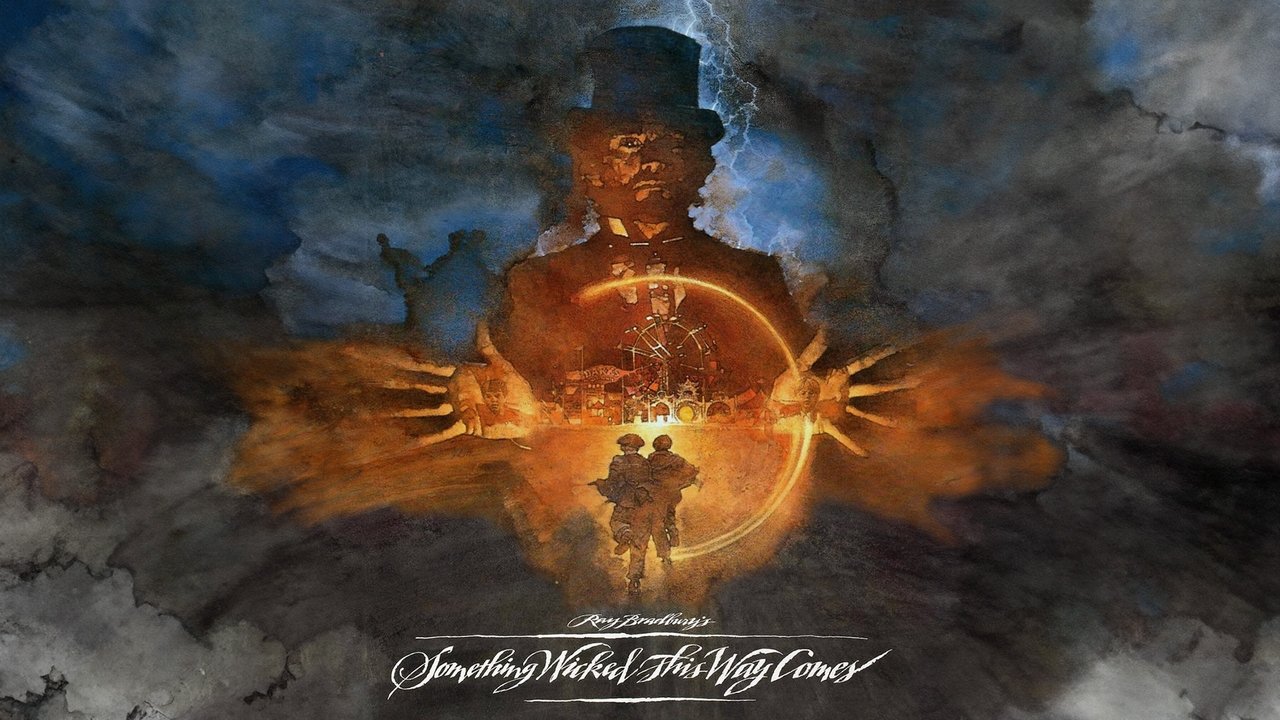
Now, for a bit of VHS Heaven deep-dive reality. The Something Wicked This Way Comes that graced our screens wasn't entirely the film Jack Clayton first delivered. Test screenings for the original, darker cut reportedly didn't sit well with Disney executives, who perhaps weren't quite ready for this level of atmospheric dread under their banner in the early 80s. Clayton was sidelined, extensive reshoots were ordered (adding scenes like the spider attack, reportedly costing an extra $5 million), and Georges Delerue's haunting original score was largely replaced by a new one from James Horner. While Horner's score is effective in its own right, many cinephiles lament the loss of Delerue's work and wonder about the shape of Clayton's original vision. This behind-the-scenes turmoil arguably contributes to a slightly uneven tone in places – moments of intense, gothic horror sit alongside sequences that feel perhaps a touch more conventionally adventurous. Does that fractured identity weaken it? Maybe slightly, but it also gives the film a unique, almost spectral quality, a ghost of the darker film lingering within the final product.
Why It Still Haunts the Shelves
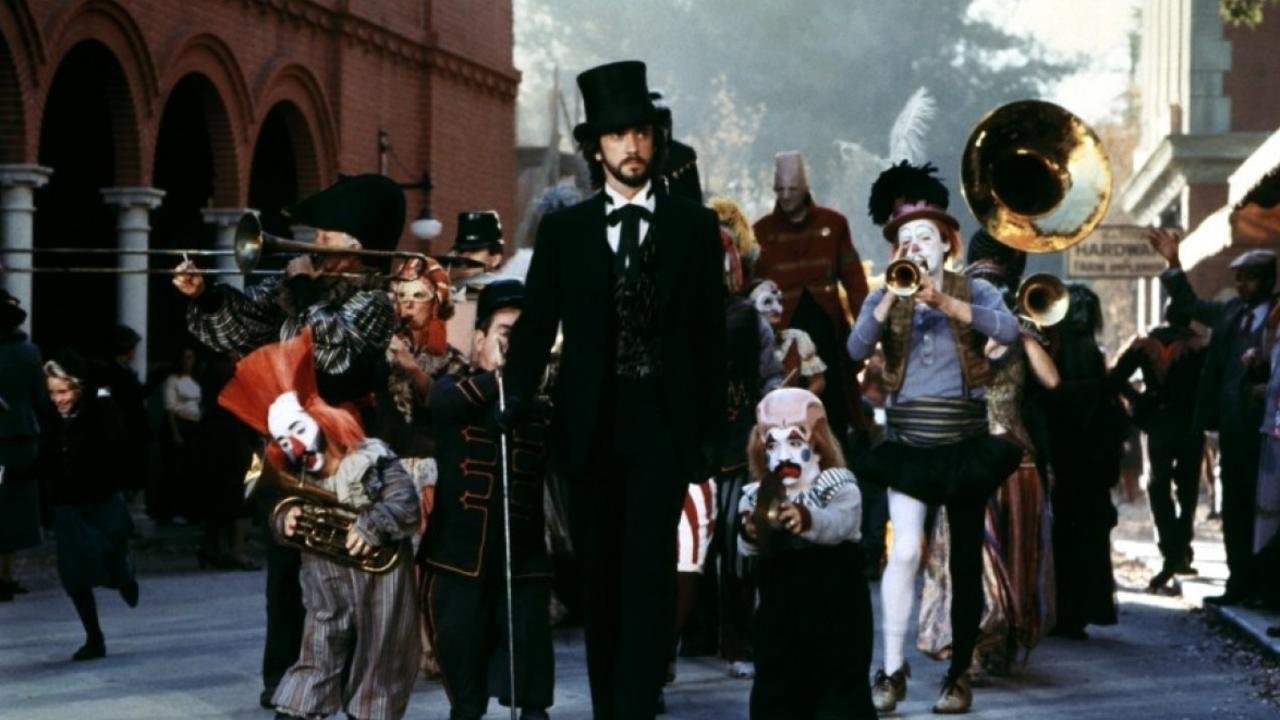
Despite its troubled birth and initial lukewarm reception (grossing only $8.4 million against its eventual $19 million budget), Something Wicked This Way Comes has earned its place as a beloved cult classic, particularly for those of us who discovered its moody magic on a rented VHS tape. Perhaps we rented it expecting typical Disney fare and were instead blindsided by its maturity, its chilling atmosphere, and its unflinching look at fear and regret. The practical effects, like the unsettling transformation of Mr. Cooger on the carousel or the ethereal Dust Witch (Pam Grier in a fascinating, non-speaking role), possess that tangible creepiness that CGI often struggles to replicate. It doesn’t rely on jump scares; it builds a pervasive sense of wrongness, a disruption of the natural order that feels deeply unsettling. Doesn't that final image of the carnival dissolving back into dust leave a lasting impression?
VHS HEAVEN RATING: 8/10
Something Wicked This Way Comes is a beautiful, flawed, and deeply atmospheric piece of dark fantasy. While studio interference may have sanded down some of its sharpest edges, the core of Ray Bradbury's haunting tale remains potent, brought to life by unforgettable performances from Jonathan Pryce and Jason Robards, and Jack Clayton's undeniable talent for crafting dread. The troubled production history only adds another layer to its mystique. It earns its 8/10 for its enduring mood, its thematic depth, its chilling villain, and for being that rare Disney film from the era brave enough to truly explore the shadows. It’s a film that reminds us that sometimes, the most frightening things aren't monsters, but the whispers of temptation that echo our own deepest fears and regrets – a perfect slice of autumnal unease preserved forever on magnetic tape.