Sgt. Pepper's Lonely Hearts Club Band
Alright, gather 'round the flickering glow of the metaphorical CRT, folks. Tonight, we're pulling a tape off the shelf that’s less a forgotten gem and more... well, a truly unforgettable cinematic happening. Remember that moment, browsing the aisles, maybe looking for Saturday Night Fever or a Frampton live album, and stumbling upon this? The 1978 fever dream that is Sgt. Pepper's Lonely Hearts Club Band. A movie that took arguably the most influential rock album ever, tossed it in a blender with the Bee Gees at their peak, Peter Frampton fresh off Frampton Comes Alive!, a cavalcade of seemingly random celebrities, and hit ‘puree’.

The sheer audacity is something to behold. Producer Robert Stigwood, riding high on the disco inferno of Saturday Night Fever and the stage-to-screen success of Jesus Christ Superstar and Tommy, clearly thought he had the Midas touch. Combine the biggest band ever (The Beatles, whose music provides the entire soundtrack) with the biggest acts of the moment (The Bee Gees and Frampton)? What could possibly go wrong? Pouring a reported $18 million (that’s like, $80 million today!) into it, Stigwood and director Michael Schultz (who had just delivered the fantastically funky Car Wash) aimed for spectacle. And spectacle they delivered, though perhaps not the kind they intended.
Welcome to Heartland, USA
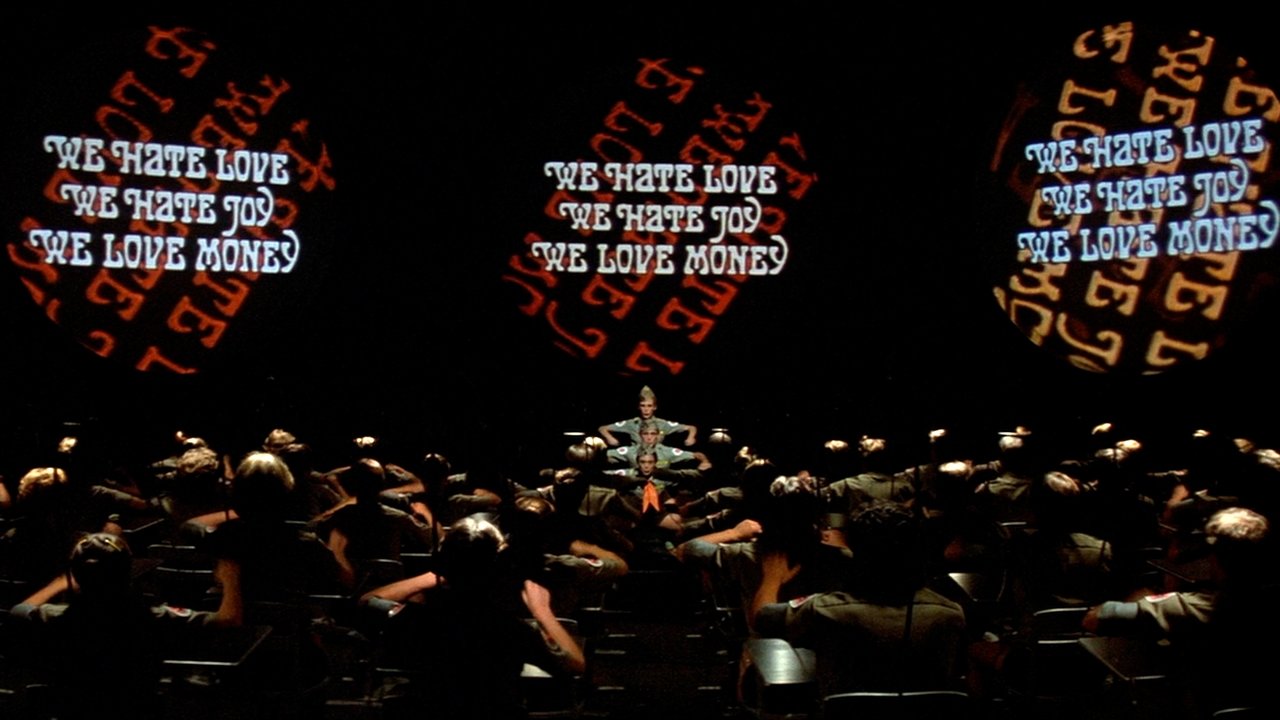
The plot, such as it is, reimagines the Beatles' songs as the story of Billy Shears (Frampton) and his bandmates, the Henderson brothers (Barry, Robin, and Maurice Gibb), rising stars from the idyllic, vaguely WWI-era town of Heartland. They're lured away by fame and the wicked Mean Mr. Mustard (Frankie Howerd, delightfully sleazy) and his robot army (yes, really), leaving behind Billy's true love, Strawberry Fields (Sandy Farina). George Burns, as the folksy narrator Mr. Kite, tries to hold it all together, occasionally breaking the fourth wall with the weariness of someone who knows this whole enterprise is utterly bonkers.
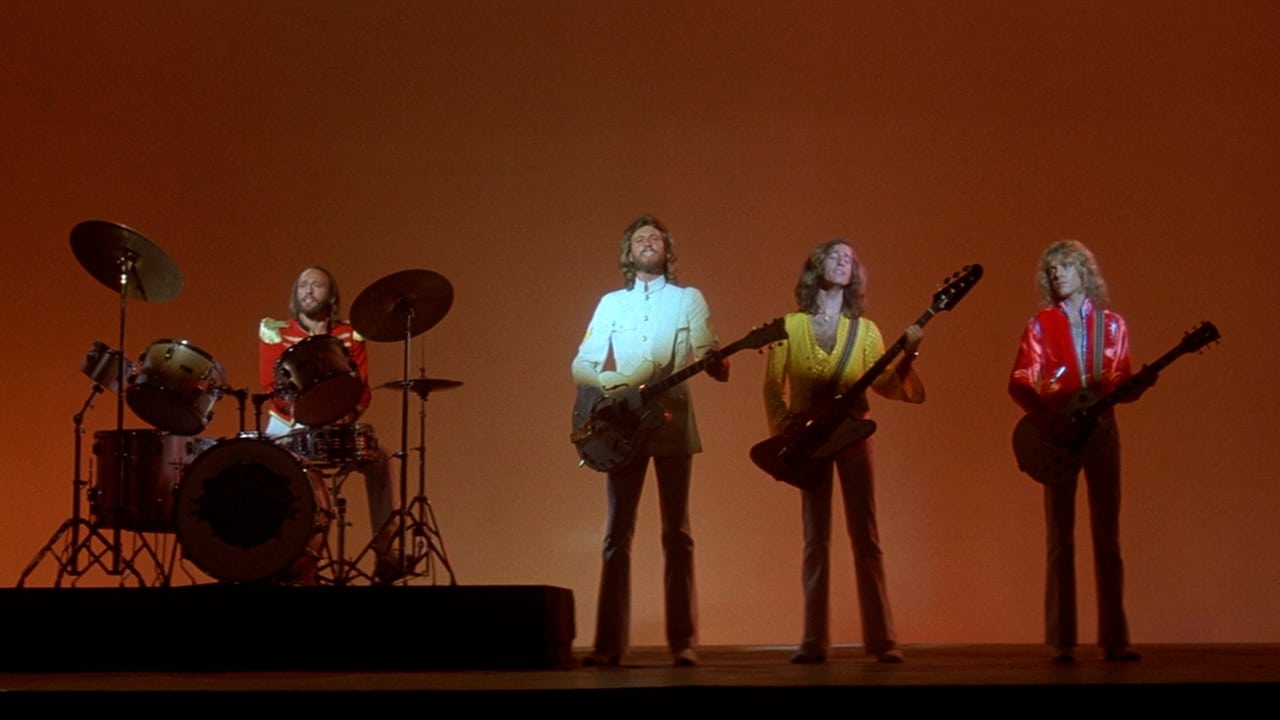
It's less a narrative and more a series of disconnected, often bafflingly literal, music videos strung together. "Getting Better" features the band fixing up the town square. "Fixing a Hole" involves... fixing a hole in a roof. Sometimes the visual interpretations are ambitious, like the kaleidoscopic sequence for "Lucy in the Sky with Diamonds" or the genuinely unsettling Future Villain Band sequence featuring Aerosmith performing "Come Together." That Aerosmith scene, by the way, feels like it crash-landed from a different, much cooler movie. Steven Tyler reportedly consumed quite a bit of… inspiration on set, leading to some genuinely raw energy amidst the surrounding weirdness.
Cameo Overload and Musical Mayhem
Part of the film's enduring legacy is its absolutely jaw-dropping roster of cameos. Steve Martin doing a wild take on "Maxwell's Silver Hammer"? Alice Cooper as the delightfully bizarre "Sun King"? Earth, Wind & Fire bringing infectious energy to "Got to Get You into My Life"? It’s a chaotic whirlwind of “Hey, isn’t that…?” moments. Trying to spot everyone – from Donald Pleasence to Keith Carradine – became a weird meta-game when watching this back in the day.
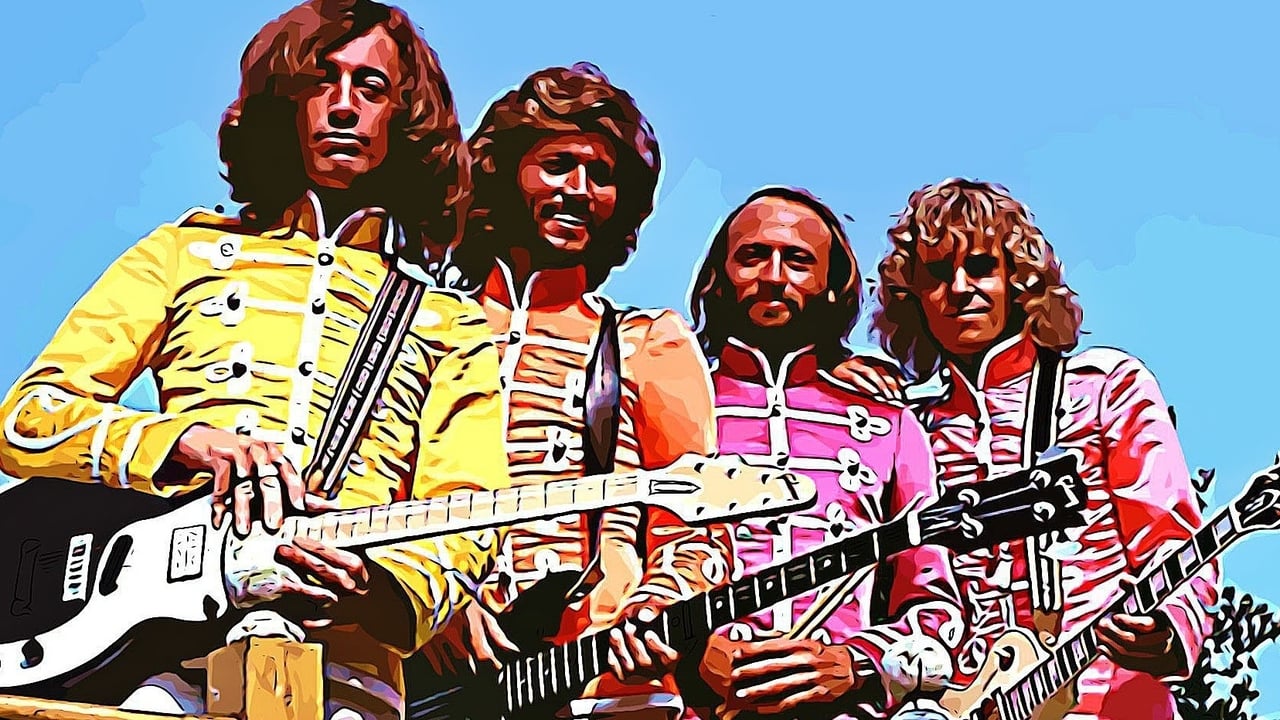
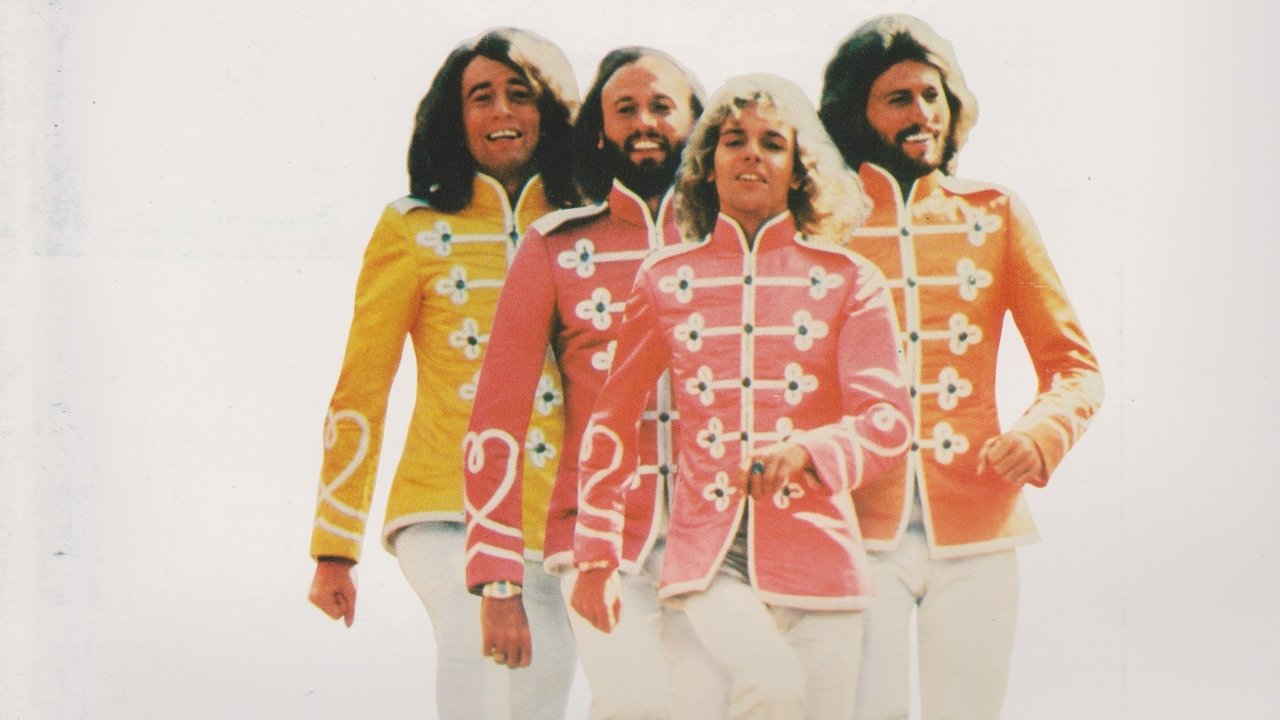
The music itself is… well, it’s the Beatles' music, filtered through late-70s pop sensibilities. Frampton and the Bee Gees are undeniably talented musicians, but hearing them tackle these iconic tracks often feels less like an inspired reinterpretation and more like high-end karaoke. Some arrangements work better than others (Earth, Wind & Fire’s number is a highlight), but many lack the original spark. It’s a fascinating artifact of its time, showcasing how dominant disco and arena rock aesthetics were, even when applied to revolutionary source material. There's a sincerity to the performances, particularly from Frampton and the Gibbs, but they're often hampered by the film's flimsy structure and sometimes downright silly visuals. Retro Fun Fact: Stigwood was so confident, he reportedly planned sequels before the film even opened. Oof.
A Spectacle of Excess
Visually, the film is ambitious. The sets are large, the costumes are colourful (if often questionable), and there's a definite attempt at creating a unique fantasy world. But it all feels strangely inert, lacking the genuine magic it strives for. It’s like a giant, expensive parade float that forgot where it was going. The production was notoriously troubled; rumour has it that Schultz and Stigwood clashed, and a major fire destroyed several sets mid-production, adding to the budget woes and chaos.
Watching it now feels like peering into an alternate dimension where musical taste took a very strange detour. You find yourself asking, "Who thought this was a good idea?" But then Steve Martin pops up with a giant silver hammer, or Alice Cooper croons surrounded by nurses, and you can't help but chuckle at the sheer, unadulterated weirdness of it all. It bombed spectacularly upon release, savaged by critics and ignored by audiences who perhaps sensed this wasn't quite the magical mystery tour promised. Rolling Stone's review famously called it "the Heaven's Gate of rock musicals," which tells you everything you need to know about its initial reception.
Rating: 3/10
Look, let's be honest. As a coherent film, Sgt. Pepper's Lonely Hearts Club Band is a mess. The plot is non-existent, the interpretations of the songs are often baffling, and the overall tone is wildly uneven. HOWEVER, as a piece of pure, unadulterated 70s pop culture excess, a time capsule of baffling decisions made by people with too much money and power? It's utterly fascinating. The 3 points are awarded for the sheer audacity, the incredible roster of talent involved (even if misused), and its undeniable status as a legendary Hollywood folly. You don't watch it because it's good; you watch it because it exists.
Final Thought: It's the kind of cinematic train wreck you can't look away from – a glittery, star-studded, profoundly misguided attempt to capture lightning in a bottle that instead short-circuited the entire power grid. Worth seeing once, perhaps late at night with friends, just to say you survived the trip to Heartland.