It hits you right from the start, doesn't it? That relentless, driving beat. "A 5, 6, 7, 8!" And suddenly, you're thrust into the swirling chaos of Joe Gideon's world in Bob Fosse's staggering 1979 cinematic self-portrait, All That Jazz. This isn't your typical backstage musical; pulling this tape from its shelf back in the day felt like handling something dangerous, something intensely personal and unflinchingly raw. It was a film that didn't just entertain; it dissected, exposed, and ultimately, bled onto the screen.

Show Business is Hell (And Heaven)
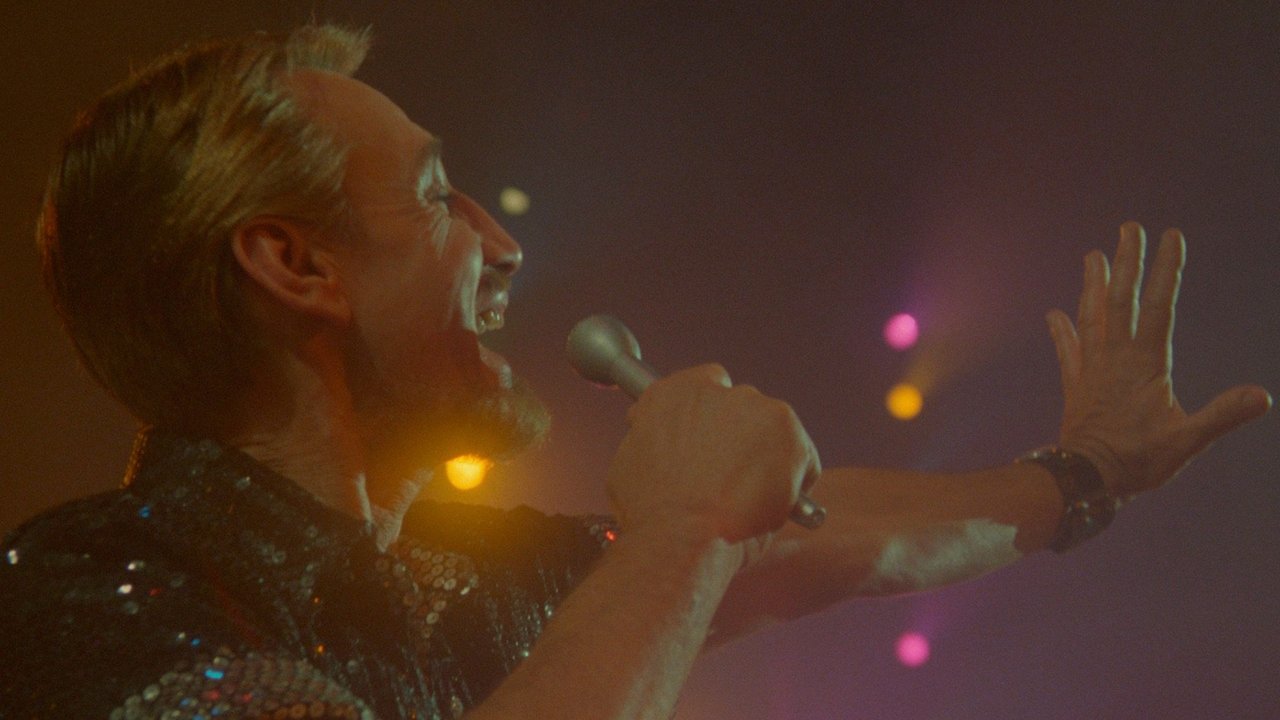
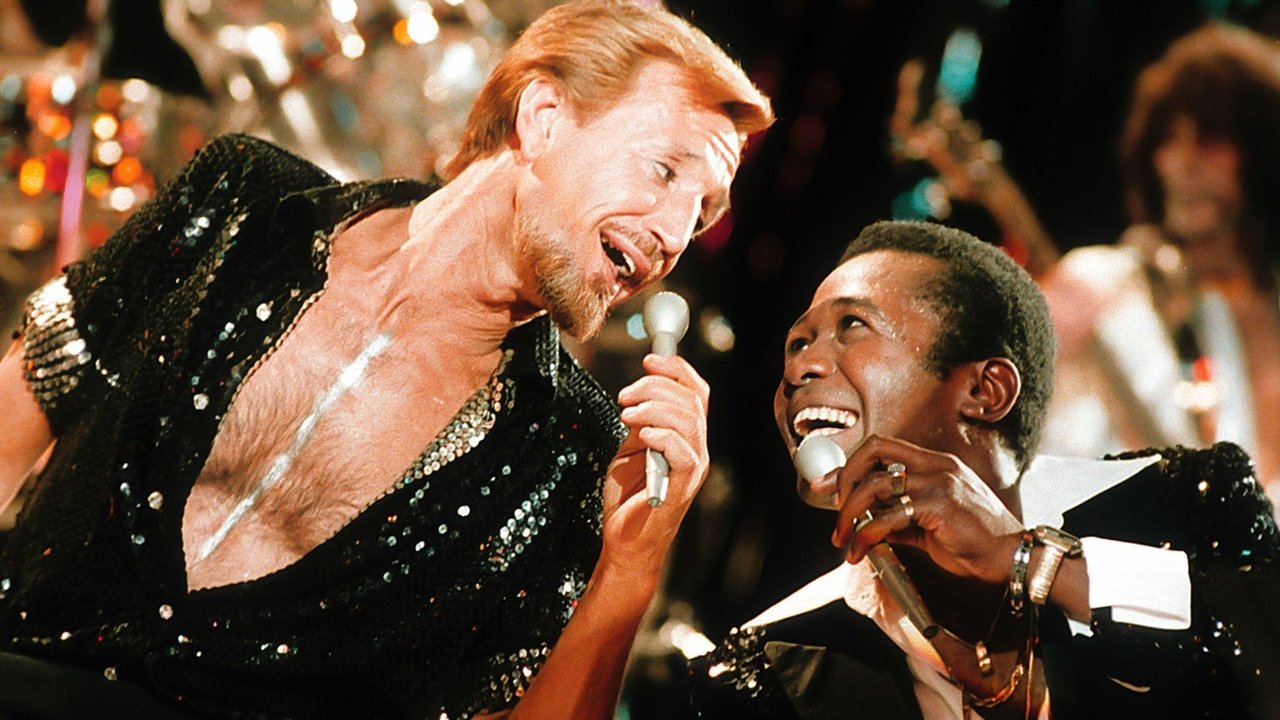
At the heart of the storm is Joe Gideon, played with career-defining brilliance by Roy Scheider. Gideon is a whirlwind – a celebrated director and choreographer juggling a new Broadway show, editing his latest film, and navigating a messy personal life fueled by amphetamines, booze, women, and sheer, obsessive workaholism. Scheider, perhaps best known then for battling a shark in Jaws, is simply extraordinary here. He embodies Gideon's exhaustion, his desperate charm, his artistic genius, and the terrifying awareness of his own mortality. You see the toll in his eyes, the slight tremor in his hands, the forced energy he summons for one more rehearsal, one more take, one more cigarette. It’s a performance of shattering authenticity, capturing a man simultaneously creating beauty and orchestrating his own destruction.
Fosse Unfiltered
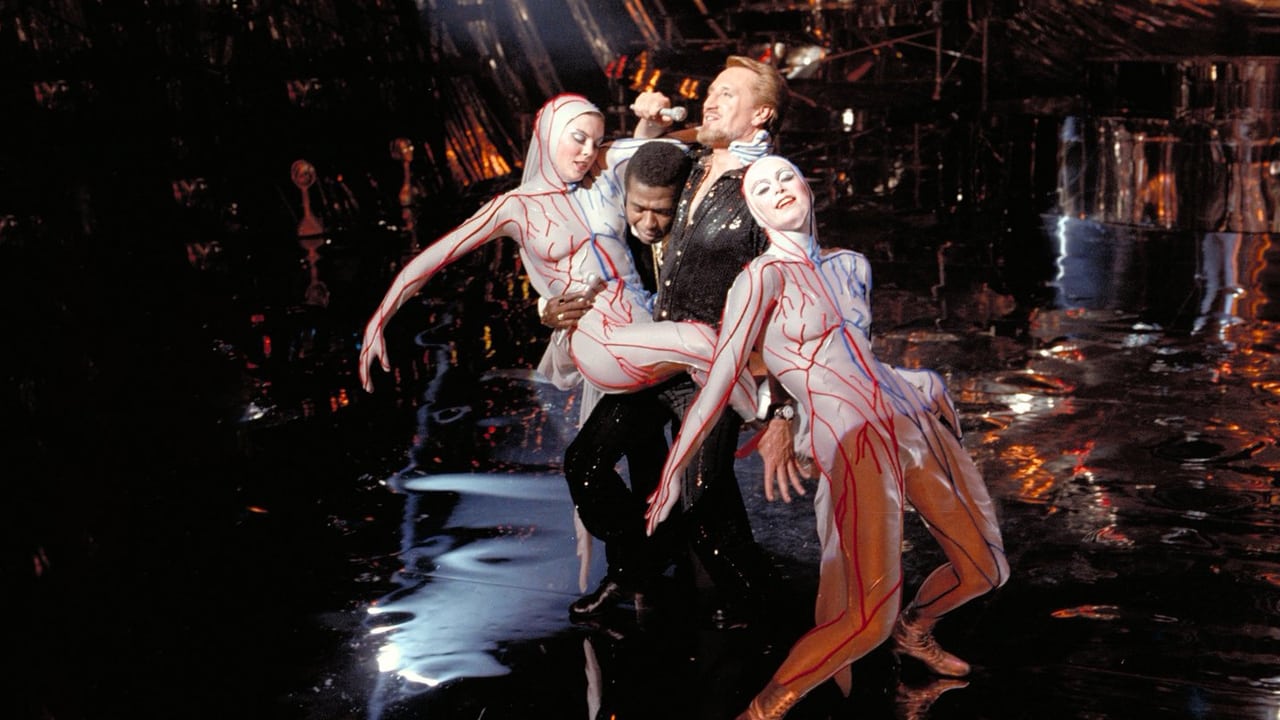
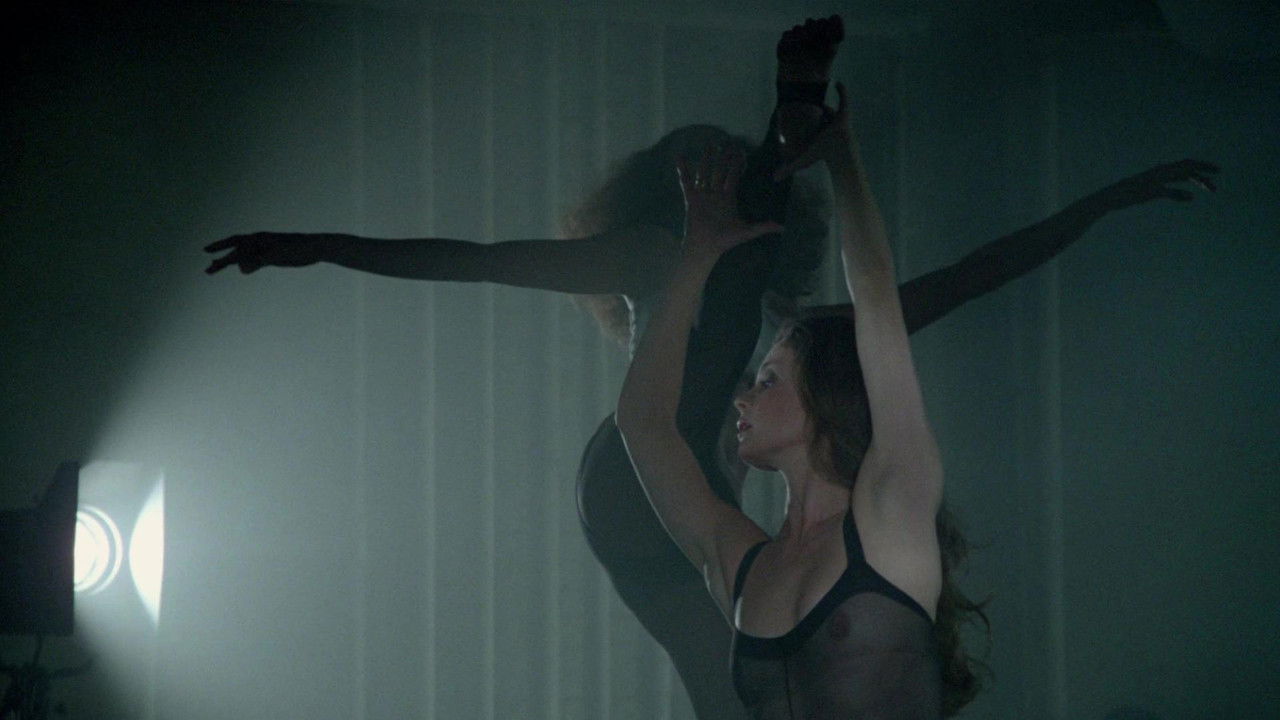
There's no hiding that Gideon is Fosse. The film was born directly from the director's own massive heart attack, suffered while simultaneously editing his film Lenny and prepping the Broadway smash Chicago. That brush with death clearly forced a reckoning, and All That Jazz feels like Fosse tearing open his chest and inviting us to examine the messy, contradictory, brilliant workings within. His directorial style, already iconic from Cabaret, reaches a fever pitch here. The editing, masterfully handled by Alan Heim (who deservedly won an Oscar for it), is breathtaking – intercutting Gideon's increasingly elaborate heart surgery with dazzling, hallucinatory musical numbers. It’s jarring, disorienting, and utterly hypnotic. Fosse uses dance not just as spectacle, but as confession, as fantasy, as a desperate dialogue with death itself.
Visions and Visitations
Surrounding Gideon are figures both real and spectral. Leland Palmer (a Fosse veteran) is sharp and poignant as Audrey Paris, Gideon's ex-wife and principal dancer, clearly modeled on Fosse's own wife, the legendary Gwen Verdon. Her weary affection and clear-eyed understanding of Joe provide a crucial anchor. And then there's Angelique, the literal angel of death, played with ethereal grace by Jessica Lange. Their conversations, shifting from flirtatious banter to profound existential dread, are some of the film's most haunting moments. Is she a hallucination? A manifestation of his fading life force? The ambiguity is part of her power.
Behind the Curtain: Blood, Sweat, and Sequins
Knowing the backstory only deepens the experience. Fosse, mirroring his protagonist, was often directing from a fragile state, pouring his own recent trauma directly into the script he co-wrote with Robert Alan Aurthur. The production itself was demanding, reflecting the high-pressure world it depicted. It's fascinating that Roy Scheider wasn't the initial choice; Richard Dreyfuss, among others, was considered, but it's impossible now to imagine anyone else capturing Gideon's specific blend of magnetism and decay. The film was a significant production for its time, costing around $12 million (a hefty sum then, maybe $50 million today), but its artistic ambition paid off, grossing over $37 million and earning nine Academy Award nominations, winning four – for Editing, Art Direction, Costume Design, and Score Adaptation. The commitment to realism even extended to the medical scenes; actual open-heart surgery footage was integrated, adding another layer of visceral intensity.
The Last Dance on VHS
Finding All That Jazz on the video store shelf, nestled perhaps between lighter fare, felt like uncovering a secret. It wasn't an easy watch, even then. It wrestled with big, uncomfortable themes: addiction, infidelity, the consuming nature of art, the terror of death. Yet, it was also undeniably dazzling. The musical numbers, particularly the audacious "Take Off With Us" airline commercial sequence and the climactic, show-stopping "Bye Bye Life," are Fosse at his stylistic peak – erotic, stylized, and technically brilliant. Watching it on a CRT, the stark hospital whites seemed almost blinding against the vibrant reds and blacks of the fantasy sequences. It was a film that demanded attention, provoked discussion, and certainly lingered long after the tape ejected.
Rating: 9/10
All That Jazz is a masterpiece, albeit a harrowing one. Its unflinching honesty, Bob Fosse's singular vision, Roy Scheider's tour-de-force performance, and the sheer audacity of its structure make it unforgettable. It loses a single point only because its bleakness and intense self-absorption can make it a challenging, sometimes emotionally draining experience, perhaps limiting its immediate rewatchability for some. However, its artistic brilliance and raw power are undeniable.
It leaves you contemplating the price of genius, the fire that drives creation, and the question that hangs heavy in the air long after the credits roll: Was it all worth it?