Okay, slide that tape into the VCR, maybe adjust the tracking just so, because tonight we're diving headfirst into a glitter bomb of pure, unadulterated ambition that somehow spectacularly misfired: 1980's Can't Stop the Music. This wasn't just another movie; it felt like an Event, masterminded by Grease producer Allan Carr, aiming to launch the already world-famous Village People into cinematic superstardom alongside a fresh-faced Steve Guttenberg and a recent Olympic hero. Remember the hype? It was supposed to be massive, the next big musical phenomenon. Instead, it became… well, legendary for entirely different reasons.

Birth of a Spectacle (Sort Of)
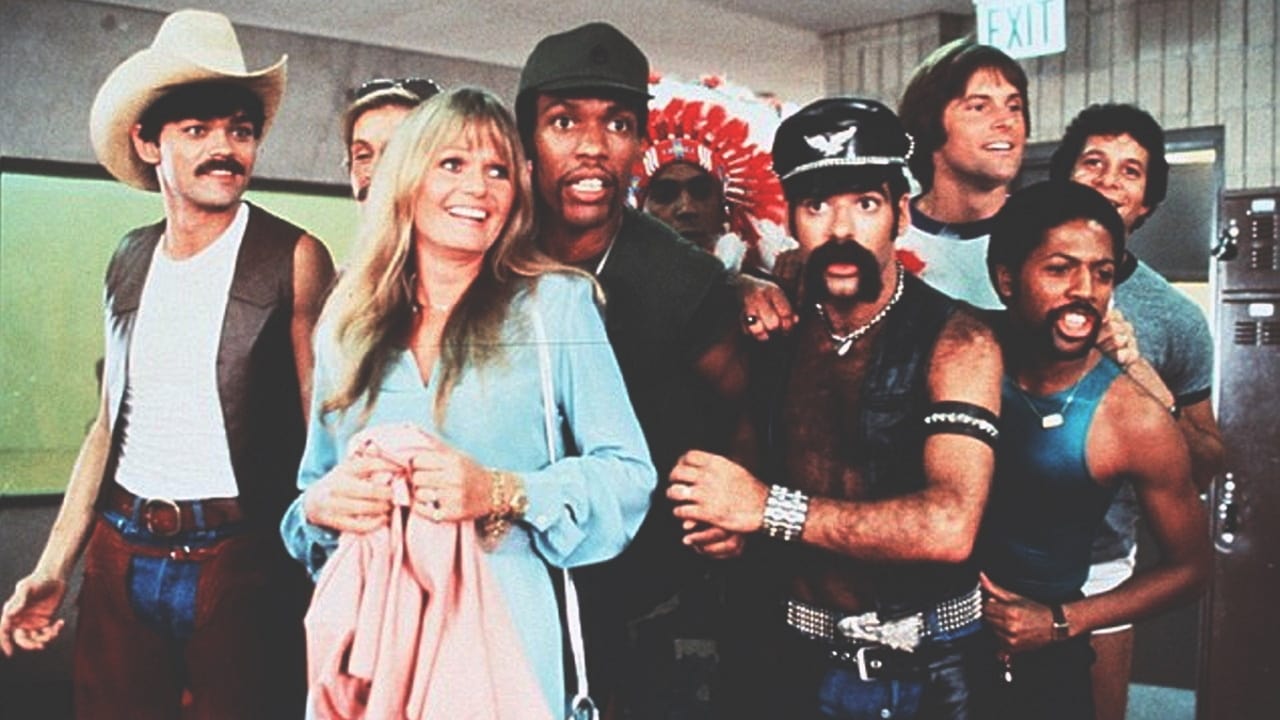
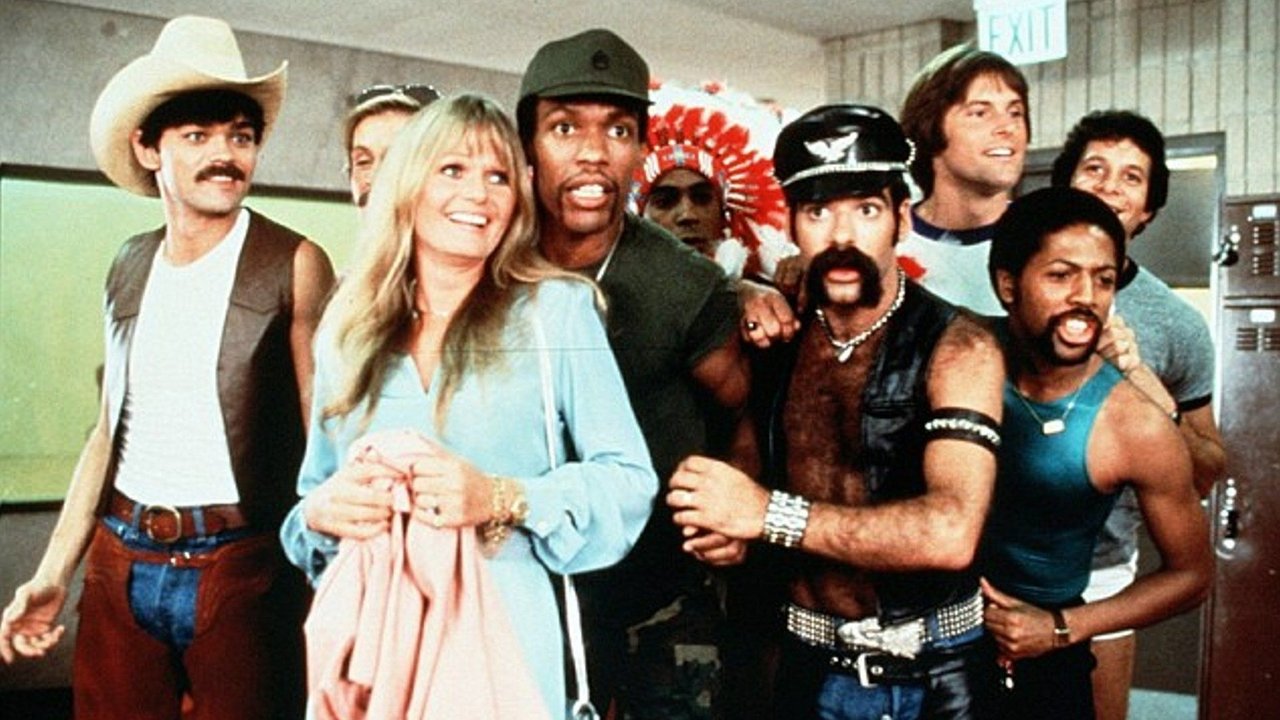
The plot, such as it is, orbits around Jack Morell (Steve Guttenberg, brimming with the earnest energy that would later serve him well in Police Academy), an aspiring songwriter/DJ determined to get his music heard. His roommate is Samantha Simpson (Valerie Perrine, a genuinely talented actress seemingly navigating a whirlwind), a supermodel trying to help Jack launch his career. Add into this mix Ron White (Bruce Jenner, now Caitlyn Jenner, in a famously stiff acting debut just four years after winning Olympic gold), a square lawyer from St. Louis who Samantha hopes will provide connections (and maybe fall for her). Jack’s big idea? Assemble a group representing a cross-section of American masculinity to perform his songs. Cue the introduction, one by one, of the Village People themselves – Felipe Roseau (The Native American), Randy Jones (The Cowboy), David Hodo (The Construction Worker), Glenn Hughes (The Leatherman), Alexander Briley (The G.I.), and Ray Simpson (The Cop, replacing original lead singer Victor Willis shortly before filming).
It's less a coherent narrative and more a series of flamboyant excuses for musical numbers. The script, co-written by Carr and Brontë Woodard (who also penned Grease), feels like it was assembled on the fly between costume fittings. Yet, there's a bizarre, infectious energy to the proceedings, guided somewhat uncertainly by director Nancy Walker. Yes, that Nancy Walker – Rhoda's mom, the Bounty paper towel lady! A beloved TV figure, but perhaps a bit out of her depth orchestrating this level of cinematic chaos.
More is More... and Then Some
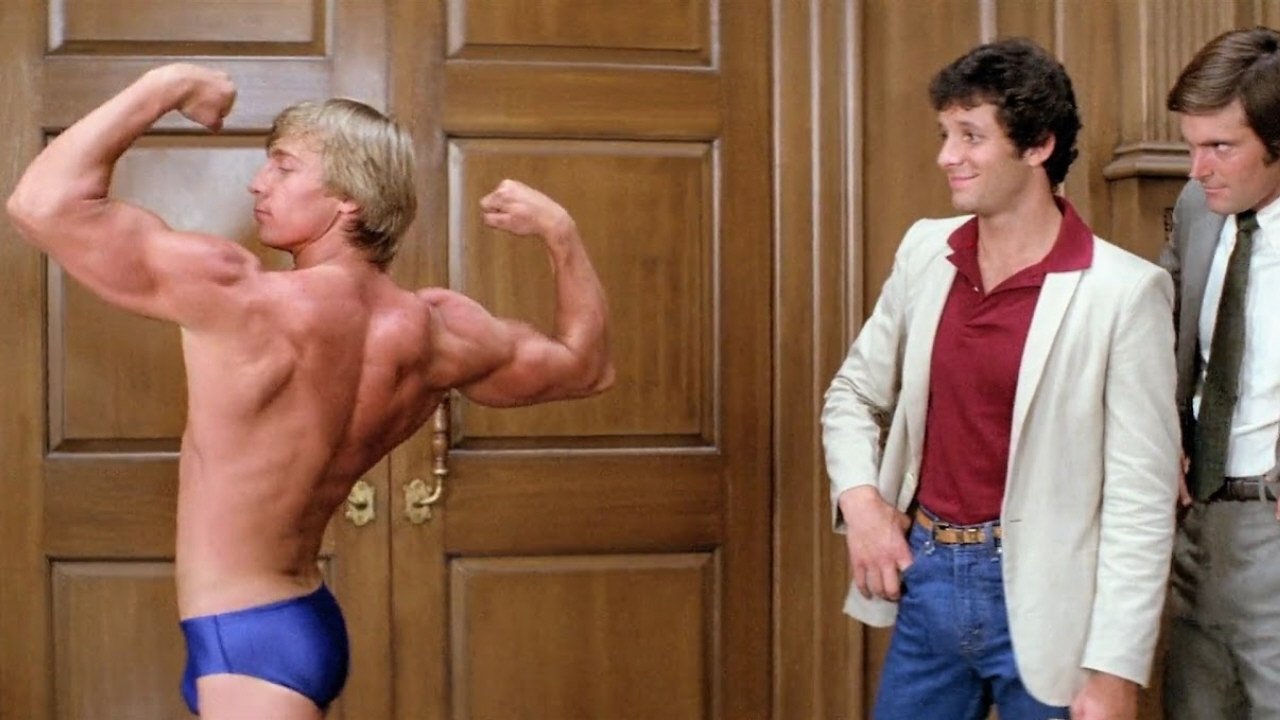
Let's be honest, you didn't rent Can't Stop the Music for its subtle character development. You rented it for the sheer, unadulterated spectacle, and on that front, it delivers in baffling spades. The musical numbers are staged with the kind of unrestrained excess only possible in the late disco era, before irony fully took hold. Remember the "Milkshake" number? Valerie Perrine surrounded by dancers in dairy-themed outfits, gyrating around giant Baskin-Robbins cartons? It’s bafflingly literal and utterly unforgettable.
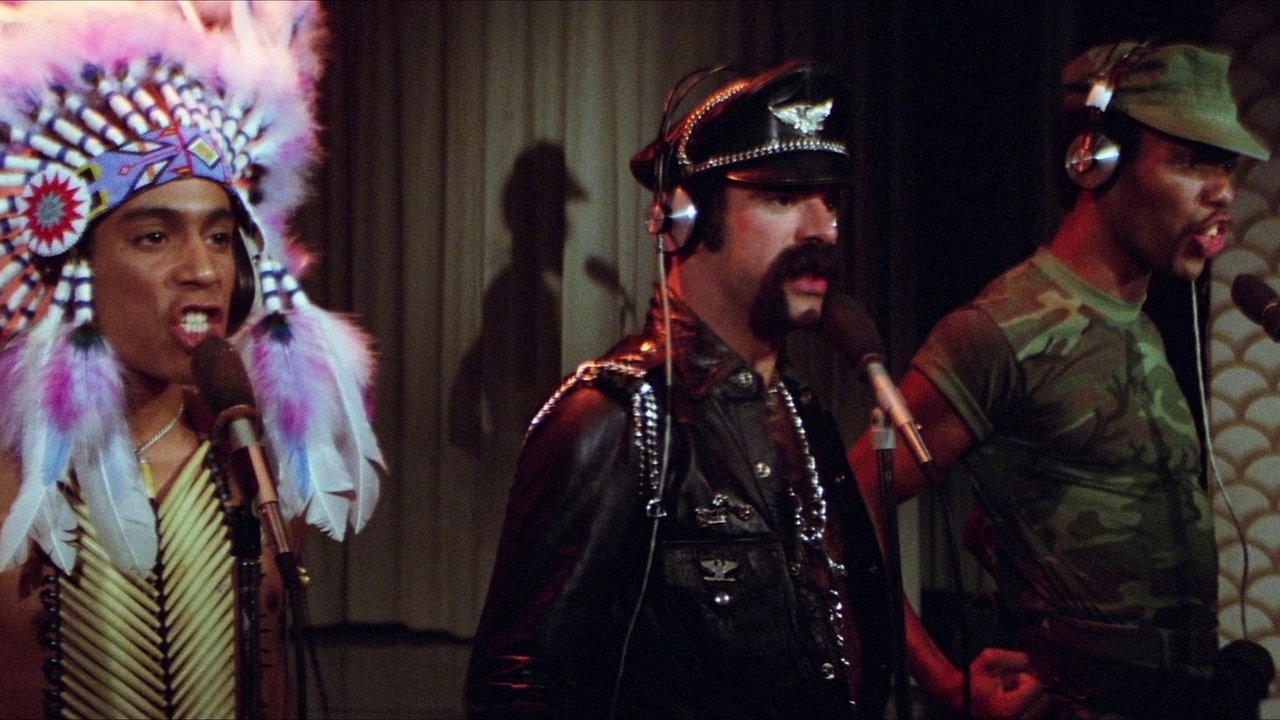
And then there’s the legendary "YMCA" sequence. Forget subtle choreography; this is an explosion of joyous, slightly frantic movement reportedly involving thousands of extras taking over a New York City YMCA. It’s enormous, expensive-looking, and utterly captures the band’s feel-good, inclusive energy, even if the film surrounding it struggles to find its footing. The soundtrack itself is pure Village People gold – catchy, driving disco-pop anthems that were genuinely massive hits. The music holds up far better than the narrative framework built around it.
Behind the Glitter Ball
This movie wasn't cheap. Reports put the budget around $20 million – an astronomical sum for 1980 (that's easily over $70 million today!). Allan Carr, known for his lavish parties and larger-than-life personality, clearly poured everything into making this the event movie of the year. He envisioned another Grease-level phenomenon. Unfortunately, the timing couldn't have been worse. By the summer of 1980, the "Disco Sucks" movement was in full swing, and the cultural appetite for this brand of glittery escapism had waned considerably. The film bombed, pulling in only about $2 million at the box office.
Its failure was so spectacular, it earned a unique distinction: Can't Stop the Music was the "winner" of the very first Golden Raspberry Award for Worst Picture in 1981. It also nabbed a Razzie for Worst Screenplay. Poor Bruce Jenner was nominated for Worst Actor; his discomfort on screen is palpable, a fascinating contrast to his athletic prowess. It's a classic case of someone pushed into the spotlight perhaps before they were ready, a common tale when fame transcends its original field.
A Time Capsule Like No Other
Watching Can't Stop the Music today is a singular experience. It’s undeniably campy, often hilariously awkward, and features some truly questionable fashion choices even by 1980 standards. Guttenberg gives it his all, bless him, and Perrine maintains her dignity throughout the absurdity. The Village People are essentially playing heightened versions of their stage personas, and their charisma does shine through, especially during the musical numbers.
But the film’s real value lies in its status as a fascinating, flawed time capsule. It captures the dying embers of the mainstream disco inferno with absolute sincerity. There's no winking at the camera here; they genuinely thought they were making the feel-good hit of the summer. That earnestness, combined with the sheer excess and eventual spectacular failure, makes it oddly endearing. Did anyone else tape this off late-night TV back in the day, watching through the snow and static, wondering what exactly they were witnessing?
Rating: 4/10
Let's be real: judged purely as a piece of coherent filmmaking, it's a mess. The plot is flimsy, the acting uneven (ranging from game to wooden), and its grasp on reality tenuous at best. However, that score comes with a huge asterisk. For sheer unintentional comedy, jaw-dropping musical numbers, and its status as a legendary Hollywood folly, it's almost essential viewing for connoisseurs of cinematic curiosities. The 4 points are mostly for the catchy tunes, the mind-boggling ambition, and the undeniable historical fascination.
Final Take: A rhinestone-studded monument to misplaced optimism and disco’s dying breath. It’s the party tape everyone brought but nobody was quite sure why, yet somehow, you still remember every ridiculous minute. A must-see for bad movie aficionados and pop culture archaeologists.