The flickering fluorescent lights of the video store often held promises – lurid cover art whispering tales of action, mystery, and maybe something darker. Sometimes, you found gold. Other times, like reaching for the 2000 remake of Get Carter, you found something… murky. Not the sharp, cold dread of the original, but a kind of damp, grey nihilism clinging to the tape like Seattle drizzle. This wasn't the swaggering, ice-cold vengeance of 1971; this was something heavier, blunter, and ultimately, far less resonant.
### Shadows of a Superior Ghost
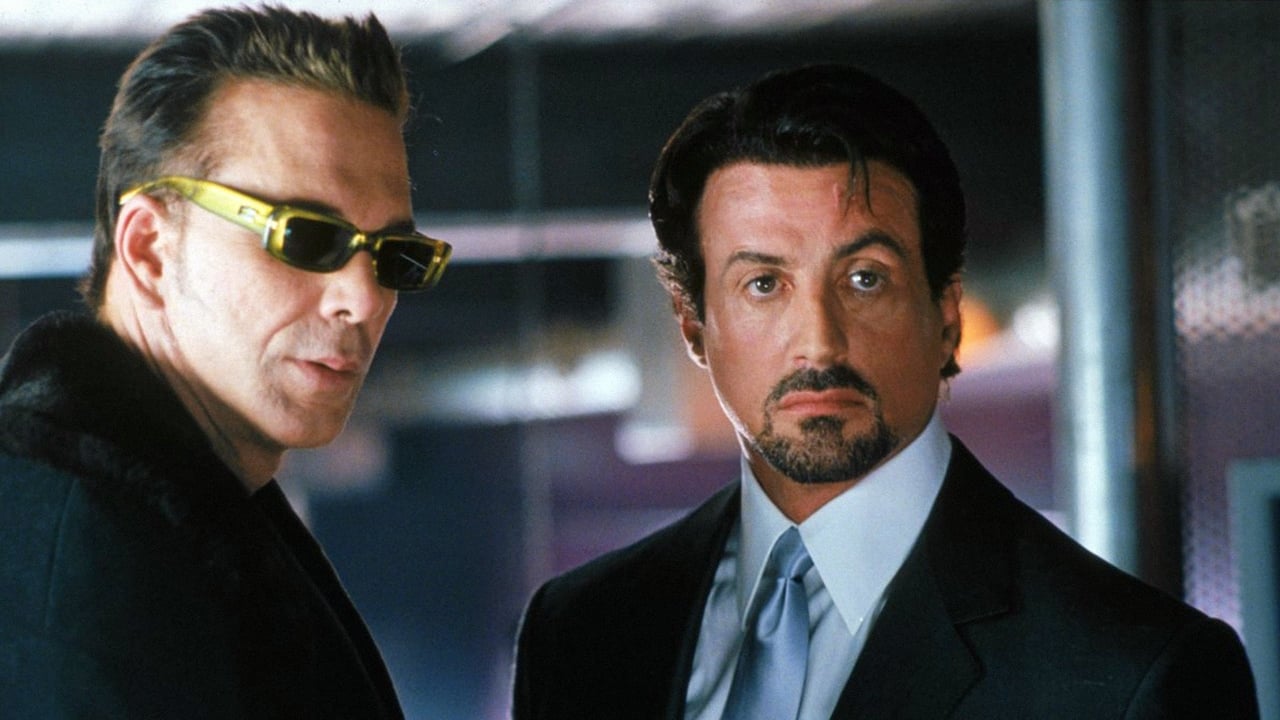
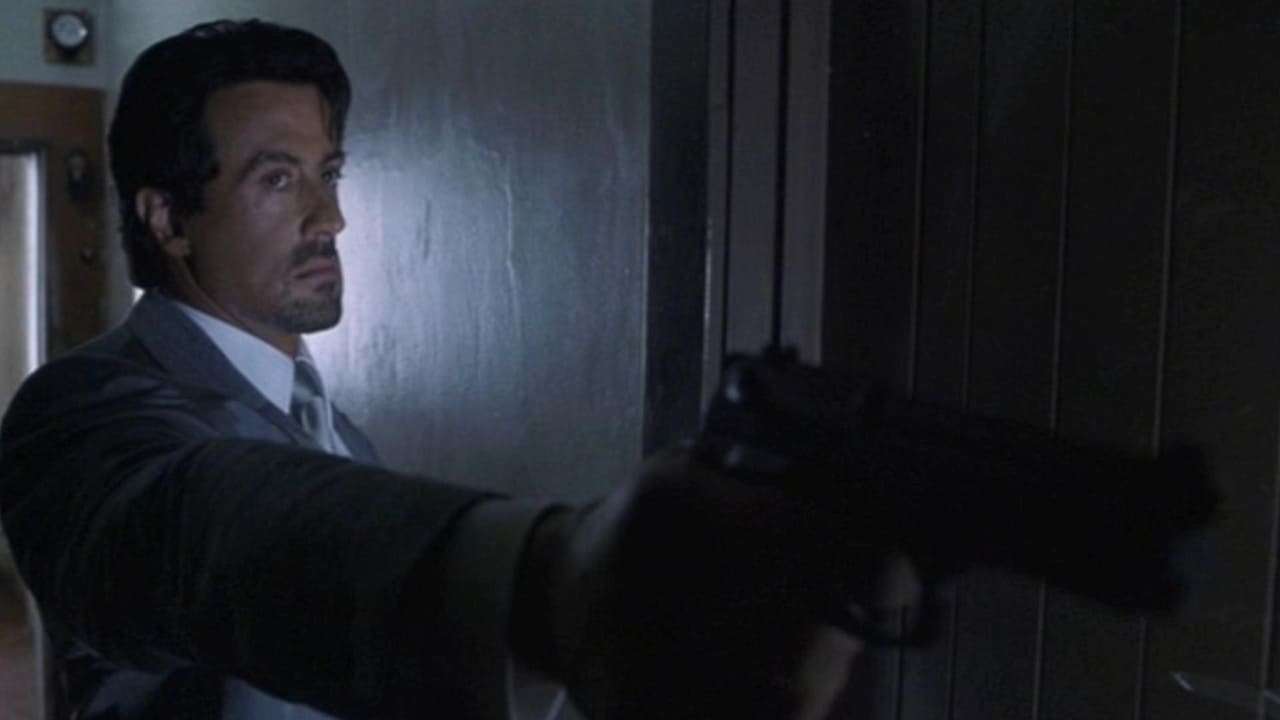
Stepping into the formidable shoes of Michael Caine is a task few actors would relish, especially in a role as iconic as Jack Carter. Sylvester Stallone, then attempting to pivot towards more grounded, serious roles after the explosive excesses of the 90s, takes on the mantle of the Las Vegas enforcer returning to his Seattle hometown to investigate his brother's suspicious death. The immediate difference is palpable. Where Caine's Carter was a sleek predator navigating a grimy world with detached cool, Stallone's interpretation feels burdened, weary, almost monolithic. His physical presence dominates every frame, yet the coiled-spring tension of the original is replaced by a simmering, often muted, rage. It's a performance that feels less like inhabiting a character and more like Stallone wrestling with the idea of the character, buried under layers of stoicism.
It's fascinating, though, that the production managed to secure Michael Caine himself for a small but significant role as Cliff Brumby, the owner of the club where Carter's brother worked. This casting coup, reportedly at Stallone's insistence, serves as both a respectful nod and a constant, perhaps unintentional, reminder of the original's stark brilliance. Seeing Caine on screen, even briefly, inevitably invites comparison, highlighting the remake's struggle to forge its own identity. One can only imagine the conversations on set between the two Carters – a "dark legend" perhaps waiting to be fully unearthed.
### Seattle Rain and Stylized Gloom
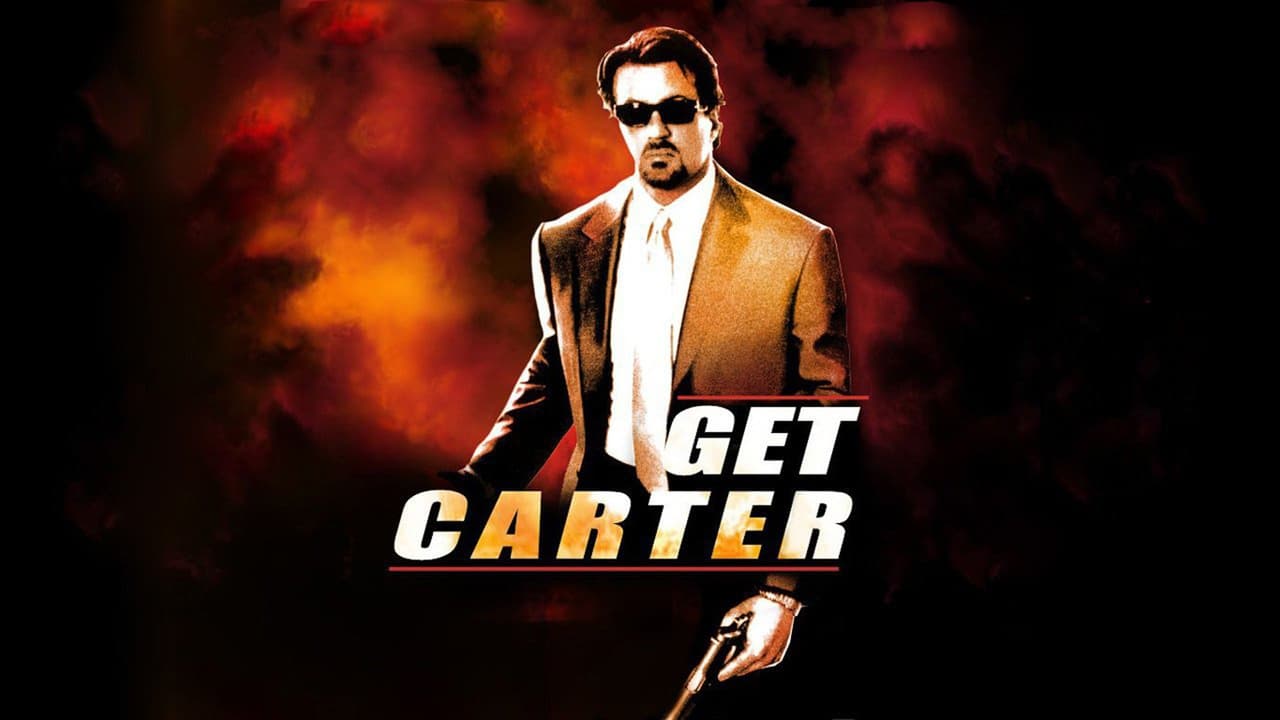
Director Stephen Kay, whose previous work included the indie Beat Generation film The Last Time I Committed Suicide (1997), certainly tries to imbue the film with a distinct atmosphere. Moving the setting from grim northern England to the perpetually overcast Pacific Northwest provides a visually compelling backdrop. The rain-slicked streets, decaying industrial areas, and neon-washed interiors create a suitably noirish mood, amplified by a brooding score from Tyler Bates (who would later score 300 and the John Wick series). There's a palpable sense of decay and corruption hanging over this version of Carter's world.
The visual style, however, sometimes tips into the hyper-stylized aesthetic prevalent in late 90s/early 2000s thrillers – jump cuts, stylized slow-motion, and aggressive editing that occasionally fragments the narrative rather than enhancing the tension. This was an era grappling with the influence of music videos, and Get Carter feels very much a product of that time, sometimes prioritizing visual flair over narrative coherence or genuine suspense. The script, penned by David McKenna (who wrote the powerful American History X (1998)), feels surprisingly flat here. The sharp, venomous dialogue of the original is replaced with more functional, often generic tough-guy lines. The intricate web of betrayal and moral ambiguity feels simplified, the edges sanded down.

### A Cast Adrift
Beyond Stallone and the Caine cameo, the supporting cast struggles to make a strong impression, often hampered by underdeveloped roles. Miranda Richardson brings her usual intensity to Gloria, Carter's sister-in-law and former flame, but the character feels underserved by the script. Rachael Leigh Cook, then riding high off She's All That (1999), plays the estranged niece Doreen, adding a layer of vulnerability but ultimately feeling somewhat tangential to the core revenge plot. Even Mickey Rourke, in a small role as the menacing Cyrus Paice, feels underutilized, a flash of his unique screen presence lost in the gloom. Rhona Mitra also appears, fitting the visual mold of the era's femme fatales but lacking the depth to make her character truly memorable.
Rumors persisted about studio interference and re-edits aimed at making Stallone's character more sympathetic, potentially softening the harsher edges present in early cuts. Reportedly, test audiences reacted poorly to the initial, darker version, leading to changes that might explain the film's sometimes uneven tone and diluted impact. Made for a hefty $63.6 million, its meager $19.7 million worldwide gross certainly didn't help matters, cementing its status as a notable box office disappointment for Stallone. Was a bleaker, truer version left on the cutting room floor? That’s a question many fans still ponder.
### The Verdict in the Rain
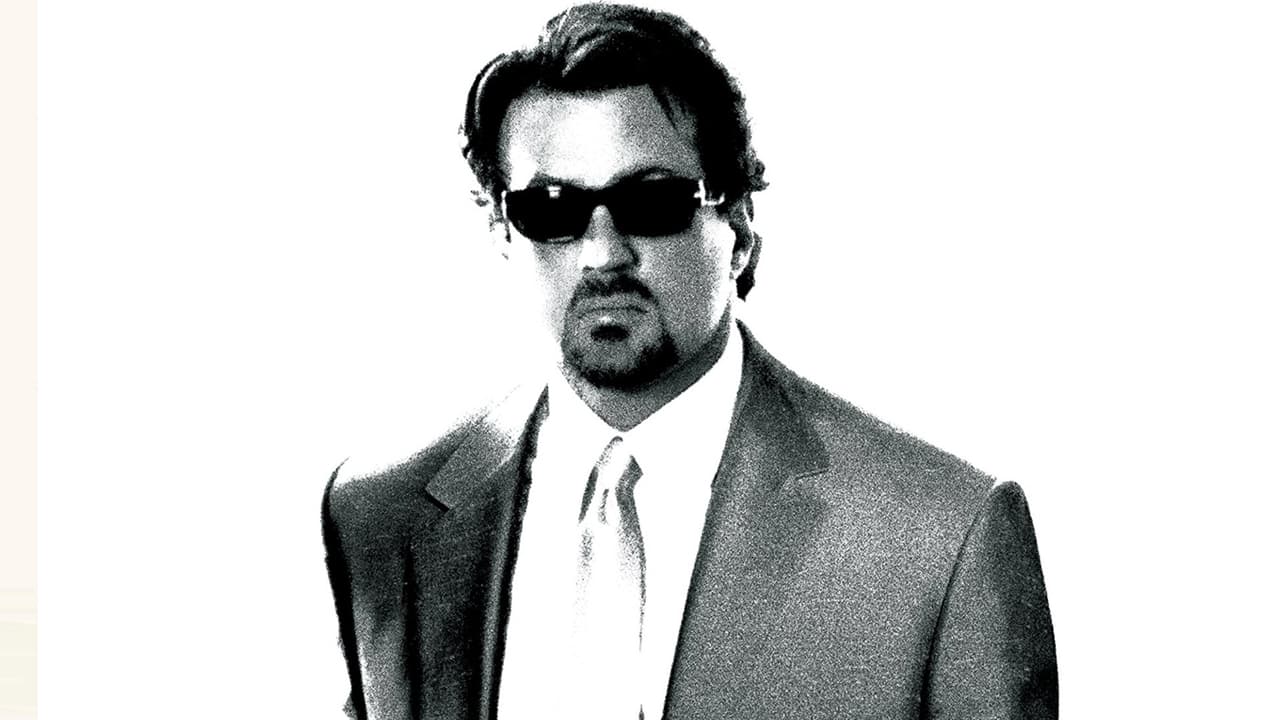
Watching Get Carter (2000) today feels like excavating a curious artifact from the turn of the millennium. It's a film draped in atmosphere, boasting a committed (if perhaps miscast) lead performance and moments of undeniable visual style. Yet, it ultimately buckles under the weight of its own ambition and the inescapable shadow of its predecessor. The attempt to update the gritty realism of the 1971 original for a new era results in a film that feels both overly stylized and strangely hollow. The raw, visceral shock is replaced by a more polished, but less impactful, melancholy. I remember picking this one up from the Blockbuster shelf, the familiar Stallone visage promising reliable thrills, only to be met with this somber, uneven experience. It wasn't bad, exactly, just... disappointing. A missed opportunity.
Rating: 4/10
Justification: While the film boasts some strong atmospheric elements, a committed Stallone performance, and the intriguing Caine cameo, it's ultimately let down by a weak script, uneven pacing, underdeveloped supporting characters, and an inability to escape the shadow of the far superior original. The style often overwhelms substance, failing to generate genuine tension or the chilling impact of the 1971 classic. It's a fascinating failure, perhaps, but a failure nonetheless.
Final Thought: Get Carter (2000) serves as a potent reminder that remaking a classic is a perilous game, especially when the original’s icy perfection remains so vividly etched in cinematic memory. This version feels less like a vital reinterpretation and more like a ghost trapped in the Seattle rain.