There's a certain chill that lingers long after the credits roll on Peter Yates' Eyewitness (1981), and it's not just from the palpable cold of the New York City winter captured so vividly on screen. It's the chill of observation, of secrets half-glimpsed, and the unsettling way a single lie can spiral outwards, entangling lives in a web of danger and unexpected intimacy. This isn't your typical slam-bang 80s thriller; it’s something quieter, more character-driven, a film that burrows under your skin rather than just jolting you with shocks.
A Slow Burn Fueled by Deception
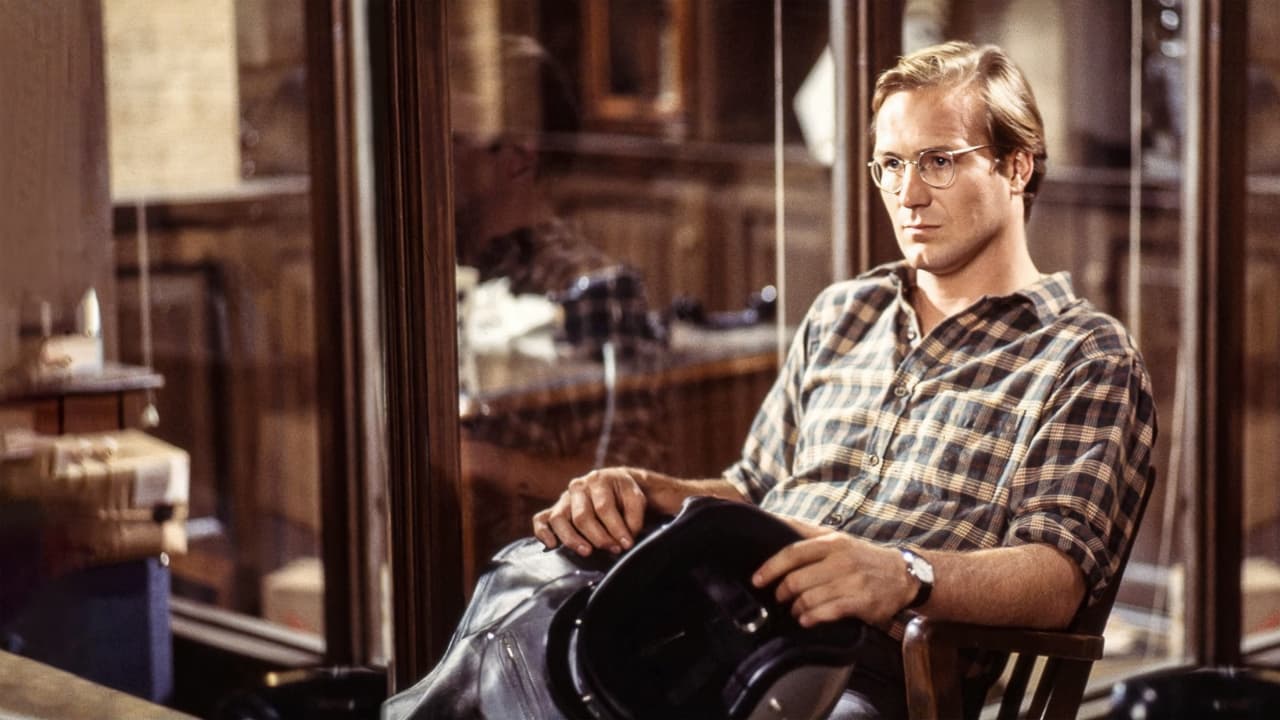
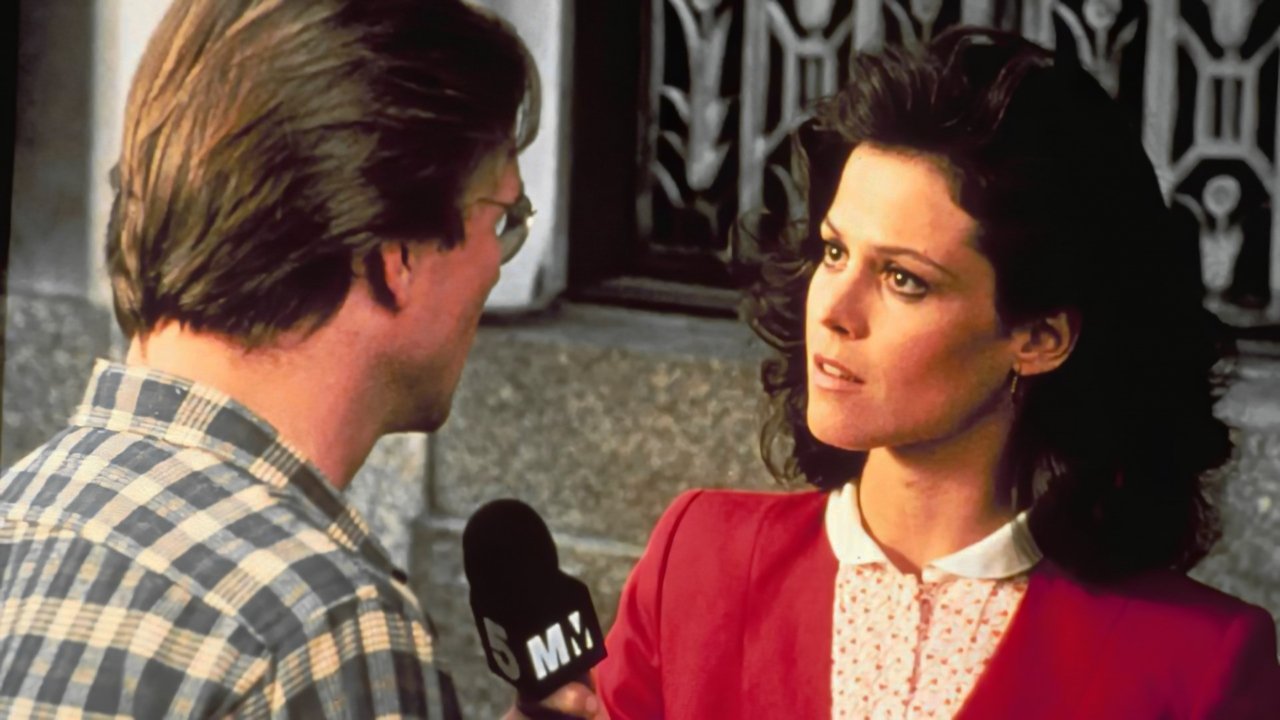
Reuniting director Peter Yates and screenwriter Steve Tesich just two years after their triumphant, Oscar-winning collaboration on the beloved coming-of-age story Breaking Away (1979), Eyewitness trades sun-drenched Indiana bike paths for the grimy streets and shadowy corridors of Manhattan. The premise is deceptively simple: Daryll Deever (William Hurt), a quiet, observant janitor working in a large office building, discovers the body of a murdered Vietnamese businessman. Secretly infatuated with ambitious TV news reporter Tony Sokolow (Sigourney Weaver), who arrives to cover the story, Daryll deliberately drops hints suggesting he saw more than he did, hoping to prolong their interaction. It’s a dangerous game, drawing the attention of not only Tony and the police but also the real, shadowy figures involved in the murder.
It's fascinating to see Yates and Tesich shift gears so dramatically. Where Breaking Away soared on youthful optimism, Eyewitness delves into adult anxieties, class distinctions, and the murky ethics of voyeurism – both Daryll’s personal obsession and Tony’s professional drive. Reportedly, Tesich always envisioned Hurt for the role of Daryll, and it’s hard to imagine anyone else inhabiting the character with such compelling quietude.
Performances That Resonate
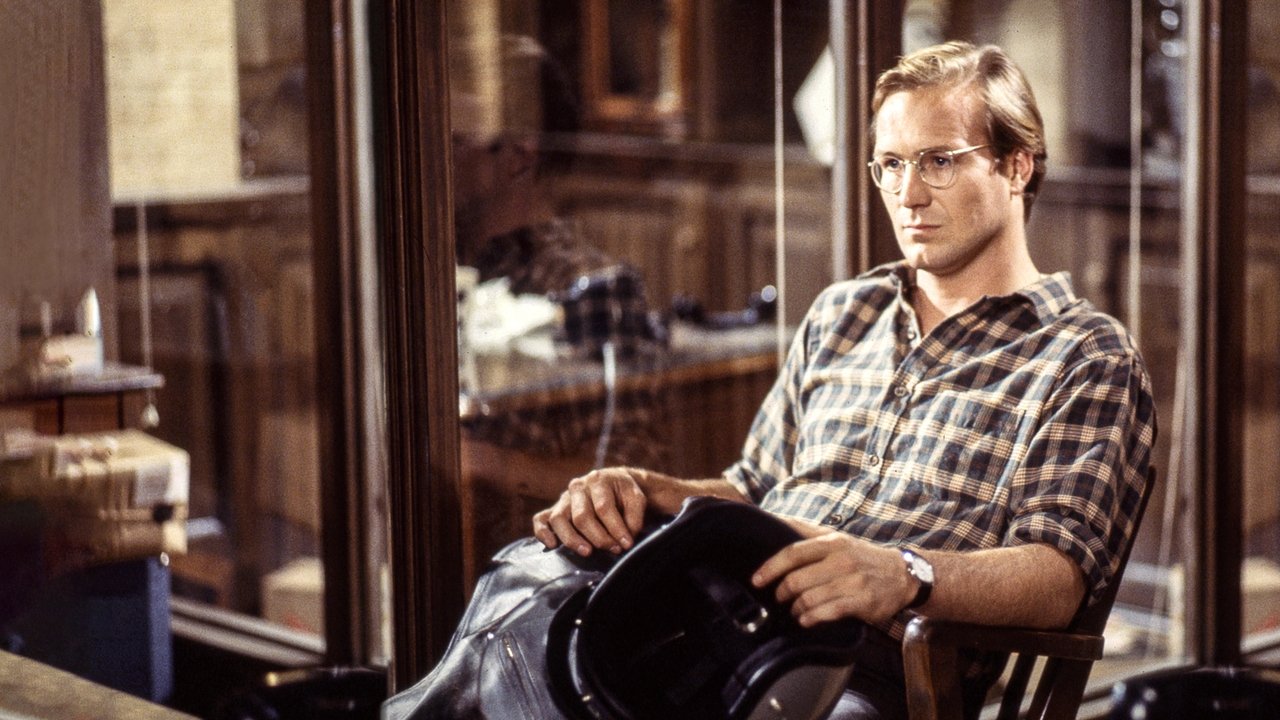
The film rests heavily on the shoulders of its leads, and they deliver performances rich with nuance. William Hurt, in one of his earliest starring roles following Altered States (1980), is mesmerizing as Daryll. He’s not just a lonely voyeur; there’s a deep well of sensitivity beneath his watchful exterior, a yearning for connection that feels achingly real. His deception isn't born of malice, but of a profound loneliness and a fascination that borders on obsession. Hurt masterfully conveys Daryll's internal conflict – the thrill of Tony's attention warring with the mounting fear of exposure.
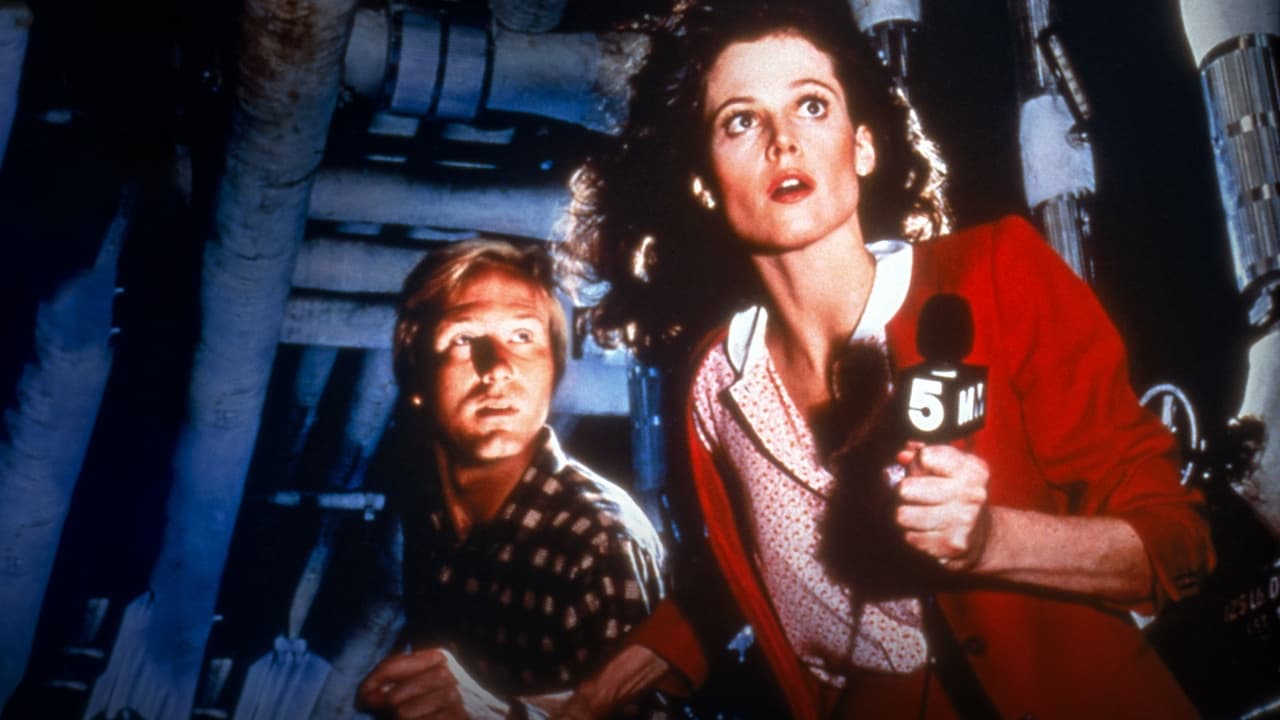
Sigourney Weaver, stepping away from the sci-fi heroism of Alien (1979), proves her dramatic range as Tony Sokolow. She isn’t just a damsel or a hard-nosed reporter archetype. Weaver imbues Tony with ambition and intelligence, but also a vulnerability and a surprising empathy that emerges as she becomes genuinely intrigued by Daryll, seeing beyond the initial story angle. The chemistry between Hurt and Weaver is unconventional yet palpable, built on suspicion, curiosity, and a slow-dawning, unlikely tenderness. Their scenes together crackle with unspoken tensions.
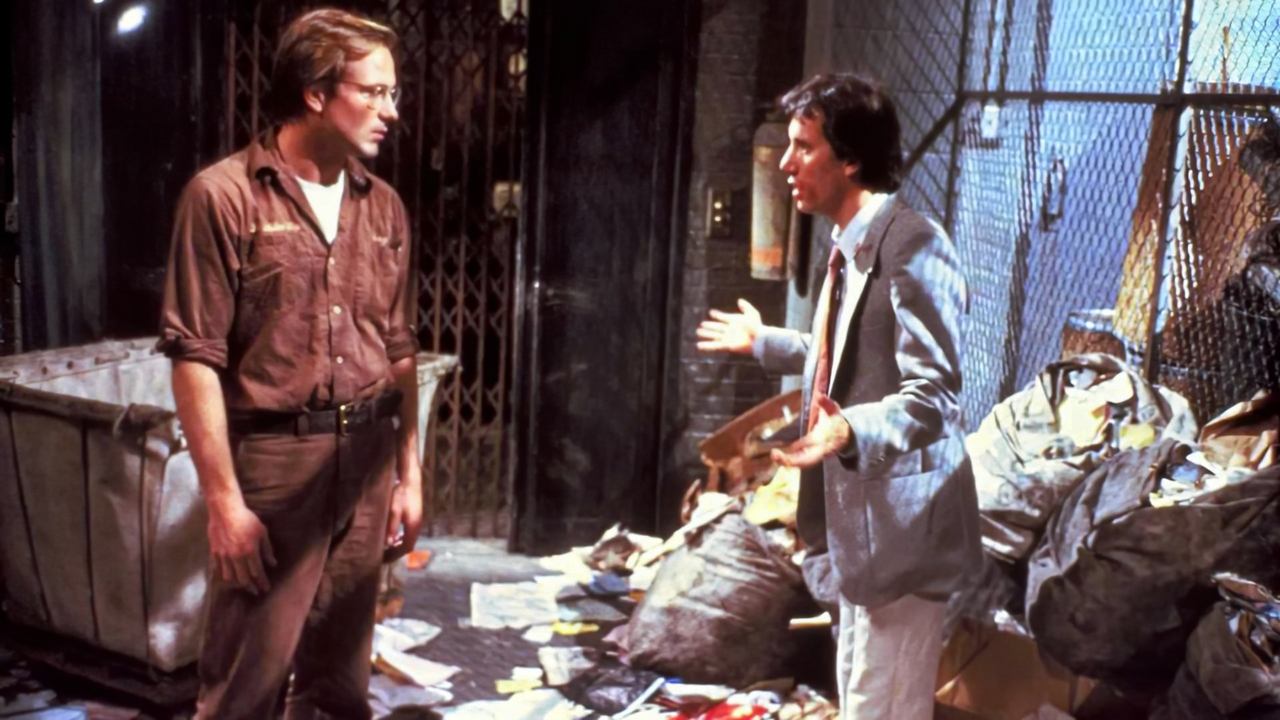
And then there’s Christopher Plummer as Joseph, Tony’s sophisticated, enigmatic Israeli fiancé. Plummer exudes effortless charm laced with a subtle, chilling menace. His involvement adds layers of intrigue and danger, representing a world far removed from Daryll's working-class existence. Supporting players like James Woods as Tony's intense colleague and Morgan Freeman in an early, memorable role as a weary detective, further enrich the film's tapestry.
New York as a Character
Yates, known for his grounded realism (think Bullitt's iconic car chase), captures a specific moment in New York City history. Working with cinematographer Matthew F. Leonetti, he presents a city that feels lived-in, weary, and perpetually cold. The stark contrast between Daryll’s modest apartment and the sleek corridors of the office building or Tony's more affluent world underscores the class themes woven throughout Tesich’s script. Filming during an actual NYC winter clearly wasn't just for show; you can almost feel the biting wind whipping through the streets, adding another layer to the pervasive sense of unease. There's an authenticity here, a grit that feels miles away from the often glossier depictions of the city.
More Than Just a Thriller
While the murder mystery provides the narrative engine, Eyewitness (originally titled "The Janitor," which perhaps hints more directly at its class consciousness) is ultimately more interested in its characters and their complex motivations. How far will someone go for a connection? What are the ethical lines crossed in pursuit of a story, or companionship? The thriller elements unfold deliberately, sometimes almost languidly, allowing space for the relationship between Daryll and Tony to develop organically. This pacing might test viewers expecting constant action, but it rewards patience with richer character insight. It’s a reminder that sometimes the most suspenseful moments are the quiet ones, fraught with emotional stakes rather than physical peril.
Interestingly, despite the critical acclaim for its predecessor and generally positive reviews for Eyewitness itself, the film didn't achieve the same level of box office success, perhaps because its unique blend of thriller, romance, and character study didn't fit neatly into marketing boxes of the time. Made on a respectable $12 million budget, its returns were modest, perhaps contributing to its status today as a slightly overlooked gem rather than a widely celebrated classic.
Final Thoughts
Eyewitness is a film that benefits from rediscovery on a quiet night, perhaps with the rain tapping against the window, mimicking the hushed tension within the movie itself. It’s a smart, atmospheric thriller anchored by superb performances, particularly from Hurt and Weaver, who create an unforgettable, unconventional screen pairing. It explores intriguing themes with intelligence and avoids easy answers, leaving you pondering the characters' choices long after the VCR clicks off. It might lack the explosive set pieces of some of its contemporaries, but its power lies in its quiet intensity and its thoughtful examination of human connection in the face of danger and deception.
Rating: 8/10 - A thoroughly engrossing, character-rich thriller elevated by outstanding performances and a palpable sense of place. Its deliberate pacing and blend of genres might not be for everyone, but for those seeking depth alongside suspense, it’s a rewarding watch that perfectly captures a certain early 80s cinematic mood. It reminds us that sometimes, the most compelling mysteries are the ones hidden within the human heart.