It starts with the heat, doesn't it? Not just the oppressive, sticky Georgia humidity that seems to cling to every frame of Simon West's The General's Daughter (1999), but the simmering heat of secrets buried deep within the rigid formality of a US Army base. There's an immediate sense of unease, a feeling that the perfectly pressed uniforms and clipped salutes are merely a thin veneer over something deeply rotten. You sense it long before the central tragedy unfolds, a discomfort that settles in your gut and stays there.
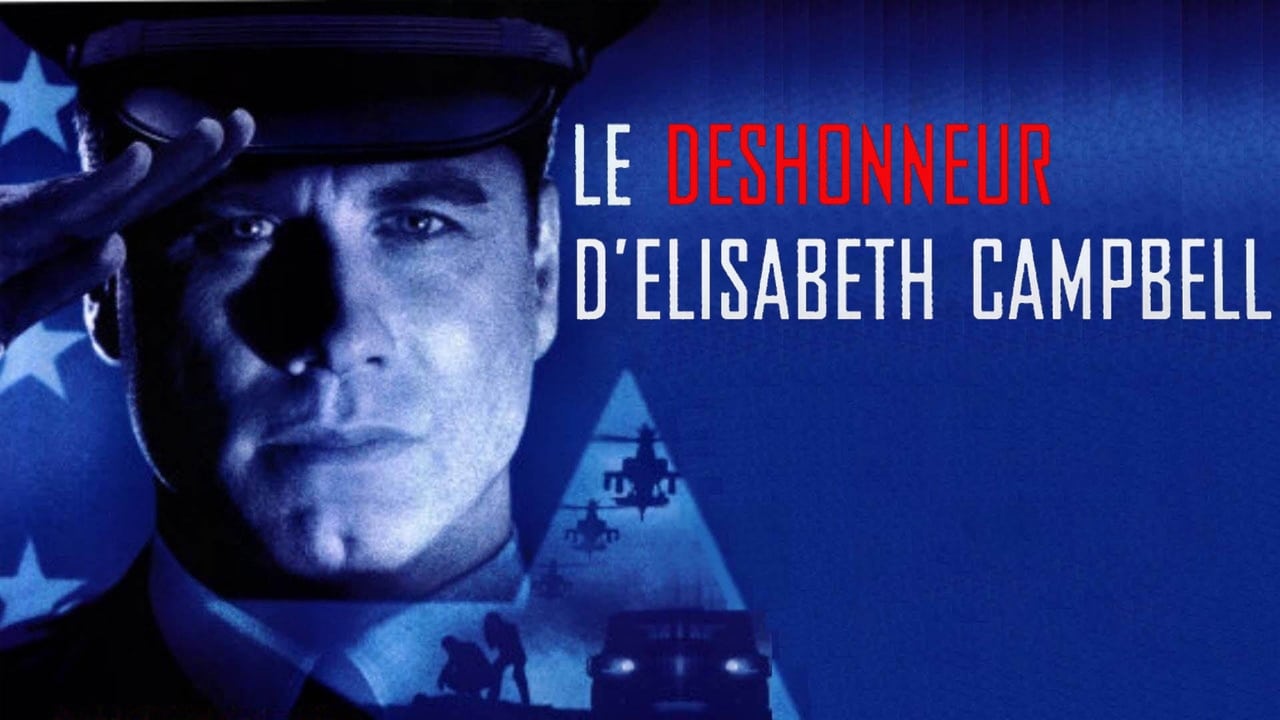
Beneath the Brass
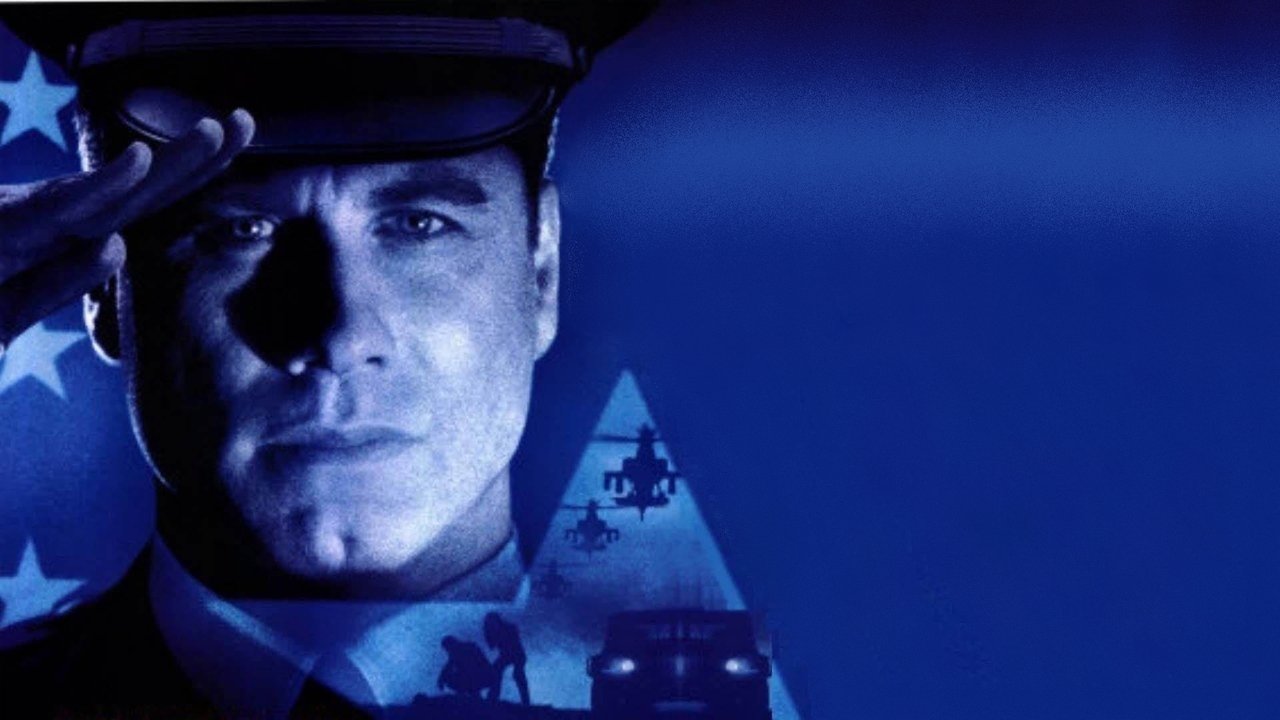
We're thrown into this pressure cooker alongside Army Warrant Officer Paul Brenner, played by John Travolta navigating the peak of his late-90s comeback. Brenner is part of the Criminal Investigation Division (CID), an outsider in spirit even when operating within the system. He's called to Fort MacPherson when Captain Elisabeth Campbell (Leslie Stefanson), the daughter of the base's commanding general, Joseph Campbell (James Cromwell), is found brutally murdered, naked and staked out on the training grounds. It’s a shocking crime made infinitely more complex by the victim's identity and the military's instinct for self-preservation. Brenner is teamed, perhaps inevitably, with fellow CID officer and former lover Sara Sunhill (Madeleine Stowe), their unresolved history adding another layer of friction to an already volatile investigation.
What unfolds isn't just a whodunit, though it certainly functions as one. It's an excavation. Brenner and Sunhill dig, and with every shovelful of earth, they uncover not just clues to a killer, but the ugly truths the Army desperately wants to keep buried: whispers of illicit affairs, professional jealousies, systematic abuse, and the crushing weight of institutional silence. The narrative, adapted by the legendary William Goldman (whose name alone promised sharp dialogue and structure, drawing from Nelson DeMille's bestseller), becomes a slow, deliberate peeling back of layers, revealing the profound darkness hiding in plain sight.
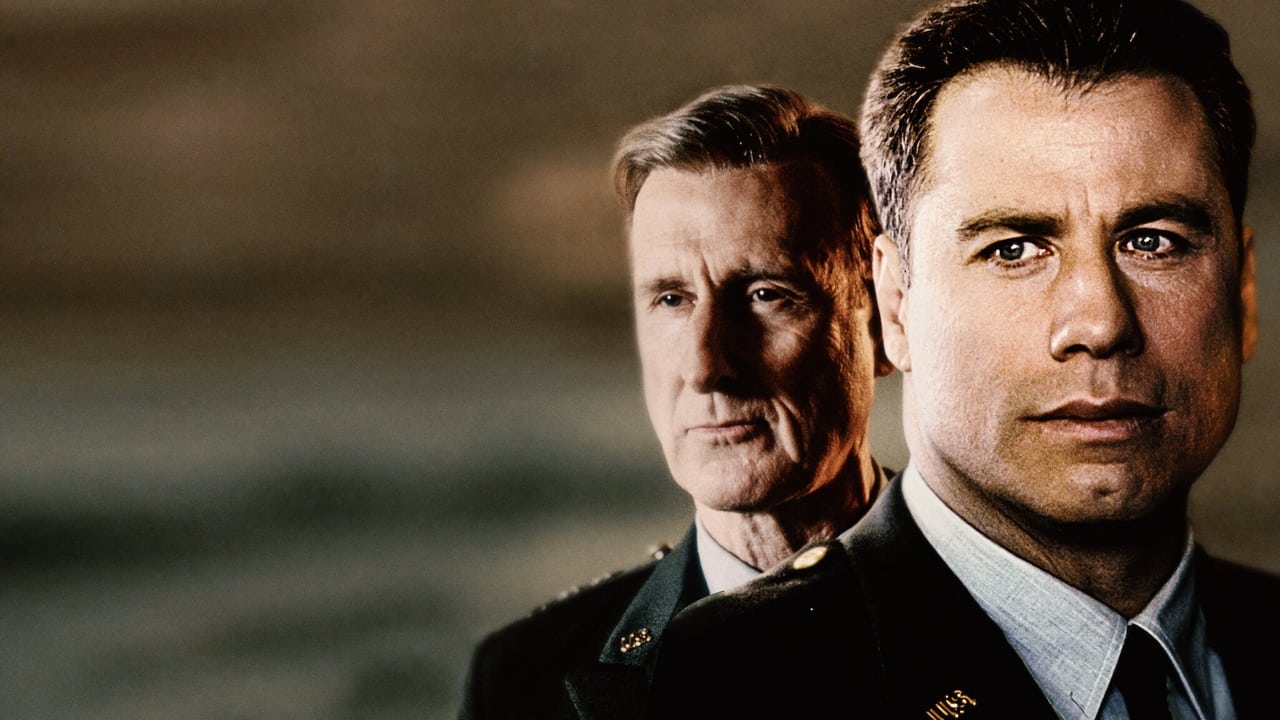
Performances Under Pressure
Travolta, riding high after Pulp Fiction (1994) and Face/Off (1997), brings a compelling mix of weariness and dogged determination to Brenner. He’s not the smooth operator of some earlier roles; there’s a visible weight on him, a cynicism born from seeing too much, yet still possessing a core of righteousness that compels him forward. It was a hefty role for a star commanding significant clout – the film carried a substantial $95 million budget, a testament to his drawing power, and managed a respectable $149 million worldwide gross despite its challenging themes and mixed critical reception.
Madeleine Stowe matches him beat for beat as Sunhill. She’s sharp, professional, but carries the scars of her past with Brenner and the inherent difficulties of navigating a male-dominated institution. Her presence prevents the film from becoming solely Brenner’s crusade; she brings her own perspective and emotional depth. And then there's James Cromwell as General Campbell. Towering, imposing, radiating authority and grief, he embodies the film's central conflict: the clash between personal tragedy and the demands of the uniform. His scenes opposite Travolta crackle with tension. We also get memorable, if sometimes brief, turns from a strong supporting cast, including Timothy Hutton and a typically unsettling James Woods.
Crafting the Claustrophobia
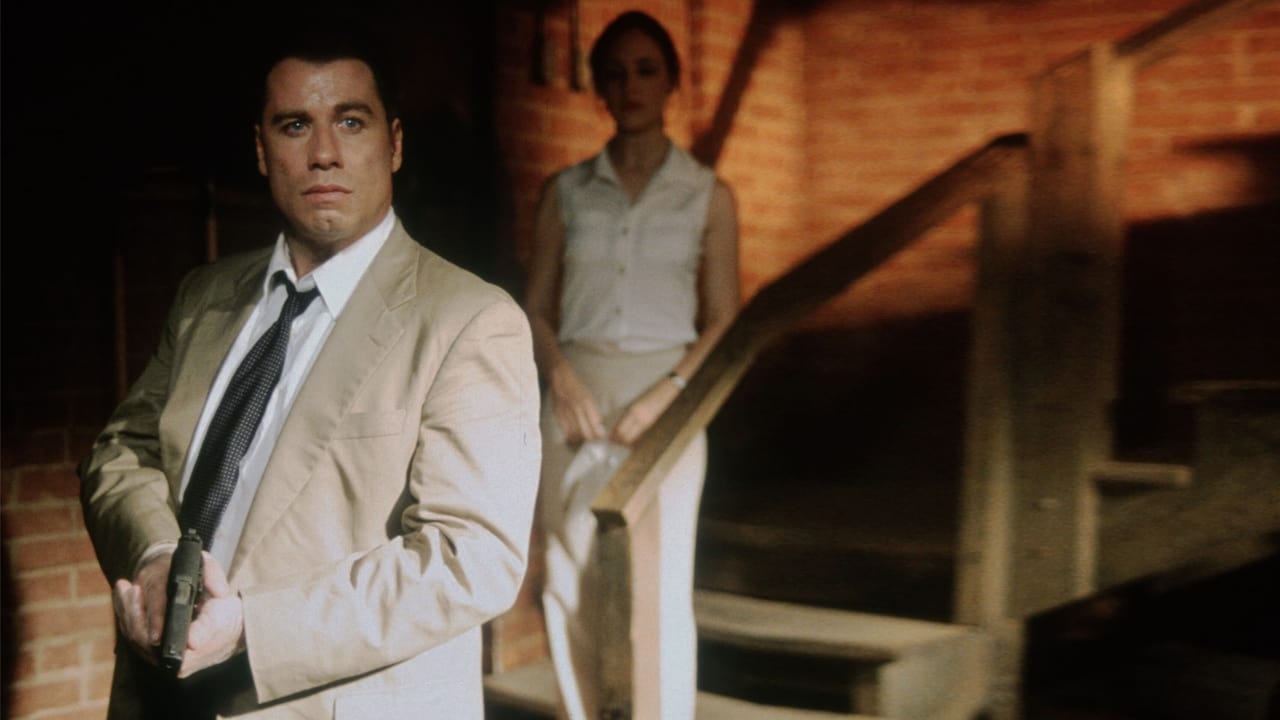
Director Simon West, who had just blown audiences away with the bombastic action of Con Air (1997), dials things back considerably here. He trades explosions for simmering tension, using the suffocating atmosphere of the Southern military base to great effect. The cinematography emphasizes the heat, the shadows, the sense of being watched. The pacing is measured, allowing the investigation's unpleasant discoveries to land with impact. It’s less about thrilling chases and more about uncomfortable confrontations in sterile offices and secrets whispered in humid barracks. West proves adept at building suspense within this more constrained, character-driven framework. It’s a reminder that thrillers don't always need frantic action to be effective; sometimes, the slow burn is far more unsettling.
Echoes in the Code of Silence
Watching The General's Daughter today, it feels like a product of its time – a late-90s adult thriller grappling with serious issues, perhaps sometimes clumsily, but with undeniable intent. The film dives headfirst into the horrifying reality of sexual assault within the military and the institutional mechanisms that often protect perpetrators rather than victims. It touches upon the pervasive 'boys' club' mentality and the immense pressure to conform and remain silent. Was it controversial? Absolutely. Some critics felt it veered into exploitation, while others praised its willingness to confront uncomfortable truths. There's a grimness here that lingers, a feeling that the quest for justice is constantly battling against a deeply ingrained system designed to obfuscate and protect itself. Doesn't that battle still resonate today, in institutions far beyond the military?
It’s not a perfect film. The plot occasionally relies on familiar thriller tropes, and some character motivations feel a touch underdeveloped. But its power lies in its atmosphere, its strong central performances, and its unflinching gaze into the darker aspects of power and secrecy. I remember renting this one on VHS, perhaps drawn by Travolta’s star power, and being surprised by its weight and darkness. It wasn’t the escapist fare I might have expected; it was something thornier, more complex.
Rating: 7/10
The General's Daughter earns its 7 for being a gripping, atmospheric, and often uncomfortable thriller anchored by solid performances, particularly from Travolta, Stowe, and Cromwell. It successfully translates the tension of DeMille's novel and benefits from Goldman's sharp scripting, even if it sometimes stumbles in its handling of sensitive themes. It’s a potent reminder of the kind of challenging, adult-oriented thrillers that were more common in the 90s.
What stays with you isn't necessarily the solution to the mystery, but the chilling depiction of an institution closing ranks, and the profound human cost of secrets kept under lock and key. It leaves you pondering the uneasy relationship between loyalty, duty, and truth.