Sarajevo, early 1960s. The air hangs thick not just with the scent of coal smoke and damp concrete, but with a youthful yearning for something… more. It's this palpable sense of restless transition, of old ways clashing with bewildering new ideas, that forms the simmering heart of Emir Kusturica's raw, poignant, and unforgettable feature debut, Do You Remember Dolly Bell? (Sjećaš li se Doli Bel?, 1981). This isn't your typical glossy trip down memory lane; it's a dive into a specific time and place, rendered with an authenticity that feels both distant and startlingly familiar. Finding this gem on a dusty shelf back in the day felt like uncovering a secret history, a world away from the usual Hollywood fare.
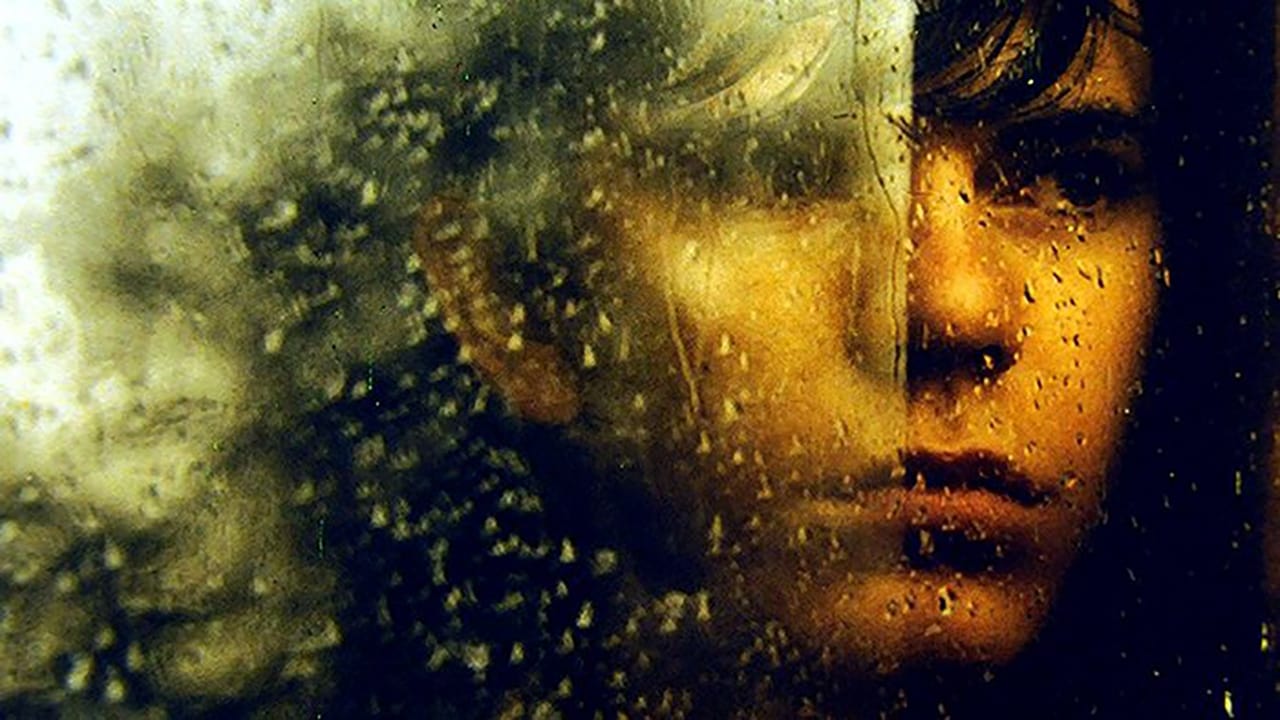
A Hypnotic Gaze into Youthful Longing
At the centre of it all is Dino (Slavko Štimac), a teenager navigating the tricky currents of adolescence in a working-class family under Tito's Yugoslavia. He’s obsessed with hypnotism, practicing self-suggestion techniques gleaned from books, perhaps seeking a measure of control in a world that feels increasingly chaotic. He dreams of escaping, of finding meaning beyond the ideological pronouncements of his earnest communist father (a wonderfully layered performance) and the mundane realities of his neighbourhood. Štimac, already a familiar face in Yugoslav cinema even then, embodies Dino’s awkwardness and vulnerability with remarkable truthfulness. You see the confusion, the burgeoning desire, the quiet rebellion flickering in his eyes. It’s a performance free of affectation, grounded in the hesitant steps and uncertain glances of youth itself.
Into this carefully observed world enters "Dolly Bell" (Ljiljana Blagojević), a captivating young cabaret singer and prostitute who Dino and his friends are tasked with hiding by a local hoodlum. She represents everything alluring and forbidden: Western glamour (however faded), sensuality, and a life lived outside the prescribed norms. Her presence ignites Dino's dormant passions and forces him to confront the gap between his idealized notions of love and escape, and the messy, often harsh, realities of human connection and societal constraints. The film doesn't shy away from the transactional nature of her situation, yet Blagojević imbues Dolly with a quiet dignity and an enigmatic pull that makes Dino’s infatuation entirely believable.
Kusturica's Fingerprints and Sidran's Soul
Even in this first feature, the seeds of Kusturica's signature style – later seen in Palme d'Or winners like When Father Was Away on Business (1985) and Underground (1995) – are evident. There's the blend of earthy realism and lyrical absurdity, the focus on flawed but deeply human characters within tight-knit, often dysfunctional families, and that unmistakable energy bubbling just beneath the surface. Working from a deeply personal script by Sarajevo native Abdulah Sidran (who also penned When Father Was Away), Kusturica captures the textures of the era with an insider’s eye: the cramped apartments, the communal courtyards, the sounds of Italian pop music like Adriano Celentano's "24 Mila Baci" drifting through the airwaves, offering brief, tantalizing glimpses of another world.
It's fascinating to know this was Kusturica's diploma film from the prestigious FAMU film school in Prague, expanded into a feature. Reportedly shot on a tight budget, that constraint perhaps lends itself to the film’s raw, unpolished feel, which only enhances its authenticity. There's a palpable sense of place here; Sarajevo isn't just a backdrop, it's a character in itself, shaping the lives and dreams of its inhabitants. The film went on to win the Golden Lion for Best First Work at the Venice Film Festival in 1981, immediately announcing Kusturica as a major new voice in European cinema. You can feel that burgeoning talent, that confidence in telling a specific, culturally resonant story.
Beyond the Iron Curtain: Universal Truths
What makes Do You Remember Dolly Bell? endure beyond its specific historical and geographical context? It’s the universality of Dino's journey. Who among us doesn't remember that confusing period of adolescence, caught between childhood expectations and the dawning complexities of the adult world? The film asks us to consider the ways we seek escape – through fantasy, through music, through illicit connections. Dino’s fascination with hypnotism isn't just a quirky character trait; it’s a metaphor for the desire to reshape reality, to impose one's will on a world that often feels indifferent, a theme that certainly resonated in the often restrictive environment of socialist Yugoslavia but speaks to youthful rebellion everywhere.
The family dynamics, particularly the relationship between Dino and his ailing, idealistic father, provide much of the film's emotional weight. Their ideological clashes mask a deeper, often unspoken, love and frustration. Mira Banjac, as Dino's mother, offers a grounding presence, embodying the resilience and quiet endurance needed to navigate their challenging circumstances. It’s in these intimate moments, these glimpses into the everyday struggles and small joys of family life, that the film finds its deepest truths.
A Raw Debut, A Lasting Impression
Do You Remember Dolly Bell? might lack the visual flamboyance of Kusturica's later work, and its pacing is certainly more deliberate than the high-octane blockbusters often found in VHS Heaven's catalogue. It demands a bit more patience, an openness to immersing oneself in its specific mood and milieu. Yet, its power lies in its unvarnished honesty, its evocative atmosphere, and its deeply felt performances. It captures that specific ache of being young, lost, and desperate for connection in a world that doesn't quite make sense yet.
Rating: 8/10
This score reflects the film's significance as a powerful debut, its exceptional sense of time and place, the strength of its performances (especially Slavko Štimac), and its resonant exploration of universal coming-of-age themes. It’s a raw, sometimes melancholic, but ultimately deeply human film that announced the arrival of a major cinematic talent. It avoids easy answers, leaving you instead with the lingering echo of youthful dreams bumping up against the unyielding walls of reality.
What lingers most after watching? Perhaps it's the haunting question posed by the title itself – a nostalgic inquiry that speaks not just to a specific character, but to the fleeting nature of youth, memory, and those intense, formative experiences that shape who we become.