Sometimes, tucked away on the dusty shelves of the "World Cinema" section in the back of the video store, you'd find a cover that didn't shout with explosions or promise easy laughs. It might have had a strange title, maybe a gold sticker hinting at some far-off festival award. Picking up something like Emir Kusturica's When Father Was Away on Business (Otac na službenom putu, 1985) often felt like a leap of faith back then, a departure from the familiar comfort food of Hollywood. And what a rewarding leap it could be. This wasn't just a movie; it felt like stumbling into someone else's incredibly vivid, complicated, and deeply human life.
Through Innocent Eyes
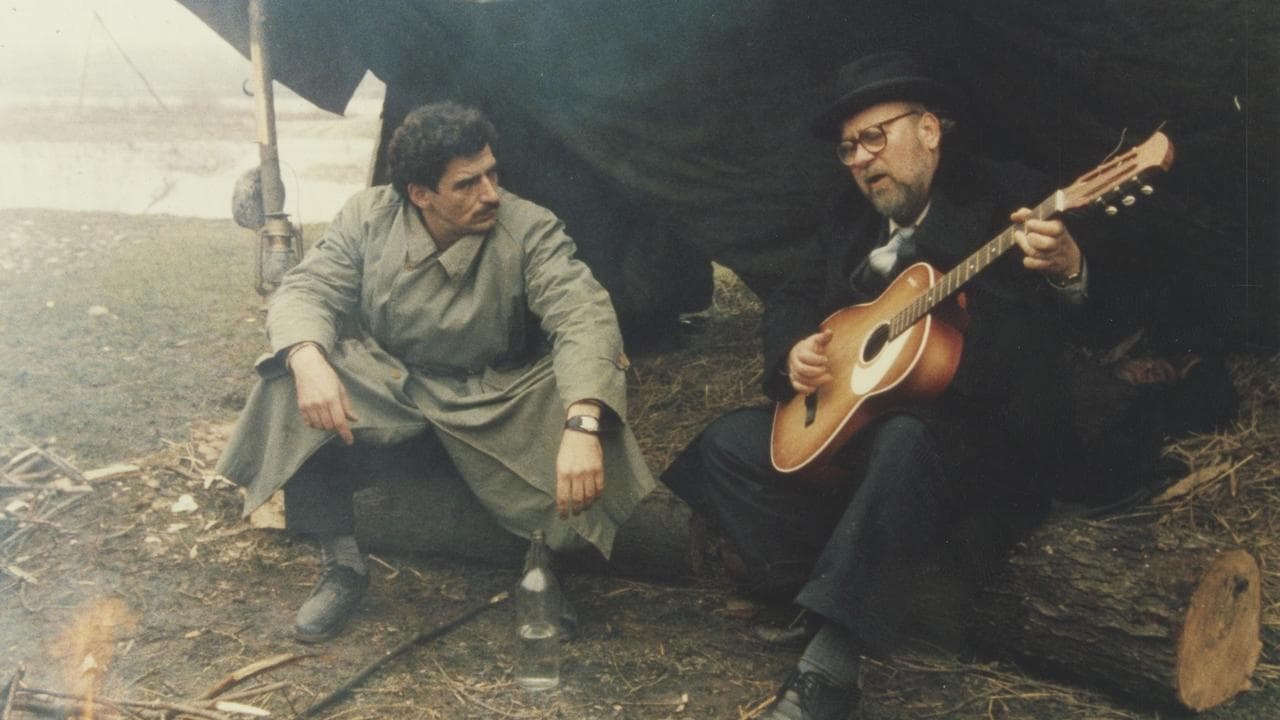
The film unfolds in Yugoslavia around 1950, during the tense period following the Tito-Stalin split. But the political purges and pervasive fear aren't the immediate focus. Instead, we see this fractured world primarily through the bewildered eyes of six-year-old Malik (Moreno De Bartoli). His father, Meša (Miki Manojlović), is a charming, philandering mid-level Communist official whose careless remark about a political cartoon lands him in a labor camp. To Malik, however, his father is simply "away on business." This simple, poignant lie becomes the central filter through which we experience the family's struggles, Meša's infidelity, his wife Sena's (Mirjana Karanović) resilience, and the broader anxieties of the era. De Bartoli's performance is remarkable; he doesn't act "cute," but rather conveys a genuine childhood confusion, absorbing the adult world's tremors without fully grasping their source. His fascination with sleepwalking becomes a potent metaphor for navigating a reality he can't consciously comprehend.
A Portrait of Imperfect Lives

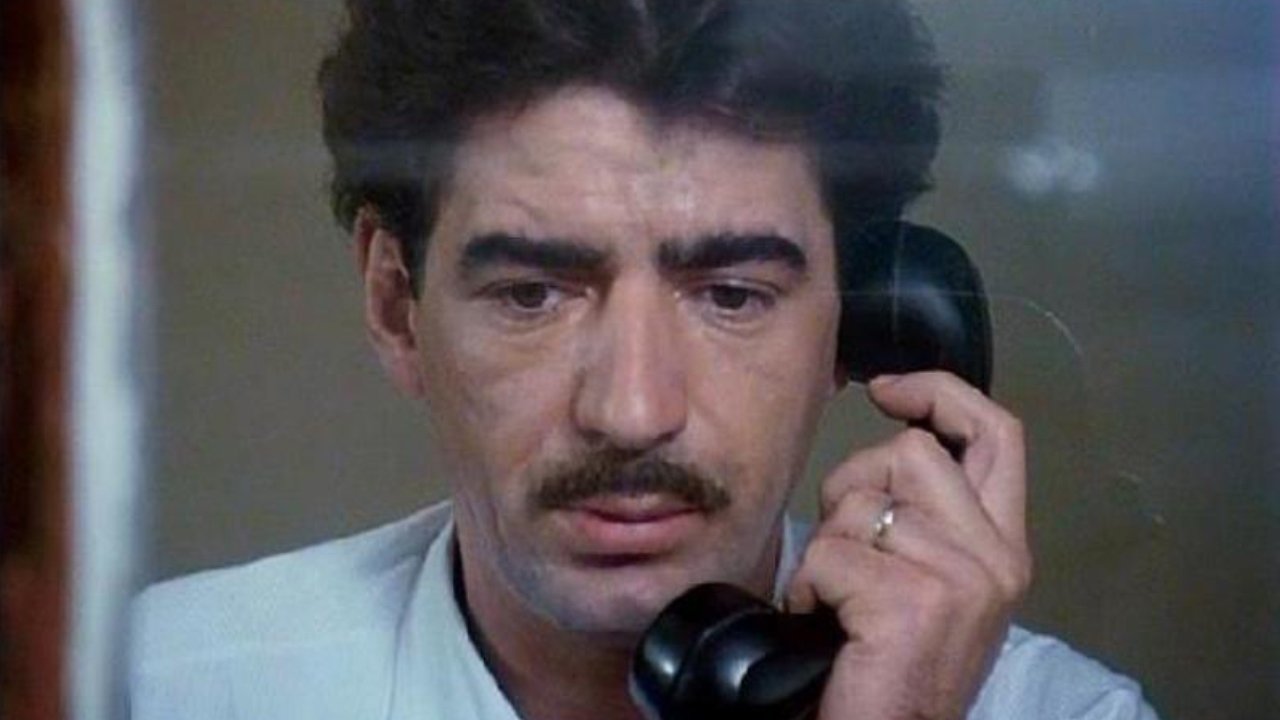
What makes the film resonate so deeply, decades later, is its unflinching portrayal of complex family dynamics. Miki Manojlović, a frequent Kusturica collaborator, is magnetic as Meša – flawed, charismatic, prone to mistakes, yet capable of deep affection. You understand why Sena endures his betrayals, even as you ache for her quiet strength. Mirjana Karanović gives a performance of incredible grace and stoicism as the mother holding the family together, her face a map of worry, love, and weary resolve. Their interactions, filled with unspoken tensions and fleeting moments of tenderness, feel utterly authentic. This isn't a simple story of heroes and villains; it's about ordinary people caught in extraordinary, politically charged circumstances, trying to maintain normalcy and love amidst fear and betrayal. Doesn't the weight of keeping difficult truths from children, hoping to shield them, feel achingly familiar even outside such dramatic contexts?
Kusturica's Energetic Melancholy
Director Emir Kusturica, who had already made waves with Do You Remember Dolly Bell? (1981, also penned by Abdulah Sidran), truly announced his arrival on the world stage here. He directs with a characteristic blend of earthy realism, boisterous energy, poignant melancholy, and touches of surrealism (Malik's sleepwalking visions). The film pulses with life – loud family gatherings, vibrant music, sudden bursts of emotion – yet beneath the surface lies a constant hum of unease. Kusturica, working from Sidran's semi-autobiographical script (Sidran's own father was imprisoned during this period), masterfully balances the personal and the political. The phrase "away on business" becomes a chilling euphemism, highlighting how political oppression seeped into the very language of family life. It’s a testament to their collaboration that the film feels both intensely specific to its time and place, yet universally relatable in its exploration of family bonds under pressure.

Beyond the Iron Curtain: A VHS Discovery
Finding When Father Was Away on Business often meant seeking it out. It wasn't typically front-and-center like the latest action blockbuster. It represented the potential of the video store era – the chance to discover challenging, rewarding cinema from corners of the world previously inaccessible to many. It won the prestigious Palme d'Or at the 1985 Cannes Film Festival (beating out some considerable competition) and earned an Oscar nomination for Best Foreign Language Film, markers that often guided curious renters towards something different. I remember the distinct feel of those non-Hollywood VHS tapes, the slightly different box art, the promise of subtitles leading you into another reality. This film was a powerful reminder that compelling human drama knew no borders. Watching it felt less like passive entertainment and more like bearing witness.
Rating & Final Reflection
When Father Was Away on Business earns a 9/10. The rating reflects its masterful direction, the deeply authentic performances (especially from the central trio), the brilliantly nuanced script that weaves political commentary into intimate family drama, and its lasting emotional impact. It avoids easy sentimentality, presenting its characters with all their flaws and contradictions, making their struggles and moments of joy profoundly moving. It's a film that captures the bittersweet chaos of life, the resilience of the human spirit, and the ways history casts long shadows over personal lives, all seen through the unforgettable lens of childhood innocence. What lingers most, perhaps, is the quiet tragedy encoded in that simple phrase, "away on business"—a testament to the secrets families keep and the burdens they carry.