Okay, rewind your minds back to the mid-90s. The era of grunge music bleeding into pop, flannel shirts as high fashion, and college feeling like this vast, slightly confusing frontier of self-discovery. Nestled right in there, probably on the "New Releases" wall next to something much louder and explosion-filled, was a little movie called Threesome. It arrived with a title designed to raise eyebrows and a premise that felt surprisingly intimate for a studio picture – a quirky, sometimes messy look at attraction, identity, and the sheer awkwardness of sharing very close quarters.
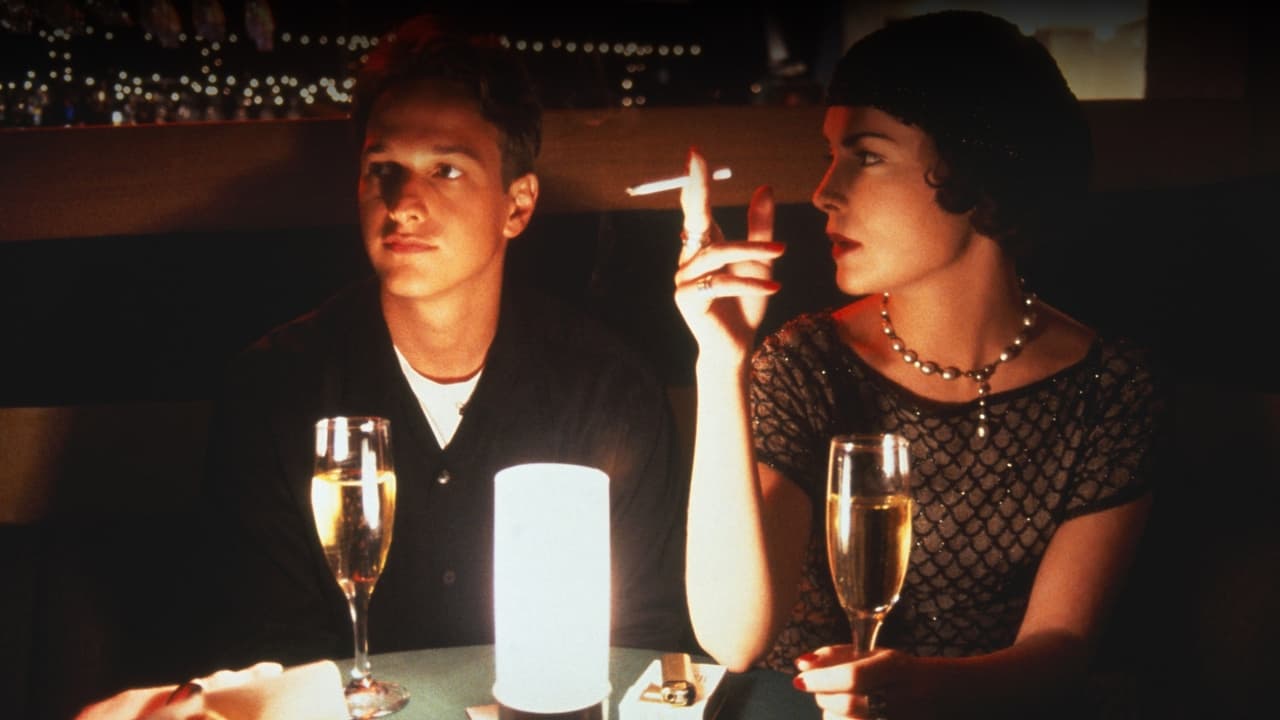
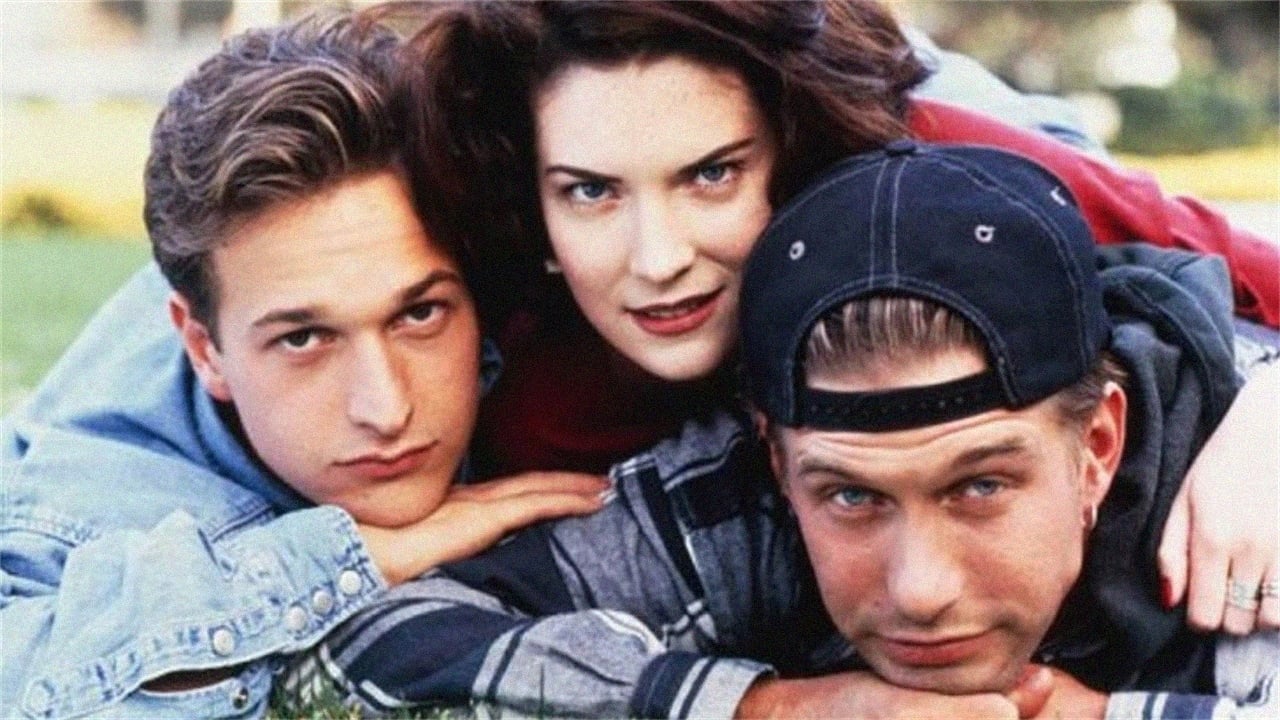
Long before dating apps offered endless choices (and anxieties), figuring out who you were and who you liked often happened through proximity and, well, accidents. That’s the spark for Threesome: a simple housing registration typo lands the intellectual and slightly aloof Alex (Lara Flynn Boyle) in a dorm room with the boisterous, wannabe intellectual Eddy (Stephen Baldwin) and the quiet, introspective Stuart (Josh Charles). What unfolds isn't some sleazy exploitation flick, but rather a talky, character-driven exploration of shifting desires within this enforced triangle.
Accidental Roommates, Awkward Attractions
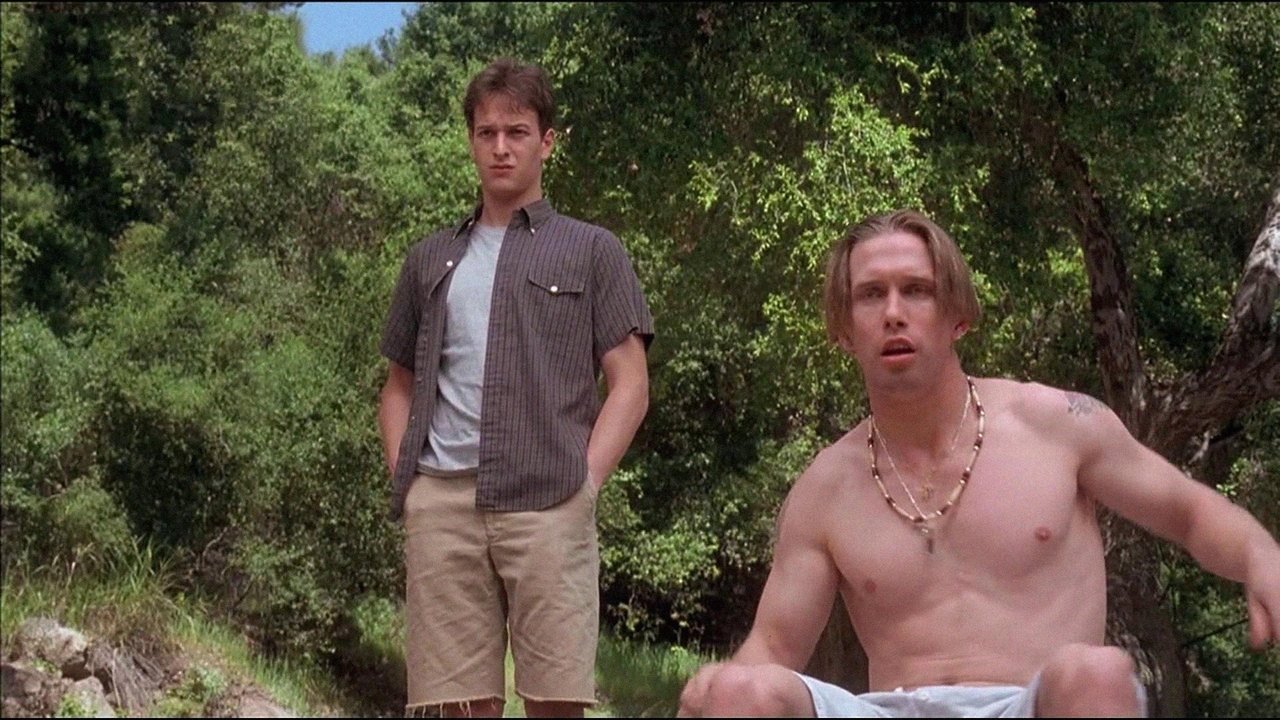
The film, written and directed by Andrew Fleming (who’d later give us the cult magic of The Craft), has a charm rooted in its semi-autobiographical origins. Fleming apparently based the story on his own college experiences, which lends the dialogue and interactions a certain lived-in, sometimes cringey, authenticity. The setup is simple: Stuart is attracted to Alex, Alex finds herself drawn to Eddy, and Eddy... well, Eddy discovers he's unexpectedly attracted to Stuart. It's a daisy chain of unrequited (or complicatedly requited) feelings played out against a backdrop of textbooks, late-night talks, and cheap beer.

This isn't a film driven by plot twists, but by the internal shifts within the characters. Josh Charles, fresh off Dead Poets Society, brings a sensitive vulnerability to Stuart, the film's narrator and emotional anchor. He's the classic thoughtful nice guy, grappling with feelings he doesn't quite understand. Lara Flynn Boyle, post-Twin Peaks weirdness, embodies Alex with a cool, detached intelligence that masks her own uncertainties. She’s fascinating to watch, even when Alex’s motivations feel deliberately opaque. And then there’s Stephen Baldwin. This was prime Baldwin brother era, and Stephen tackles Eddy with a brash energy that slowly cracks to reveal confusion and burgeoning self-awareness. It’s arguably one of his more nuanced performances, capturing that specific kind of 90s dude bravado wrestling with unexpected vulnerability. It's a retro fun fact that Baldwin initially wasn't keen on the script's homosexual undertones, but Fleming convinced him the character's confusion was central to the story.
That 90s College Vibe
Watching Threesome now is like opening a time capsule. The baggy clothes, the posters on the dorm walls (The Smiths, naturally), the importance placed on philosophical debates fuelled by caffeine – it captures that specific Gen X university milieu perfectly. There are no smartphones interrupting the flow, no social media mediating their interactions. It’s all face-to-face awkwardness, shared music drifting from a boombox, and handwritten notes. The film’s soundtrack, featuring tracks from The The, General Public, and Apache Indian, further cements its place in the era.

Andrew Fleming directs with a straightforward, unfussy style. There are no flashy camera tricks here; the focus stays squarely on the actors and their emotional dynamics. It’s a low-key approach that suits the material. Made on a shoestring budget of around $1.4 million (pocket change even then!), it managed to pull in about $4.2 million at the box office – not a blockbuster, but enough to find its audience, especially on home video where its provocative title likely lured many curious renters. It definitely caused a stir with the MPAA, initially receiving the dreaded NC-17 rating before trims were made to secure an R, mostly dialing back some of the franker sexual discussions and situations. Remember how edgy that felt back then?
More Than Just a Title?
Does Threesome hold up? Well, it depends on what you're looking for. Some might find its pacing slow or its navel-gazing a bit too... 90s. The dialogue occasionally dips into pseudo-intellectual territory that feels very much of its time. But there's an undeniable sincerity to it. It tackled themes of sexual fluidity and complex relationships with a frankness that was uncommon in mainstream American cinema then. It treated its characters' confusion and desires with respect, even amidst the comedic awkwardness. It wasn't necessarily profound, but it felt honest.
It wasn't a critical darling upon release – reviews were mixed, often praising the performances but finding the overall story somewhat slight. Yet, it lingered. It became one of those quintessential 90s video store discoveries, a film you might have rented with friends, sparking conversations long after the credits rolled. Watching it again definitely took me back to that feeling of being young, uncertain, and figuring things out one messy interaction at a time.
---
VHS Heaven Rating: 6.5/10
Justification: The film earns points for its honest (for the time) exploration of complex relationships and sexuality, strong central performances (especially from Charles and Baldwin playing against type), and its authentic capture of the mid-90s college vibe. It loses some points for occasionally dated dialogue, a somewhat meandering pace, and a resolution that feels a touch too tidy. It's more interesting as a time capsule and character study than a gripping narrative.
Final Rewind: Threesome is a quintessential slice of 90s indie-flavored studio filmmaking – talky, earnest, and refreshingly candid about messy human connections, even if it feels a bit like a thoughtful dorm room debate committed to film. Worth revisiting if you remember that specific brand of Gen X angst and charm.