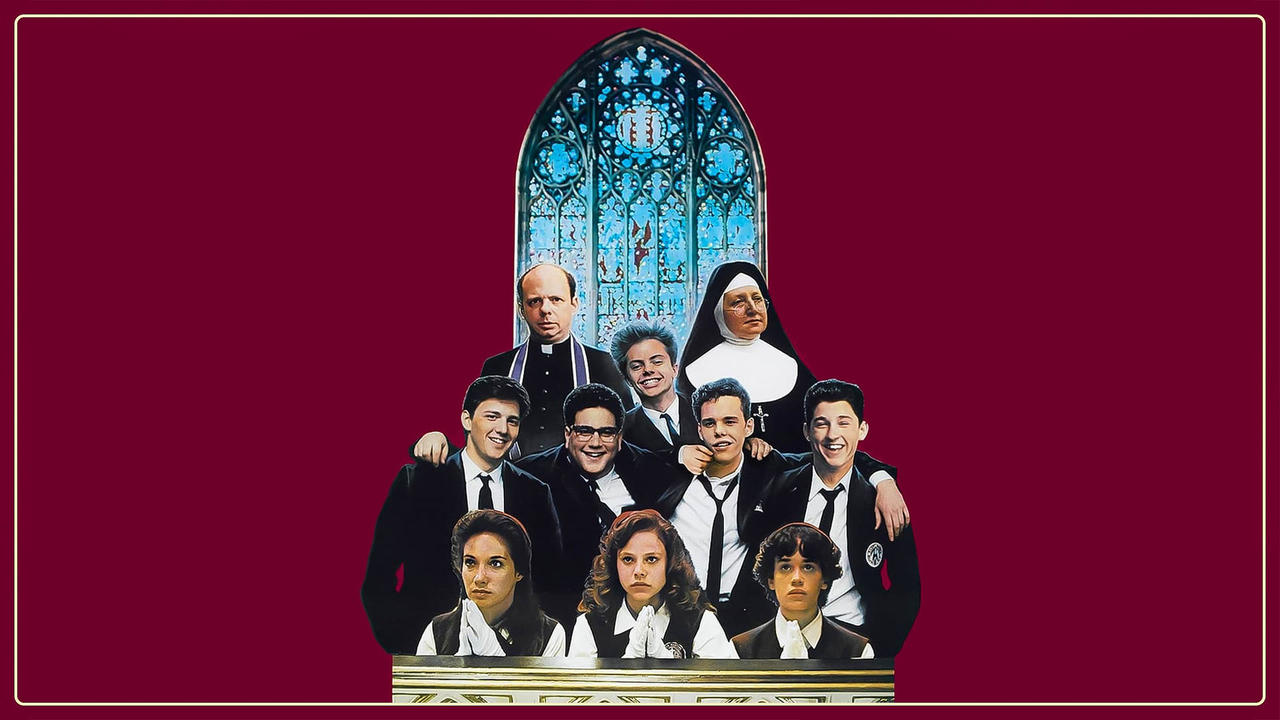
That first day at a new school. Remember that feeling? The knot in your stomach, the unfamiliar faces, the desperate hope to just blend in, or maybe, find a kindred spirit? Heaven Help Us (1985) drops us right back into that uncomfortable vulnerability, but amplifies it tenfold by setting its story within the imposing brick walls of St. Basil's Catholic Boys School in Brooklyn, circa 1965. We enter this world through the eyes of Michael Dunn (Andrew McCarthy, in one of his earliest and most earnest roles), a quiet transfer student who quickly learns that piety and punishment walk hand-in-hand here, often brutally so.
### Surviving St. Basil's
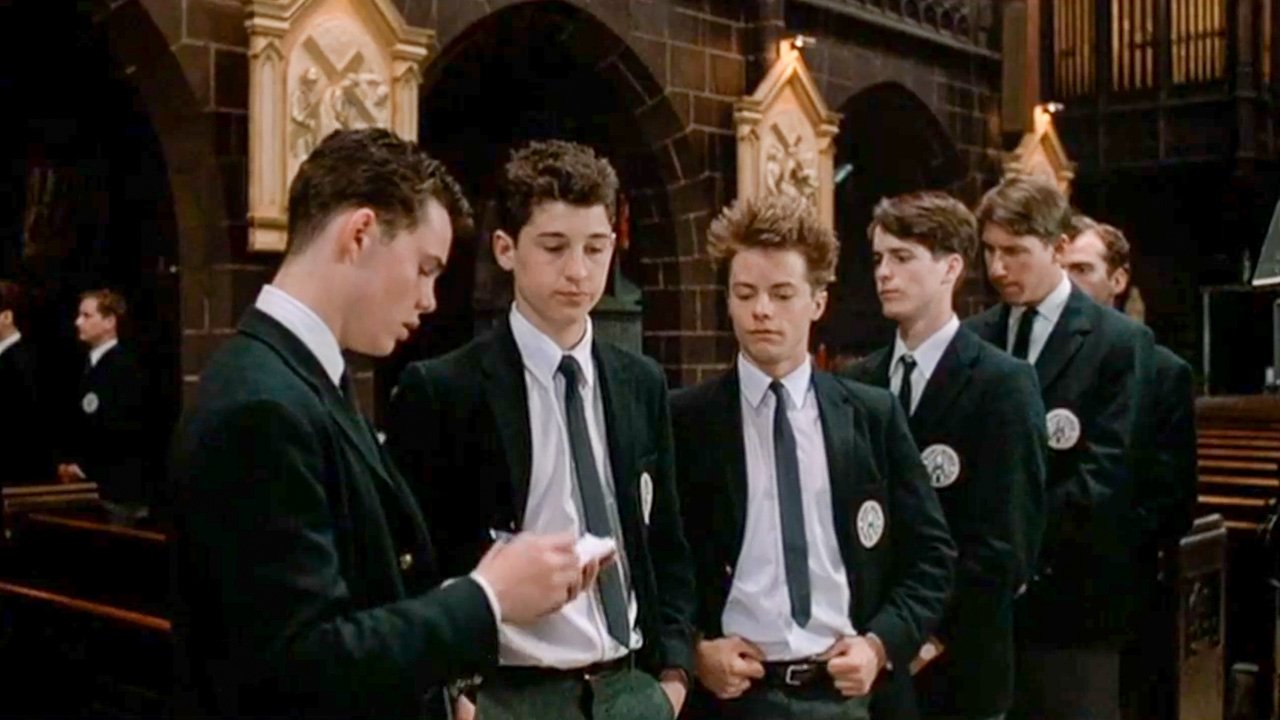
Michael isn’t alone for long. He swiftly falls in with a group of fellow outsiders navigating the school's rigid doctrines and the often sadistic whims of the teaching Brothers. There’s Caesar (Kevin Dillon, radiating the charismatic recklessness that would become a trademark), the defiant leader quick with a scheme; Rooney (Malcolm Danare), the overweight, intelligent boy desperate for acceptance; and Williams (Stephen Geoffreys, later memorable in Fright Night), the awkward, easily flustered member of the pack. Their camaraderie feels genuine, forged in the crucible of shared adolescent angst and the ever-present threat of corporal punishment, often delivered via the stinging crack of a ruler wielded by the Brothers. The film captures that specific teenage energy – the mix of bravado, insecurity, and the burgeoning awareness of adult hypocrisy – with a surprising lack of gloss. This wasn't the slick world of Shermer High; St. Basil's felt grittier, more grounded in a specific, oppressive reality.
### Shadows in the Cloisters
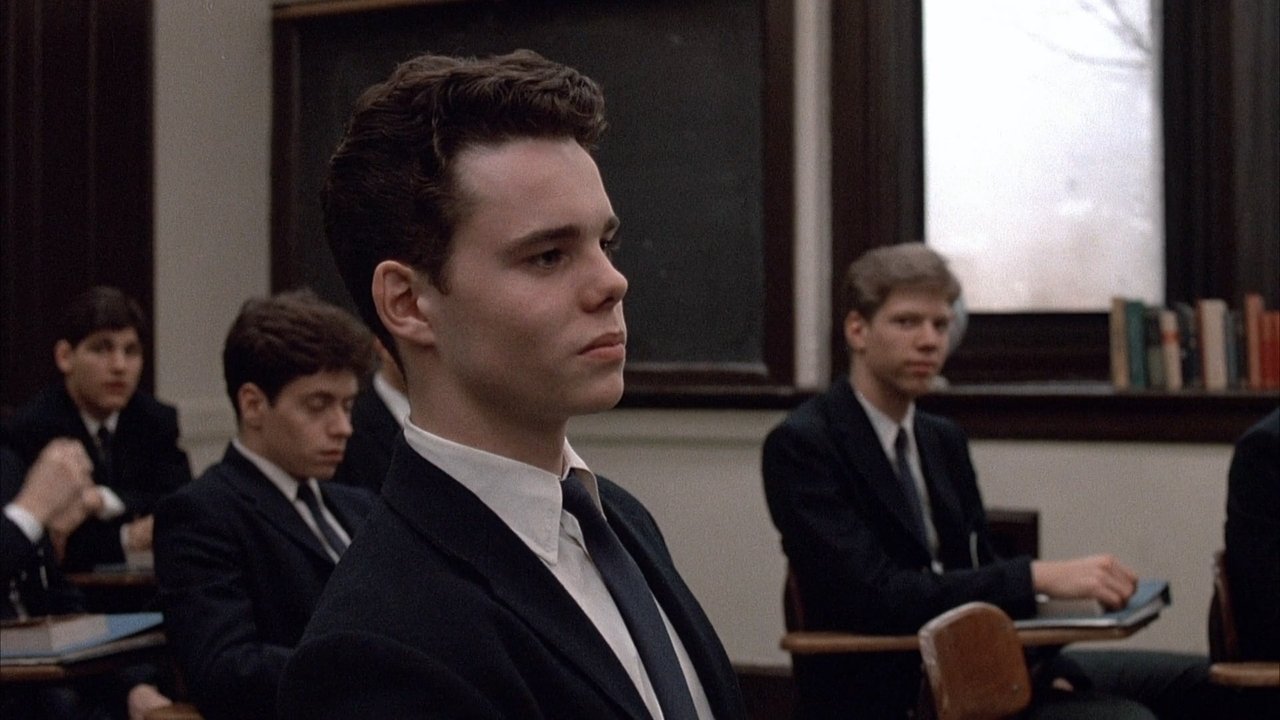
While the boys provide the film's heart, the performances from the adult cast lend it a chilling weight. John Heard delivers a nuanced portrayal of Brother Timothy, a teacher grappling with his own disillusionment and empathy, trapped between the system's demands and his conscience. His struggle feels palpable, a quiet counterpoint to the boys' more overt rebellion. And then there's Brother Thadeus, the Headmaster, played with icy authority by Donald Sutherland. Sutherland masterfully underplays the menace, making Thadeus's calm pronouncements and unwavering belief in harsh discipline all the more terrifying. He embodies the unyielding nature of the institution, a figure whose certainty leaves no room for adolescent error or independent thought. It's a testament to Michael Dinner's direction (in his feature debut, before becoming a stalwart TV director for shows like The Wonder Years and Justified) that these portrayals feel so complex, avoiding simple caricature.
### A Soda Shop Sanctuary
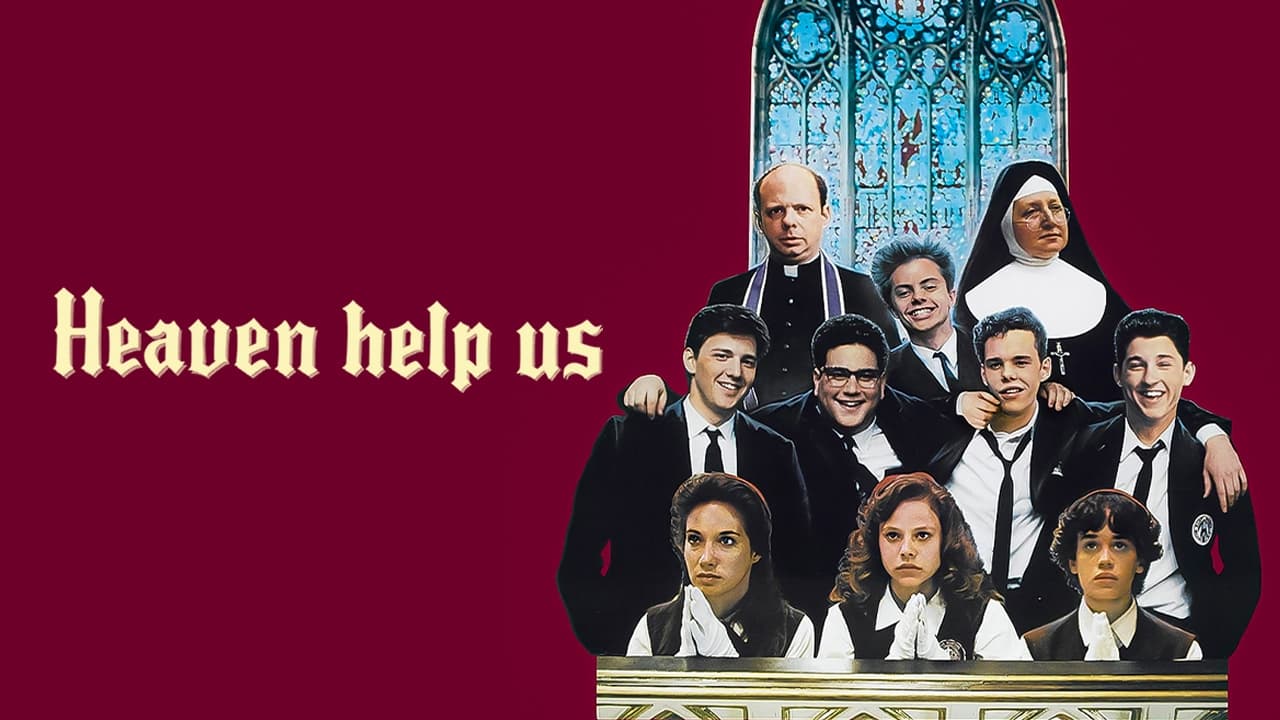
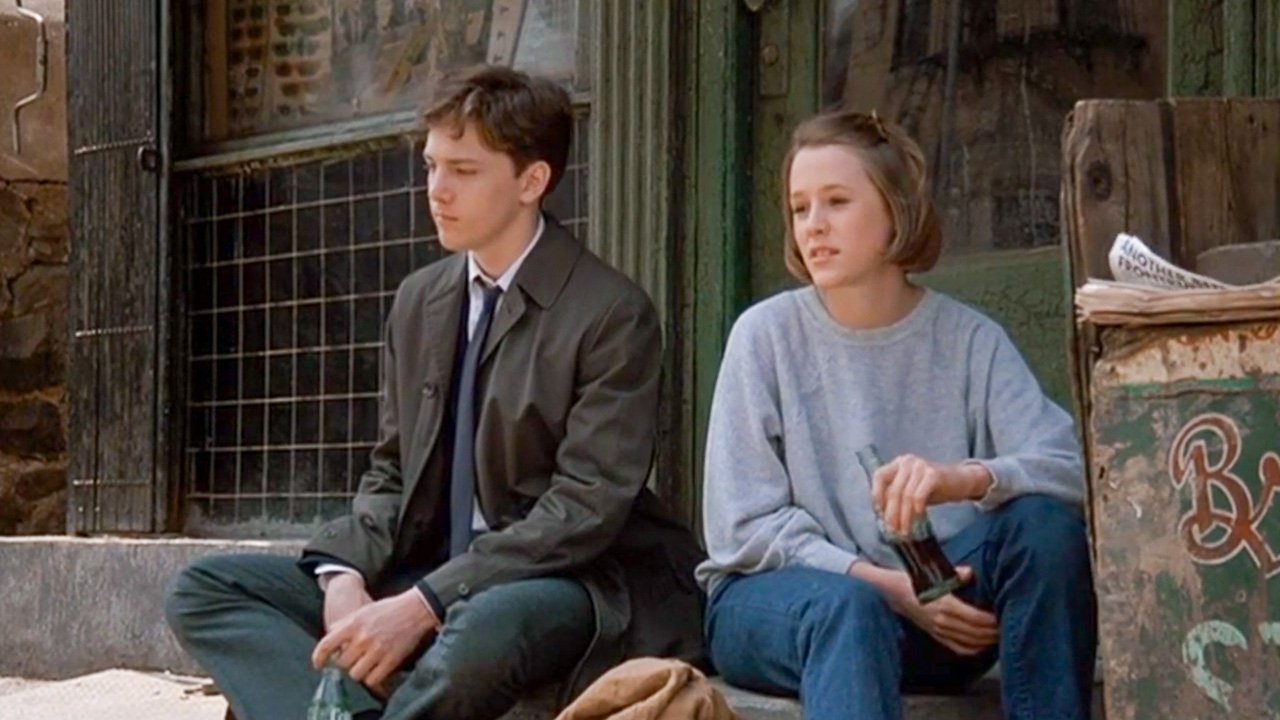
Amidst the gloom of St. Basil's, there's a small pocket of light and relative freedom – the local soda shop run by Danni (Mary Stuart Masterson). Her space becomes a refuge for the boys, particularly Michael, offering a glimpse of normalcy and the hesitant blossoms of first love. Masterson brings a warmth and intelligence to Danni, making her more than just a love interest; she's an anchor in the turbulent world outside the school gates. Interestingly, the film was originally titled Catholic Boys, but Tri-Star Pictures, perhaps nervous about potential controversy or aiming for broader appeal, opted for the less specific Heaven Help Us. It makes you wonder if leaning less into the specific Catholic context might have inadvertently diluted some of its unique identity, contributing to its struggle to find a wide audience – it reportedly only made back its modest $3.2 million budget upon release. This wasn’t your typical high school flick, and maybe audiences in '85 weren't quite ready for its blend of laughs and painful truths.
### Tonal Tightrope and Lasting Echoes
The film's most debated aspect, both then and now, is its sometimes jarring shift between lighthearted teenage antics (sneaking smokes, plotting revenge on bullies) and moments of stark, uncomfortable drama, particularly the scenes depicting physical abuse by the Brothers. Does it always work? Perhaps not seamlessly. Yet, there's an argument to be made that this tonal dissonance mirrors the often confusing and contradictory nature of adolescence itself – the ability to find humor even in bleak circumstances, the whiplash between youthful joy and confronting harsh realities. It avoids easy answers and refuses to sand down the sharp edges of its subject matter. Watching it again on a worn VHS tape years ago, I remember being struck by how real those moments felt, how the laughter caught in your throat when the mood shifted. It wasn't always comfortable, but it felt honest.
The practicalities of filming in real New York locations, like using St. Thomas Aquinas school in Brooklyn for St. Basil's exterior, add an undeniable layer of authenticity that studio sets often lack. You feel the cold corridors, the echoing gymnasium, the cramped confines where these young men are trying to figure out who they are under intense pressure.
Rating: 7/10
This rating reflects the film's strengths – primarily the authentic performances from its young cast, the compelling adult portrayals by Heard and Sutherland, and its unflinching look at the darker side of institutional authority and adolescent rebellion. It captures a specific time and place with honesty. The point deduction acknowledges the occasionally uneven tone, which, while arguably realistic, can sometimes feel abrupt and might not resonate with everyone. It's not a perfect film, but it’s a thoughtful, often powerful piece of 80s cinema that dared to be different from the prevailing teen comedies of the era.
Heaven Help Us lingers not just as a coming-of-age story, but as a potent reminder of the courage it takes to question authority and the enduring power of friendship in the face of adversity. It’s one of those slightly forgotten gems from the video store shelves that rewards a revisit, sparking reflection long after the final frame. Did anyone else discover this one tucked away in the drama section back in the day?