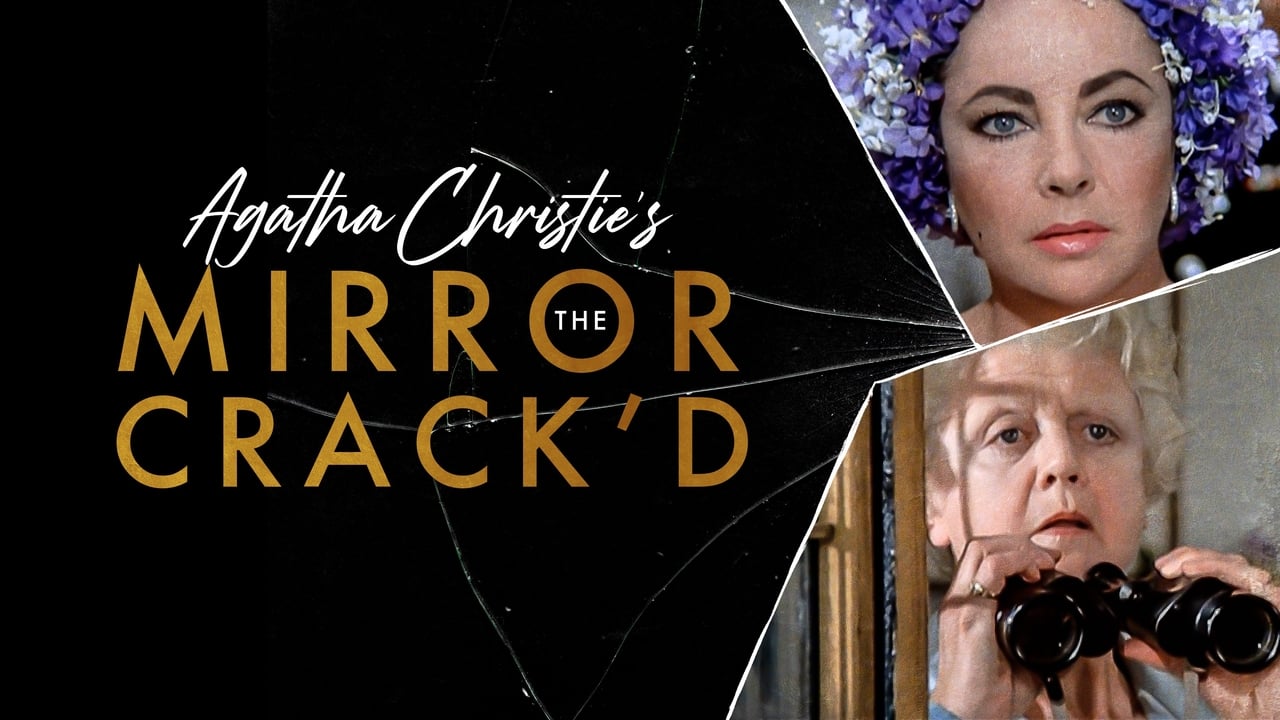
There's a certain kind of quiet thrill, isn't there, pulling a tape like The Mirror Crack'd from its slightly worn sleeve? It promises a particular blend of cozy English village mystery and something grander, almost incongruous: the blinding wattage of old Hollywood glamour. It’s 1980, but the film transports us to 1953, where the sleepy village of St. Mary Mead finds itself the unlikely setting for a major motion picture, bringing with it a cast list that reads like a who's who of screen legends. It’s this collision of worlds, the pastoral and the profane glitz, that immediately sets a fascinating, slightly unsettling stage.
Hollywood Descends on St. Mary Mead
The premise, adapted from Agatha Christie's novel, sees volatile, legendary actress Marina Rudd (Elizabeth Taylor) attempting a comeback alongside her director husband Jason (Rock Hudson). They rent Gossington Hall, throw a fête for the village, and inevitably, someone drops dead. Enter Miss Jane Marple, played here for the first (and only) time on the big screen by the magnificent Angela Lansbury, years before she'd solidify her place as TV's favourite sleuth in Murder, She Wrote. The film immediately establishes a tone – less the tense, drawing-room formality of some Christie adaptations, more a slightly melancholic, world-weary observation of fading stars and festering resentments under a veneer of studio polish. Director Guy Hamilton, fresh off a string of James Bond hits like The Spy Who Loved Me, brings a certain gloss and scale, but wisely keeps the focus intimate when it counts.
A Constellation of Legends
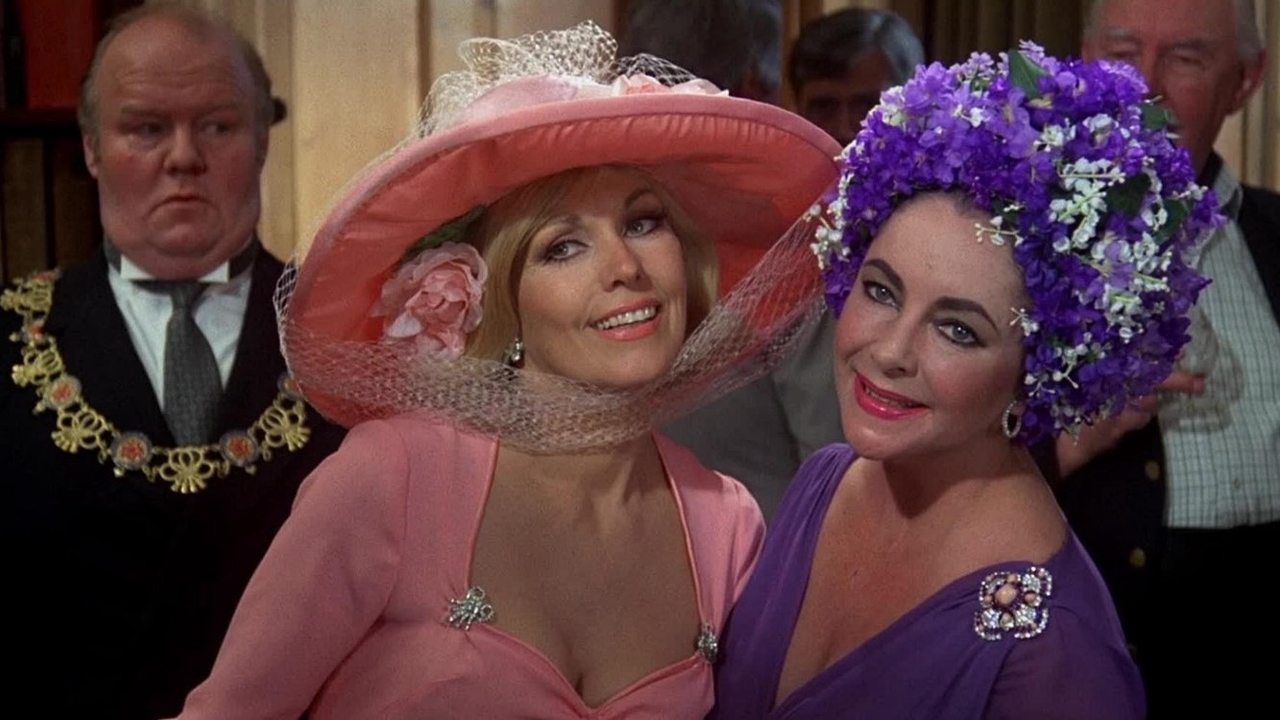
What truly makes The Mirror Crack'd a fascinating watch, especially now, is its incredible cast. Seeing Elizabeth Taylor and Kim Novak (as rival actress Lola Brewster) share the screen, trading exquisitely delivered barbs dripping with decades of fictionalized (and perhaps not-so-fictionalized?) history, is worth the rental price alone. There's a palpable weight to their performances. Taylor, particularly, channels a fragile grandeur, a vulnerability beneath the diva demands, that feels remarkably authentic. You sense the echoes of her own tumultuous career, the pressures of sustained fame. Is it method acting, or simply the unavoidable truth of a life lived in the spotlight bleeding through? Novak matches her beat for beat, her Lola a picture of brittle insecurity masked by sharp wit. Their scenes together are pure, distilled movie magic, capturing that specific brand of glamorous cattiness that feels both theatrical and painfully real.
Then there's Rock Hudson, radiating effortless charm even as his character navigates the emotional minefield around Marina. And Tony Curtis, almost unrecognizable in a smaller role as Novak's producer husband, adds another layer of Tinseltown texture. It’s a cast that feels almost too starry for St. Mary Mead, and that's precisely the point. Their larger-than-life personas are the foreign element disrupting the village's equilibrium, the catalyst for the tragedy that unfolds.
Lansbury's Gentle Debut
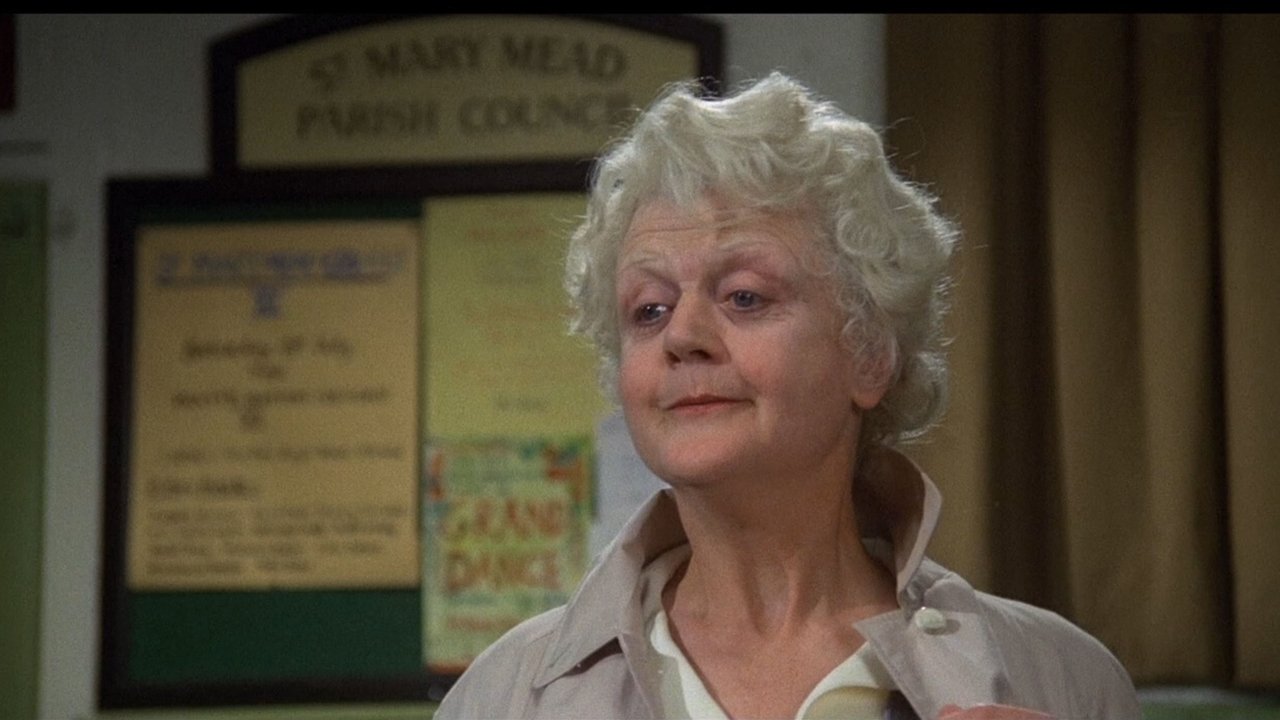
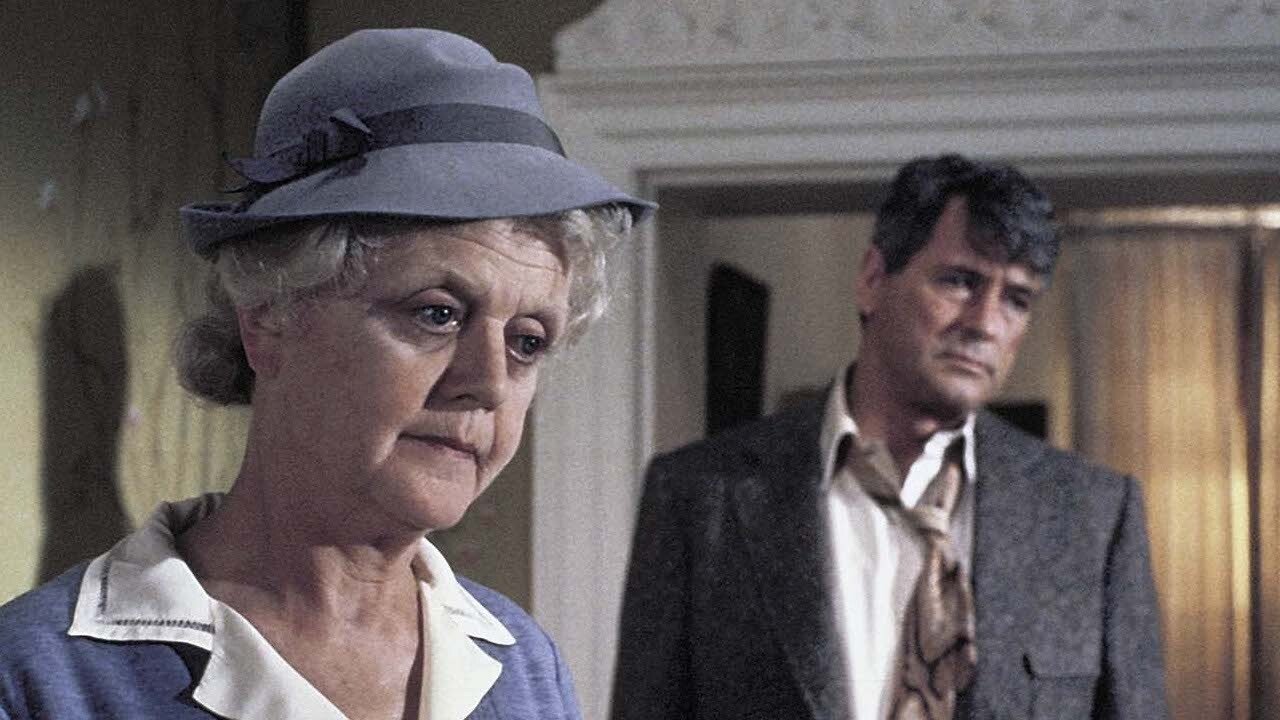
And what of Miss Marple herself? Angela Lansbury presents a markedly different interpretation than the dithering eccentricities of Margaret Rutherford or the sharp, knowing stillness of Joan Hickson later on. Lansbury's Marple is warmer, more overtly empathetic, grounded by a practical intelligence. She observes more than she interrogates, her knitting needles clicking away as she pieces together the human puzzle. While perhaps not the definitive Marple for Christie purists, it's a captivating performance in its own right, offering a glimpse of the shrewd, compassionate investigator she would perfect as Jessica Fletcher. It feels like a gentle introduction, a portrayal that understands the sadness often lurking beneath Christie's clever plots.
Cracks in the Golden Age Mirror
Beyond the whodunit, the film subtly explores themes of aging, loss, and the often cruel passage of time, particularly for women in the public eye. The title, famously referencing Tennyson's "The Lady of Shalott" ("The mirror crack'd from side to side; / 'The curse is come upon me,' cried / The Lady of Shalott."), hangs over the proceedings, hinting at shattered illusions and inescapable fates. This thematic depth elevates the film beyond a simple mystery. There's a story here, allegedly inspired by a real-life tragic anecdote involving actress Gene Tierney, about the devastating consequences of a thoughtless act, adding a layer of profound sadness to the central puzzle. It forces us to consider the human cost often hidden behind the headlines and the gossip columns.
Filmed largely on location in Kent, England (including the stunning Hever Castle providing exteriors for Gossington Hall), the production captures a lovely sense of place, even if the 1950s setting sometimes feels filtered through an early 80s lens in terms of costume and style. It’s part of its charm, really – a product of its time interpreting another time, all preserved on that magnetic tape. Trivia buffs might enjoy knowing the film cost around $7 million and grossed a respectable $11 million worldwide – not a blockbuster, but a solid performer carried by its star power. Another tidbit: Pierce Brosnan reportedly has an uncredited bit part, years before he would inherit the Bond mantle from Hamilton's era.
The Final Reel
The Mirror Crack'd might not be the most complex or tightly plotted Christie adaptation ever committed to film. The mystery itself feels somewhat secondary to the character drama and the sheer pleasure of watching these legends interact. Yet, it possesses a unique atmosphere – a blend of nostalgic melancholy, star-powered intrigue, and gentle observational wit, particularly from Lansbury's Marple. It’s a film that feels comfortable, like settling into a favourite armchair, even as it touches on deeper, more somber truths about fame, memory, and regret. It’s a reminder that even in the seemingly idyllic English countryside, shadows can linger, and sometimes the brightest stars hide the deepest cracks.
Rating: 7/10
Justification: While the central mystery isn't Christie's most ingenious, the film is elevated significantly by its legendary cast, particularly the poignant performances of Taylor and Novak, and Lansbury's warm take on Miss Marple. Its exploration of aging and fame adds thematic weight, and the production values offer a pleasing, if slightly dated, glimpse into 80s does 50s filmmaking. It's a thoroughly enjoyable, star-studded affair perfect for a nostalgic evening.
Final Thought: What lingers most is the bittersweet spectacle of Hollywood royalty grappling with their own reflections, making this more than just a whodunit, but a surprisingly touching glance behind the silver screen's shimmering, yet fragile, surface.