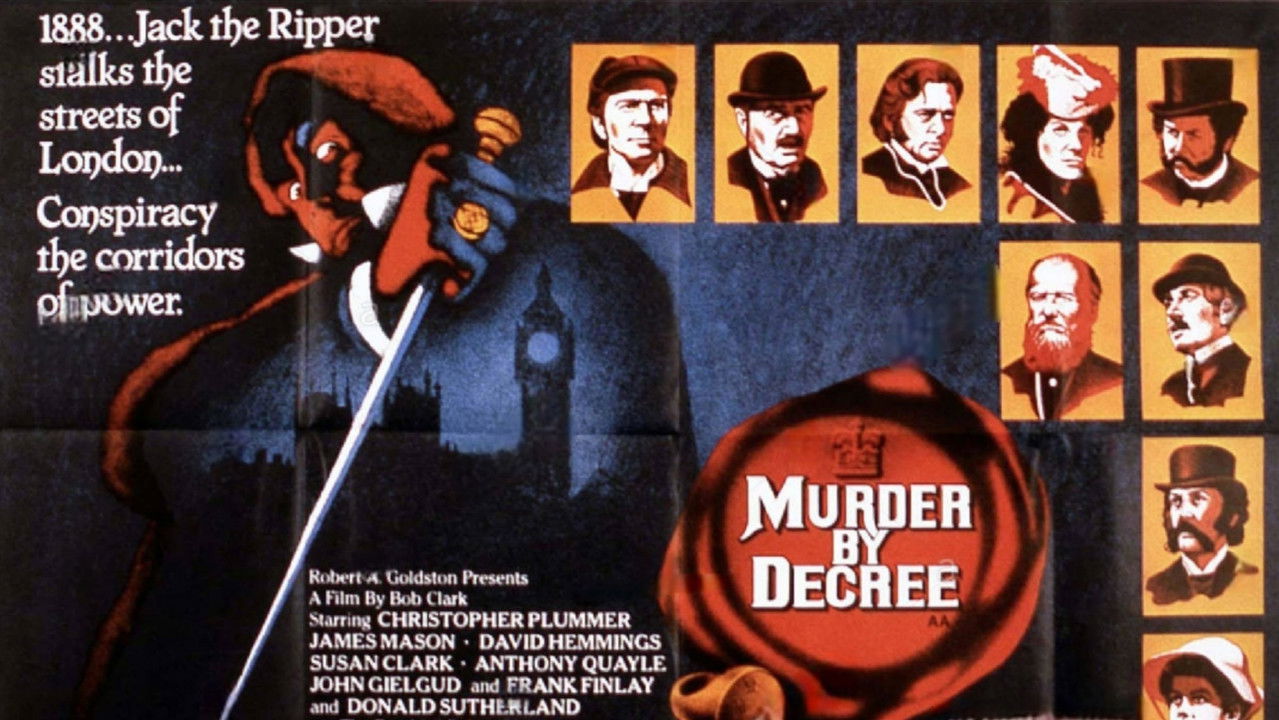
It’s a curious thing, isn't it? How certain names become fixed in our minds for specific kinds of films. Mention Bob Clark, and for many of us – especially those who haunted video stores in the 80s – images of adolescent hijinks in Porky's or the warm glow of A Christmas Story likely spring to mind. Which makes rediscovering his 1979 Sherlock Holmes venture, Murder by Decree, feel like uncovering a fascinating, slightly shadowed corner of a familiar director's attic. This isn't a film likely rented for laughs; instead, it plunges us headfirst into the chilling fog and moral murk of Victorian London, tackling the enduring, terrifying mystery of Jack the Ripper.
### Beyond Baker Street's Comfort
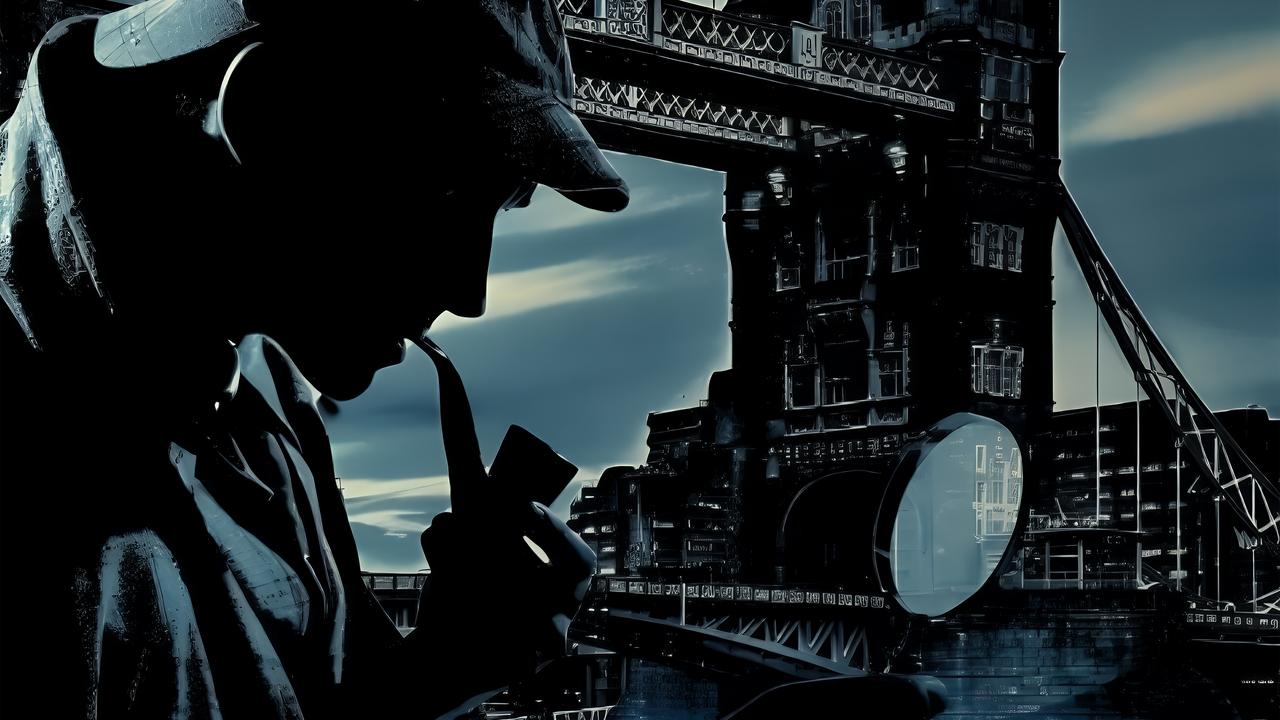
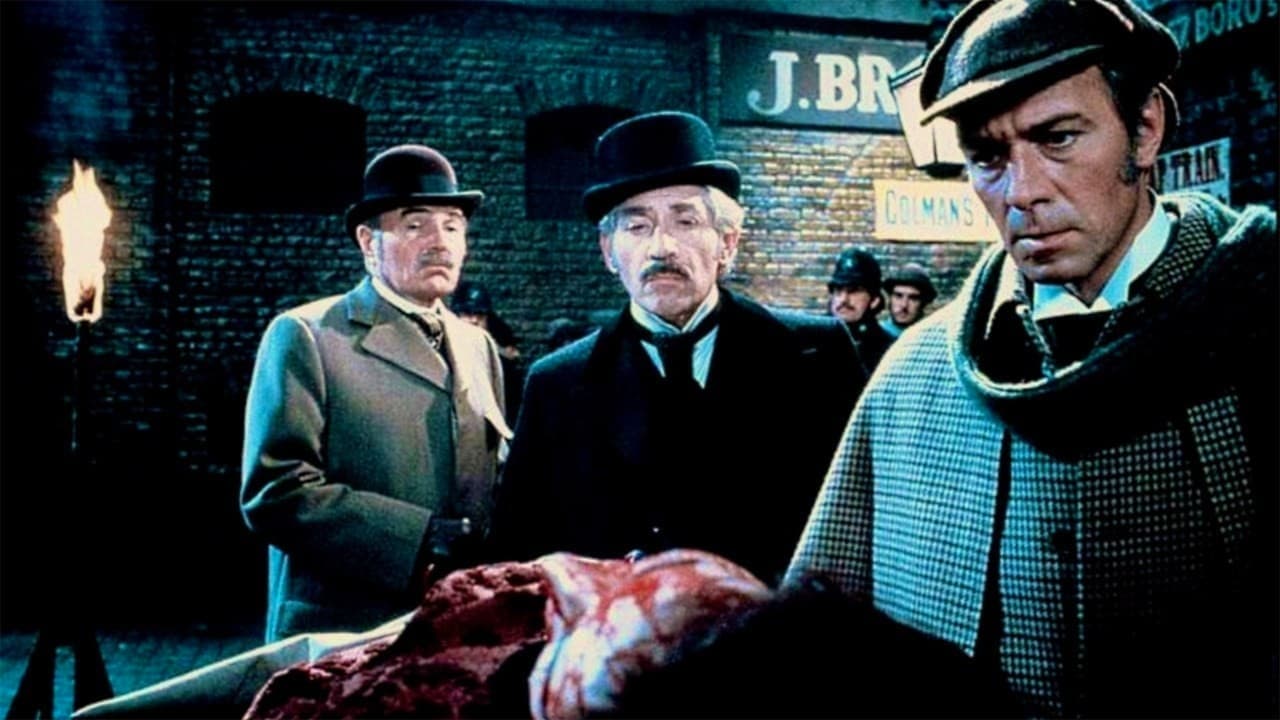
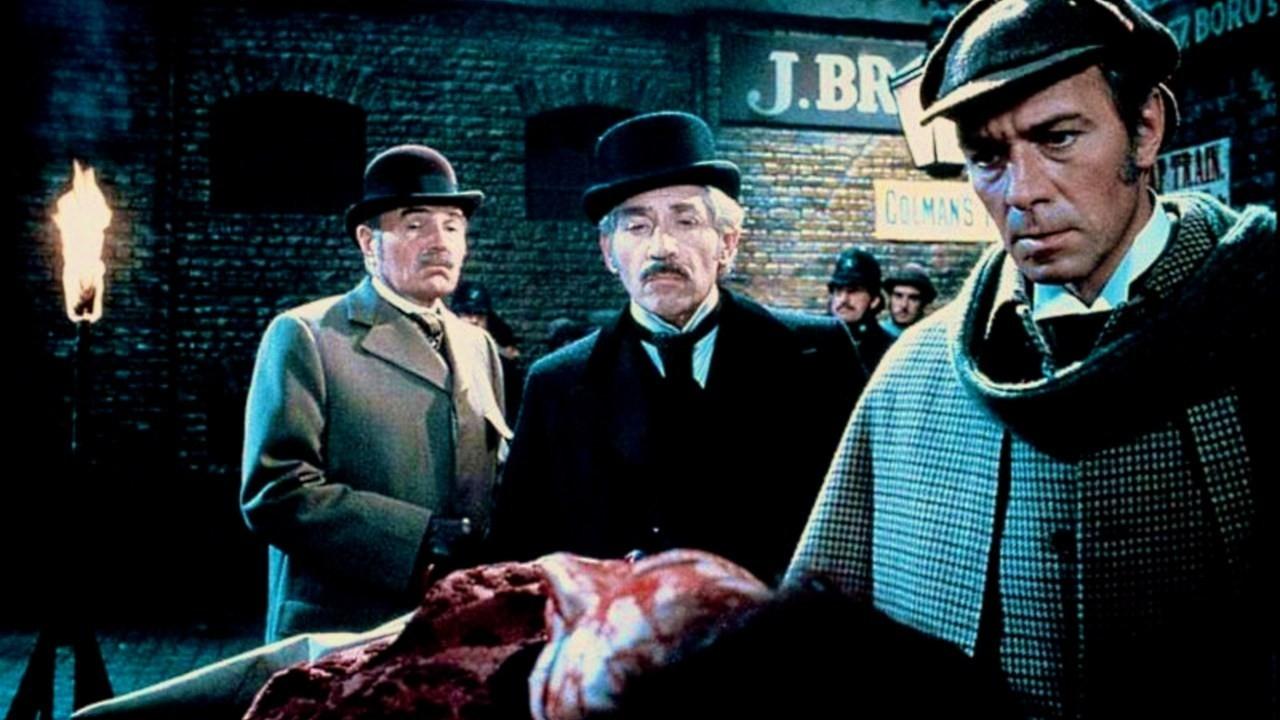
What immediately sets Murder by Decree apart is its pervasive, almost tangible atmosphere. Forget the cozy, tweed-filled drawing-rooms of some interpretations. Clark, working with cinematographer Reginald H. Morris, conjures a London perpetually shrouded in mist and gaslight, where shadows cling to every corner and the air itself feels heavy with secrets. This isn't just set dressing; it's integral to the film's mood – a suffocating sense of dread and decay that mirrors the societal rot Holmes uncovers. The core plot sees Holmes (a magnificent Christopher Plummer) and Dr. Watson (an equally brilliant James Mason) drawn into the horrifying Whitechapel murders. But rather than a simple whodunit, John Hopkins' script, drawing inspiration from Stephen Knight's controversial book "Jack the Ripper: The Final Solution," spins a tale of high-level conspiracy involving Freemasons, the aristocracy, and even the Crown. Does this departure from strict Doyle canon work? For the most part, remarkably well, transforming the Ripper case into a gripping political thriller.
### A Holmes of Heart, A Watson of Wit
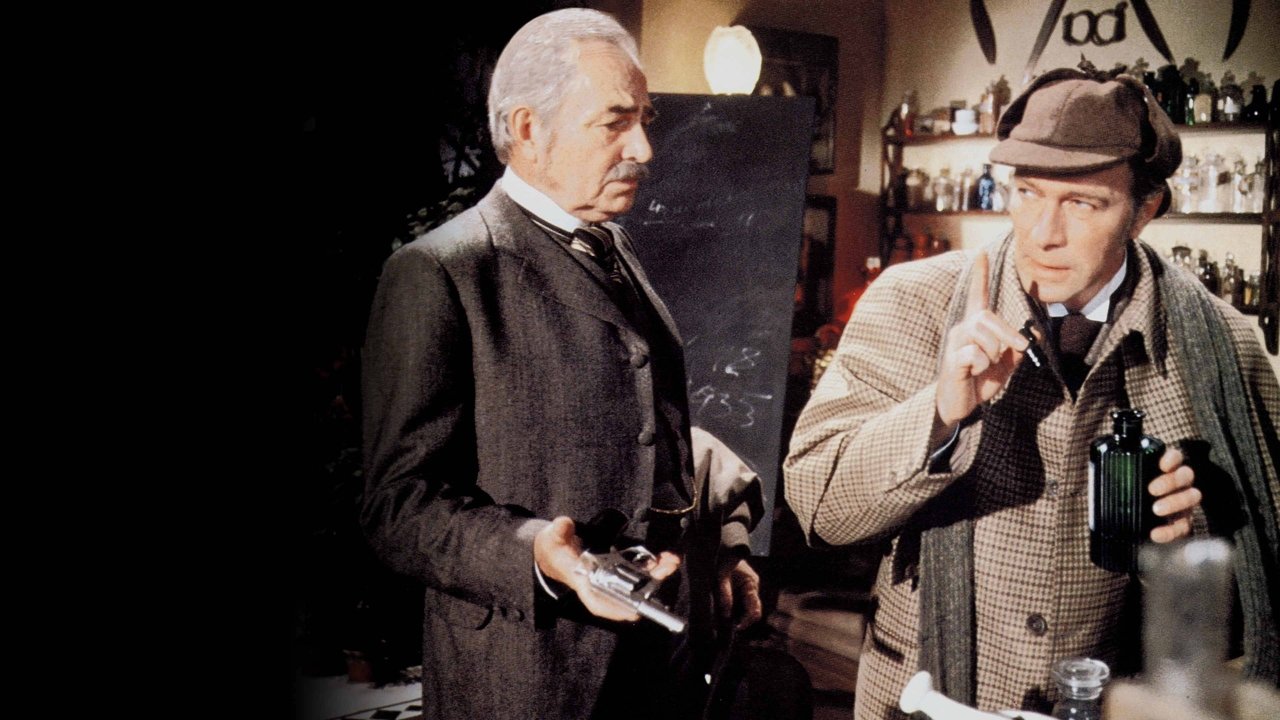
The true soul of Murder by Decree lies in its central performances. Christopher Plummer delivers, for my money, one of the most compelling screen Sherlocks. Having played the detective on stage previously, he imbues Holmes with the requisite sharp intellect, but crucially, also with a deep wellspring of empathy and moral outrage. This isn't the cold, calculating machine of some portrayals; Plummer's Holmes is visibly shaken by the poverty and brutality he witnesses, his pursuit driven as much by compassion as by logic. Watch his face as he listens to the plight of potential victims – there’s a profound humanity there that elevates the film beyond mere mystery.
Equally essential is James Mason as Watson. Freed from the bumbling sidekick trope that plagued so many adaptations, Mason presents a Watson who is intelligent, observant, and a true partner to Holmes. Their relationship feels lived-in, built on mutual respect and quiet understanding. Mason, often known for more imposing or villainous roles (think North by Northwest or Lolita), brings a gentle gravitas here. The easy rapport between Plummer and Mason is a joy to watch, grounding the increasingly dark conspiracy in a believable friendship. It’s this pairing that allows the film to navigate its grim subject matter without becoming overwhelmingly bleak.
### Unmasking the Establishment
The film doesn't shy away from the uglier aspects of the era. It paints a stark picture of the vast chasm between the privileged elite and the desperate poverty of London's East End. The conspiracy Holmes uncovers is chilling precisely because it feels plausible within this context – the powerful closing ranks to protect their own, sacrificing the vulnerable without a second thought. The supporting cast is uniformly excellent, adding layers of intrigue and menace. David Hemmings (Blow-Up) is suitably stressed as Inspector Foxborough, caught between duty and political pressure. We get brief but memorable turns from giants like John Gielgud as the Prime Minister and Donald Sutherland offering a particularly unsettling performance as the psychic Robert Lees. And Geneviève Bujold brings a tragic dignity to her role as Annie Crook, a key figure caught in the web.
### Retro Fun Facts: Fog Machines and Conspiracy Theories
Digging into the history of Murder by Decree reveals some interesting nuggets perfect for us VHS Heaven dwellers.
- The film’s conspiracy angle, directly lifted from Stephen Knight’s 1976 book, was highly controversial at the time and remains debated historian circles. While compelling dramatically, it's crucial to remember it's presented as a theory within a fictional narrative.
- Director Bob Clark had already proven his knack for atmospheric horror with the chilling Black Christmas (1974). It's fascinating to see him apply that skill here before pivoting dramatically towards comedy just a few years later. It shows a directorial range many might not associate with him.
- Achieving that iconic fog wasn't easy on what was reportedly a modest budget (around $3 million). Extensive use of studio sets and practical fog machines was key, creating a consistent, controlled environment that location shooting couldn't guarantee. You can almost smell the damp cobblestones through the screen.
- This wasn't the first time Holmes tackled the Ripper. A Study in Terror (1965), starring John Neville, pitted the detective against the killer, but Murder by Decree delves far deeper into the why, weaving a complex tapestry of social commentary and conspiracy.
- While perhaps not a blockbuster, the film received generally positive notices upon release, particularly praising the lead performances and the oppressive atmosphere – elements that still hold up strongly today. Finding this gem on a dusty video store shelf often felt like uncovering a secret history lesson wrapped in a superb mystery. My own well-worn tape certainly got its share of rewinds.
### Lingering Shadows
What stays with you after watching Murder by Decree? It’s the mood, certainly – that pervasive sense of unease and moral compromise. It's Plummer's compassionate intensity and Mason's steady loyalty. But it's also the questions it raises about power, corruption, and the voices that get silenced by history. It doesn't offer easy answers, nor does it wrap everything up neatly in the typical Holmesian fashion. Instead, it leaves a residue of doubt and a chilling awareness of the darkness that can hide beneath even the most civilized facade. Doesn't that resonate, even today?
Rating: 8.5/10
Justification: The film earns this high score through its exceptional lead performances from Plummer and Mason, its masterful creation of atmosphere, and its willingness to engage with complex, dark themes. It elevates the Sherlock Holmes narrative into a mature, thought-provoking thriller. While the specific conspiracy theory might be debatable historically, its use within the film creates a compelling and chilling narrative engine. It loses a point perhaps for a slightly less brisk pace in the middle compared to the gripping beginning and end, but the overall quality is undeniable.
Final Thought: More than just a detective story, Murder by Decree is a haunting journey into the fog-bound heart of Victorian darkness, anchored by perhaps the most human portrayal of Sherlock Holmes ever committed to film. A must-see for fans who appreciate atmosphere and performance alongside their mystery.