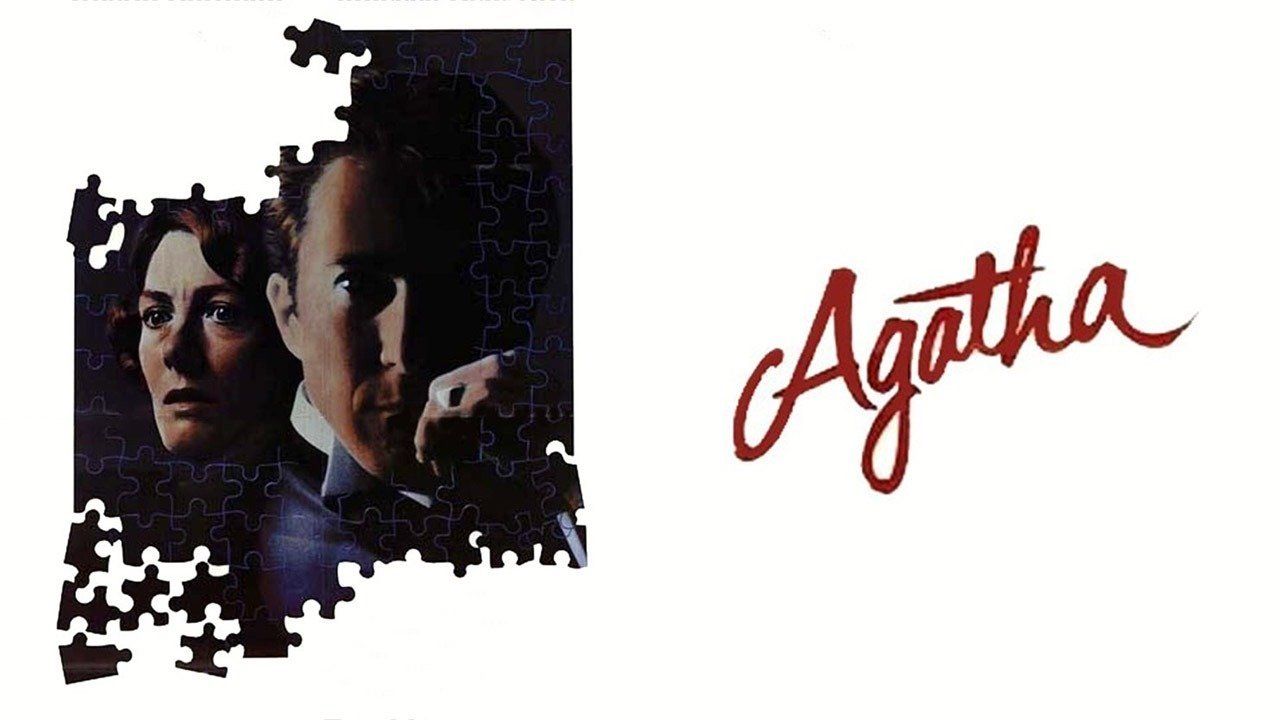
What truly happened during those eleven days? It’s a question that still hangs in the air, a real-life mystery surrounding one of the 20th century’s greatest mystery writers. Agatha Christie’s vanishing act in December 1926 remains fertile ground for speculation, and it’s this enigma that Michael Apted’s 1979 film, Agatha, dares to explore, not as a factual account, but as a beautifully rendered piece of historical fiction. Finding this one on the shelves back in the day, perhaps nestled between more bombastic fare, felt like uncovering a quieter, more contemplative puzzle box.
A Disappearance, A Spa Town, A Fictional Encounter
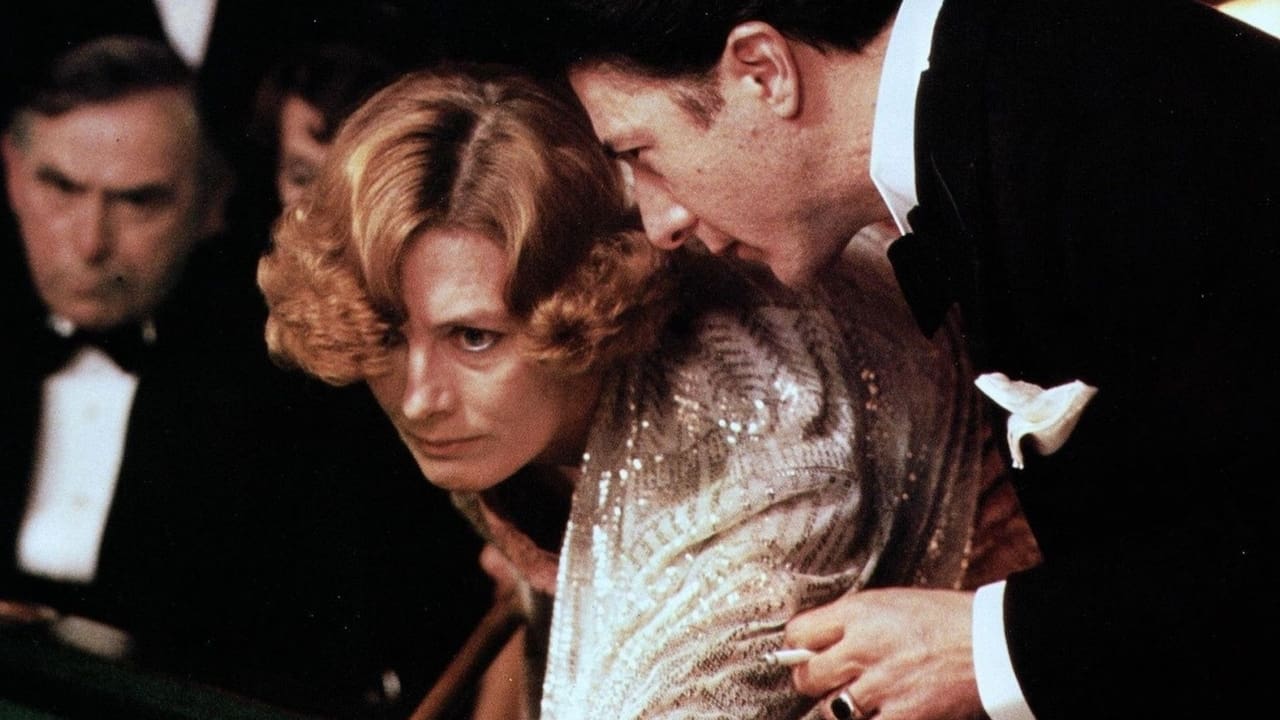
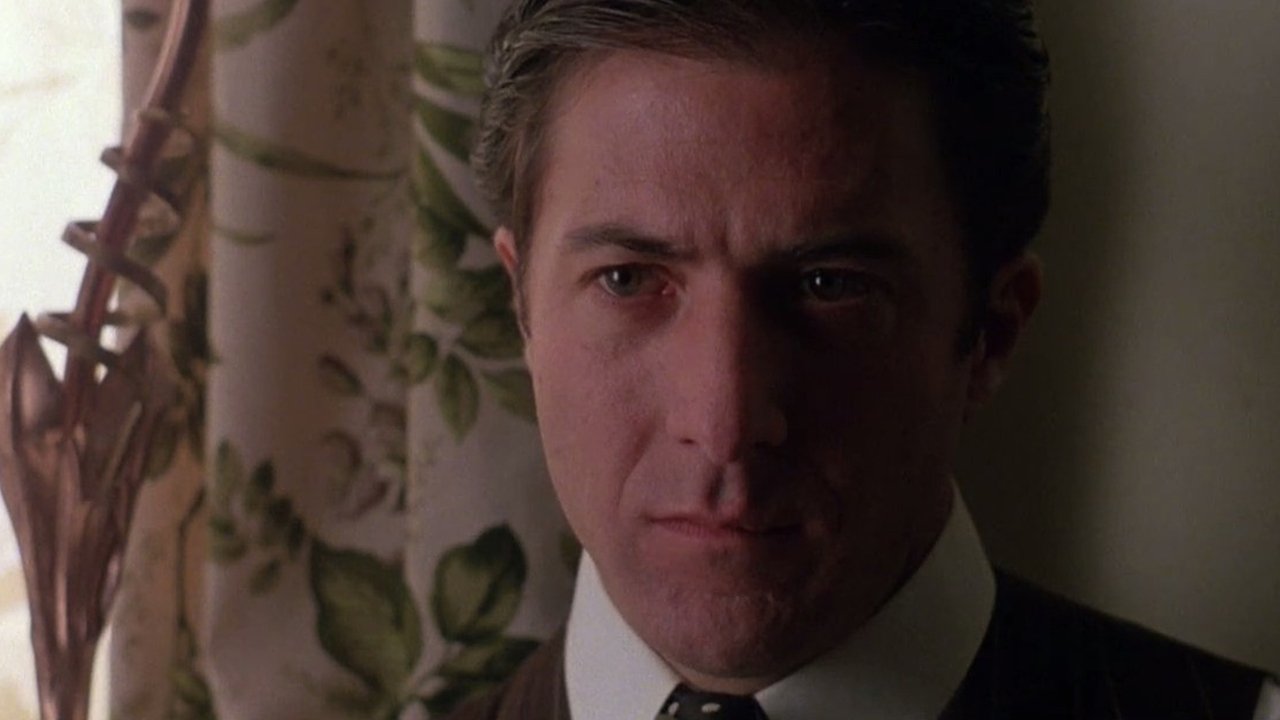
The film picks up as Agatha Christie (Vanessa Redgrave), reeling from her husband Archie’s (Timothy Dalton) demand for a divorce so he can marry his mistress, disappears. Her car is found abandoned, sparking a nationwide search. The film posits that she secretly checked into the grand Hydro hotel in the spa town of Harrogate under the assumed name of her husband's lover. It's here that the narrative introduces Wally Stanton (Dustin Hoffman), a fictional American journalist hot on the trail of the story, who pieces together her identity and finds himself drawn into her melancholic orbit.
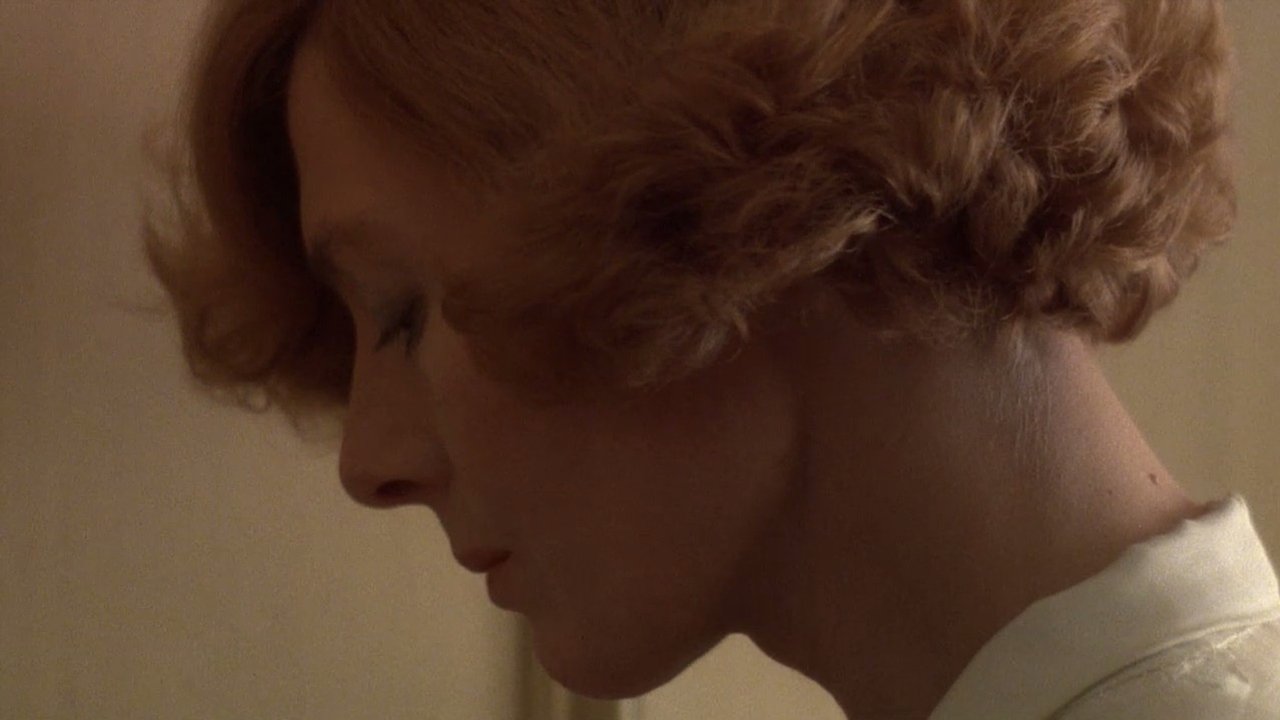
What immediately strikes you, watching Agatha again after all these years, is its stunning visual texture. This is largely thanks to the legendary cinematographer Vittorio Storaro, fresh off Apocalypse Now (talk about range!). He bathes Harrogate and the Hydro hotel in a soft, almost ethereal light, full of mist, steam, and muted colours. It perfectly captures the atmosphere of a slightly faded, upper-crust health spa in the 1920s, but also reflects the internal fog of Christie’s own emotional state. Every frame feels deliberately composed, enhancing the film’s mood of quiet desperation and unspoken feelings. Apted, who would later give us richly observed films like Coal Miner's Daughter and continue his landmark Up documentary series, directs with a sensitive, patient hand, letting the atmosphere and performances breathe.
Worlds Within Worlds: Performance as Revelation
Vanessa Redgrave is simply luminous as Agatha. She doesn't attempt a caricature of the famous author; instead, she embodies a woman brittle with hurt, intelligent yet deeply vulnerable, retreating into a self-constructed world as a defence mechanism. There’s a profound sadness in her eyes, a weariness that feels utterly authentic. You see the keen observer, the mind capable of crafting intricate plots, now struggling to navigate the raw pain of personal betrayal. It's a performance of subtle gestures and contained emotion, utterly captivating.
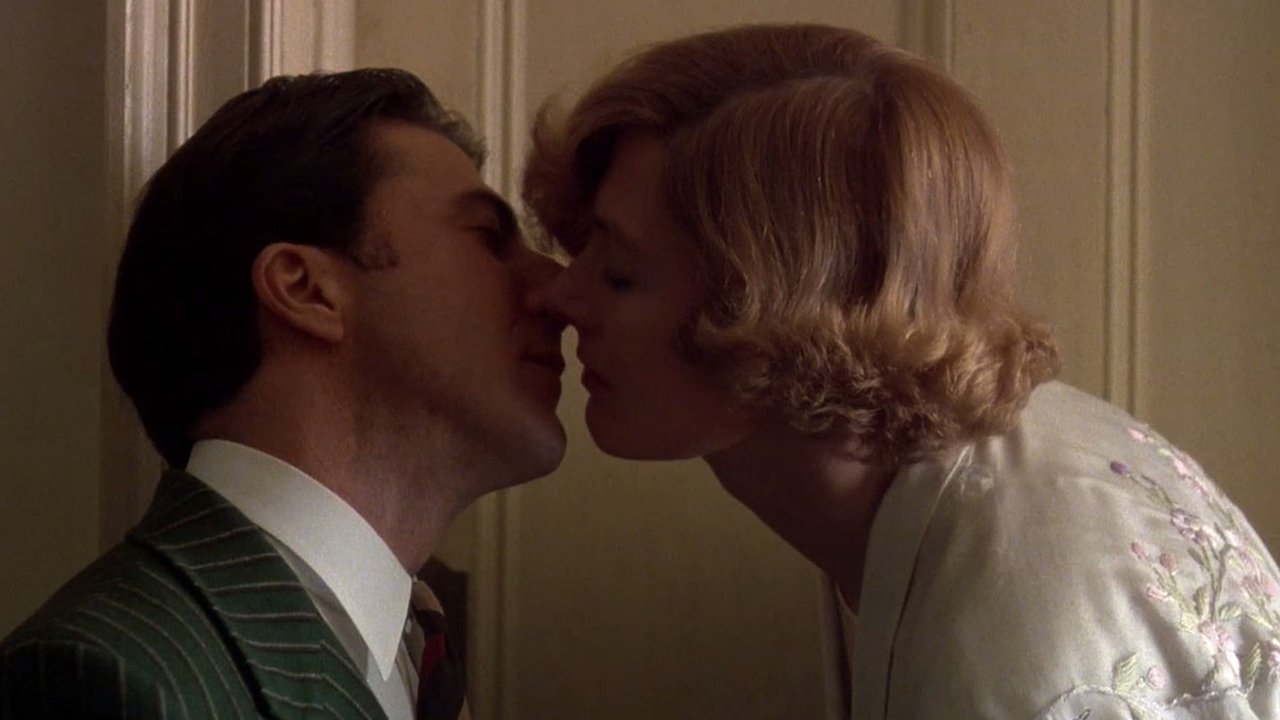
Opposite her, Dustin Hoffman as Wally Stanton is… interesting. His character was significantly expanded from Kathleen Tynan’s original story, reportedly at Hoffman’s insistence after he signed on. This became a point of some contention during production, with Hoffman apparently unhappy with the script's development and feeling his character remained underdeveloped despite the increased screen time. You can sometimes feel that slight disconnect on screen; Stanton feels less like an organic part of Christie's world and more like an observer inserted into it. Hoffman brings his usual intensity and charisma, but the tentative romance that blossoms between Wally and Agatha feels somewhat tentative narratively, too. Does it detract significantly? Not entirely, as Hoffman is always watchable, but it does contribute to a sense that the film is pulling in slightly different directions – a character study of Agatha, and a more conventional mystery/romance plot involving the journalist. And Timothy Dalton, pre-Bond, is perfectly cast as the aloof, casually cruel Archie, embodying the catalyst for Agatha's crisis with chilly precision.
The Weight of Speculation
The film's central conceit – imagining why Christie disappeared and what she might have done – inevitably courted controversy, particularly from the Christie estate, who were unhappy with this fictional intrusion into her life. Yet, Agatha handles its speculation with a certain grace. It doesn't offer a sensationalist or outlandish theory. Instead, it uses the disappearance as a framework to explore themes of identity, heartbreak, and the complex relationship between a creator and her creations. Could the master plotter have been contemplating a dark plot of her own? The film hints at possibilities without definitively answering, leaving much to the viewer’s imagination.
Rewatching it now, knowing some of the production backstory – like the script tensions and Hoffman's reported dissatisfaction – adds another layer. The film reportedly cost around $7 million and took in a modest $10 million or so in North America, meaning it wasn't a blockbuster but found its audience, particularly later on home video. It feels like a film born from a fascinating 'what if?', crafted with care and elegance, even if the narrative gears grind occasionally due to the meshing of the factual mystery and the fictional romance. Filmed partly in Harrogate itself, where Christie was eventually found, adds a layer of authenticity to its speculative heart.
Final Thoughts: A Haunting Portrait
Agatha isn't a traditional mystery, nor is it a straightforward biopic. It occupies a unique space, offering a melancholic, atmospheric, and beautifully shot exploration of a potential emotional landscape behind a real-life enigma. The visuals are exquisite, and Redgrave's performance is a masterclass in understated depth. While the Hoffman subplot feels somewhat grafted on, it doesn’t entirely derail the film's contemplative power. It remains a fascinating curio from the late 70s, a reminder of a time when studios occasionally took chances on quieter, character-driven dramas based on intriguing historical footnotes. It’s the kind of film you might have rented on a rainy Tuesday night, expecting one thing and discovering something far more thoughtful and resonant.
Rating: 7/10
Justification: Elevated by Vanessa Redgrave's superb performance and Vittorio Storaro's gorgeous cinematography, Agatha successfully creates a haunting atmosphere and explores its speculative premise with sensitivity. However, the slight narrative unevenness, particularly concerning the development and integration of Dustin Hoffman's character, prevents it from reaching true greatness.
VHS Heaven Send-Off: More mood piece than mystery, Agatha lingers like the scent of rain on tweed – a beautifully crafted, slightly sorrowful 'what if?' that respects its subject even as it fictionalizes her.