The Adventures of Sherlock Holmes and Dr. Watson: Hunting the Tiger
Okay, fellow travelers through time and tape, let's dim the lights and settle in. Forget the high-octane blockbusters for a moment. Tonight, we're digging into something different, something unexpectedly brilliant that emerged not from Hollywood, but from behind the Iron Curtain during the chilliest days of the Cold War. Imagine stumbling upon a VHS tape, perhaps a slightly fuzzy bootleg passed between enthusiasts back in the day, promising Sherlock Holmes, but... Soviet? That initial curiosity blossoms into profound respect when you encounter Vasiliy Livanov and Vitaliy Solomin in director Igor Maslennikov's remarkable series. We're zeroing in on a specific, darker chapter from 1980: The Adventures of Sherlock Holmes and Dr. Watson: Hunting the Tiger (Приключения Шерлока Холмса и доктора Ватсона: Охота на тигра).
### Beyond Baker Street: A Familiar Fog in Unexpected Lands
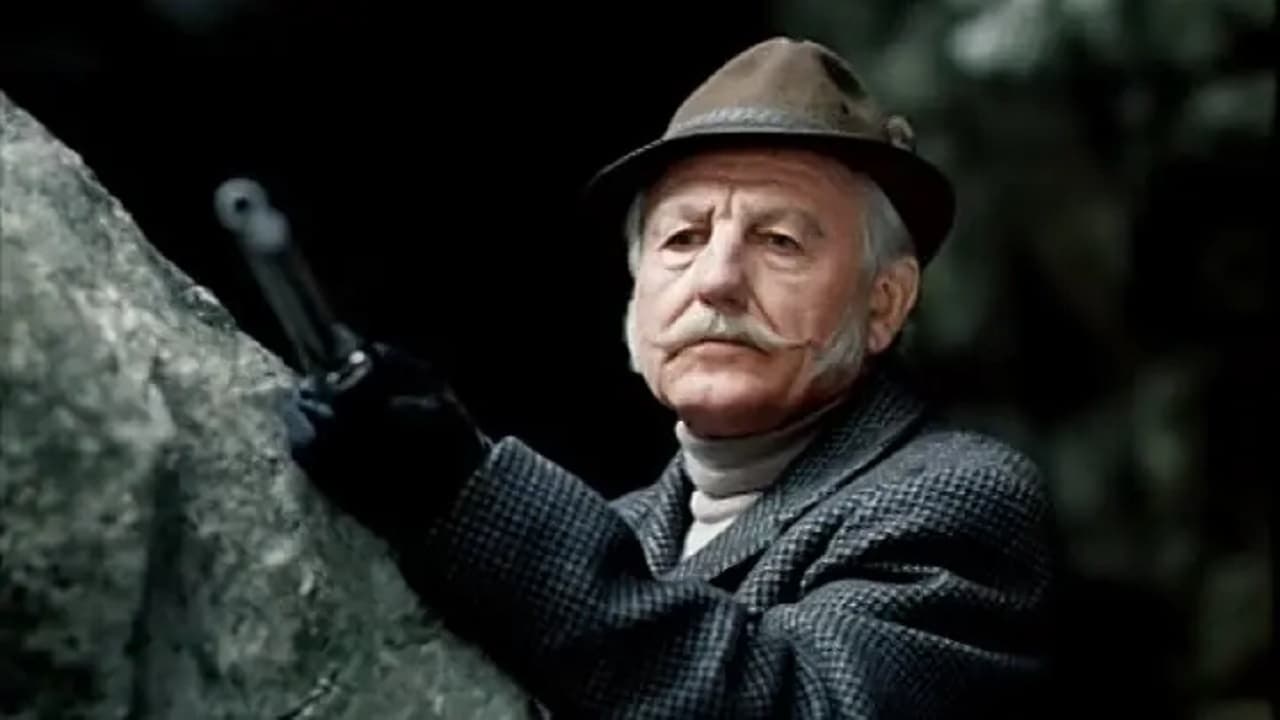
This isn't a standalone feature but the gripping second part of the series' second television film, adapting Sir Arthur Conan Doyle's rather bleak tale, "The Adventure of Charles Augustus Milverton." Forget the usual puzzle-box mystery; this entry plunges Holmes and Watson into murkier ethical waters. The "Tiger" of the title isn't a literal beast, but Milverton, the self-proclaimed "king of blackmailers," a truly repulsive antagonist who preys on the secrets of London's elite. What immediately strikes you, even on a worn-out tape viewed through the comforting cathode-ray glow, is the astonishing fidelity to the source material's atmosphere. Maslennikov, working within the constraints of Soviet television production, achieved something remarkable. How did they conjure such a convincing Victorian London? Largely through the evocative, gothic architecture of cities like Riga, Latvia, and Leningrad (now St. Petersburg). These locations, combined with masterful cinematography that leans into shadows and fog, create a Baker Street milieu that feels startlingly authentic. You can almost smell the coal smoke and damp cobblestones.
### The Definitive Duo?
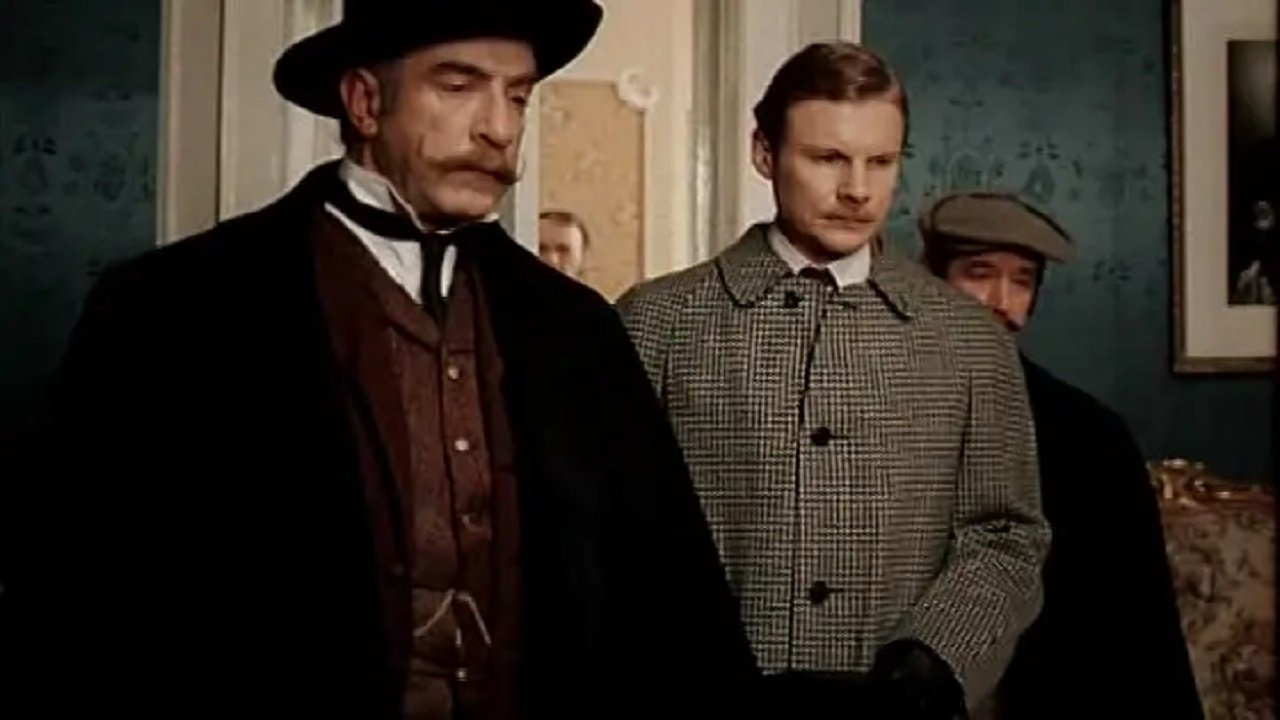
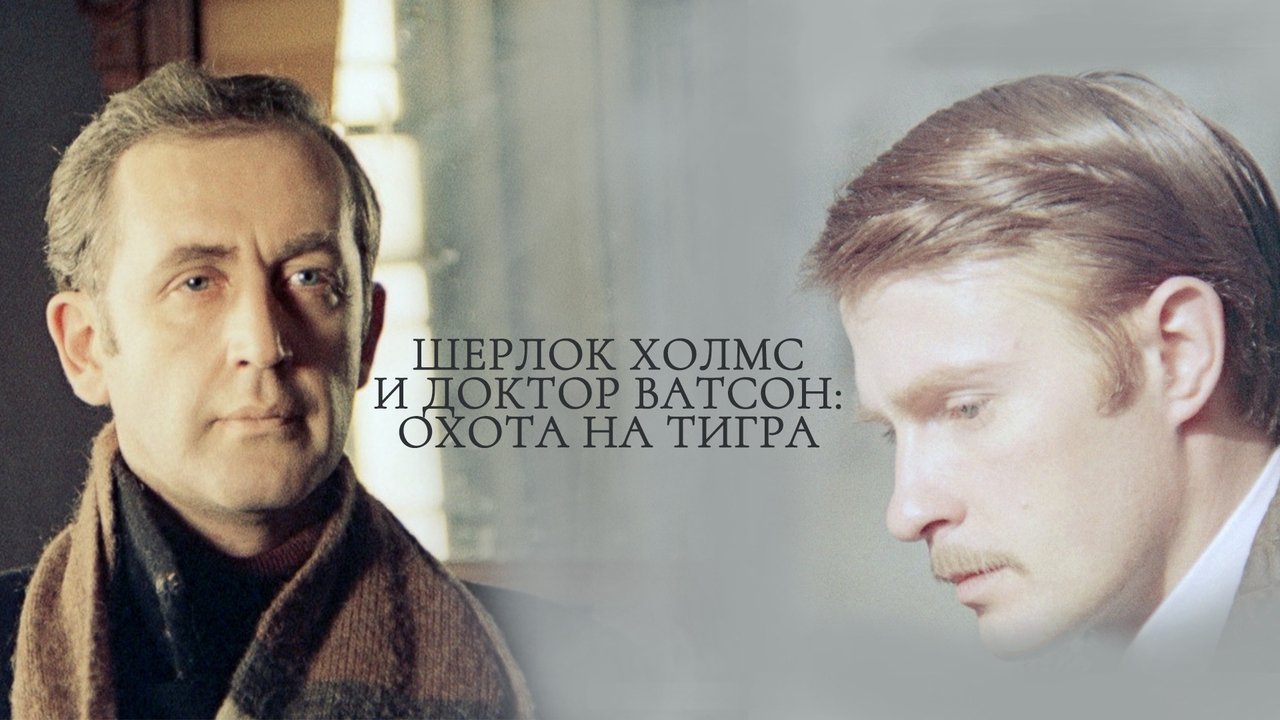
Central to this film's enduring power, and indeed the entire series, are the performances of Vasiliy Livanov as Holmes and Vitaliy Solomin as Watson. Forget any preconceptions you might have. Livanov is Sherlock Holmes. Tall, lean, with that aquiline profile and piercing gaze, he embodies the detective's fierce intellect and occasional eccentricities. But it's his voice – a distinctive, gravelly rasp reportedly deepened by a heavy smoking habit or perhaps a severe cold during voice work – that truly seals the deal. It commands attention, conveying both sharp intellect and weary worldliness. It’s said that even Margaret Thatcher, upon seeing the series, remarked that Livanov looked precisely like Holmes. The ultimate validation? In 2006, Livanov was appointed an Honorary Member of the Order of the British Empire (MBE) by Queen Elizabeth II herself for his portrayal – an incredible acknowledgment bridging cultural divides.
Equally brilliant is Vitaliy Solomin's Dr. Watson. This is no bumbling foil. Solomin presents a Watson who is intelligent, capable, deeply loyal, and possesses a moral compass that often serves as Holmes's anchor. Their chemistry is palpable; they feel like genuine friends who have shared countless adventures and quiet evenings by the fire. You see the mutual respect, the easy camaraderie, the occasional exasperation. It’s a partnership that feels lived-in and utterly believable, arguably one of the finest pairings in the history of Holmes adaptations. Alongside them, Rina Zelyonaya provides warmth and wit as the archetypal, yet uniquely charming, Mrs. Hudson.
### When Justice Wears Darker Shades
Hunting the Tiger stands out because it forces Holmes to confront a villain impervious to conventional justice. Milverton operates within the letter of the law, making him untouchable. The dilemma? Protecting a noble client requires methods far outside Holmes’s usual playbook. The film doesn't shy away from the moral ambiguity as Holmes and Watson contemplate burglary, disguise, and even witness a fatal confrontation. What makes this adaptation compelling is how it navigates Holmes's decision. Livanov portrays the internal conflict, the weight of stepping outside the bounds of legality for a greater perceived good. It prompts the viewer to ask: When faced with pure malevolence shielded by societal structures, where does the line of justice truly lie? Does the end ever justify such means? The tension here isn't just about catching a criminal; it's about the potential corruption of the hero himself.
### More Than Just a Copy: Soviet Sensibility
It's fascinating to consider this production's context. Created for a Soviet audience, it presented a classic British character with deep respect, focusing on intellect, loyalty, and the fight against corruption (personified by Milverton). Perhaps the character of Holmes, the brilliant outsider operating with his own code, resonated universally. The series was immensely popular in the USSR, becoming a cultural touchstone. Finding reliable budget figures for Soviet TV films is tricky, but it's clear Igor Maslennikov and his team stretched every ruble to achieve high production values, focusing on performance, atmosphere, and faithfulness to Doyle's text over elaborate effects. The score, often haunting and melancholic, perfectly complements the visuals, enhancing the sense of Victorian London's grandeur and gloom.
Rating: 9/10
This score reflects the sheer quality and impact of this specific entry and the series it belongs to. The performances by Livanov and Solomin are near-definitive, elevating the material beyond mere adaptation. The atmospheric direction, surprising fidelity achieved under challenging circumstances, and the willingness to tackle the darker moral complexities of Doyle's story make this essential viewing. It might lack the slickness of later Western productions, but its heart, intelligence, and masterful character work are undeniable. It loses a single point perhaps only because viewing it requires appreciating it as part of a larger series, rather than a completely standalone piece.
For anyone exploring the vast world of Sherlock Holmes on screen, skipping Maslennikov's Soviet interpretation means missing one of the most respectful, atmospheric, and brilliantly acted portrayals ever committed to film. It’s a potent reminder that great storytelling knows no borders, a true gem unearthed from the video archives that continues to fascinate and impress decades later. What lingers most is the profound humanity Livanov and Solomin brought to these iconic roles, making their Baker Street feel like home, wherever it was filmed.