The Adventures of Sherlock Holmes and Dr. Watson: The Hound of the Baskervilles
It's a rather remarkable thing, isn't it? To think that arguably one of the most faithful, atmospheric, and brilliantly acted portrayals of Sherlock Holmes came not from foggy London studios, but from the Soviet Union during the height of the Cold War. It’s even said that Arthur Conan Doyle’s own daughter, Dame Jean Conan Doyle, considered Vasily Livanov the finest screen Holmes she had witnessed. Watching Igor Maslennikov’s 1981 television adaptation of The Hound of the Baskervilles, part of the beloved Russian series The Adventures of Sherlock Holmes and Dr. Watson, you begin to understand why. This isn't just a curio; it's a masterful piece of detective storytelling that feels both timeless and distinctly of its era.
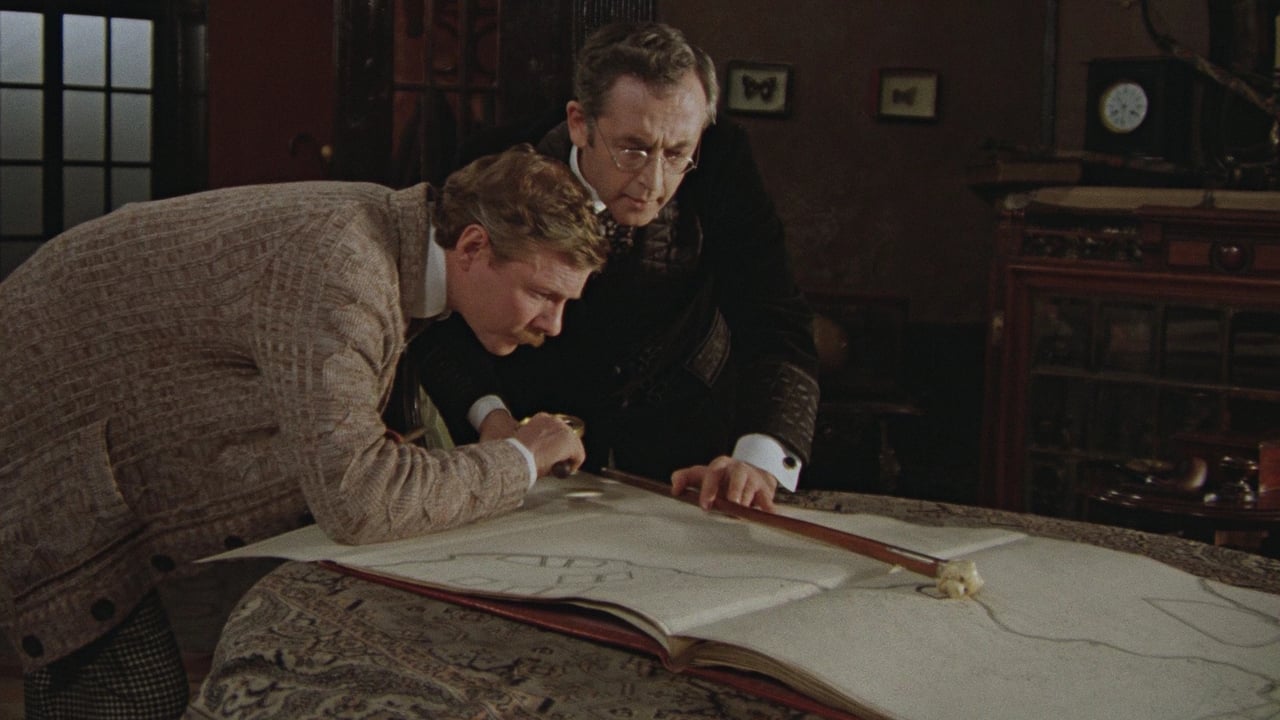
Across the Iron Curtain to Dartmoor
For many of us glued to flickering CRT screens in the 80s, Holmes often meant Basil Rathbone's wartime adventures or, later, Jeremy Brett's definitive ITV series. Discovering the Soviet interpretation, often through late-night TV broadcasts or perhaps a copied tape passed between enthusiasts, felt like uncovering a secret history. Director Igor Maslennikov, working with writers Viktor Aristov and Yuri Veksler (adapting Doyle, naturally), didn't seek to reinvent the wheel. Instead, they focused on capturing the essence of Conan Doyle’s work – the creeping dread, the methodical investigation, and crucially, the intricate relationship between Holmes and Watson.
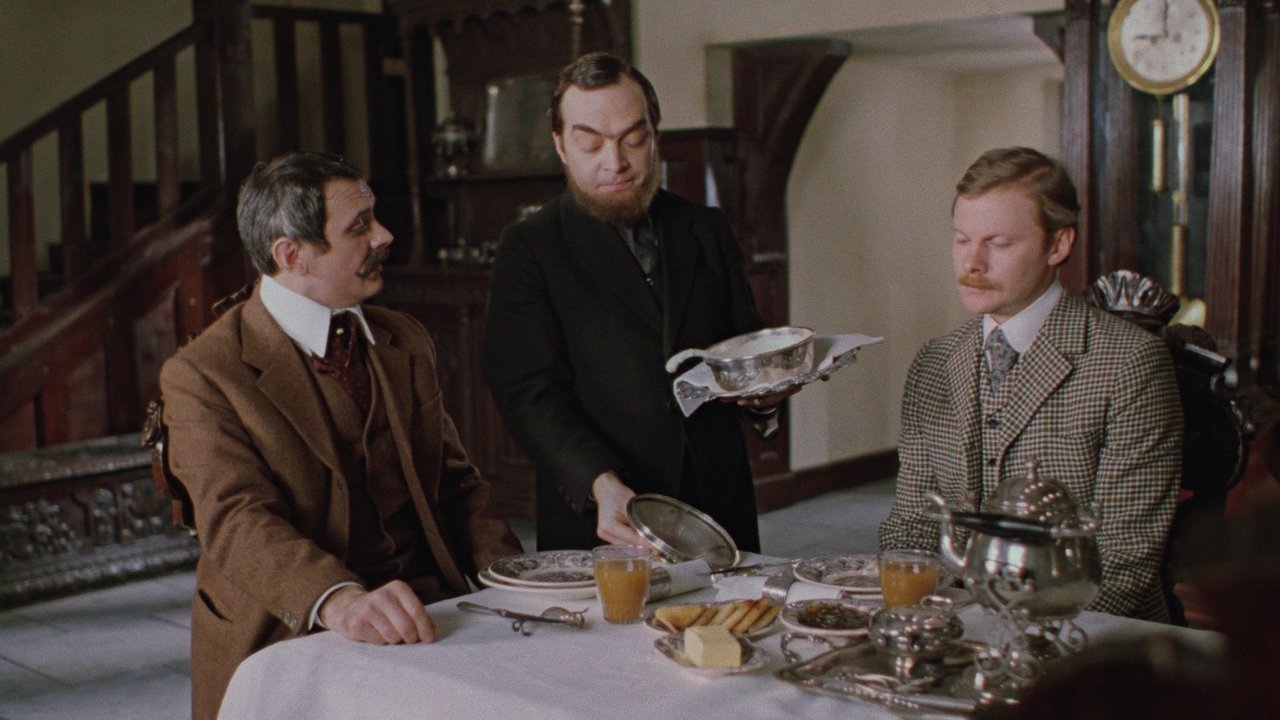
This two-part television film plunges us headfirst into the gothic gloom of Dartmoor. The story is familiar: Sir Henry Baskerville arrives to claim his ancestral estate, haunted by the legend of a demonic hound that dispatched his predecessor. Holmes, initially dismissive, sends the ever-reliable Dr. Watson ahead to investigate the eerie moor, the strange locals, and the palpable sense of ancient menace. The production, largely filmed on location in Estonia, expertly evokes the desolate beauty and hidden dangers of the moors. The mists feel genuinely chilling, the shadows long and threatening – a testament to thoughtful cinematography and art direction that transcends its television budget.
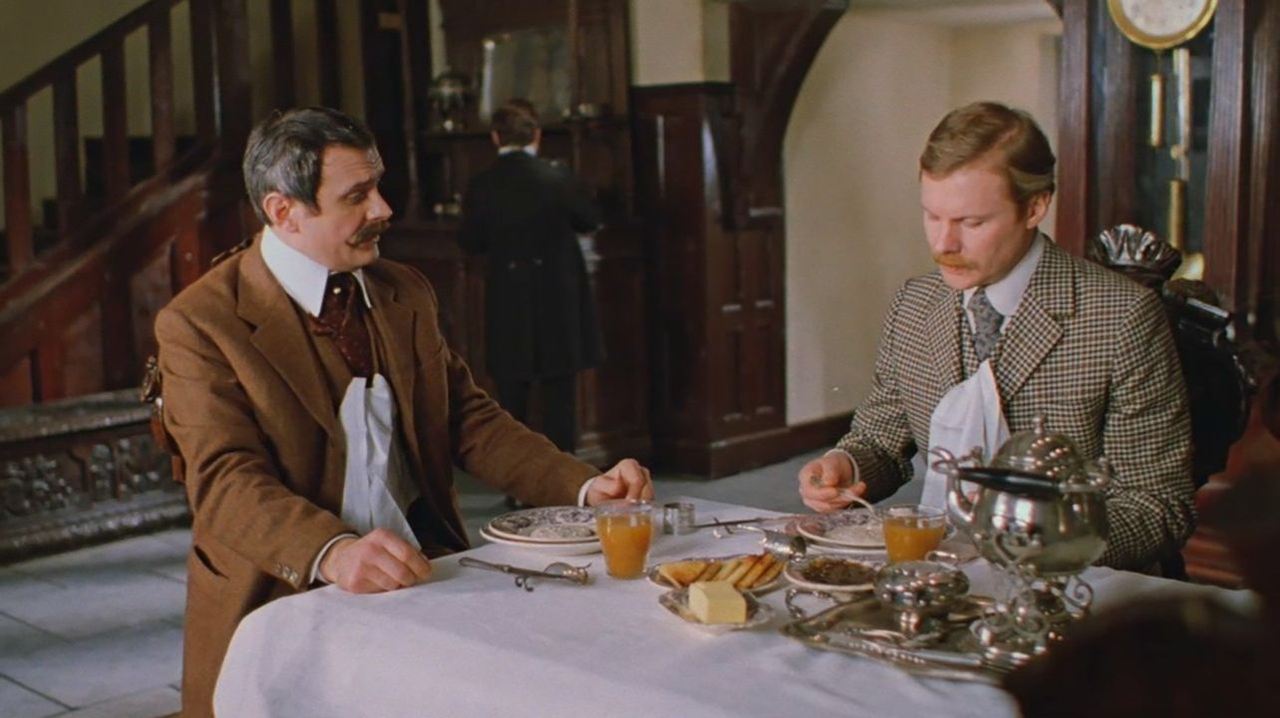
A Definitive Duo
What truly elevates this adaptation is the casting. Vasily Livanov is Sherlock Holmes. He possesses the keen intellect, the hawk-like profile, and that spark of eccentric genius we expect. But there’s more: a subtle warmth, a hint of melancholy beneath the sharp deductions. Livanov’s distinctive raspy voice – reportedly the result of losing his voice during the filming of an earlier, unrelated outdoor winter scene and continuing regardless – became an iconic element of his portrayal, adding a unique layer of character. It’s a performance devoid of caricature, grounded in intense observation and quiet authority.
Equally brilliant is Vitaly Solomin as Dr. Watson. This is no bumbling sidekick. Solomin's Watson is intelligent, brave, observant in his own right, and utterly devoted to Holmes. He is our anchor in the strange events on the moor, his perspective shaping our understanding. The chemistry between Livanov and Solomin is the heart of the entire series (which spanned 11 episodes across 5 film installments from 1979 to 1986). Their interactions feel lived-in, capturing the deep respect and unspoken understanding between these two iconic characters. It’s a partnership that feels utterly authentic. And we can't forget the comforting presence of Rina Zelyonaya as Mrs. Hudson, adding brief but essential moments of domestic warmth.
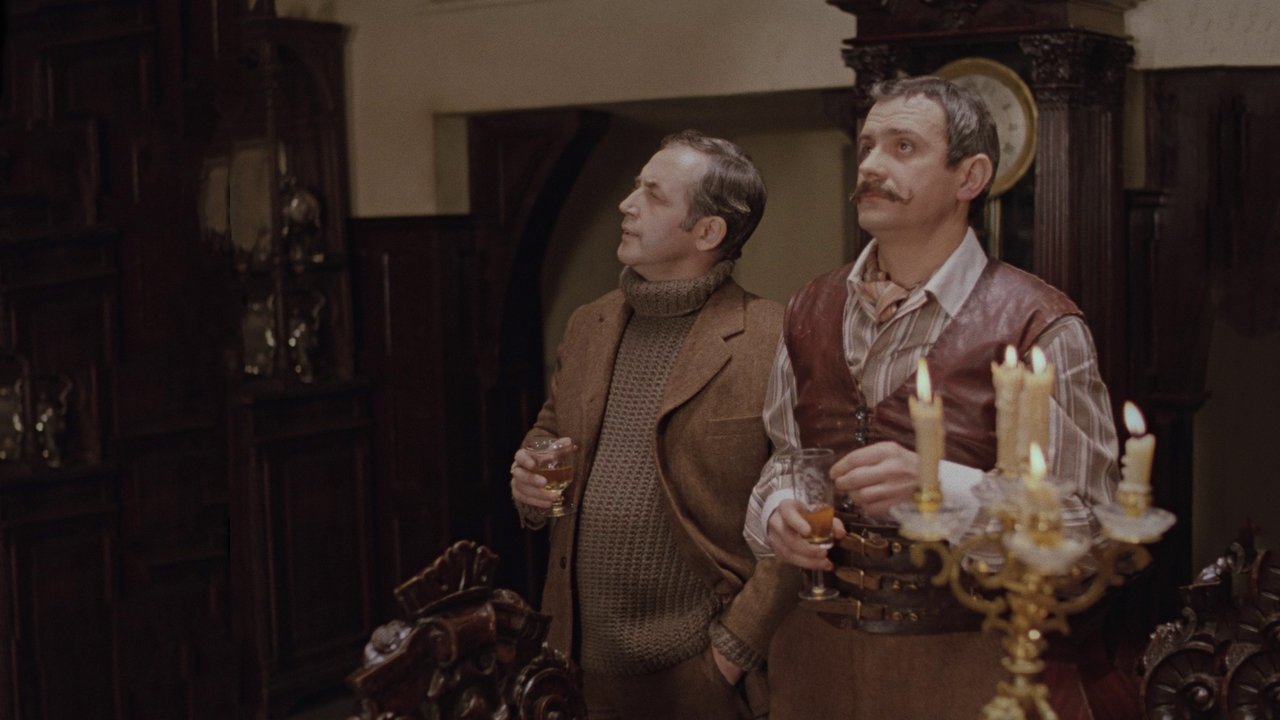
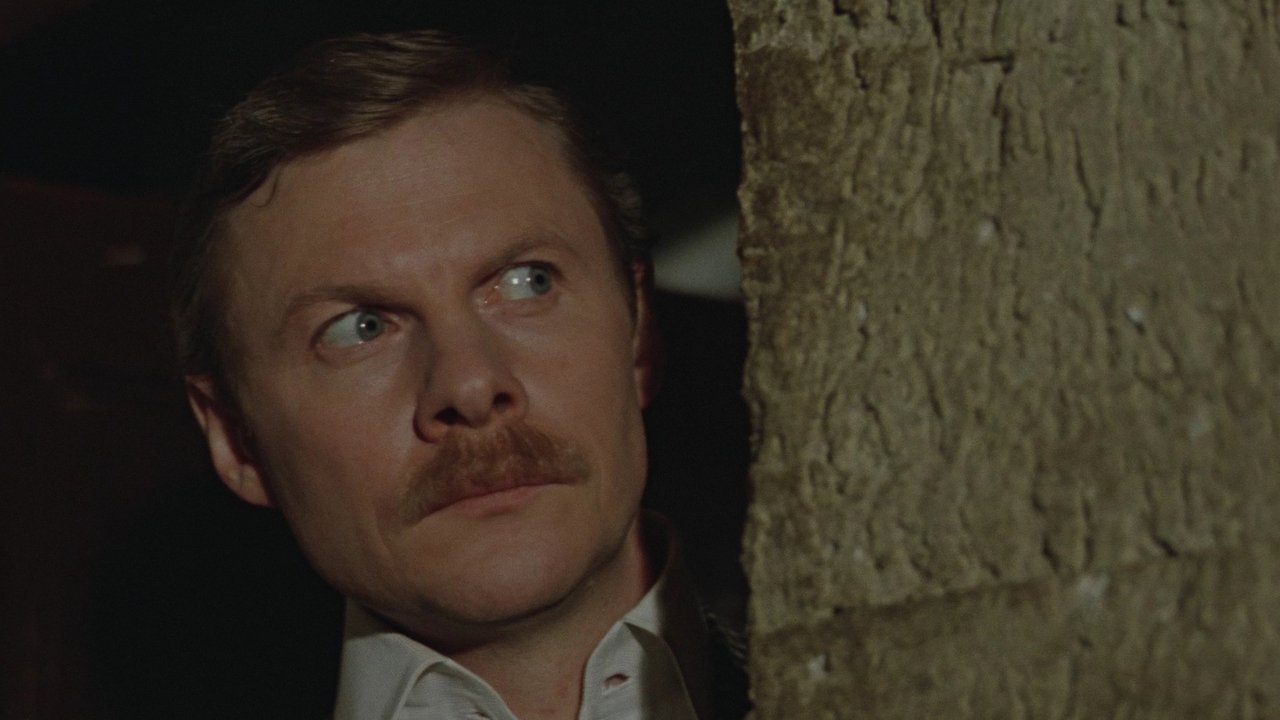
Craftsmanship and Legacy
While undeniably a product of its time – the pacing is measured, the effects practical – the film holds up remarkably well. Maslennikov’s direction is confident and unfussy, allowing the story and performances to breathe. The score effectively underscores the mystery and mounting tension. There's a palpable respect for the source material here; deviations are minor and serve the narrative. This faithfulness was a hallmark of the entire Soviet series, which became phenomenally popular across the Eastern Bloc, cementing Livanov and Solomin as the Holmes and Watson for generations.
It feels almost like a delightful historical irony that Vasily Livanov was later appointed an Honorary Member of the Order of the British Empire (MBE) in 2006 for his portrayal of this quintessentially British character – a rare honour indeed, particularly for an actor from the former Soviet Union. It speaks volumes about the universal appeal and perceived authenticity of his performance.
Final Thoughts: A Treasure Rediscovered
Watching The Hound of the Baskervilles today evokes a specific kind of nostalgia – not necessarily for renting this specific tape (it wasn't exactly lining the shelves at Blockbuster), but for the joy of discovering a meticulously crafted adaptation, a reminder of when television films could possess real cinematic ambition. It’s a Holmes that feels both classic and somehow revelatory. Does it feel '80s'? In its deliberate pacing and practical approach, perhaps. But its power lies in its timeless storytelling and unforgettable lead performances.
Rating: 9/10
This score reflects the sheer quality of the adaptation, particularly the casting of Livanov and Solomin, whose portrayals stand among the very best. The atmospheric direction, faithfulness to Doyle, and surprising production value (given its origins) create a truly compelling version of the classic tale. It loses a single point perhaps only for the slightly slower TV pacing common to the era, which might test the most impatient modern viewers, but for Holmes purists and lovers of atmospheric mysteries, it's practically perfect.
It remains a testament to the enduring power of Conan Doyle's creation that it could inspire such a masterful interpretation from such an unexpected place, a chilling and intelligent mystery that still sends shivers down the spine. What a find it was, and still is.