Here's a review draft for "The Big Red One" (1980):
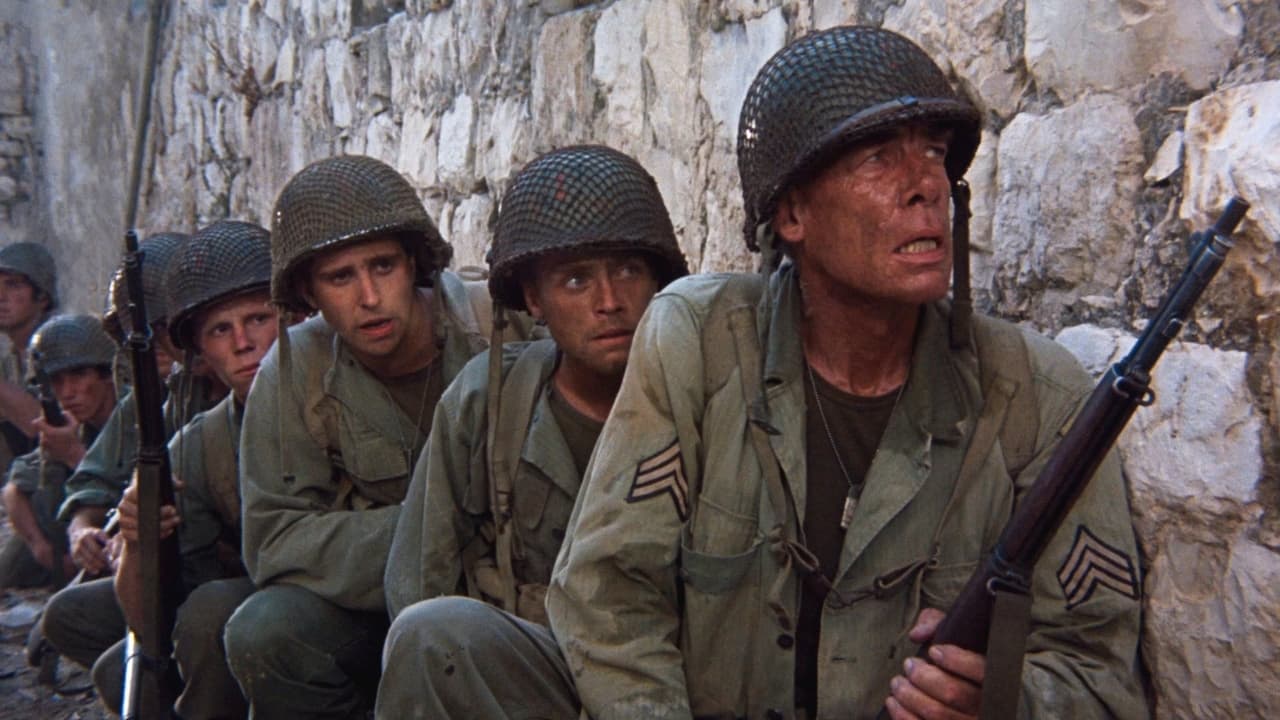
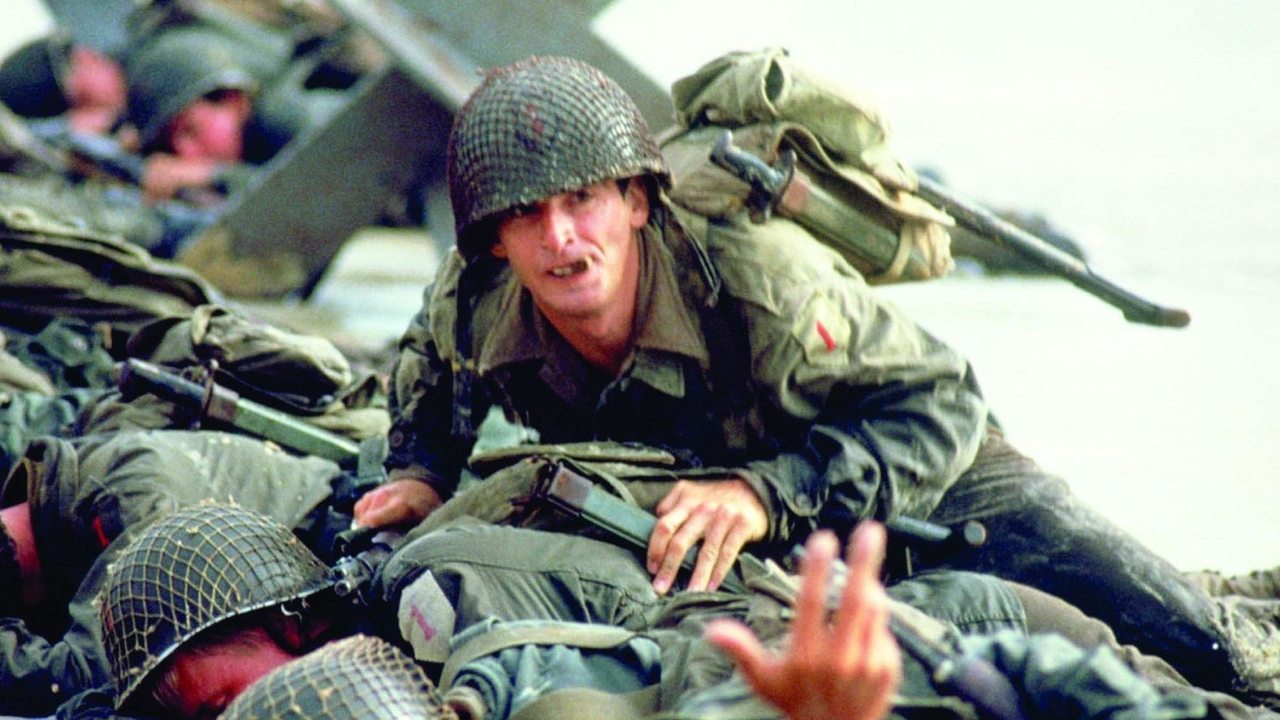
Some directors make war films. Samuel Fuller, cigar perpetually clenched between his teeth, lived one, and then poured that visceral, fragmented reality onto the screen in The Big Red One. Watching it again, decades after first encountering its gritty honesty on a worn VHS tape, feels less like revisiting a movie and more like unearthing a time capsule filled not just with celluloid, but with the ghosts of real experience. This wasn't the flag-waving heroism often sold; this was about survival, pure and simple, amidst the grinding machinery of World War II.
### The Sergeant and His Sons
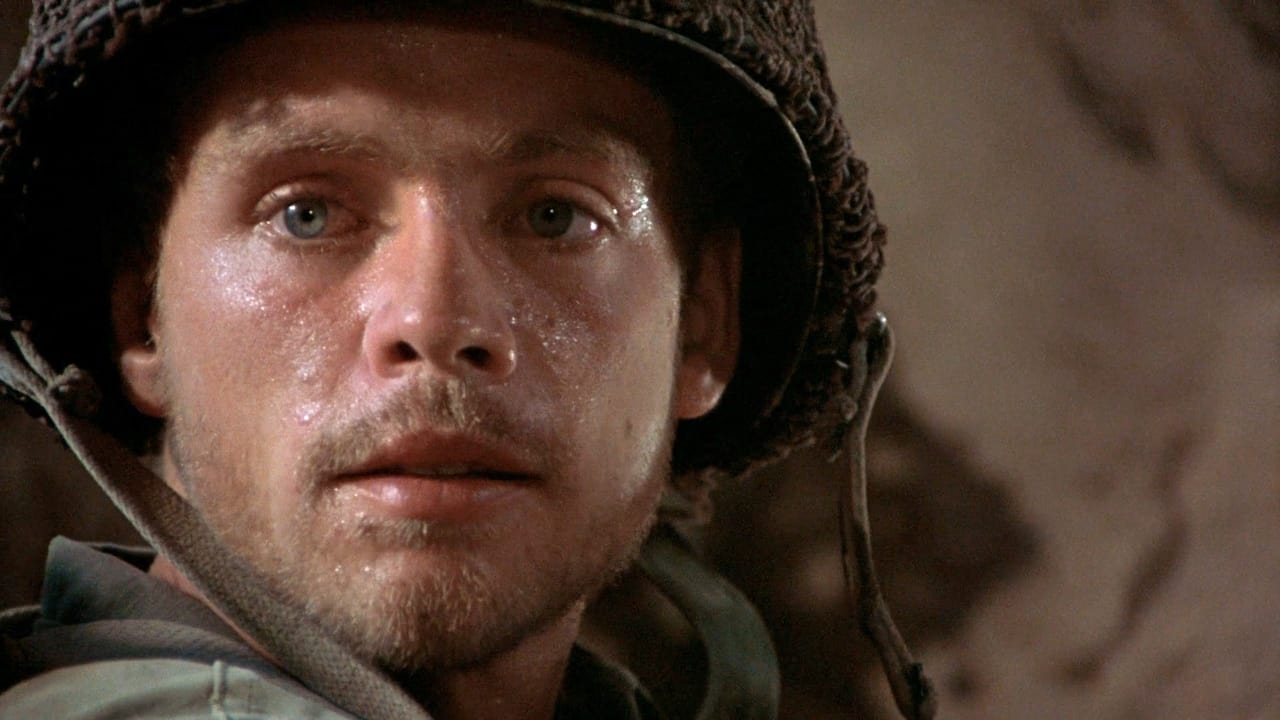
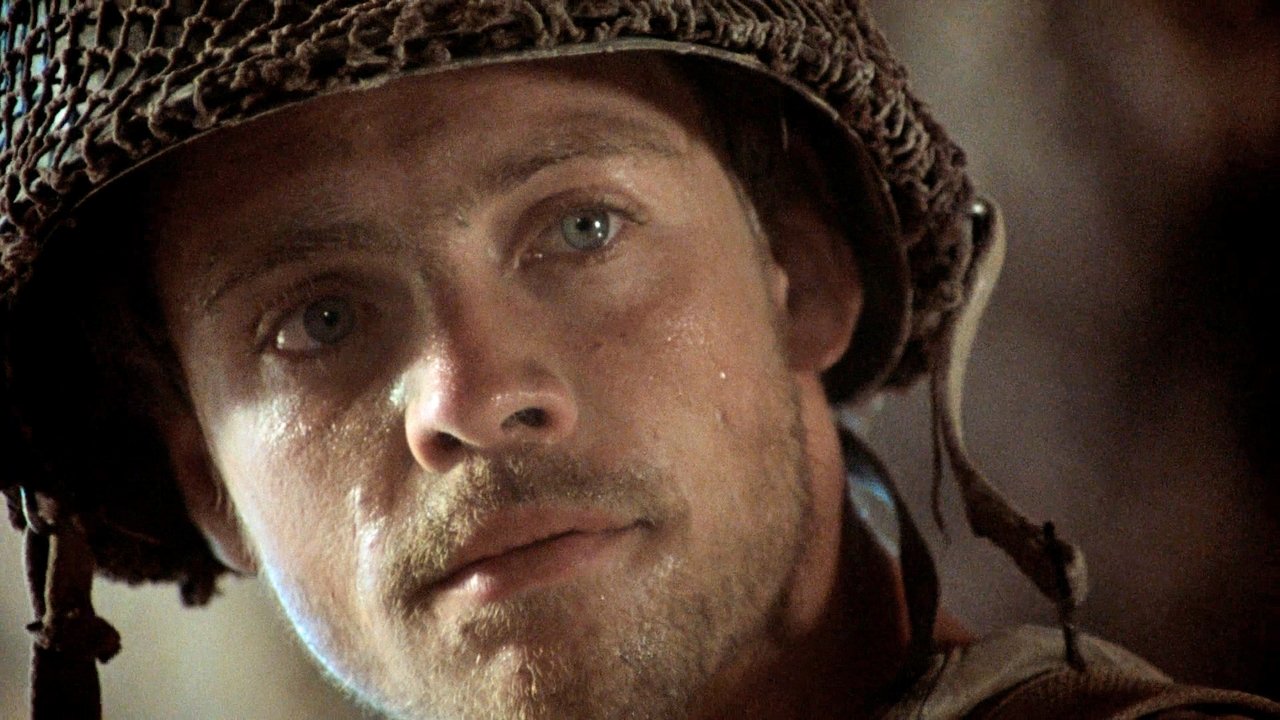
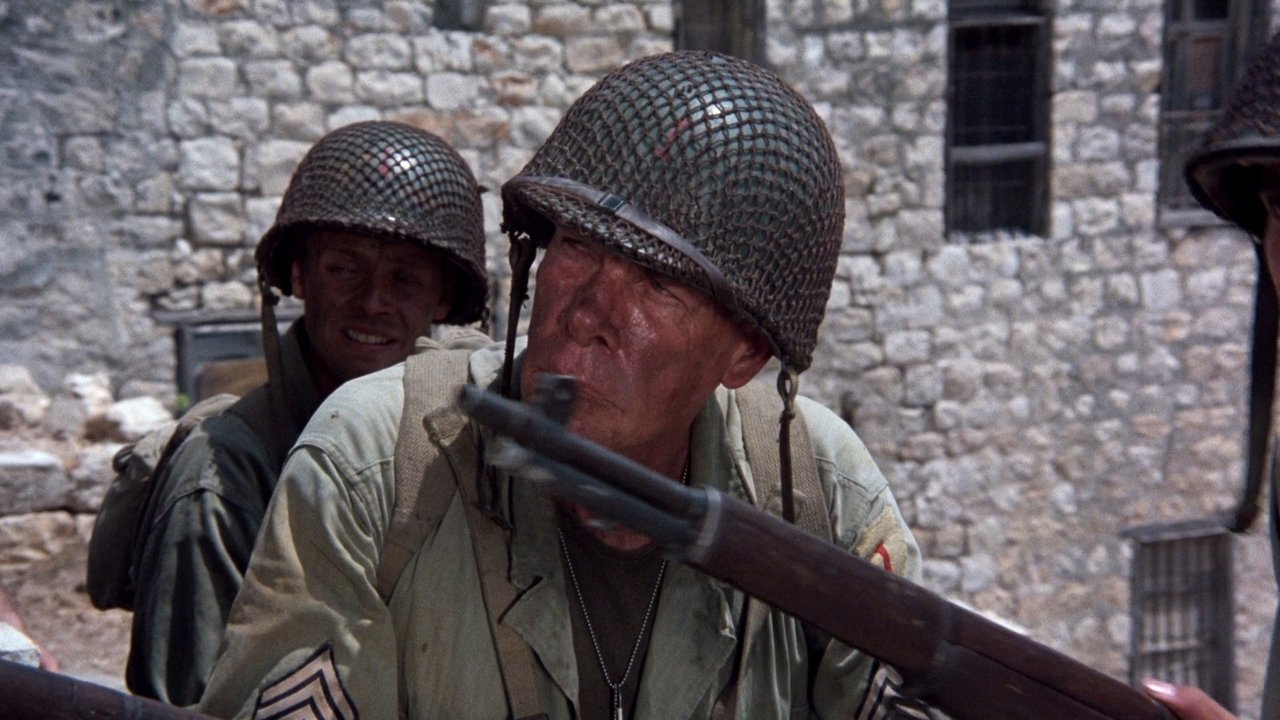
At the heart of the film is Sergeant Possum, played with world-weary perfection by Lee Marvin. Marvin, himself a decorated WWII veteran (Purple Heart recipient from the Battle of Saipan), doesn't just act the part; he inhabits it. His face is a roadmap of exhaustion, cynicism, and a deeply buried paternal instinct for the young riflemen under his command – Griff (Mark Hamill), Zab (Robert Carradine, Fuller's clear surrogate), Vinci (Bobby Di Cicco), and Johnson (Kelly Ward). These are his "four horsemen," pulled through the infernos of North Africa, Sicily, Omaha Beach, Belgium, and finally, Czechoslovakia. Fuller doesn't give us grand strategies or sweeping historical context; he keeps the camera low, focused on the immediate, the terrifying, the absurdly mundane moments that make up a soldier's existence.
I remember renting this back in the day, perhaps expecting something closer to the unambiguous heroism of other war pictures. Instead, The Big Red One offered something starker, more episodic. It unfolds like a series of brutal vignettes – a tense encounter in a Vichy French asylum, a harrowing childbirth inside a tank during battle, the chilling liberation of a concentration camp. Fuller, drawing directly from his own service with the 1st Infantry Division (the famed "Big Red One"), understood that war isn't a neat narrative arc; it's a chaotic sequence of surviving one impossible moment only to be thrust into the next.
### Fuller's War, Fuller's Cut
It's impossible to talk about The Big Red One without acknowledging its troubled production history. Fuller, known for his uncompromising vision on films like Pickup on South Street and Shock Corridor, battled studios for decades to get this personal epic made. Even then, the 1980 theatrical release was heavily cut by Lorimar Productions, trimming Fuller's sprawling vision down to under two hours. While that version certainly had power (it's the one most of us first saw on tape), it felt incomplete, sometimes disjointed.
Thankfully, film preservationist Richard Schickel oversaw a meticulous reconstruction in 2004, restoring over 40 minutes of footage based on Fuller's original script and notes. This "Reconstruction" is undeniably the definitive version, fleshing out characters, deepening themes, and restoring the film's intended rhythm and scope. Watching it feels like seeing the picture Fuller always intended – richer, more emotionally resonant, and even more impactful in its portrayal of war's dehumanizing grind. Interestingly, Fuller shot the film mostly in Israel and Ireland, locations needing to double for North Africa and various European battlefields, a testament to the logistical hurdles faced on its reported $14 million budget.
### Truth in Performance
Lee Marvin's performance remains monumental. His Sergeant is the anchor, the man who has seen too much but knows his only job is to keep his young charges alive. He delivers lines with a gravelly finality that speaks volumes. Post-Star Wars, Mark Hamill dives into a very different kind of conflict as Griff, capturing the journey from fresh-faced recruit to hardened survivor. And Robert Carradine, as the aspiring writer Zab, provides the observant core, channeling Fuller's own perspective. The chemistry between the core squad feels authentic; you believe their weary camaraderie, forged in the crucible of constant danger.
What lingers most is the film's refusal to glorify. Fuller shows acts of bravery, yes, but also moments of profound moral ambiguity, senseless death, and the sheer, soul-crushing fatigue of it all. The violence is often abrupt and unglamorous, reflecting the suddenness of death in combat. There's a chilling scene involving a German counterpart to Marvin's Sergeant near the end (Spoiler Alert!) that perfectly encapsulates the tragic futility and the shared humanity buried beneath opposing uniforms. It’s a moment that sticks with you long after the credits roll.
### Lasting Echoes
The Big Red One isn't always an easy watch. Its episodic nature, even in the restored cut, might not satisfy those looking for a conventional plot. But its power lies in its authenticity, its unflinching gaze into the abyss, guided by a man who was actually there. It’s a film that feels intensely personal, a director grappling with his own past and translating it into stark, unforgettable images. It stands as a unique entry in the war film genre, less about strategy and spectacle, more about the dirt, the fear, and the will to endure.
Rating: 9/10
(Justification: While the episodic structure might be challenging for some, the film's raw honesty, Samuel Fuller's unique directorial vision born from experience, Lee Marvin's towering performance, and the historical significance – especially considering the definitive 2004 reconstruction – make it a near-masterpiece of the war genre. Its unflinching portrayal of survival over heroism earns its high marks.)
Final Thought: More than just a war movie, The Big Red One feels like a precious, salvaged diary from the front lines – dusty, worn, but speaking truths that resonate across the decades.