It’s a peculiar kind of thrill, isn’t it? Discovering that a ripping yarn, the sort that seems perfectly crafted for Hollywood spectacle, actually happened. That’s the immediate hook with The Sea Wolves, a film whose premise – retired British expatriates carrying out a top-secret sabotage mission during WWII – feels almost too audacious to be true. Yet, rooted in the real-life Operation Creek, the 1943 raid on German ships in neutral Goa, the film offers more than just Boys' Own adventure; it provides a surprisingly thoughtful look at duty, aging, and the unexpected corners where heroism can bloom.
### Old Soldiers, New Tricks
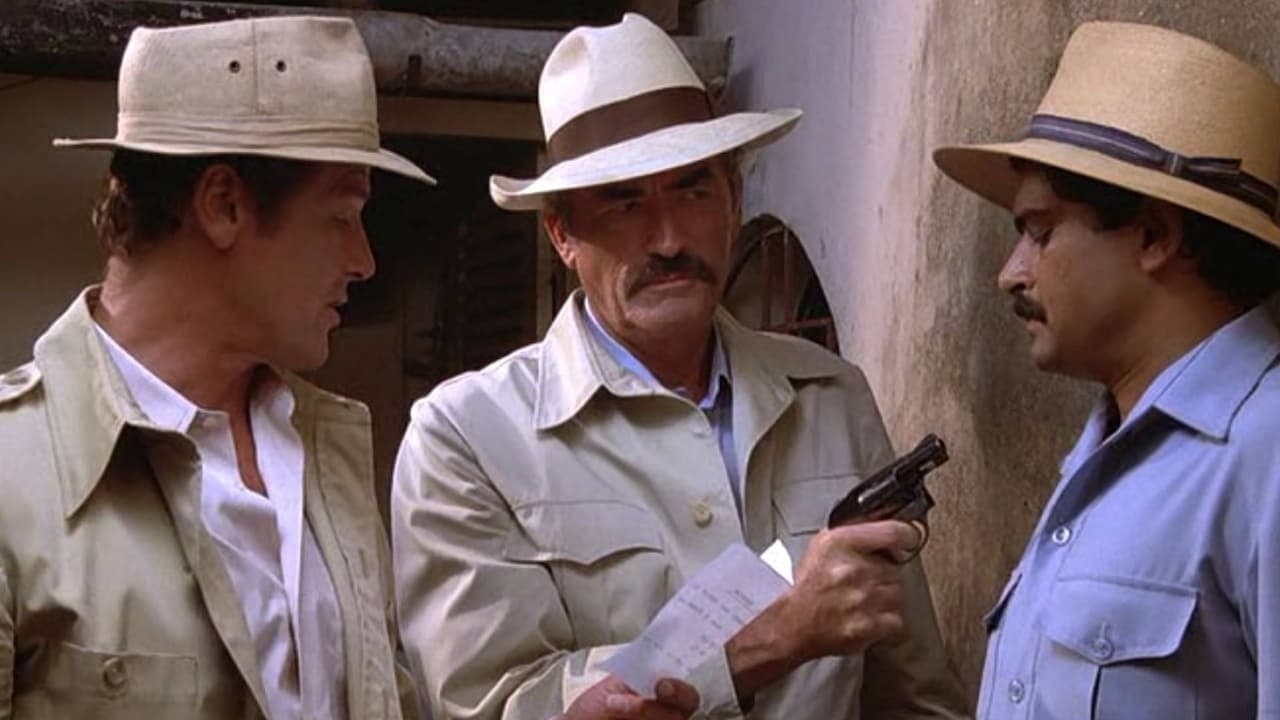
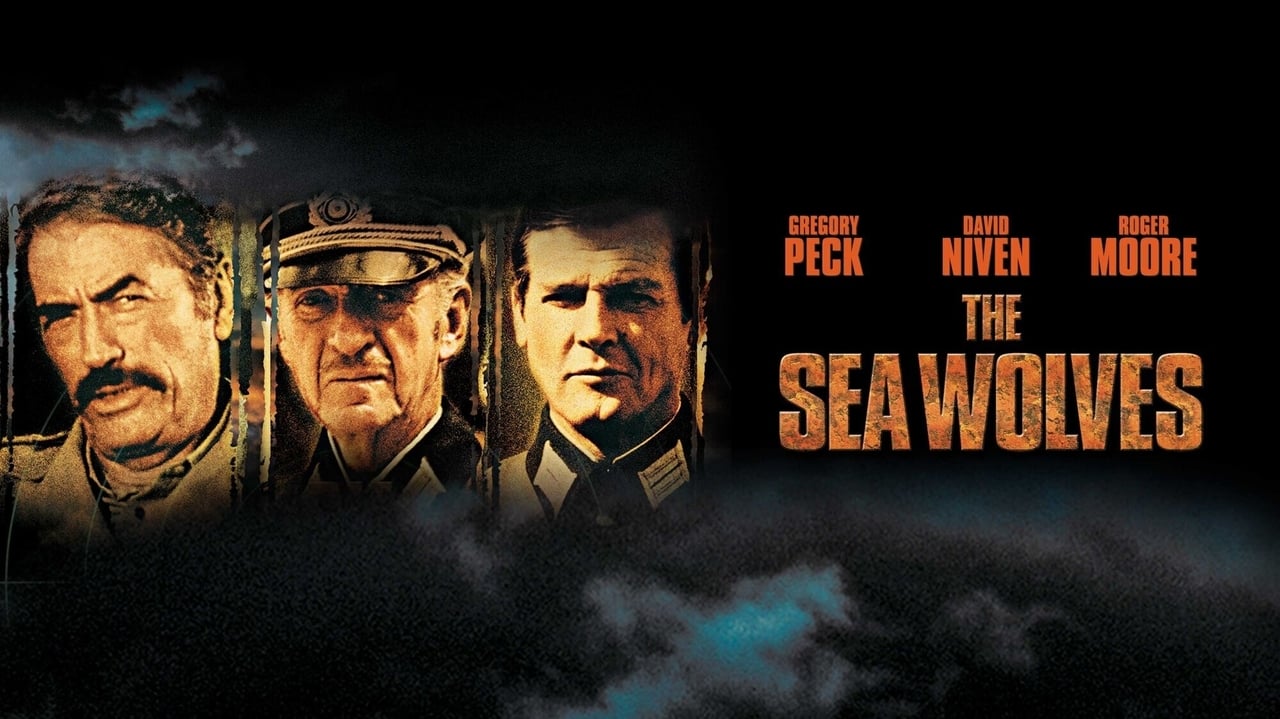
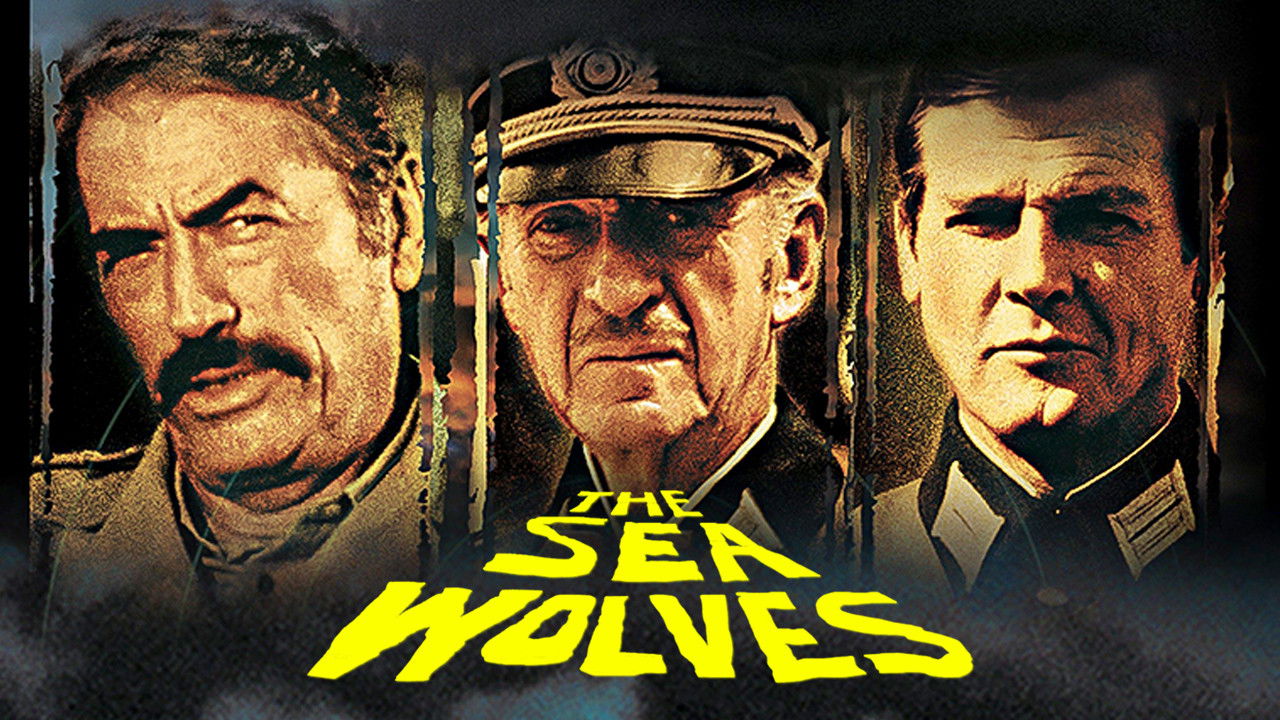
The core strength of The Sea Wolves undeniably rests on the shoulders of its legendary cast. Seeing Gregory Peck, Roger Moore, and David Niven together on screen feels like an event in itself, a comforting gathering of familiar, esteemed faces pulled from the pantheon of classic cinema. Peck, as Col. Lewis Pugh, embodies stiff-upper-lip resolve, the career soldier tasked with leading a highly unconventional team. His quiet authority anchors the film. Moore, as Capt. Gavin Stewart, leans into his suave persona but imbues it with a layer of world-weariness that distinguishes it slightly from his Bond duties (though the charm is certainly still present). It's Niven, however, as Col. Bill Grice, who perhaps resonates most deeply. There's a palpable sense of the passage of time in his performance, a blend of gentlemanly decorum and the quiet determination of a man refusing to be sidelined by age. His presence adds a poignant undertone to the mission’s inherent dangers. This wasn't just star casting; their real-life vintage lent authentic weight to the narrative of veterans called back for one more vital, dangerous task.
### The Goa Gambit
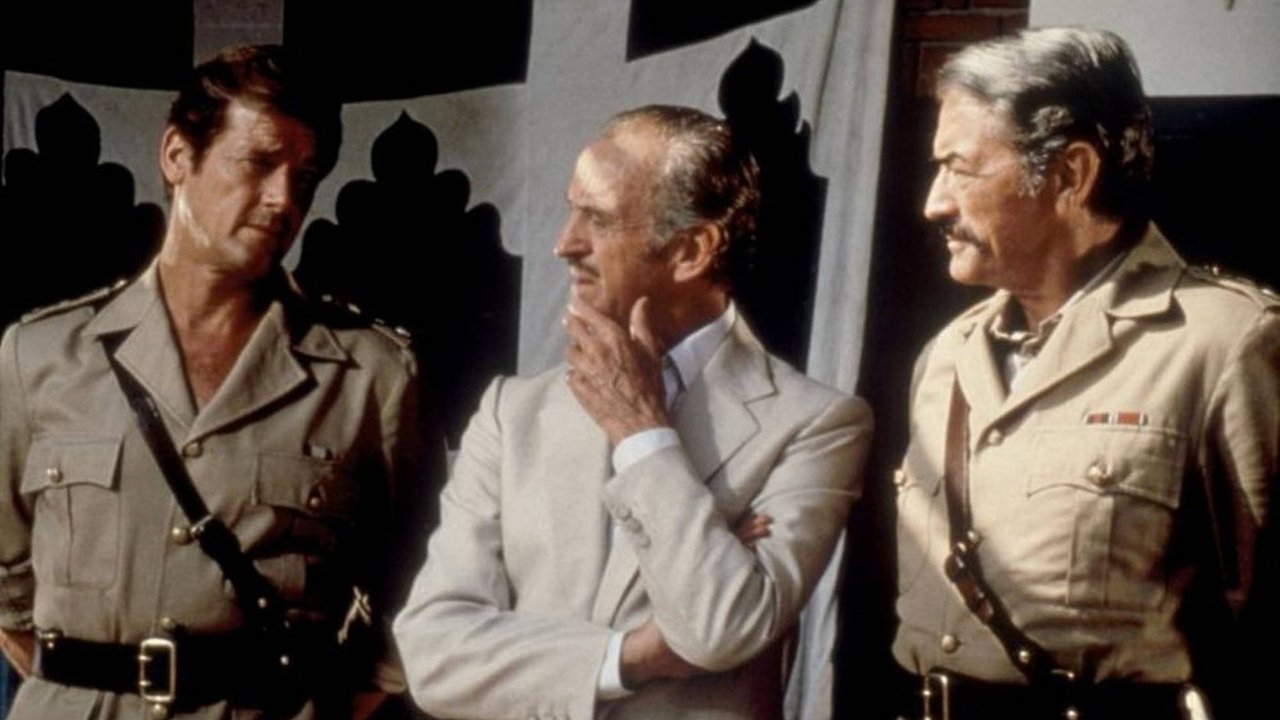
Director Andrew V. McLaglen, a veteran craftsman known for sturdy Westerns and action films like The Wild Geese (which shares some thematic DNA with this), brings a dependable, unfussy approach to the proceedings. He understands how to stage action and build suspense, particularly in the film’s latter half as the mission gets underway. The setting itself, the Portuguese colony of Goa, offers a unique backdrop – a pocket of supposed neutrality teeming with spies and intrigue, visually distinct from the usual European battlefields. Filming extensively on location in India adds a layer of undeniable authenticity that studio-bound productions of the era often lacked. You can almost feel the humidity and the colonial decay, a tangible atmosphere enhancing the espionage elements.
The plot, adapted by Reginald Rose (the esteemed writer of 12 Angry Men, interestingly enough) and James Leasor (author of the source book, Boarding Party), unfolds at a measured pace. We spend time getting to know these men, members of the Calcutta Light Horse – a real reserve unit comprised mainly of businessmen and planters, not professional commandos. This deliberate character building pays off, making the eventual raid feel less like a generic action sequence and more like a perilous undertaking by individuals we’ve come to understand, with believable stakes. Supporting players like Trevor Howard, embodying crusty naval authority, and Patrick Macnee (Steed himself!) add further gravitas and familiar comfort to the ensemble.
### Retro Fun Facts: More Than Just a Movie Mission
What truly elevates The Sea Wolves for history buffs and film fans alike is its commitment to its source. The mission depicted, Operation Creek, aimed to destroy German merchant ships transmitting vital Allied naval intelligence to U-boats from the neutral harbour of Mormugão in Goa. The film stays remarkably close to the facts. Perhaps the most heartwarming piece of trivia is that several actual members of the Calcutta Light Horse who participated in the original 1943 raid served as advisors on the film. Even more touchingly, some of these genuine heroes appear as extras during the Calcutta Light Horse Club scenes – a quiet, powerful tribute woven into the fabric of the movie. Imagine the stories shared on that set! It’s this connection to reality, this sense of honouring the quiet bravery of these middle-aged volunteers, that gives the film its soul. While perhaps not a massive box office smash (earning modestly against its estimated $11 million budget), its dedication to this forgotten chapter of WWII history is commendable.
### Reflecting on the Waves
Does The Sea Wolves feel like a product of its time? Absolutely. The pacing is more deliberate than modern audiences might expect, and the action, while well-staged, lacks the frantic intensity we often see today. Yet, this is also part of its charm. It’s a film that takes its time, builds its world, and trusts its legendary actors to carry the emotional weight. It doesn’t need explosions every five minutes; the tension comes from the inherent danger of the mission and the quiet resolve of the men undertaking it. Watching it again on a fuzzy VHS tape (as I first did decades ago, drawn in by that incredible cast on the cover) brings back a certain warmth – the feeling of settling in for a solid, well-told story with actors who commanded the screen through sheer presence.
It asks us to consider what ordinary people are capable of when called upon, regardless of their age or civilian profession. Doesn't that resonate still? The idea that courage isn't solely the domain of the young or the professionally trained, but can surface unexpectedly from the most unassuming quarters?
Rating: 7/10
The Sea Wolves earns its stripes through its stellar cast, its fascinating true-story basis, and its authentic Goan setting. While perhaps not reaching the dramatic heights of the war genre's absolute classics, the performances of Peck, Moore, and Niven lend it significant gravitas, and McLaglen delivers a competent, engaging adventure. The pacing might test some, but the sheer pleasure of seeing these legends together, coupled with the poignant reality behind the mission (especially the involvement of the actual veterans), makes it a deeply rewarding watch for fans of classic wartime cinema and the actors involved.
It's a film that reminds us that sometimes, the most compelling adventures aren't found in fantastical realms, but hidden in the overlooked footnotes of history, carried out by men who simply answered the call.