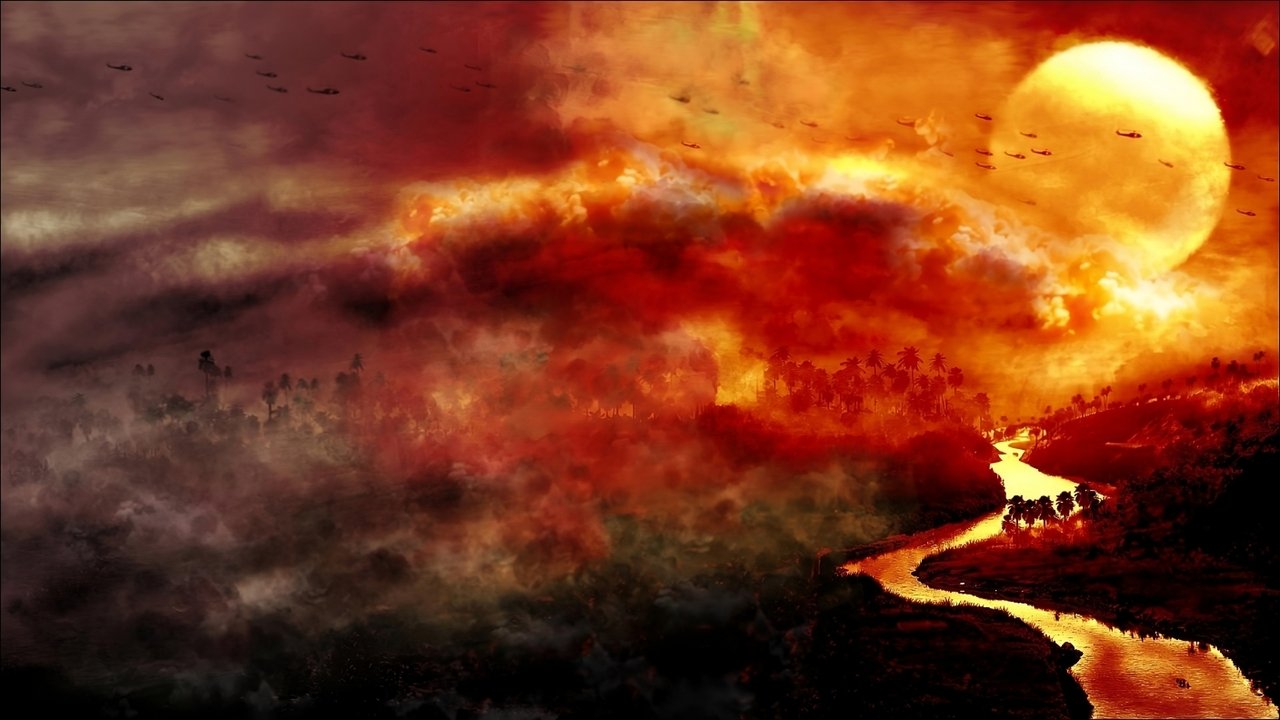
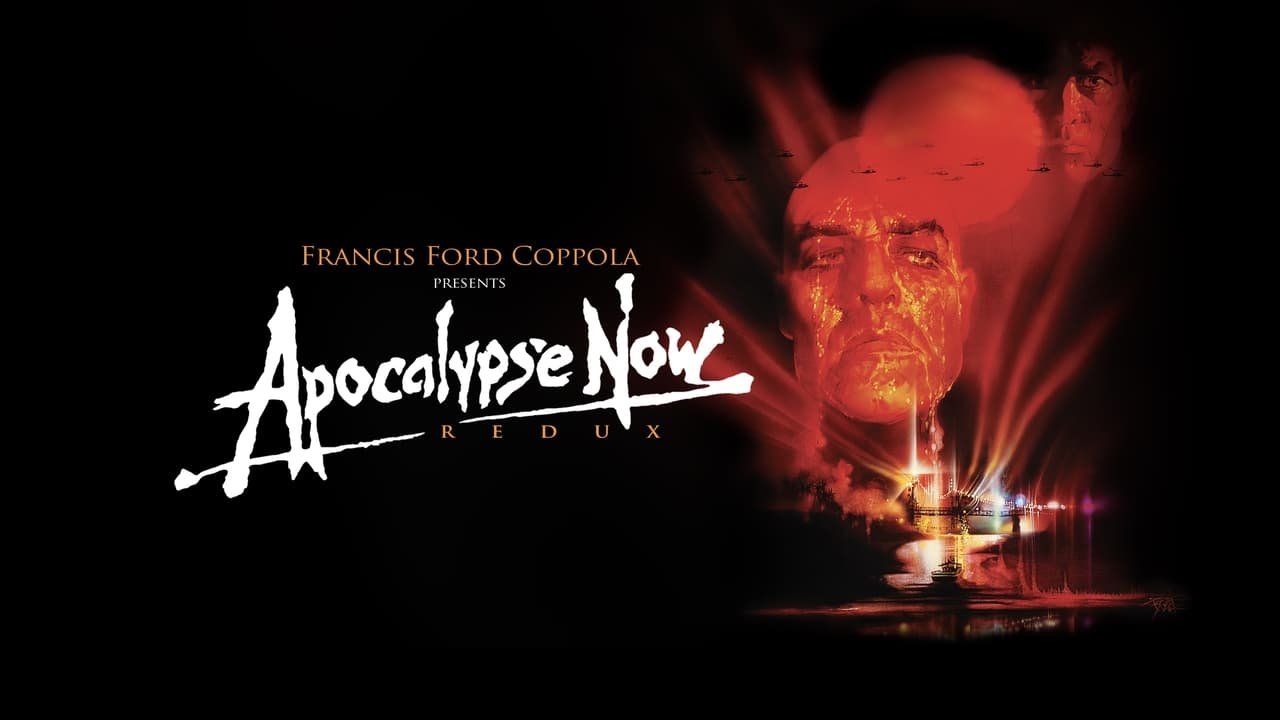
It rarely begins with a clear mission brief, does it? Not really. Often, it starts with a sound, an image seared into memory. For Apocalypse Now, it’s the rhythmic thwump-thwump-thwump of helicopter blades overlaid with The Doors' haunting "The End," as palm trees erupt in fiery napalm against a sickly orange sky. Watching this film, especially back in the flickering glow of a CRT set fed by a whirring VCR, wasn't just viewing; it was an immersion, a descent into something primal and unsettling that clung to you long after the tape spooled to its end.
A Journey Upriver, Into Ourselves
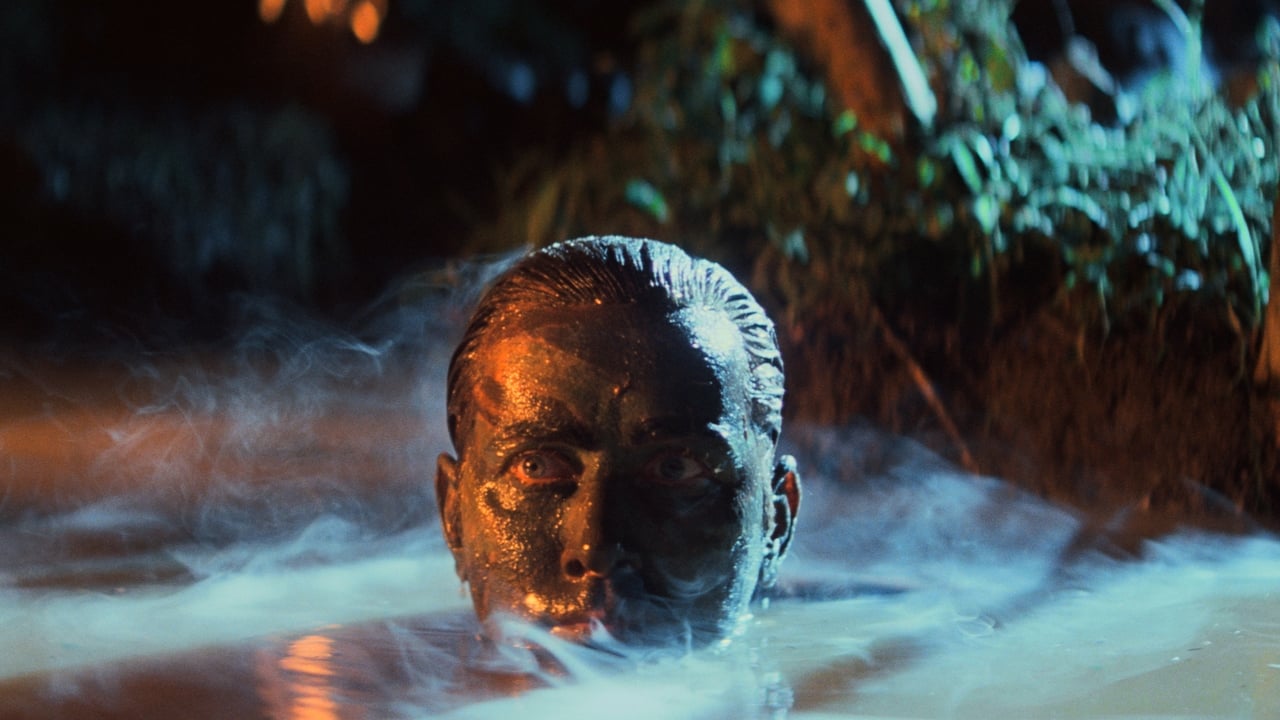
Loosely adapting Joseph Conrad's Heart of Darkness, Francis Ford Coppola’s 1979 masterpiece transports the existential dread from colonial Africa to the humid, morally ambiguous battleground of the Vietnam War. We follow Captain Benjamin Willard (Martin Sheen), an Army operative wrestling with his own demons, tasked with a clandestine mission: journey up the Nung River into Cambodia to "terminate with extreme prejudice" the command of Colonel Walter E. Kurtz (Marlon Brando), a decorated Green Beret officer who has apparently gone insane, establishing himself as a god-like figure among local tribespeople.
Willard’s voyage becomes less a military operation and more a nightmarish odyssey through the escalating absurdities and horrors of war. It’s a narrative structure that allows Coppola, working from a potent script co-written with John Milius, to present the conflict not as a series of battles, but as encounters with different facets of madness. The film doesn't just depict war; it seems to contract its fever.
Echoes of Chaos: On Screen and Off
It’s impossible to discuss Apocalypse Now without acknowledging its legendarily troubled production, a saga almost as mythic as the film itself. What was planned as a relatively straightforward shoot ballooned into a multi-year ordeal plagued by typhoons destroying sets, budget overruns (climbing from around $12 million to over $30 million – a staggering sum then, roughly $130 million today), Martin Sheen suffering a near-fatal heart attack mid-production, and Coppola himself pushing the boundaries of his sanity and finances. Famously, Harvey Keitel was initially cast as Willard but was replaced by Sheen after only a couple of weeks, a change Coppola felt necessary to capture the character's passive observer quality. This behind-the-scenes chaos, this descent into obsession and near-ruin, feels eerily mirrored in the film's themes. It’s as if the jungle itself bled into the filmmaking process. Did the struggle to simply make the movie infuse it with that raw, desperate energy we feel on screen? One has to wonder.
Faces in the Firelight
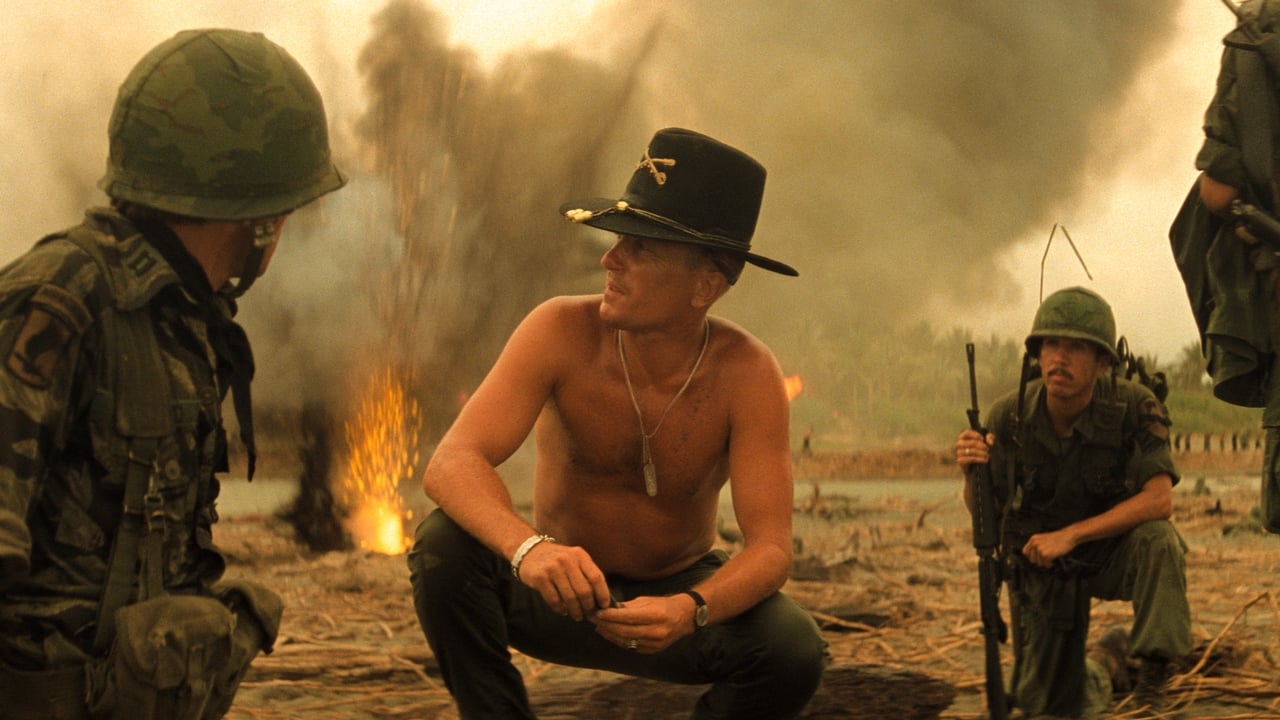
The performances are etched in cinematic history. Sheen, often silent, conveys Willard’s unraveling psyche through his weary eyes and haunted stillness. He’s our guide, but he’s becoming lost himself, increasingly mesmerized by the man he’s sent to kill. Then there’s Robert Duvall as Lieutenant Colonel Kilgore, delivering the immortal "I love the smell of napalm in the morning" line with a terrifying surfer-dude nonchalance before blasting Wagner during a beach assault. Duvall's Kilgore isn't just eccentric; he embodies the disturbing fusion of military might and American cultural bravado, a chilling portrait of desensitization. His few scenes cast a long shadow.
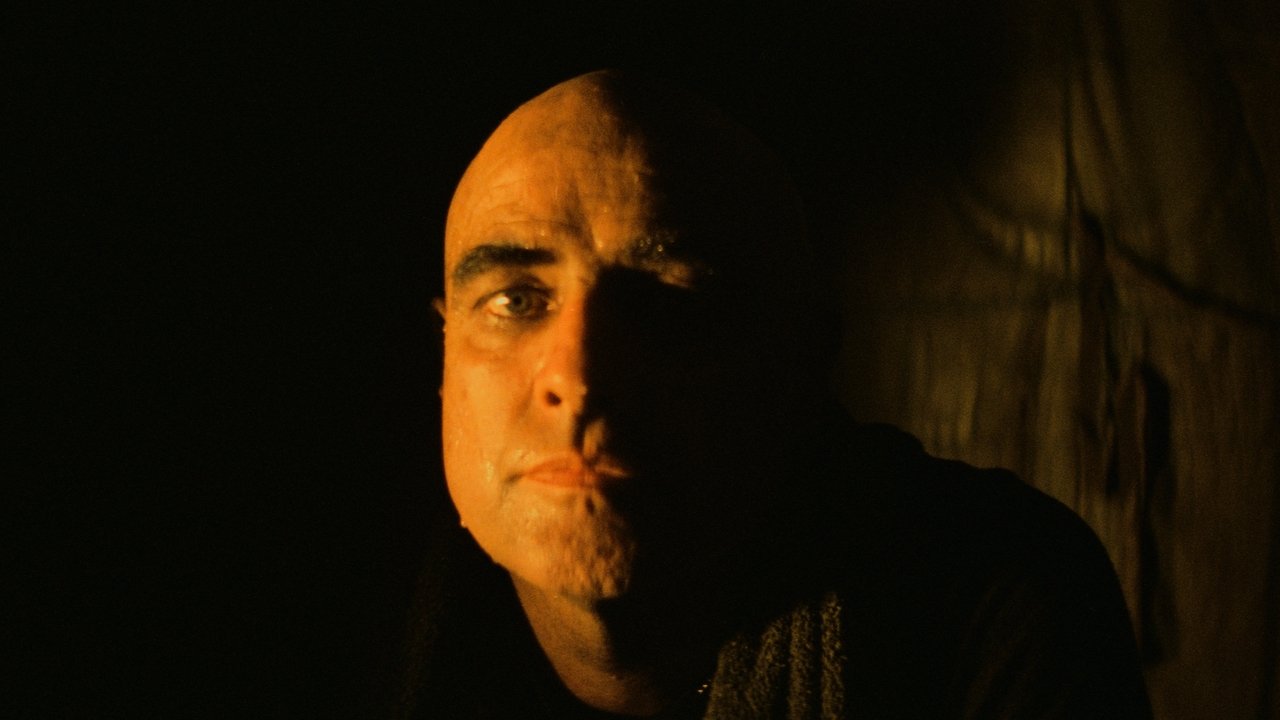
And, of course, Marlon Brando as Kurtz. His arrival is delayed, built up through whispers and classified files, making his eventual appearance, shrouded in shadow by Vittorio Storaro’s masterful cinematography, all the more impactful. Brando, notoriously difficult, arrived on set overweight and unprepared, forcing Coppola and Storaro to improvise, using darkness and fragmented shots to cultivate an aura of mysterious, philosophical menace. His rambling, philosophical monologues about "the horror" are hypnotic and deeply unsettling, the logical, terrifying endpoint of Willard’s journey. Other notable faces populate this river journey, including a very young Laurence Fishburne (who reportedly lied about his age to get the part), Dennis Hopper as a manic photojournalist disciple of Kurtz, and Harrison Ford in a small but memorable early role.
The Sensory Assault
Beyond the narrative and acting, Apocalypse Now is a technical marvel. Storaro’s cinematography is groundbreaking, painting the screen with lush, threatening greens, fiery oranges, and deep, consuming blacks. The use of light and shadow isn't just aesthetic; it's thematic, externalizing the moral twilight. Equally revolutionary is the sound design, orchestrated by Walter Murch. The layered soundscape – the omnipresent helicopters, the distorted jungle noises, the perfectly placed music – creates an immersive, often overwhelming, sonic environment that’s as crucial to the film's impact as its visuals. Remember those booming explosions rattling the flimsy speakers hooked up to the family TV? Even then, you knew you were experiencing something different.
The Horror, The Horror... and the Rewind Button
Watching Apocalypse Now on VHS, perhaps renting the hefty double-tape version for the original cut or later seeking out the Redux (2001) or Final Cut (2019) editions, felt like possessing a dark artifact. These weren't casual viewings. They demanded attention, drew you into their hallucinatory vortex. The film doesn't offer easy answers about war, morality, or the darkness within the human soul. It forces uncomfortable questions: Where is the line between duty and atrocity? What happens when the structures of "civilization" collapse? How easily can the darkness Kurtz found consume any of us?
Its legacy is immense, influencing countless war films and cementing its place as a cinematic landmark. It's a film that demonstrates the power of the medium to confront, provoke, and overwhelm. It’s not always an easy watch, but it remains an essential one.
Rating: 10/10
This score reflects the film's audacious ambition, its technical mastery in cinematography and sound design that redefined cinematic possibilities, its unforgettable performances (particularly Sheen, Duvall, and the mythic presence of Brando), and its unflinching, profound exploration of war's dehumanizing madness. The troubled production, rather than diminishing the film, arguably infused it with a raw, chaotic energy that mirrors its themes. It’s a difficult, demanding masterpiece that achieves a level of visceral and philosophical depth rarely equaled.
Apocalypse Now isn't just a movie; it's an experience, a fever dream captured on celluloid that continues to haunt and fascinate, leaving you contemplating "the horror" long after the screen goes dark.