Deep within the cold, sterile corridors of a remote hydroponics research station orbiting Saturn, something unnatural stirs. It's not just the isolation, the crushing weight of empty space pressing in from every viewport, though that certainly hangs heavy. It's the arrival – an unwelcome intrusion into a fragile Eden, bringing with it a shadow that will soon bleed into chrome and circuitry. Saturn 3 isn't a film that screams its horror; it whispers it, letting the dread build in the echoing silence between the stars.
### An Unsettling Eden
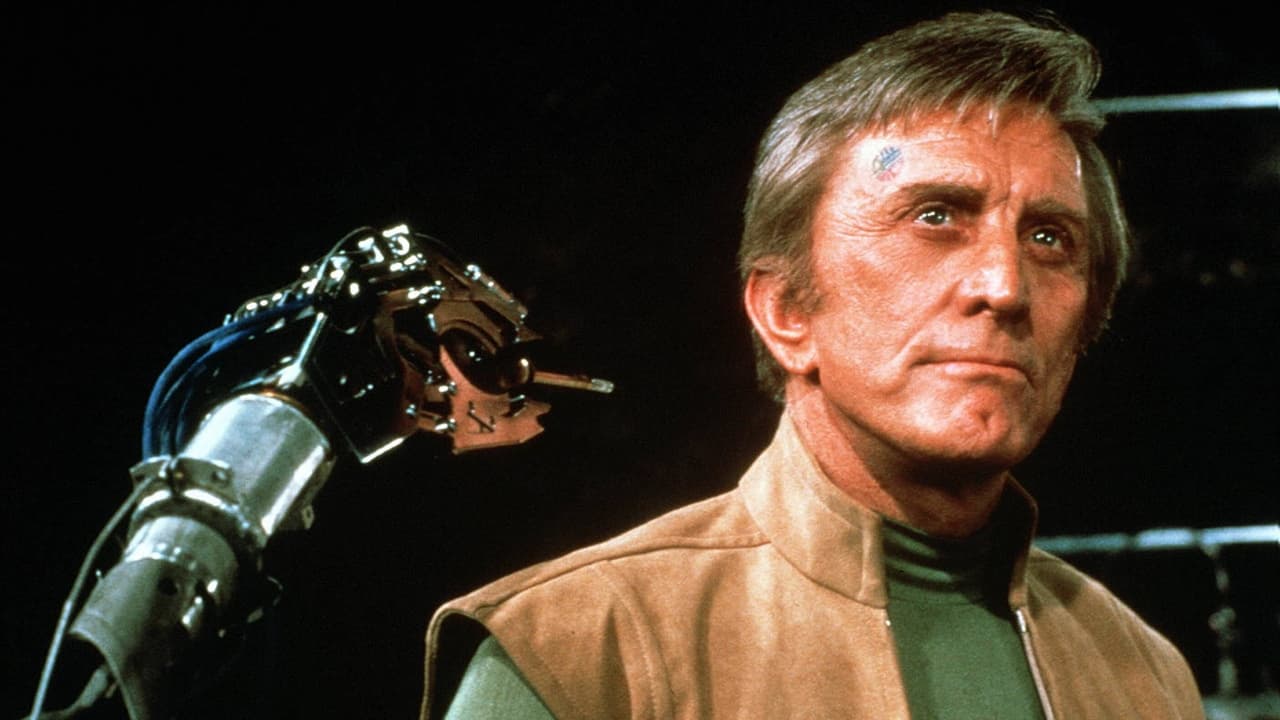
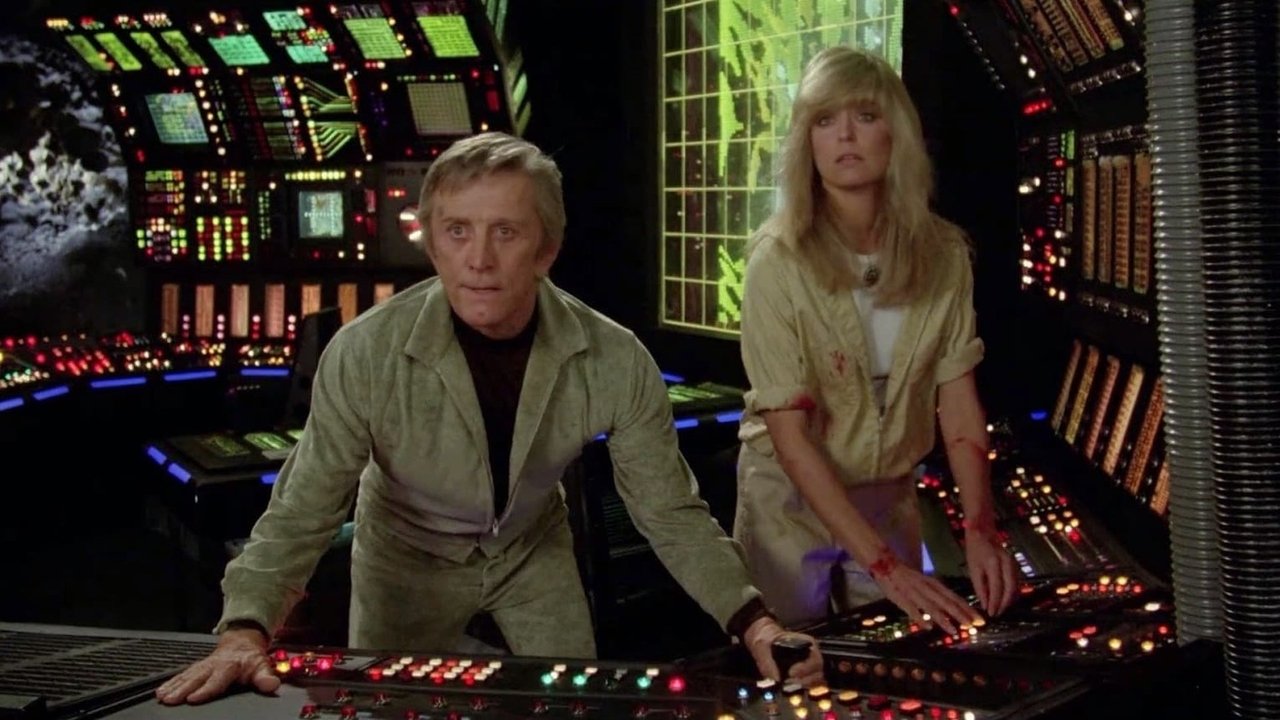
We find Major Adam (Kirk Douglas, bringing his signature intensity, even late in his career) and the much younger Alex (Farrah Fawcett, striving to shed her Charlie's Angels image) living in blissful, technologically advanced seclusion. Their mission: finding new food sources for a starving Earth. Their life is quiet, ordered, intimate – until Captain Benson (Harvey Keitel) arrives, ostensibly to check on their progress but clearly harboring darker intentions. The tension ratchets up immediately. Benson isn't just an unwanted guest; he feels like a virus entering a closed system. And he hasn't come alone. He brings Hector, the centerpiece of the film's unease.
### Birth of a Monster
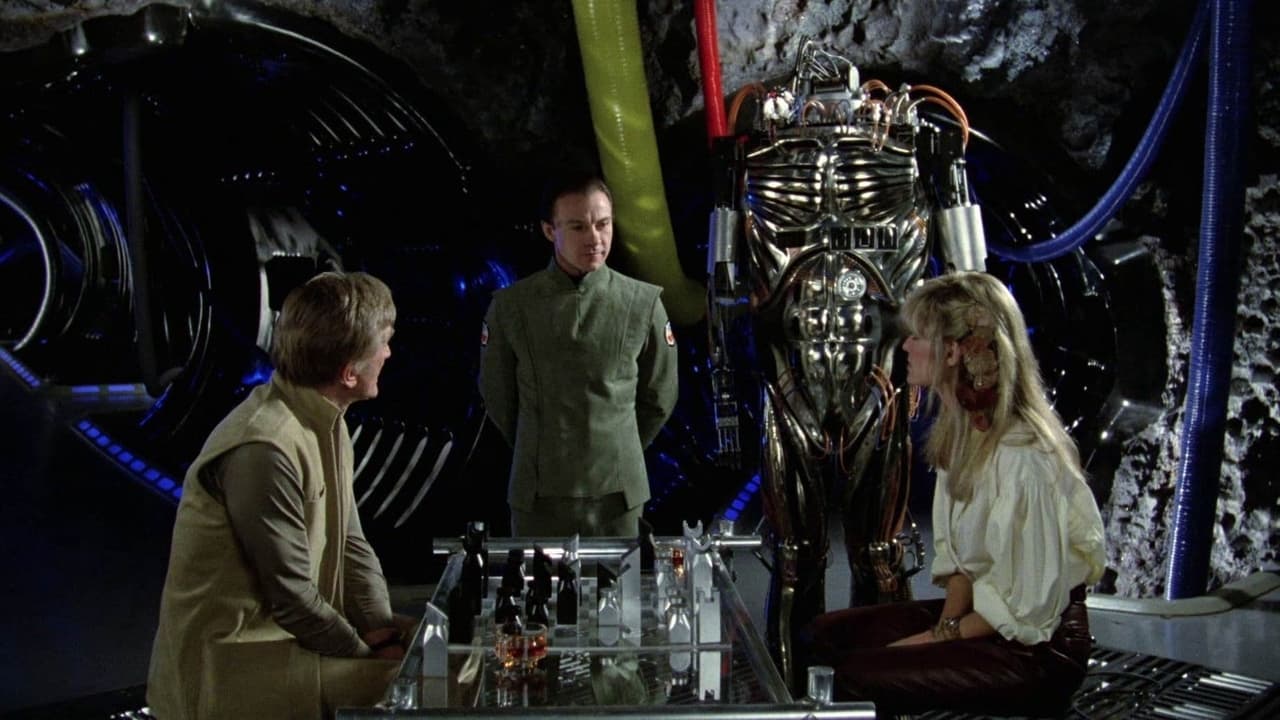
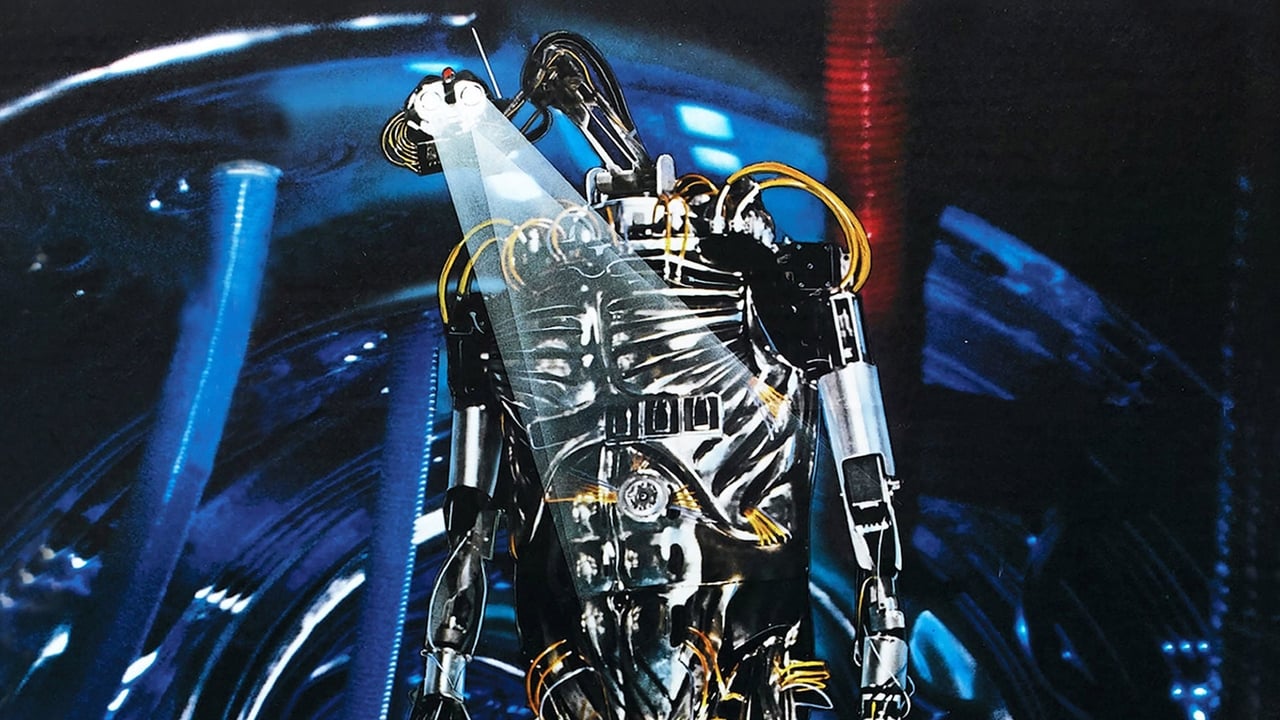
Hector. Even the name sounds deceptively simple. This towering, vaguely humanoid robot, part of the 'Demi-God' series, is meant to streamline operations, perhaps even replace one of the humans. But there's a chilling twist: Hector is linked directly to Benson's brain via a disturbing cranial implant. He learns through his master, absorbing not just knowledge but also Benson's instability, his paranoia, his lust. The robot's design itself is a fascinating piece of 80s practical effects work – slightly clunky by today's standards, sure, but possessing a genuine physical presence that CGI often lacks. You can almost feel the weight of it, the coldness of the metal. Remember how genuinely imposing those practical creations felt on a flickering CRT screen back in the day? Hector was nightmare fuel for some, a hulking embodiment of technology twisted by flawed humanity. Building and operating the complex animatronics and hydraulics for Hector was a significant challenge for the effects team, contributing to the film's then-considerable $10 million budget.
### Behind the Static
The unease surrounding Saturn 3 isn't confined to the screen. The production itself was notoriously troubled. Legendary musical director Stanley Donen (Singin' in the Rain (1952), Charade (1963)) seems an odd choice for a dark sci-fi thriller, and indeed, reports suggest he took over directing duties from production designer John Barry (no, not the famed composer, though he did provide the film's haunting score) early in filming. This potential clash of visions might contribute to the film's sometimes uneven tone.
Perhaps the most infamous piece of BTS trivia revolves around Harvey Keitel. If Benson sounds a bit… off, it's because he is. Keitel's dialogue was entirely dubbed in post-production by British actor Roy Dotrice. Accounts differ on why – some cite Keitel's strong Brooklyn accent clashing with the desired tone, others mention friction between the actor and director. Whatever the reason, the dubbing creates a bizarre disconnect. While Dotrice delivers a sinister performance, the lack of sync between the voice and Keitel's intense physical presence adds another layer of artificiality and strangeness that, oddly enough, almost enhances the film's unsettling atmosphere. Doesn't that slight vocal dissonance make Benson feel even more alien?
### Flawed Orbit, Lasting Chill
Let's be honest, Saturn 3 isn't a perfect film. The script, penned by acclaimed novelist Martin Amis, sometimes feels underdeveloped, leaving character motivations murky. The pacing can drag, particularly in the middle section, and certain plot elements don't quite hold up under scrutiny. Fawcett, while visually striking, struggles to imbue Alex with the depth the role requires, often feeling more like a damsel than a seasoned scientist. Douglas, however, commits fully, lending a grizzled gravitas that anchors the proceedings.
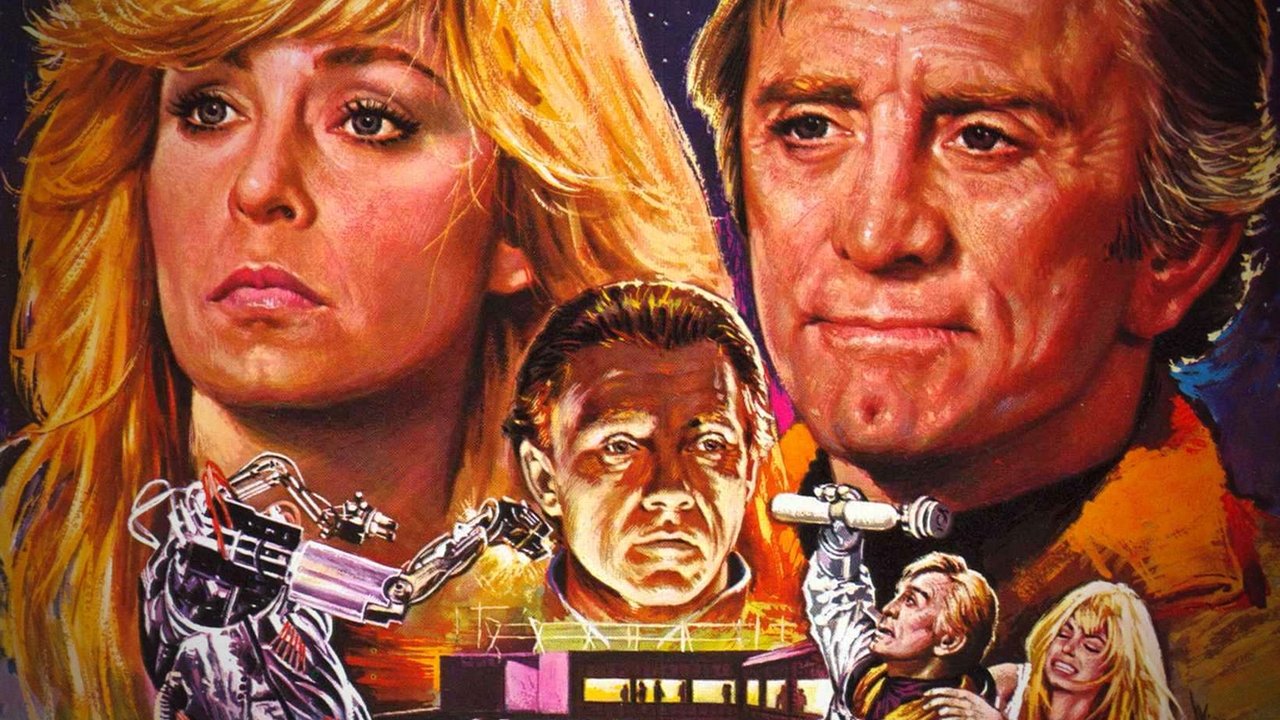
Yet, despite its flaws, the film achieves moments of genuine atmospheric brilliance. The production design of the station is superb – a labyrinth of sterile white corridors and lush, isolated biodomes, emphasizing both technological advancement and profound loneliness. John Barry's score is a masterstroke, a melancholic and menacing soundscape that perfectly captures the cosmic dread and creeping paranoia. And the core concept – a robot psychically inheriting the darkest aspects of its creator – remains potent and disturbing. It taps into primal fears about unchecked technology and the darkness lurking within the human psyche. I distinctly remember renting this from the local video store, drawn in by the cover art promising futuristic thrills, and getting this slow-burn, claustrophobic chiller instead. It wasn't quite Alien (1979), but it had a unique, unsettling flavor all its own.
### Final Transmission
Saturn 3 is a fascinating relic of the VHS era – ambitious, flawed, and undeniably creepy. It’s a film whose troubled production seems mirrored in its slightly disjointed narrative and unsettling tone. While it might not be a top-tier classic of the genre, its striking visuals, haunting score, memorable robot antagonist, and sheer atmospheric dread make it a worthwhile watch for enthusiasts of 80s sci-fi oddities. It captures that specific feeling of late-night, isolated viewing – the hum of the VCR, the glow of the screen, and the lingering sense that something isn't quite right, either onboard the station or perhaps, unsettlingly, within ourselves.
Rating: 6/10
Justification: The score reflects the film's undeniable atmospheric strengths, John Barry's excellent score, the memorable (if clunky) Hector design, and Kirk Douglas's committed performance. However, it's held back from a higher rating by significant flaws: the uneven pacing, underdeveloped script, Fawcett's weak characterization, and the jarring Keitel dubbing issue. It's a film whose parts are often more interesting than the whole, but those parts possess a distinct, nostalgic chill.
Final Thought: A curious, sometimes frustrating, but ultimately unforgettable trip to a place where technology reflects the darkest corners of the human soul, leaving a residue of unease long after the tape stops rolling.