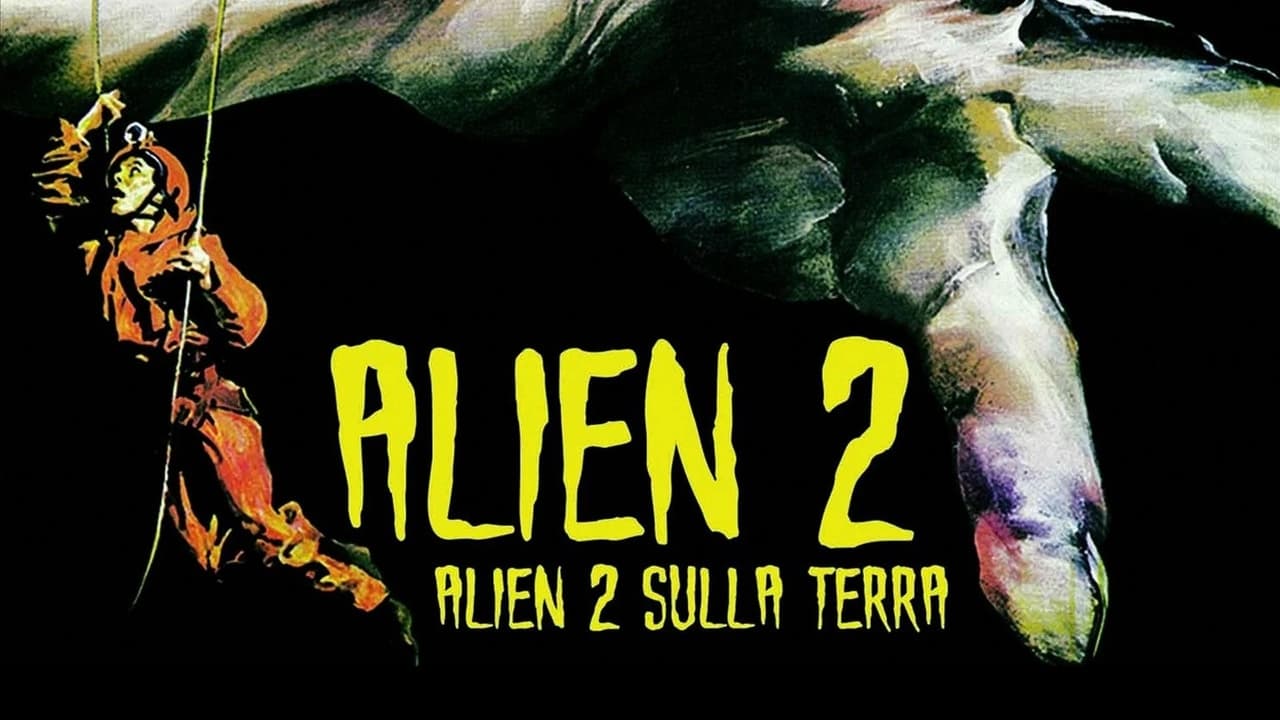
The flickering static clears, and the tracking lines settle. On the screen, a title card appears, bold and defiant: Alien 2: On Earth. No, not the James Cameron masterpiece that would arrive six years later. This… this is something else entirely. Something dredged from the murky depths of Italian exploitation cinema, a cinematic stowaway clinging desperately to the coattails of a Hollywood behemoth. Released in 1980, barely a year after Ridley Scott’s Alien redefined cosmic horror, this unofficial sequel dared to bring the terror home, trading the vastness of space for the claustrophobia of subterranean darkness.
A Name Born of Audacity
Let's be clear: this film has absolutely zero official connection to the franchise it brazenly apes. Director Ciro Ippolito (sometimes credited under the Anglo pseudonym Sam Cromwell, likely to add a veneer of legitimacy or perhaps distance himself depending on how things went) saw an opportunity and seized it with the kind of gusto only found in the wilder corners of filmmaking. Rumor has it 20th Century Fox wasn't exactly thrilled, launching legal threats that ultimately proved fruitless in stopping the film's distribution in various markets. It’s a testament to the anything-goes spirit of the era, where copyright felt more like a suggestion, especially across international waters. This film exists because it could, a strange footnote born from pure, unadulterated commercial opportunism. I distinctly remember stumbling across the imposing VHS box in the horror section, the title alone sparking a confused sort of excitement. Was this real? How did I miss it?
Into the Caves of Dread
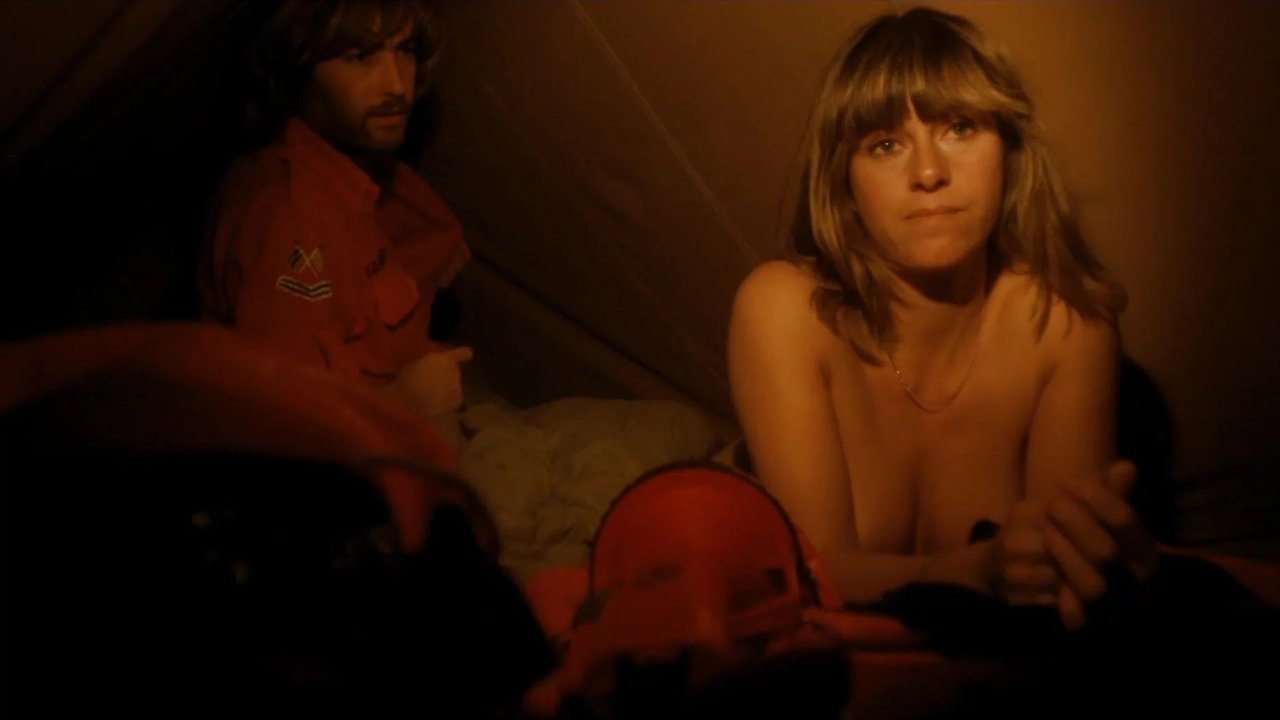
The plot, such as it is, ditches the Nostromo for the bowels of the Earth. A group of spelunkers, led by the determined Thelma (Belinda Mayne), descends into a deep cave system shortly after a mysterious object from space splashes down nearby. Among them is a television reporter, Roy (Mark Bodin), ostensibly documenting the expedition but mostly serving as another potential victim. What they find isn't geological wonders, but rather pulsating, vaguely organic-looking rocks… and something far worse slithering within them. The film trades Giger's biomechanical nightmares for something earthier, slimier, and undeniably cheaper.
Yet, there's an undeniable, creeping atmosphere here, especially in the film's stronger moments. Shot in genuine caves (the Castellana Caves in Southern Italy), the environment itself becomes a character. The echoing drips, the oppressive darkness punctuated only by helmet lamps, the sense of being utterly trapped miles below the surface – Ippolito leverages the location effectively. It taps into that primal fear of being buried alive, of the unseen things that might dwell in the planet's hidden recesses. The slow, almost ponderous pacing, while a major hurdle for many viewers, can occasionally contribute to a sense of grinding inevitability. You’re stuck down there with them, waiting for the next grotesque reveal.
Creature Discomforts
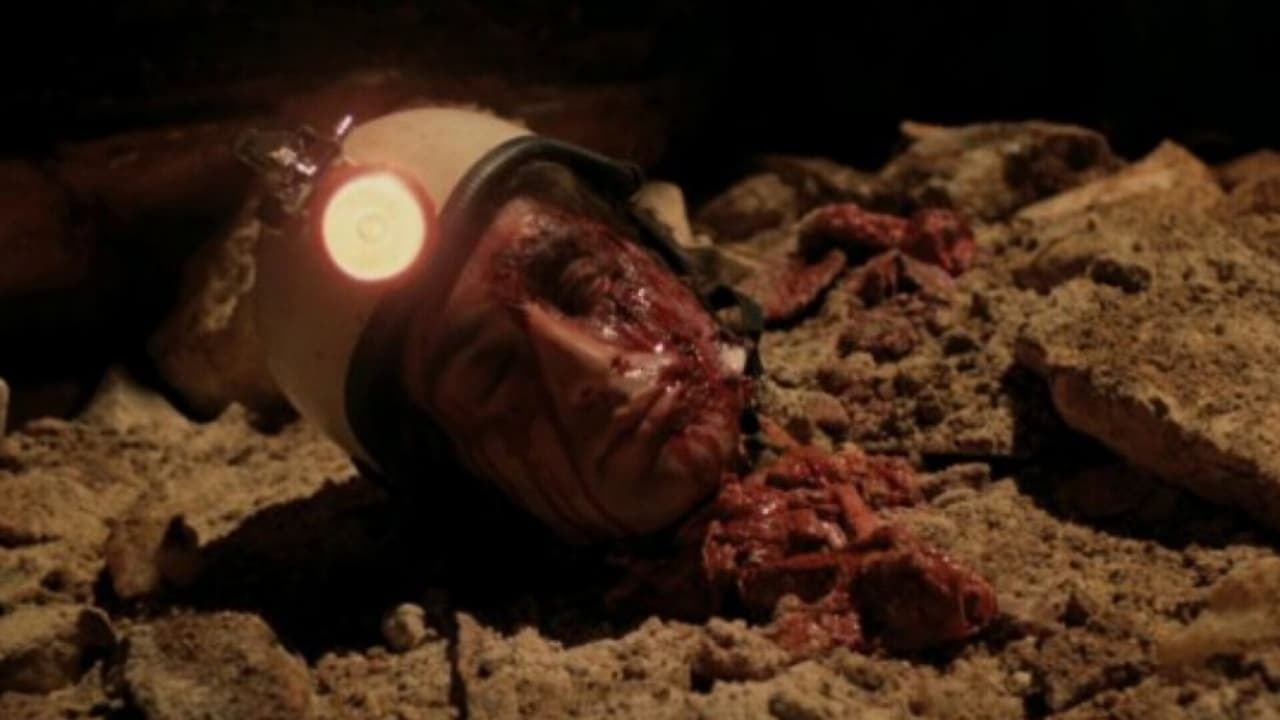
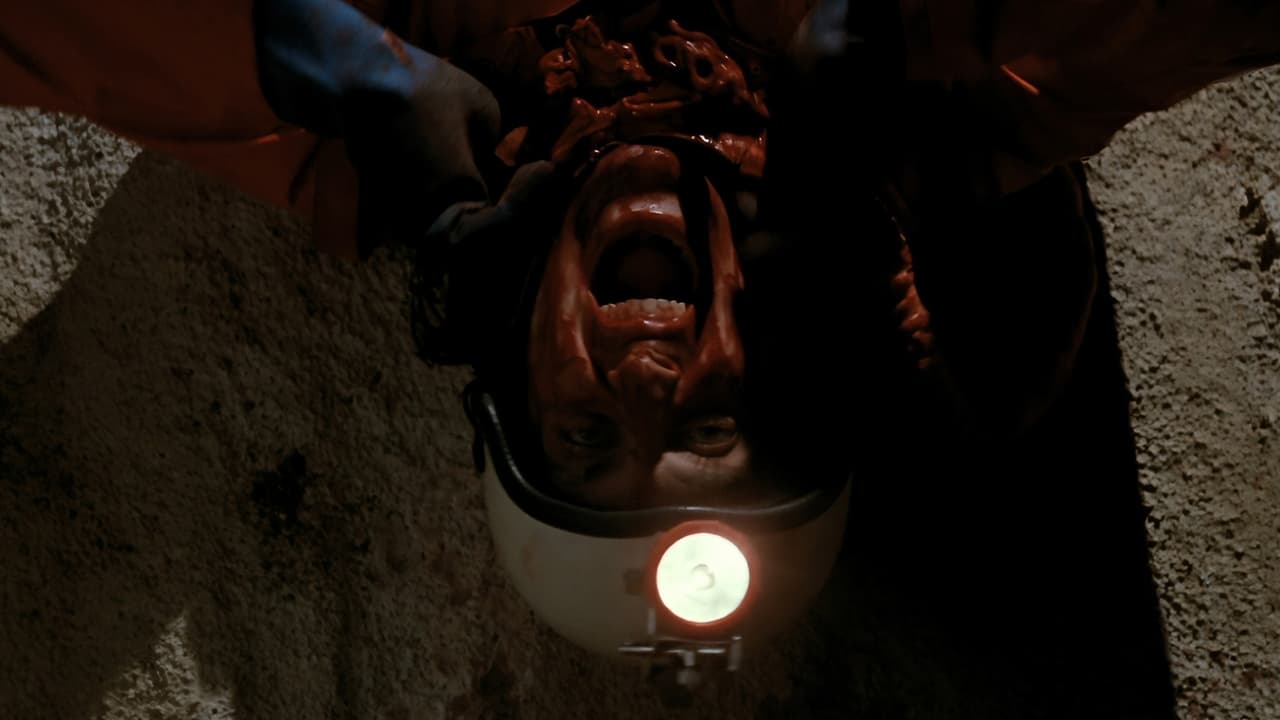
And grotesque it certainly tries to be. The alien entities themselves are… memorable, if not exactly sophisticated. Forget sleek xenomorphs; think pulsating, fleshy lumps and things that look disturbingly like misplaced internal organs. The practical effects are pure, low-budget 80s splatter. One infamous sequence, clearly intended as this film's answer to the chestburster, involves a creature erupting from a character's face in a geyser of gore. It's crude, shocking, and undeniably unpleasant. Does it hold up? Not technically. But doesn't that raw, almost amateurish quality sometimes make these effects feel even more disturbing, more viscerally wrong? There's no polished CGI sheen here, just latex, goo, and a commitment to showing you something nasty.
The film’s ambition often outstrips its budget and technical skill. Scenes meant to build tension can drag, dialogue often feels functional at best, and the logic behind the alien's arrival and motives remains decidedly vague. Belinda Mayne does her best as the resourceful final girl, and veteran actor Gianni Garko adds a touch of familiar gravitas in a small role, but the characters largely exist to stumble through the dark and meet unpleasant ends.
A Relic of the Video Store Trenches
Alien 2: On Earth isn't a 'good' film by conventional standards. It's derivative, unevenly paced, and technically rough around the edges. Yet, it holds a strange fascination. It's a prime example of the Italian horror boom's ability to mimic and twist popular American properties into something uniquely strange. It represents that thrill of discovery in the video store era – finding a tape with a familiar name but an unfamiliar look, taking a gamble, and unearthing something bizarre, flawed, but undeniably different. It’s a film that feels like it shouldn't exist, a phantom echo of a blockbuster, captured on deteriorating magnetic tape.
VHS Heaven Rating: 4/10
The score reflects the film's significant flaws – the sluggish pacing, the derivative nature, the often laughable effects. However, points are awarded for the genuine atmospheric moments achieved through its cave locations, the sheer audacity of its existence, and its undeniable status as a cult curiosity from the wild west of VHS distribution. It delivers moments of effective subterranean dread and some memorably unpleasant gore, even if buried under layers of low-budget limitations.
Ultimately, Alien 2: On Earth is less a sequel and more a weird, subterranean cover version. It’s a film for the patient, the forgiving, and those who appreciate the strange detours and oddities that cluttered the shelves of video stores back in the day. It’s a murky, sometimes tedious, but occasionally chilling descent into exploitation filmmaking that tried to catch lightning in a bottle… or rather, slime in a cave.