Before The X-Files turned government conspiracy into weekly appointment television, a different kind of paranoia simmered in the cinematic landscape of the early 80s. It was less about sleek, shadowy figures and more about a grounded, almost workaday dread – the chilling possibility that world-altering secrets were being managed with bureaucratic indifference and lethal efficiency. This is the unsettling territory occupied by James L. Conway’s 1980 sci-fi thriller, Hangar 18. Forget flashy spectacle; this film aimed for the knot in your stomach, the cold realization that the truth wasn't just 'out there,' it was locked down, classified, and guarded by men who wouldn't hesitate to keep it that way.
The Incident and the Cover-Up
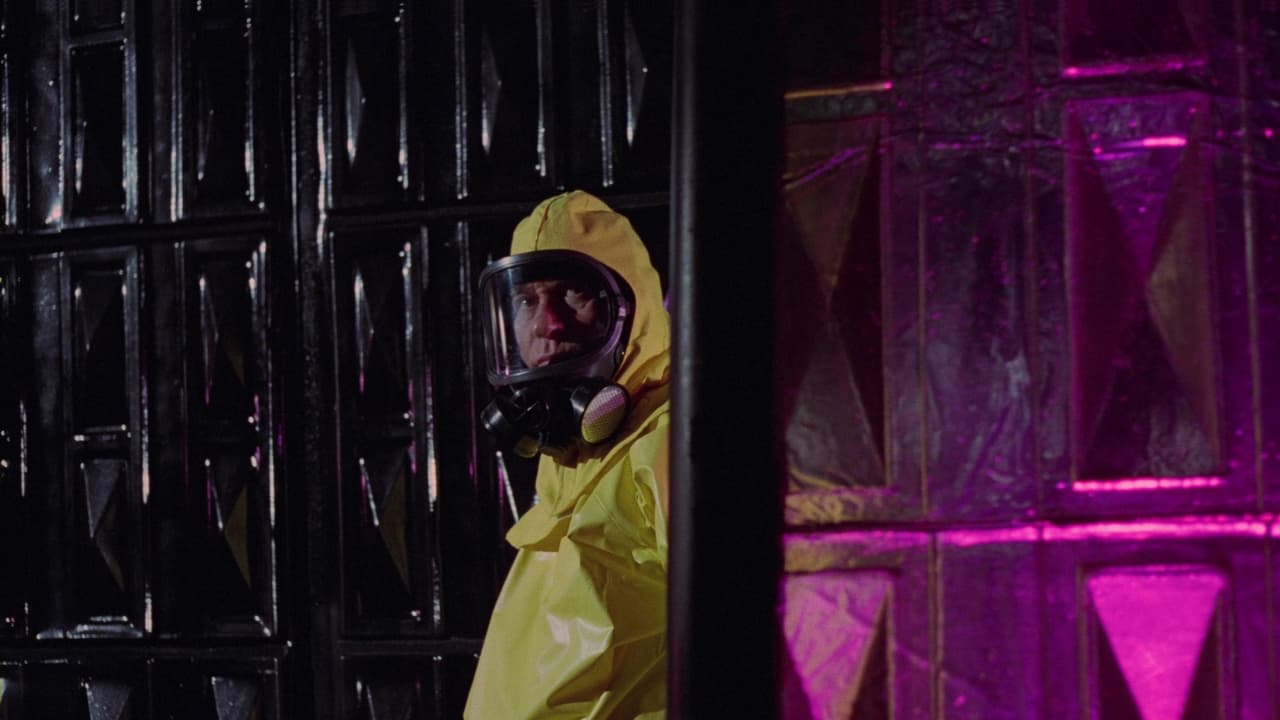
The setup is pure, distilled post-Watergate anxiety mixed with UFO lore. During a routine space shuttle mission deploying a satellite, astronauts Bancroft (Gary Collins) and Price (James Hampton) witness a UFO collide with their payload. Worse, the incident causes the death of a fellow astronaut aboard the shuttle. Back on Earth, the damaged alien craft makes a controlled landing in the Arizona desert and is quickly whisked away by shadowy government forces to the titular Hangar 18 at a Texas airbase. The official story? A meteor shower, pilot error – anything but the truth. Bancroft and Price become convenient scapegoats, grounded and discredited, left to fight a desperate battle to clear their names and expose a secret that could rewrite human history. It’s a classic conspiracy setup, playing directly into the anxieties of an era still reeling from institutional betrayal.
Anchors in Paranoia
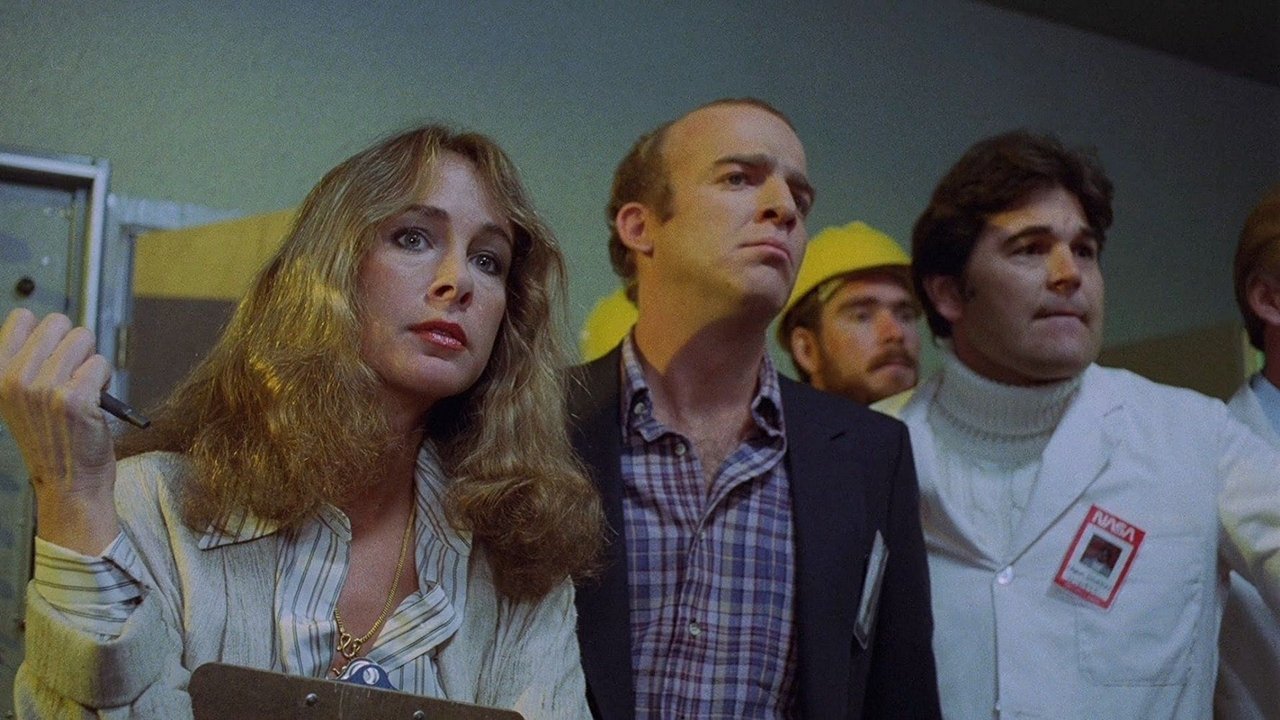
What elevates Hangar 18 beyond its sometimes visible budget constraints are the veteran actors anchoring the paranoia. Darren McGavin, forever etched in our minds as the dogged reporter Carl Kolchak hunting monsters in the urban jungle (Kolchak: The Night Stalker), brings that same weary tenacity here as Harry Forbes, the lead investigator trying to decipher the alien technology within the Hangar. McGavin embodies the film's core tension – the scientist fascinated by discovery, yet increasingly disturbed by the ruthlessness of the cover-up orchestrated by his superiors. Opposite him, Robert Vaughn is perfectly cast as Gordon Cain, the icy White House Chief of Staff. Vaughn, no stranger to espionage and morally gray characters from his Man from U.N.C.L.E. days and films like Bullitt (1968), delivers a performance chilling in its calculated pragmatism. His motivation isn't mustache-twirling evil, but cold political calculus – revealing the truth is simply too disruptive, too dangerous to the status quo. His quiet intensity makes the threat feel unnervingly real. Gary Collins and James Hampton, while perhaps less iconic, effectively portray the frustration and desperation of men caught in an impossible situation, hunted by the very government they served.
Low-Budget Grit, Tangible Dread
Let's be honest, Hangar 18 wasn't Star Wars. Produced by Sunn Classic Pictures, known for their efficient, often four-wall distribution model and documentaries like In Search of Noah's Ark, the film was made for a reported $1.1 million – pocket change even then compared to studio blockbusters. Yet, director James L. Conway (who would later become a prolific director in television, helming episodes of multiple Star Trek series and Charmed) uses these limitations to foster a specific kind of atmosphere. The corridors of power feel drab and functional, the labs suitably cluttered, the desert landscapes stark. There's a distinct lack of polish that, ironically, enhances the film's credibility as a grounded thriller rather than high-flying sci-fi fantasy. I remember watching this on a flickering CRT, the slightly grainy picture quality somehow making the government conspiracy feel more plausible, less like Hollywood gloss.
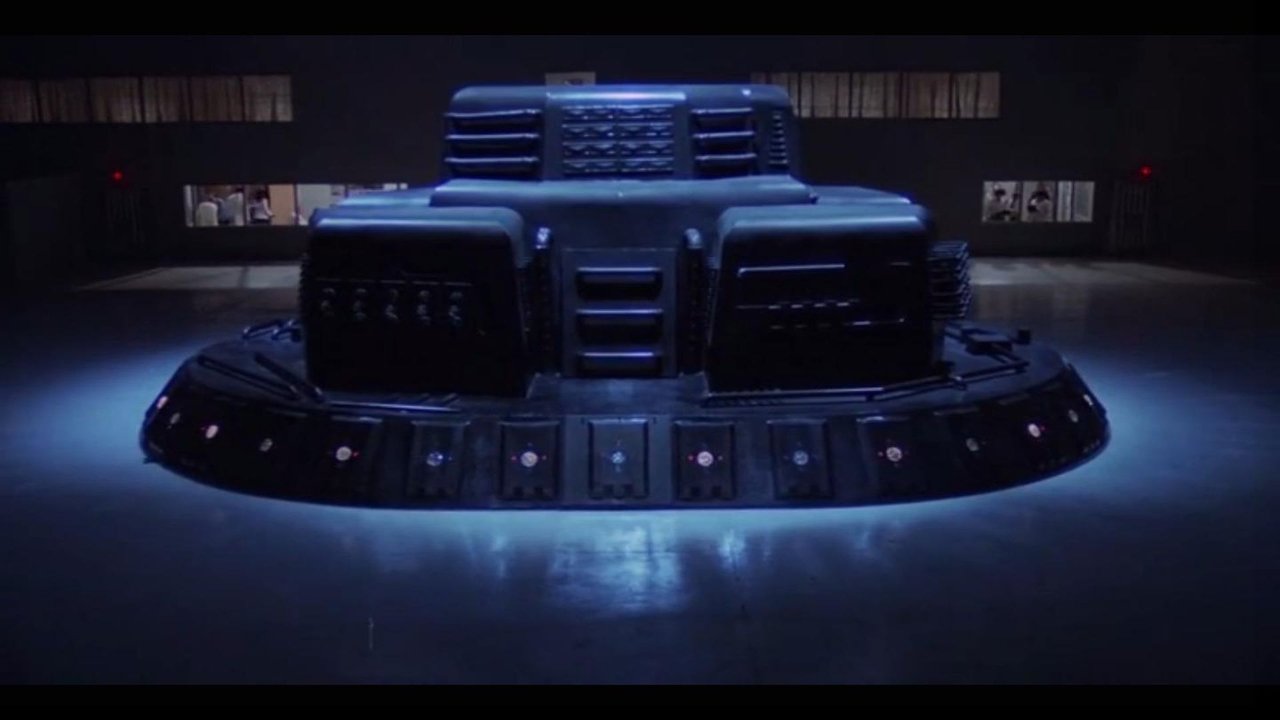
The practical effects, while dated by today's standards, possess that tangible quality we miss. The alien ship interior has a certain low-tech charm, and the reveal of the alien occupants – humanoid figures in environmental suits, later shown preserved in eerie blue fluid – avoids monstrous clichés, opting for something more unsettlingly... well, alien. There's a story that the alien autopsy sequence, brief as it is, caused some consternation during production due to its (mild by today's standards) graphic nature. It’s a far cry from the slick digital creations of later decades, but doesn't that physical presence still hold a certain power?
Unraveling the Threads
The plot unfolds as a procedural – Forbes and his team deciphering alien hieroglyphs and technology inside the hangar, while Bancroft and Price conduct their own increasingly risky investigation on the outside, dodging sinister government agents. The film cleverly taps into nascent Roswell mythology (though Area 51 wasn't quite the pop culture behemoth it would become) and theories about ancient astronauts, suggesting the recovered craft holds evidence of prior visitation and even connections to human history. This layering adds intrigue, moving beyond a simple cover-up into something more profound. The tension builds steadily, not through jump scares, but through the escalating stakes and the chilling efficiency of the forces trying to bury the truth forever. Reportedly, the film was re-edited and expanded for television, sometimes shown under the title Invasion Force, padding the runtime but perhaps diluting the tight pacing of the theatrical cut many of us first encountered on VHS.
Legacy of a Locked Hangar
Hangar 18 isn't a perfect film. Its pacing occasionally lags, and some plot elements feel conveniently resolved. But its core strength lies in its earnest commitment to its paranoid premise. It captures a specific moment in time – post-Vietnam, post-Watergate – where distrust of authority felt not just justified, but necessary for survival. It’s a film less concerned with the wonders of space and more with the dark machinations happening right here on Earth. It lacks the existential awe of Close Encounters of the Third Kind (1977) or the heartwarming touch of E.T. the Extra-Terrestrial (1982), offering instead a colder, more cynical take on first contact.
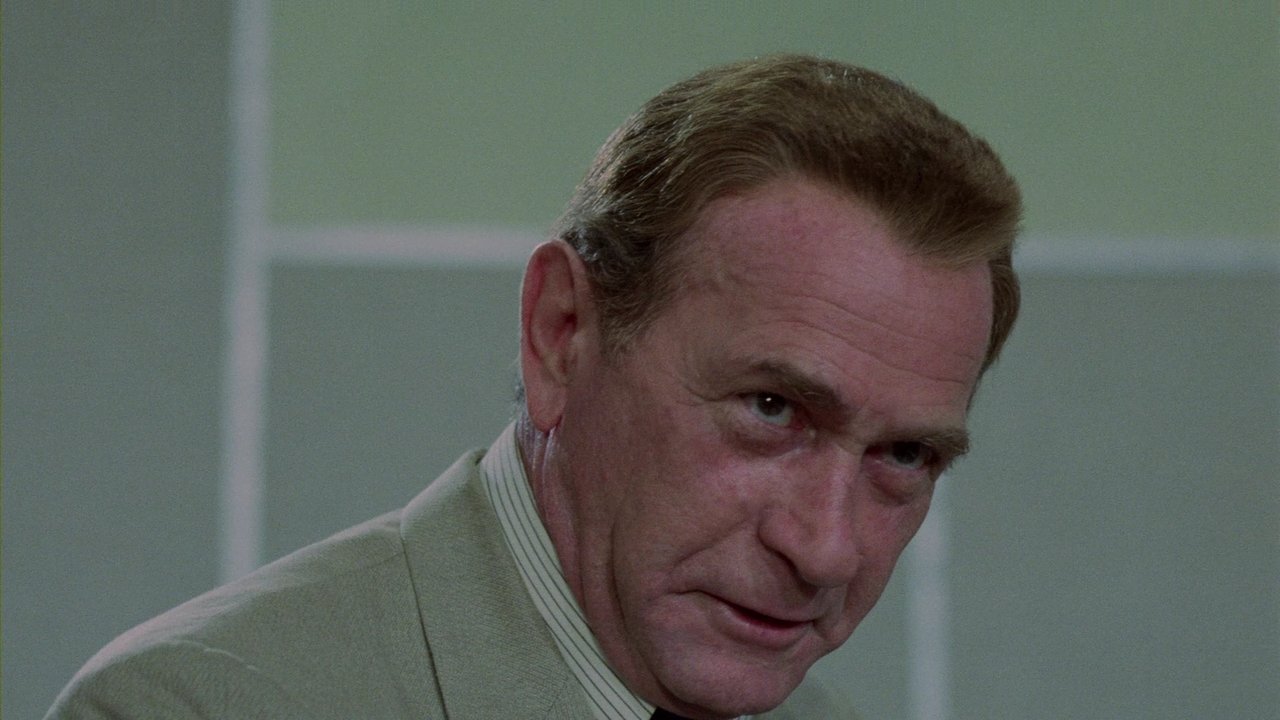
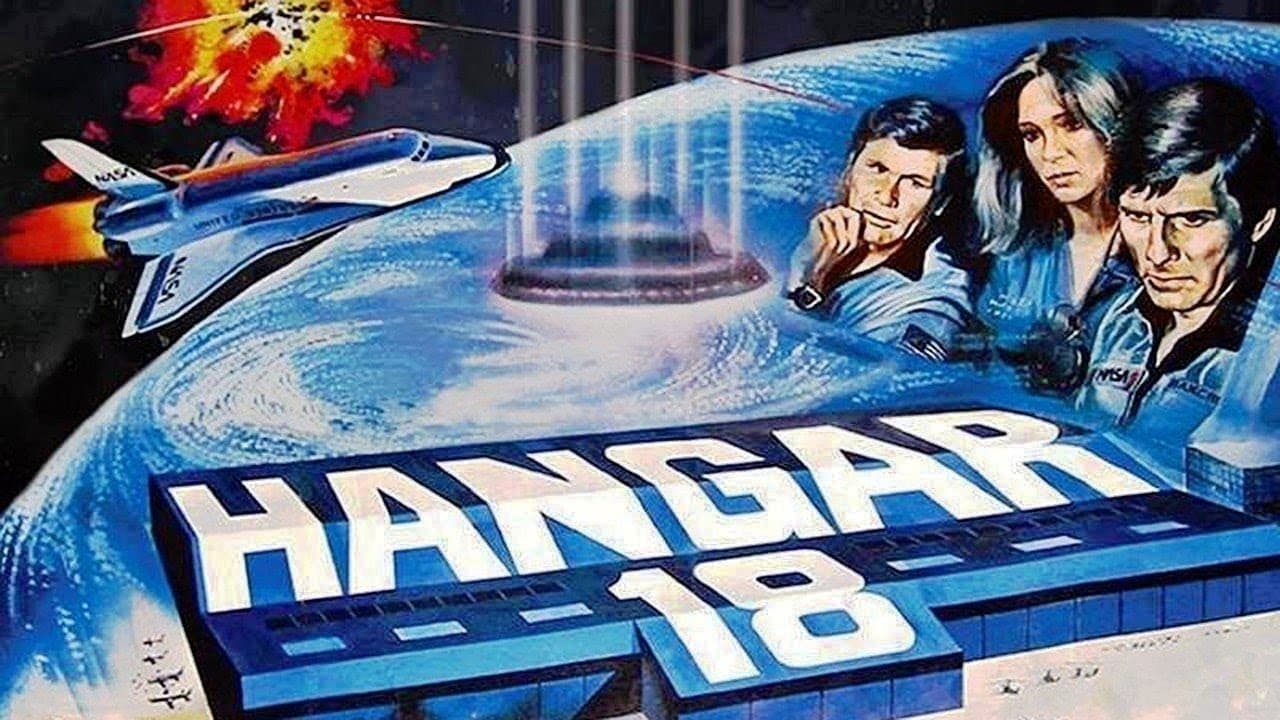
Watching it now evokes that specific feeling of renting a slightly obscure sci-fi title from the corner video store, drawn in by the cover art promising secrets and government intrigue. It delivered on that promise, even if the execution was sometimes rough around the edges.
Rating: 6/10
This score reflects Hangar 18's status as a solid, engaging B-movie conspiracy thriller. Strong performances from McGavin and Vaughn anchor the narrative, and the film effectively builds suspense and paranoia despite its visible budget limitations. It’s dated, yes, and occasionally clunky, but its earnestness and reflection of early 80s anxieties give it a specific, nostalgic charm. It may not be a forgotten masterpiece, but it’s a compelling piece of retro sci-fi that understood the most frightening monsters might not be from outer space, but from the corridors of power. Doesn't that core premise still feel disturbingly relevant?