Okay, pull up a worn armchair, maybe crack open a Tab if you can find one, because today we're rewinding the tape back to 1979 – a year that technically precedes our usual 80s/90s stomping grounds, but gifted us a film so foundational, so viscerally terrifying, its grainy dread practically lived in every VCR across the following decade. I'm talking, of course, about Ridley Scott's masterpiece of cosmic horror, Alien.
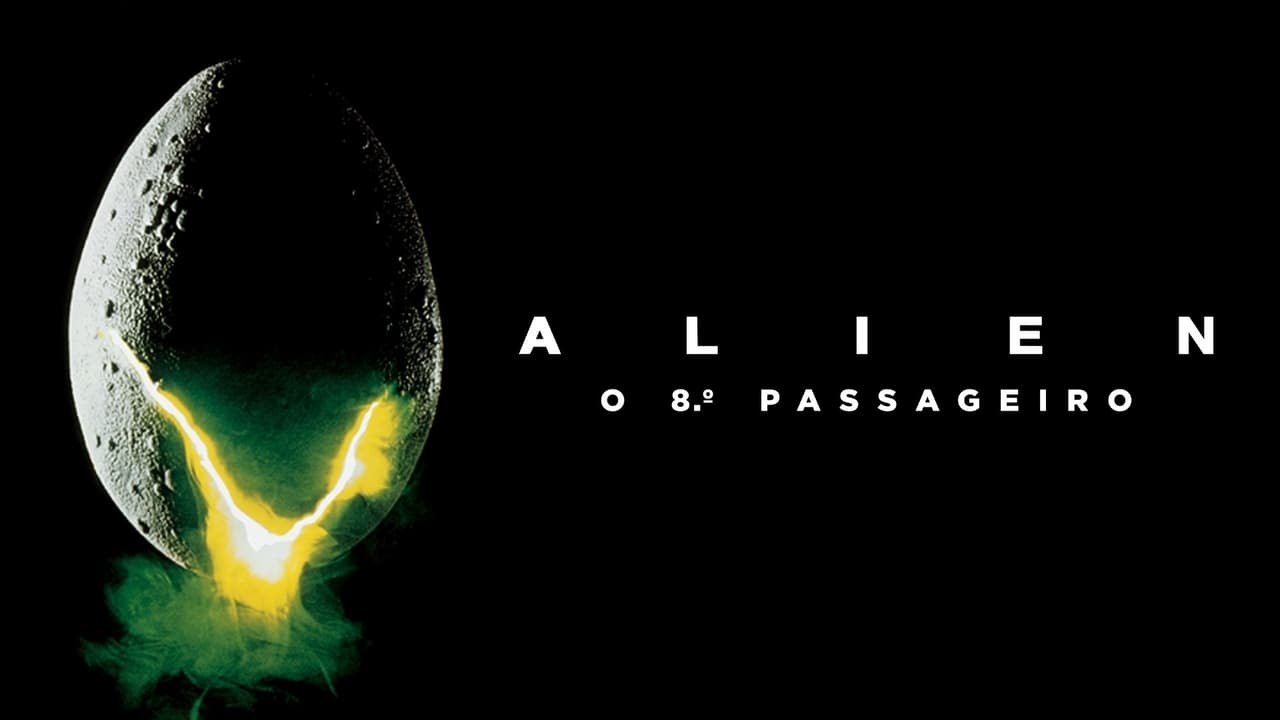
Forget the sequels, prequels, and crossovers for a moment. Let's go back to the Nostromo, back to that stark, chilling tagline: "In space, no one can hear you scream." It wasn't just marketing hype; it was a promise. And boy, did this film deliver on that terrifying silence, amplifying every clank of metal, every ragged breath, every skittering sound that hinted at the unspeakable lurking just beyond the light. I remember renting this one – the imposing, dark cover art on the oversized VHS box promising something genuinely different. It didn't feel like the flashy sci-fi of Star Wars; this was grimy, industrial, lived-in. This was space as a long-haul truck stop, and something awful had just hitched a ride.
Blue Collar Dread
What truly sets Alien apart, especially watching it now through the lens of decades of sci-fi that followed, is its grounding in the mundane. The crew of the Nostromo aren't star-faring heroes; they're space truckers, more concerned with bonuses and bitching about the food than exploring strange new worlds. Dan O'Bannon's script (with uncredited but significant revisions by Walter Hill and David Giler) presents us with utterly believable working stiffs. Tom Skerritt's Dallas is the weary captain, Yaphet Kotto and Harry Dean Stanton are the indispensable engineers Brett and Parker, just wanting their fair share, and Veronica Cartwright's Lambert embodies the raw, understandable panic. This everyday quality makes the intrusion of the alien creature exponentially more terrifying. It’s not just a monster; it’s a predator invading a meticulously realized, claustrophobic workspace.
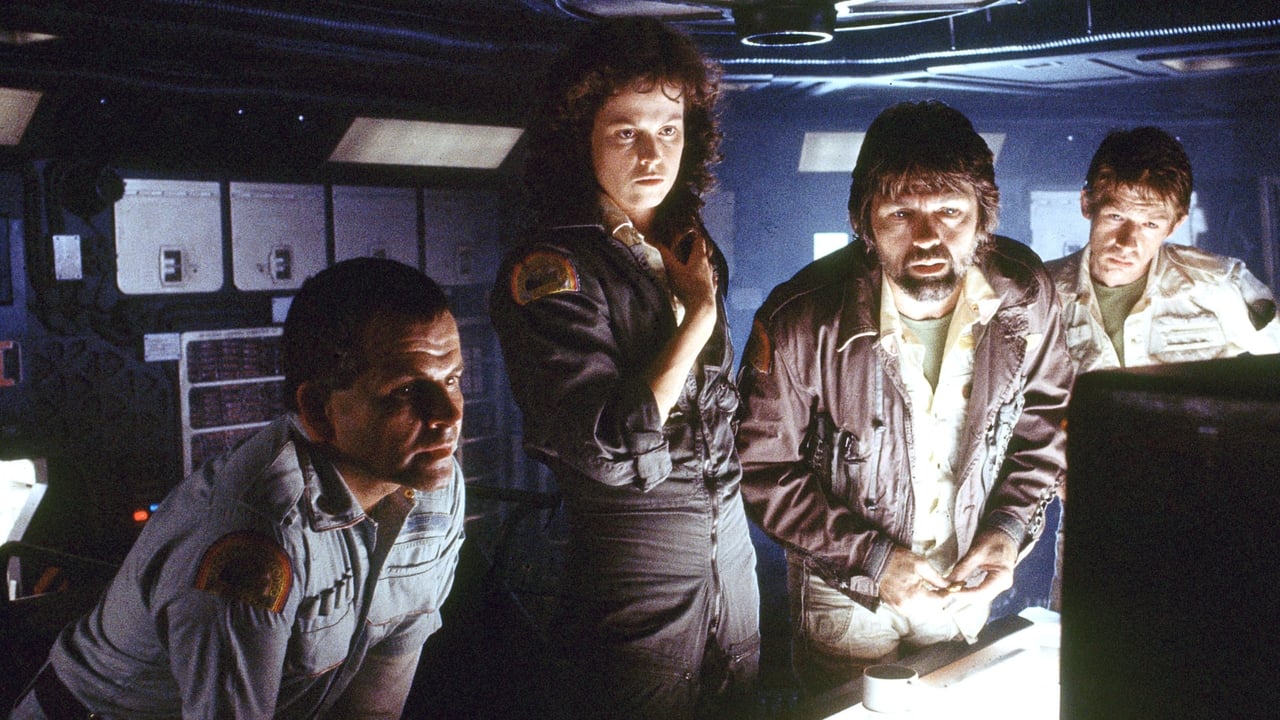
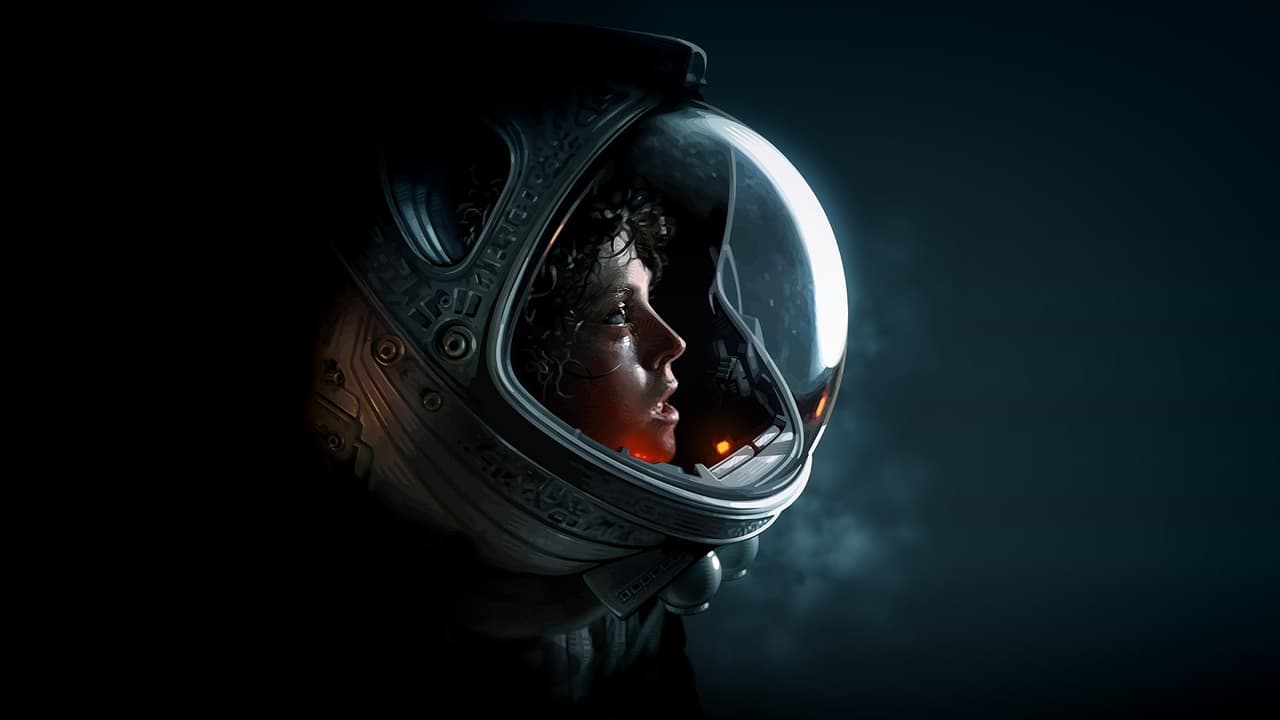
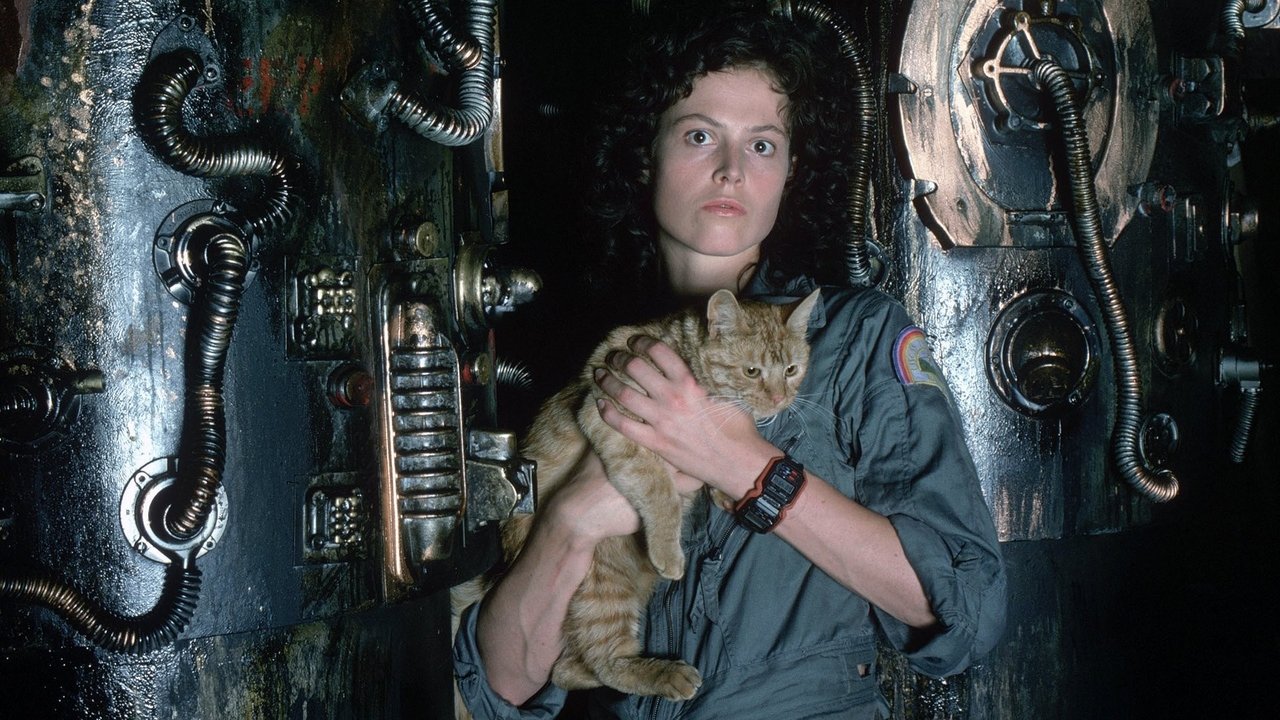
And then there's Sigourney Weaver as Ripley. It's hard to overstate the impact of her performance. Initially just another member of the ensemble, Warrant Officer Ripley gradually, organically becomes the film's focal point. Her practicality, her adherence to protocol (quarantine, anyone?), and her fierce survival instinct weren't the typical "damsel in distress" tropes. Weaver imbued Ripley with a strength that felt earned, forging one of cinema's most enduring heroes not through superpowers, but through sheer grit and intelligence. It was a role that redefined possibilities for female leads in action and sci-fi.
Designing Nightmares
Of course, you can't talk Alien without talking about the Alien itself. H.R. Giger's biomechanical designs remain some of the most profoundly disturbing and original creations ever put to film. The creature, the derelict ship, the facehugger, the chestburster – they possess a deeply unsettling fusion of the organic and the mechanical, tapping into primal fears. Scott wisely keeps the full creature shrouded in shadow for much of the film, letting Giger's evocative designs work on our imagination.
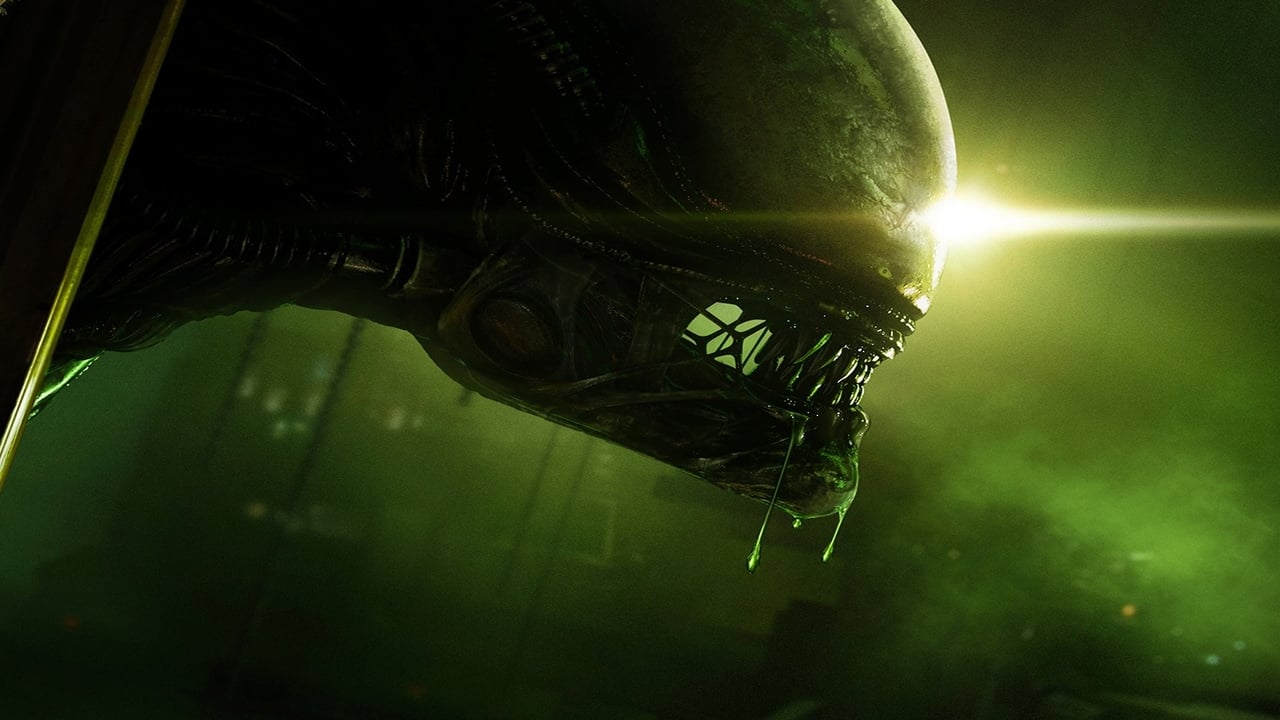
The practical effects work is legendary. The chestburster scene, famously shocking the cast as much as the audience (Scott kept the full extent of the gore a secret from most actors on set, eliciting genuine reactions of horror, particularly from Cartwright), is an all-time cinematic gut-punch. Finding the towering, impossibly slender Bolaji Badejo to physically portray the Xenomorph in costume was another stroke of genius, giving the creature an unnerving, non-humanoid movement. These weren't slick CGI creations; they had weight, texture, and a terrifying physical presence that remains potent. It's fascinating to know that budget constraints ($11 million, roughly $45 million today) forced creative solutions, like using children in scaled-down space suits to make the Space Jockey chamber seem even larger – practical magic at its finest.
Masterclass in Tension
Ridley Scott, coming off The Duellists, proved himself an absolute master of atmosphere and suspense. His meticulous storyboarding and visual planning are evident in every frame. The slow pans across the ship's corridors, the use of light and shadow, the dripping water, the constant hum of machinery – it all builds an almost unbearable tension. Jerry Goldsmith's score is equally crucial, shifting from haunting beauty to jarring dissonance, perfectly complementing the on-screen dread. Scott doesn't rely on cheap jump scares; he builds suspense layer by layer, making the eventual payoffs all the more impactful. It's a film that understands the power of suggestion, the fear of the unseen. What lingers more: the brief glimpses of the creature, or the agonizing minutes spent watching a motion tracker signal approach?
The Legacy Echoes
Alien wasn't just a box office smash (grossing over $100 million worldwide initially); it fundamentally altered the DNA of both science fiction and horror. It demonstrated that these genres could be gritty, serious, and psychologically profound. Its influence is everywhere, from countless imitators to its own complex franchise. It launched Ridley Scott and Sigourney Weaver into the stratosphere and remains a high-water mark for practical creature effects and atmospheric horror. Watching it today, the "future" tech might look quaintly retro (those chunky CRT monitors!), but the core terror, the claustrophobia, and the primal fear of the unknown remain undiminished. It asks unsettling questions about survival, corporate callousness (Ash's hidden directives), and the terrifying indifference of the cosmos.
---
Rating: 10/10
This is, quite simply, a perfect film. Its masterful blend of sci-fi world-building and pure horror, grounded performances, groundbreaking design, and relentless tension create an experience that hasn't aged a day in terms of its power to terrify and impress. It justified its rating by setting a standard few films in any genre have ever matched, delivering on its chilling premise with terrifying artistry.
Alien is more than just a movie; it's a core memory for anyone who encountered it on a flickering television screen late at night, a benchmark against which creature features are still measured, and a timeless journey into the dark. What frightens you more – the monster you see, or the one you know is hiding just out of sight?