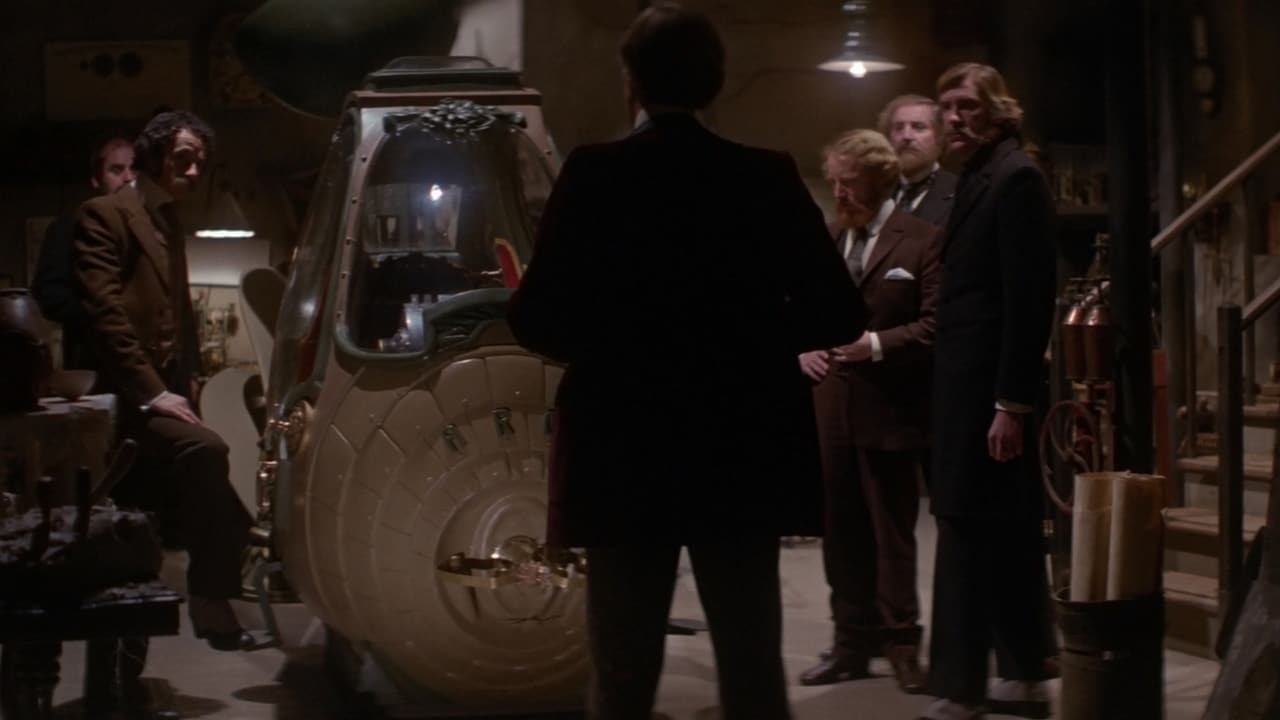
It begins with such earnest conviction, doesn't it? The belief that progress marches ever onward, that humanity is intrinsically drawn towards enlightenment. That's the H.G. Wells we meet in Nicholas Meyer's ingenious 1979 film, Time After Time – a man brimming with utopian ideals, proudly showcasing his newly built time machine to skeptical friends in Victorian London. What could possibly go wrong? Well, only everything, when one of those friends happens to be Jack the Ripper.
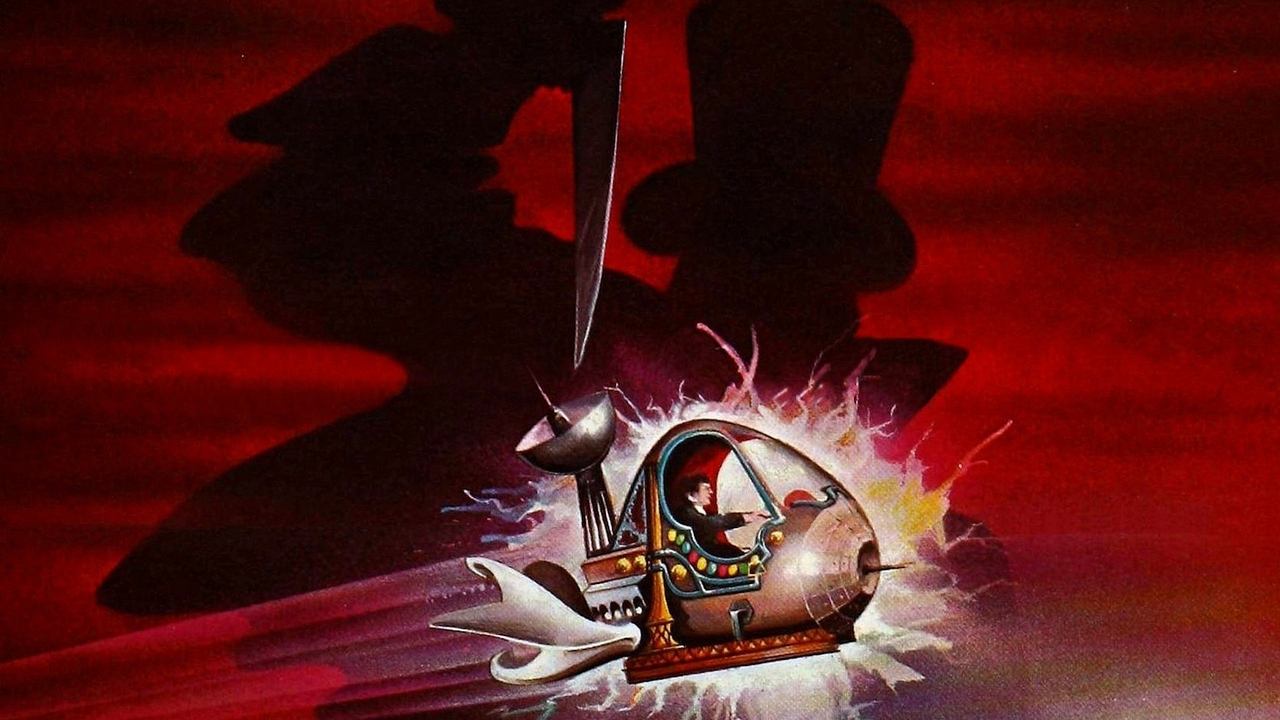
This is the beautifully simple, yet incredibly rich, premise that sets the gears turning. When the Ripper, revealed as the respected surgeon Dr. John Leslie Stevenson (played with icy precision by the great David Warner), uses Wells' machine to escape into the future, the idealistic author feels compelled to follow. The destination? San Francisco, 1979. And it's here that the film truly finds its fascinating rhythm, contrasting the naivete of the past with the bewildering, often brutal, reality of the modern world.
### A Future He Never Imagined
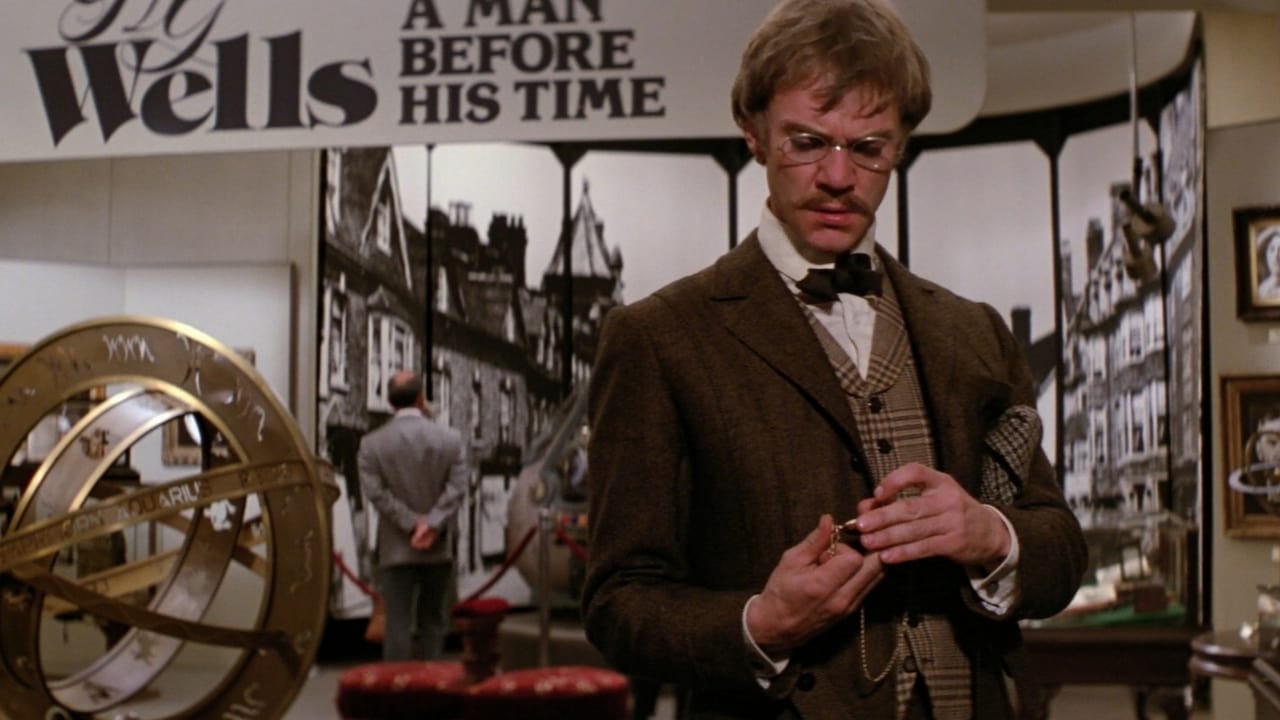
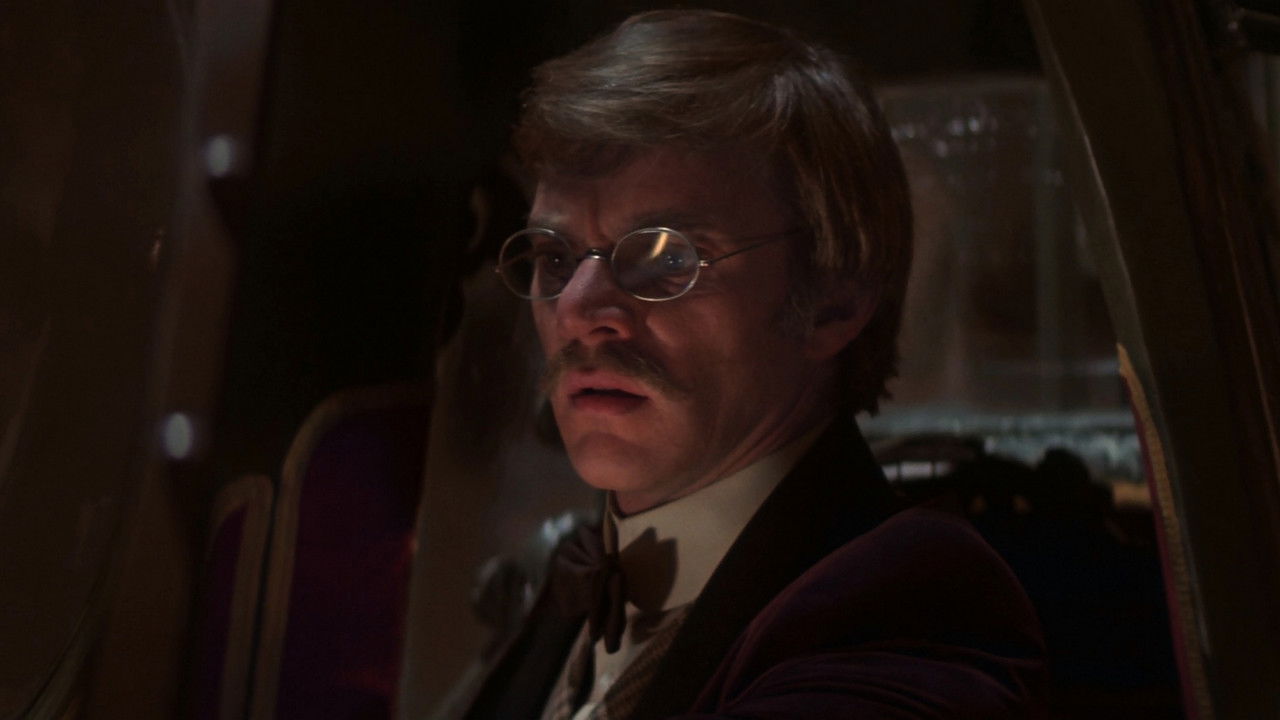
Malcolm McDowell, an actor often associated with far more cynical characters (most notably Alex in A Clockwork Orange), is simply perfect as Herbert George Wells. He embodies the intellectual curiosity, the slightly fussy mannerisms, but most importantly, the profound shock and disillusionment Wells experiences upon arriving in '79. Meyer, directing his first feature film here (he’d later give us gems like Star Trek II: The Wrath of Khan and The Day After), masterfully uses Wells' perspective as our lens. We see the noise, the traffic, the casual violence on television, the fast food – all through the eyes of a man who expected paradise but found… well, us. There’s a poignant scene where Wells, watching news reports of wars and disasters, sadly concludes, "Ninety years ago, I was a prophet. Today, I'm a curator." It cuts deep.
Standing in stark opposition is David Warner's Stevenson. If Wells is horrified by the future, the Ripper finds it utterly congenial. "Ninety years ago, I was a freak," he coolly observes, "Today... I'm an amateur." Warner delivers this line with a chilling lack of affectation that makes your blood run cold. He sees 1979 not as a failure of progress, but as a world that has finally caught up with his own savage nature. It’s a terrifyingly magnetic performance, embodying the darkness that Wells naively believed humanity would outgrow. The clash between these two men, representing opposing facets of human potential, forms the thrilling spine of the narrative.
### Finding Humanity Amidst the Chaos
But Time After Time isn't just a clever sci-fi chase thriller; it has a surprisingly warm and beating heart, largely thanks to Mary Steenburgen as Amy Robbins. Amy is a thoroughly modern woman (for 1979, anyway) working at a bank, liberated and independent, yet perhaps a little lonely. Her encounter with the bewildered, formally dressed Wells sparks one of cinema's more unusual and charming romances. Steenburgen is utterly captivating, bringing a brightness and grounded reality that anchors the film's more fantastical elements. Her initial amusement at Wells's eccentricities gradually blossoms into genuine affection and belief.
Their chemistry is undeniable – a fact perhaps unsurprising when you learn that McDowell and Steenburgen actually met and fell in love during the making of this film, marrying the following year. That real-life connection infuses their scenes with a palpable warmth and authenticity that elevates the romance beyond mere plot device. It becomes the emotional core, suggesting that even in a future that seems to have lost its way, human connection and love can still flourish. Watching Wells slowly shed his Victorian stiffness under Amy’s influence is genuinely touching.
### A Seamless Blend of Eras
Nicholas Meyer, who also penned the sharp screenplay (based on Karl Alexander's novel), demonstrates a remarkable confidence for a first-time director. He navigates the shifts between thrilling pursuit, fish-out-of-water comedy, poignant romance, and sharp social commentary with apparent ease. The film looks great too, capturing both the gaslit charm of Victorian London and the slightly gritty, sun-drenched feel of late 70s San Francisco. Miklós Rózsa's score effectively bridges the two periods, adding classical sweep and suspenseful undertones. It’s a film crafted with intelligence and care, respecting its audience and its characters.
It’s interesting, isn't it, to watch a film from 1979 critique its own time as a violent dystopia through the eyes of someone from the 1890s? Does it make you wonder what Wells would think if he landed here, now? The film doesn't offer easy answers, but it certainly makes you ponder the nature of progress and violence. Is brutality an aberration, or an inherent part of who we are, simply finding new outlets in every era?
### The Verdict

Time After Time remains a wonderfully satisfying piece of filmmaking. It manages to be thrilling, romantic, funny, and thought-provoking all at once – a rare feat. The central performances from McDowell, Warner, and Steenburgen are pitch-perfect, anchoring the high-concept premise with genuine humanity and menace. Meyer’s direction is assured, and the script is literate and witty. It’s one of those films that, once discovered on a flickering CRT via a well-loved VHS tape (perhaps rented from a store whose scent you can almost recall), stays with you. It offers a unique blend, a time-traveling Ripper story wrapped around a genuinely sweet romance and a surprisingly sharp look at societal anxieties.
Rating: 9/10
Time After Time is a brilliantly conceived and executed gem that transcends its genre trappings. Its central question – has humanity truly progressed, or merely found new ways to express its darker impulses? – lingers long after the time machine has faded from view. A true classic of the era.