There's a particular kind of quiet dread that settles in during the opening moments of Ulu Grosbard's Straight Time (1978). It’s not explosive or flashy; it’s the heavy silence of a prison gate clanging shut behind Max Dembo, played with simmering intensity by Dustin Hoffman, as he steps back into the harsh sunlight of freedom. But is it truly freedom? That's the question that hangs heavy in the smoggy Los Angeles air throughout this criminally underrated character study, a film that likely found its way into many a VCR during the early 80s, perhaps nestled on the shelf between more brightly coloured boxes, offering a stark, necessary dose of reality.
The Revolving Door
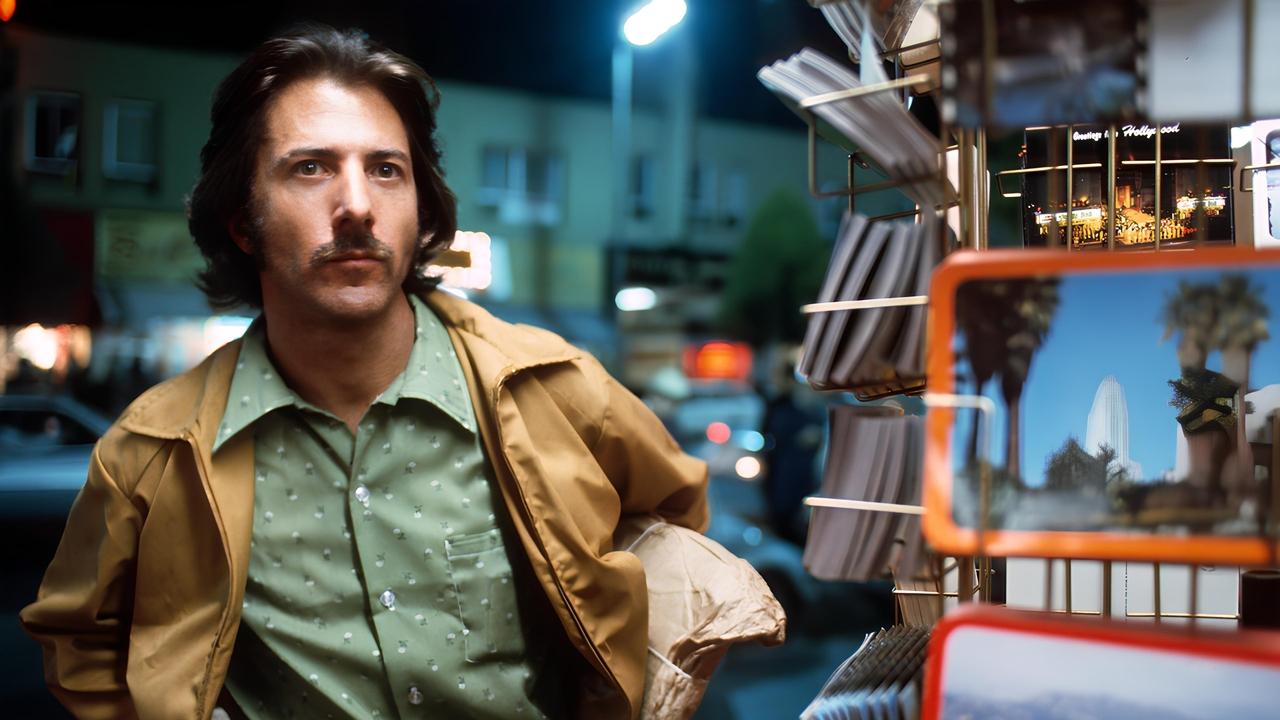
Max isn't a movie gangster; he’s a career criminal, freshly paroled after a six-year stretch. He wants to go straight, or at least, he mouths the words. We see him navigate the humiliating rituals of reintegration: the condescending parole officer (a perfectly weaselly M. Emmet Walsh), the degrading search for menial work, the cheap motel room that feels like just another cell. Grosbard, known more perhaps for stage work and intimate dramas like True Confessions, directs with a patient, observational eye. There’s no glamour here, just the grinding gears of a system seemingly designed to push men like Max right back where they came from. The film captures the texture of late-70s LA with an unvarnished honesty – the faded paint, the anonymous storefronts, the feeling of lives lived on the margins.
Hoffman Against the Grain
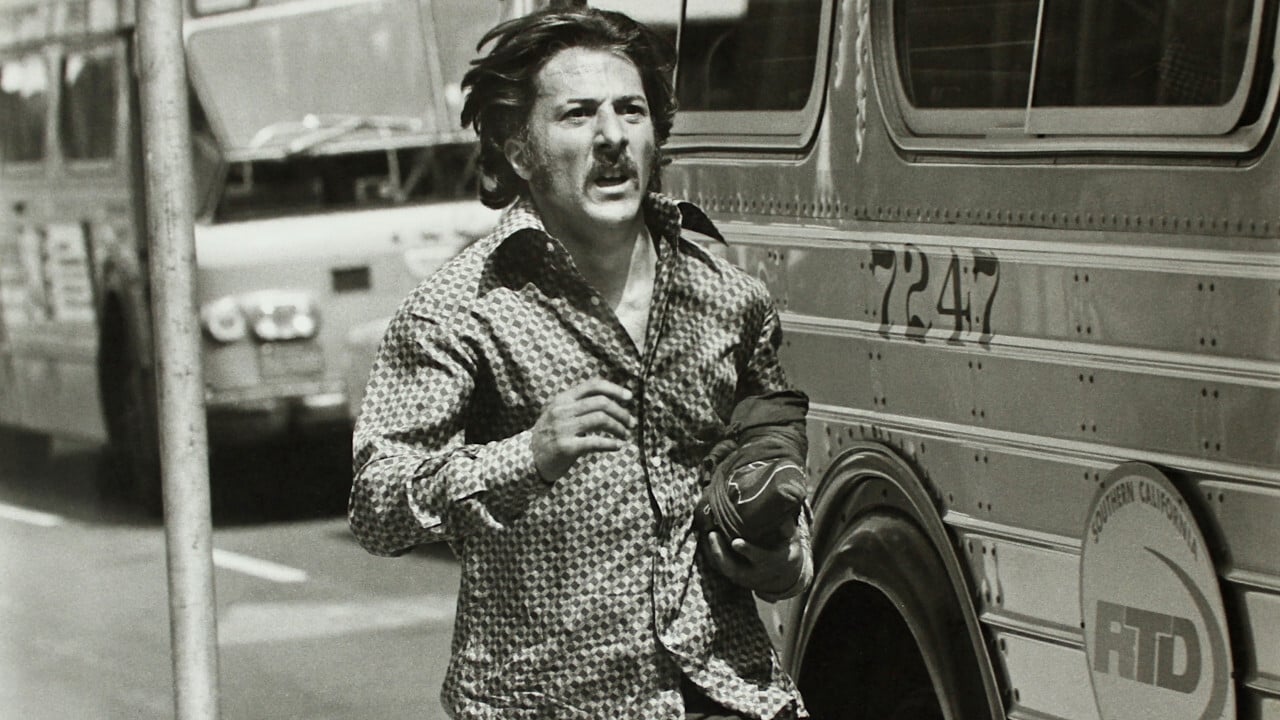
This performance is a cornerstone of Dustin Hoffman's career, yet feels distinct from his more celebrated roles in The Graduate or Kramer vs. Kramer. His Max Dembo is coiled, watchful, radiating a tension that feels perpetually close to snapping. There’s a chilling emptiness in his eyes at times, a calculation that belies his attempts at normalcy. It’s a deeply internalized performance; you feel the weight of Max’s past and the suffocating pressure of his present in every gesture, every clipped line delivery. Interestingly, Hoffman initially bought the rights to the source novel, Edward Bunker's searing "No Beast So Fierce," with the intention of directing himself. While Grosbard ultimately took the helm, you can sense Hoffman's deep investment in inhabiting this character, peeling back the layers to reveal the man beneath the criminal record. His commitment is absolute, lending the film an undeniable anchor of authenticity.
Truth Born from Experience
And authenticity is key here. Edward Bunker, who co-wrote the screenplay with Alvin Sargent (Ordinary People) and Jeffrey Boam (Indiana Jones and the Last Crusade, Lethal Weapon 2 & 3), wasn't just imagining this world – he had lived it. A former inmate himself, Bunker brings an insider’s perspective that elevates Straight Time beyond typical crime movie tropes. The dialogue feels lived-in, the situations starkly plausible. There’s no romanticism about the criminal life; it’s depicted as desperate, often pathetic, and inevitably destructive. You see it in the twitchy energy of Gary Busey as Max’s former associate, Willy Darin, and the cautious hopefulness of Jenny Mercer (Theresa Russell in an early, effective role), the employment agency worker drawn into Max’s orbit. Even smaller roles, like Harry Dean Stanton's weary ex-partner in crime, feel grounded and real.
The Slippery Slope
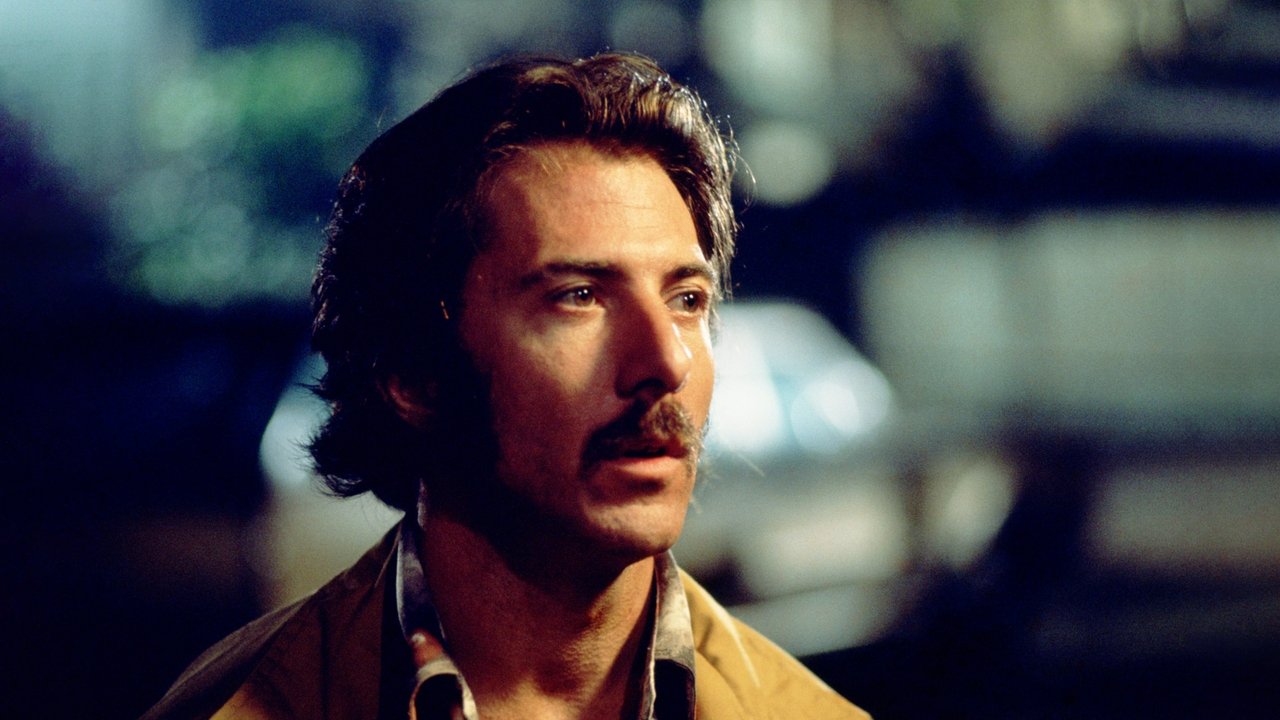
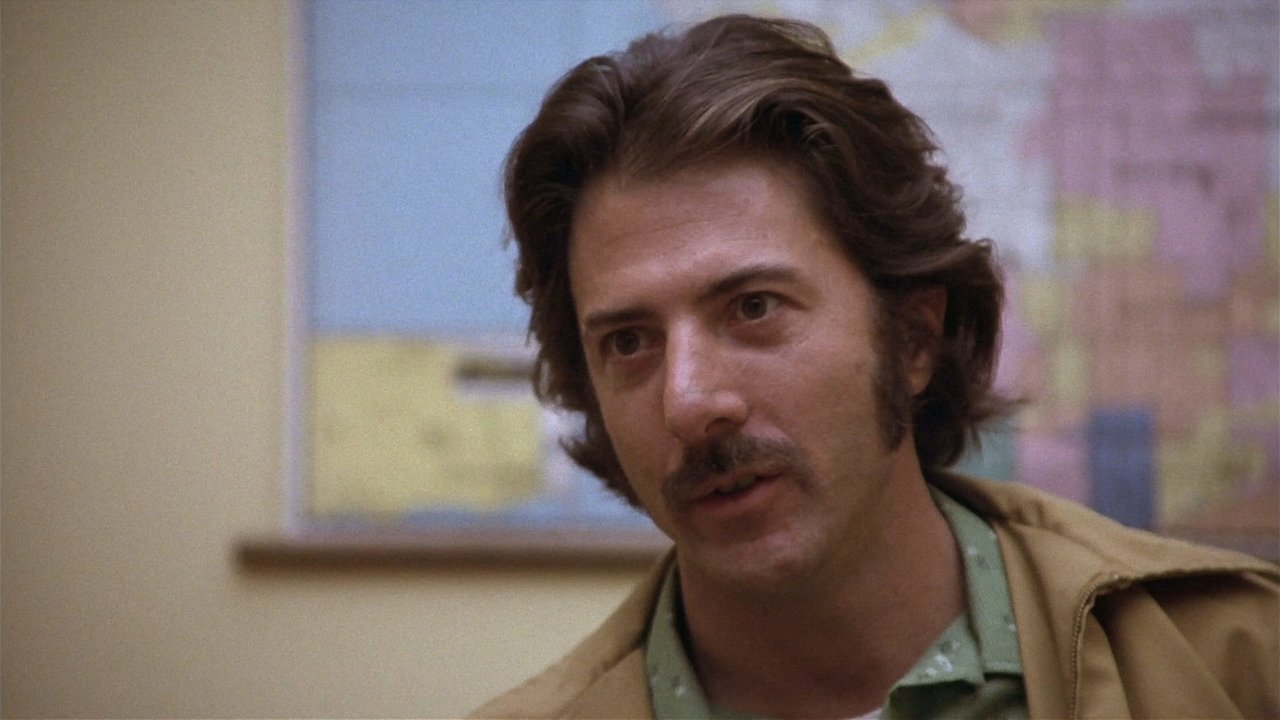
The film meticulously charts Max’s inevitable slide back into his old ways. It’s not one dramatic event, but a series of small humiliations, frustrations, and temptations. A misunderstanding with his parole officer, the lure of easy money, the pull of old habits – it feels less like a choice and more like a grim destiny playing out. Does society offer Max a real chance, or are the walls built too high even outside of prison? The film doesn’t offer easy answers, forcing us instead to confront the uncomfortable complexities of rehabilitation and recidivism. One particularly memorable sequence, a jewelry store heist, is staged with brutal efficiency – no slick Ocean's Eleven antics here, just raw nerves, desperation, and the potential for sudden, terrifying violence. Reportedly, Hoffman even spent time researching by associating with actual parolees to understand the mindset, adding another layer to the film's gritty realism.
A VHS Gem Worth Rediscovering
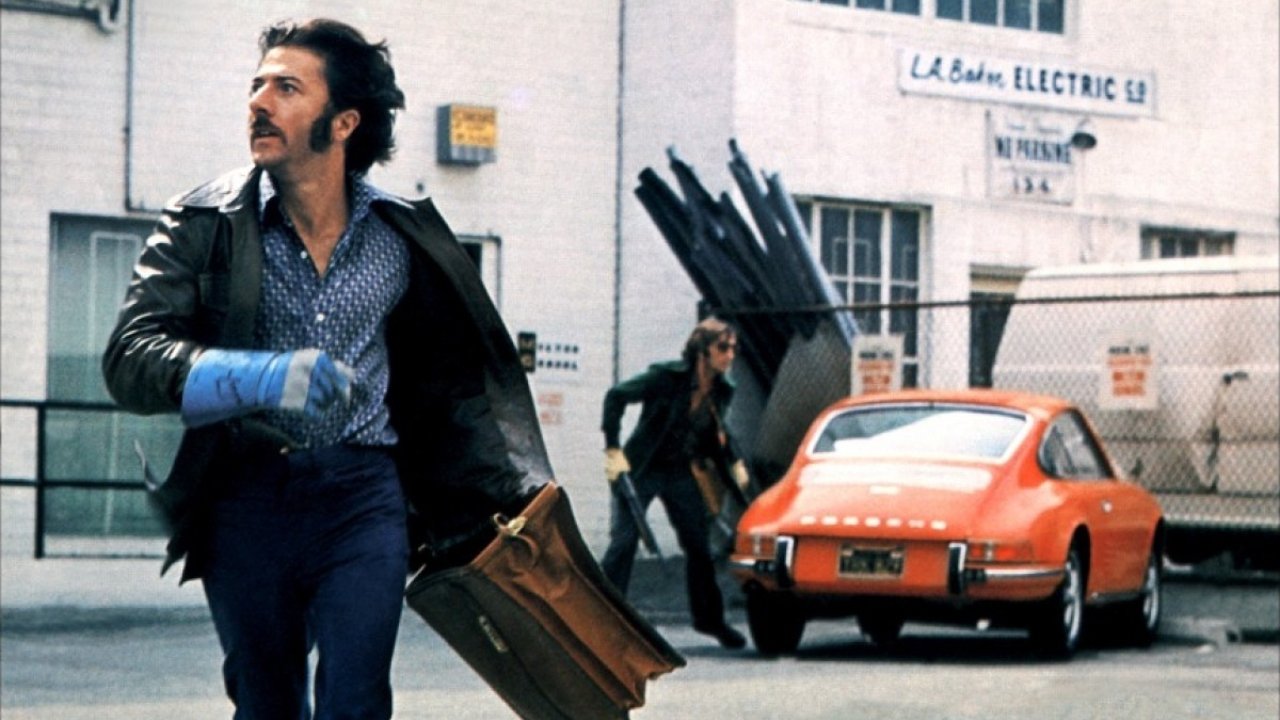
Seeing Straight Time again, maybe on a worn tape pulled from the back of a shelf or streamed in the dead of night, reminds you of a time when mainstream cinema wasn't afraid to be this downbeat, this observational. Its late-70s roots are clear, but its themes felt utterly relevant stacked alongside the action blockbusters and high-concept comedies of the 80s video store era. It offered something different: a slow burn, a character piece that demanded patience and rewarded it with profound insight. It might not have been the feel-good rental of the week, but its power lingered long after the tape stopped whirring.
Rating: 9/10
Straight Time is a masterclass in understated realism and features one of Dustin Hoffman's most compelling, least mannered performances. Its strength lies in its unflinching honesty, refusing easy moralizing or Hollywood endings. Supported by Edward Bunker's authentic voice and Grosbard's sensitive direction, it paints a bleak but essential portrait of a man caught in a system, fighting a losing battle against his own nature and the world around him. It’s a film that gets under your skin and stays there, asking questions about second chances that still resonate decades later. What truly defines freedom, and can a person ever truly escape their past?